Words Meagan Robertson
Images Cameron Mackenzie, Northland NZ & Thomas Falconer
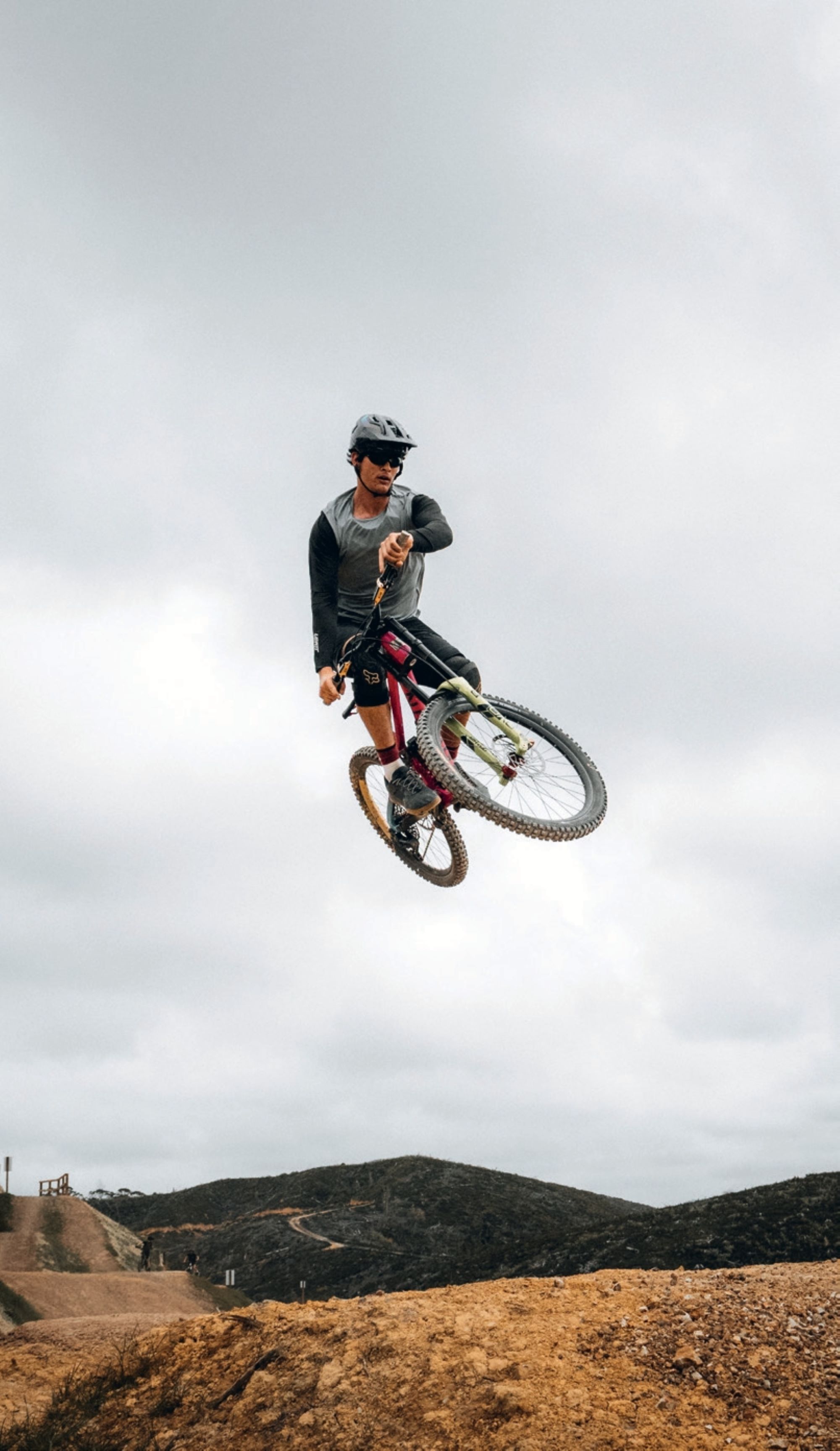
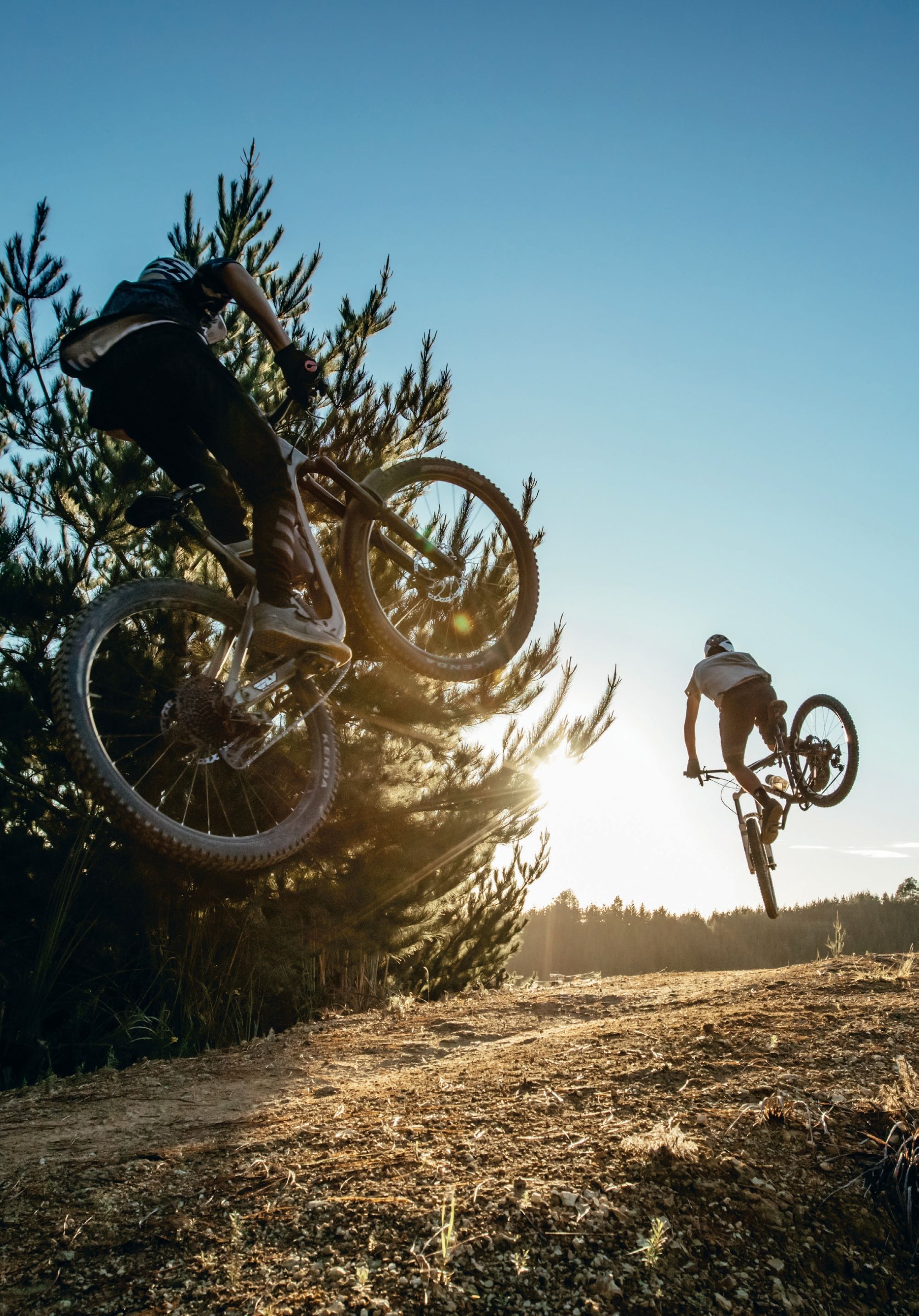
On a sunlit hillside at the entrance to Waitangi Mountain Bike Park, riders are sending it. Some are tentative at first, then grow with confidence. Kids roll tabletops, seasoned riders boost skyward and, somewhere in between, a quiet kind of magic is happening.
This is Pekenui “jump big” Jump & Skills Park, and it’s the most significant addition to Waitangi in a decade. But, like any good trail, the story behind it isn’t a straight line. It’s a winding, technical climb – full of setbacks, persistence, and moments when turning back would have been easier. Instead, the team behind the dream kept going.
A park with purpose
Long before Pekenui took shape, Waitangi Mountain Bike Park itself was an ambitious idea: a free-to-ride, world-class trail network in a region that needed more accessible, land-based recreation.
Northland has historically faced some of the country’s toughest health statistics, and for park manager, Tiff Holland, who grew up there, the vision was always about more than bikes. It was about people.
Like many good ideas, it took a kid to identify it.
“We took our kids riding in Rotorua and they just loved it,” Holland says. “They were like, ‘Mum, this is better than Christmas! Wouldn’t it be incredible to have something like this in Paihia?’”
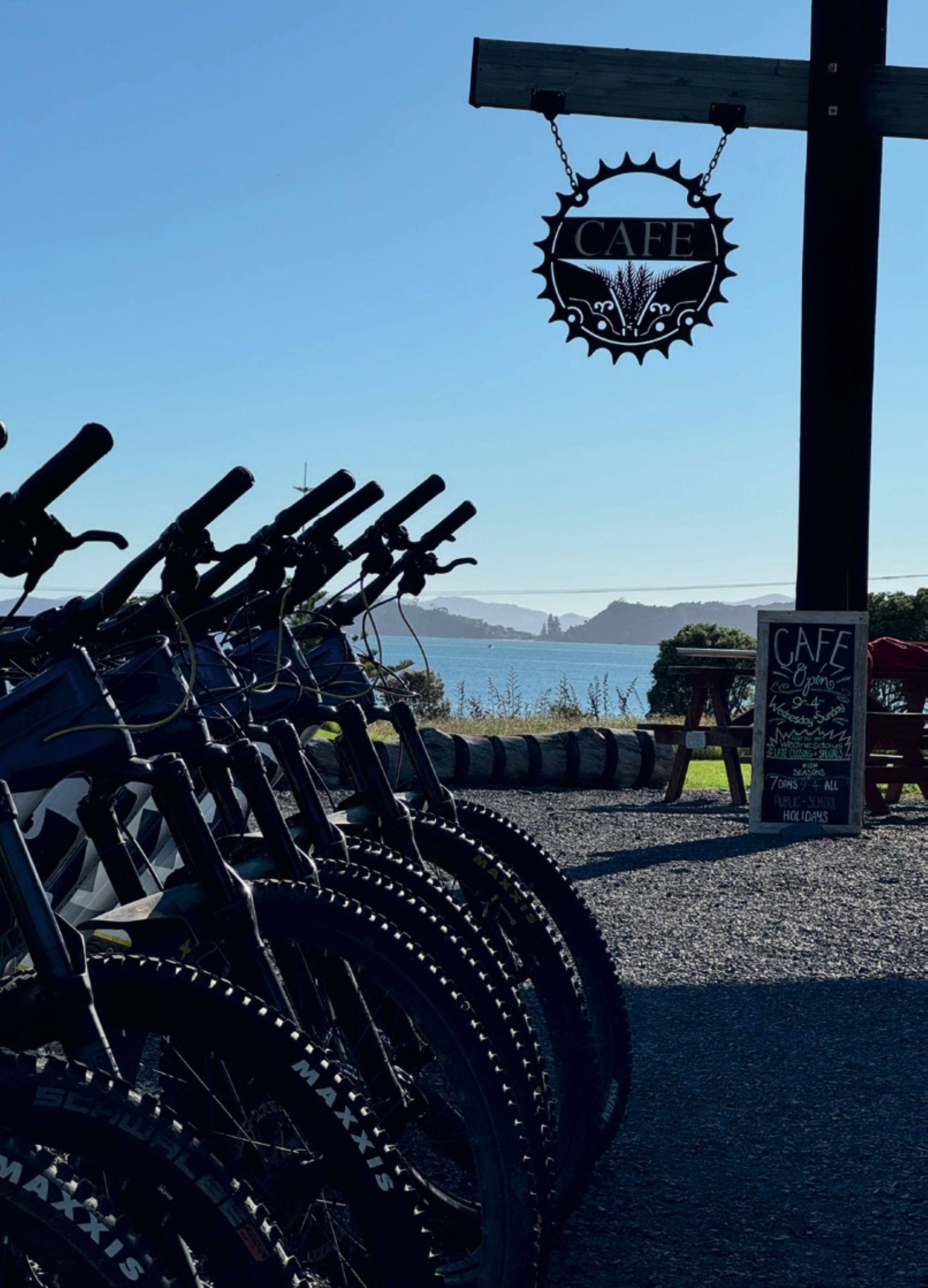
At the time, Holland was working in a completely different world – producing shows at international fashion weeks in New York, London, Paris and Milan – even after returning home to the Bay of Islands from overseas. But not long after that trip to Rotorua, the family threw themselves wholeheartedly into building a bike park from scratch.
That vision took shape in 2016, but the groundwork started long before that.
Set on 570 hectares of Crown land within the Waitangi Endowment Forest, the park sits on land that’s as complex as it is beautiful – managed by the Department of Conservation, actively harvested, ecologically sensitive and culturally significant.
“Every inch of trail required careful planning, consultation and approval,” explains Holland. “The paperwork was huge.”
Huge is an understatement. It took two and a half years just to get the original park off the ground after countless hui, environmental checks and stakeholder conversations.
“There were so many points where we could have given up and stopped,” recalls Holland. “But we didn’t; we always knew why we were doing it.”
That “why” still drives the park today.
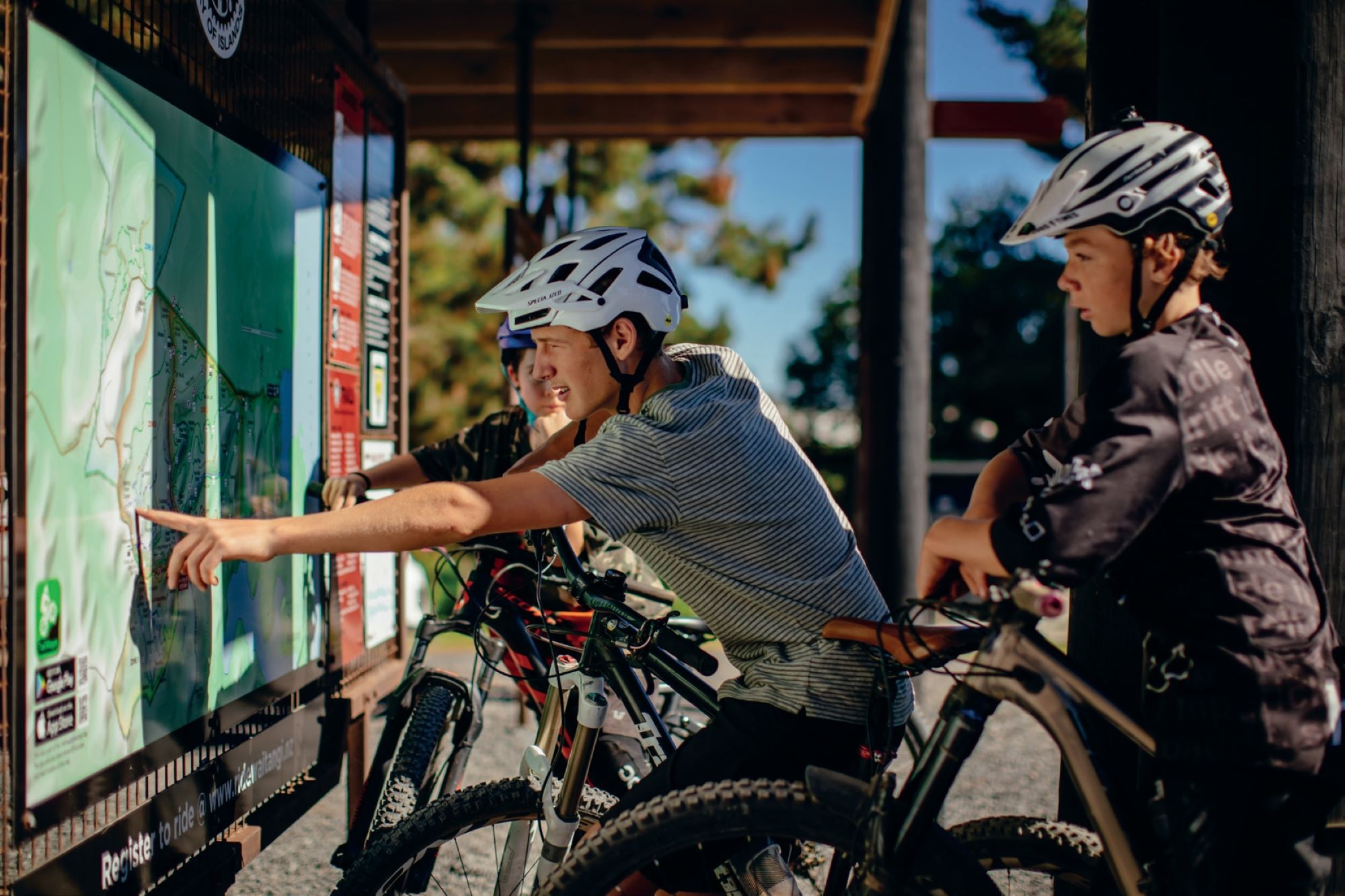
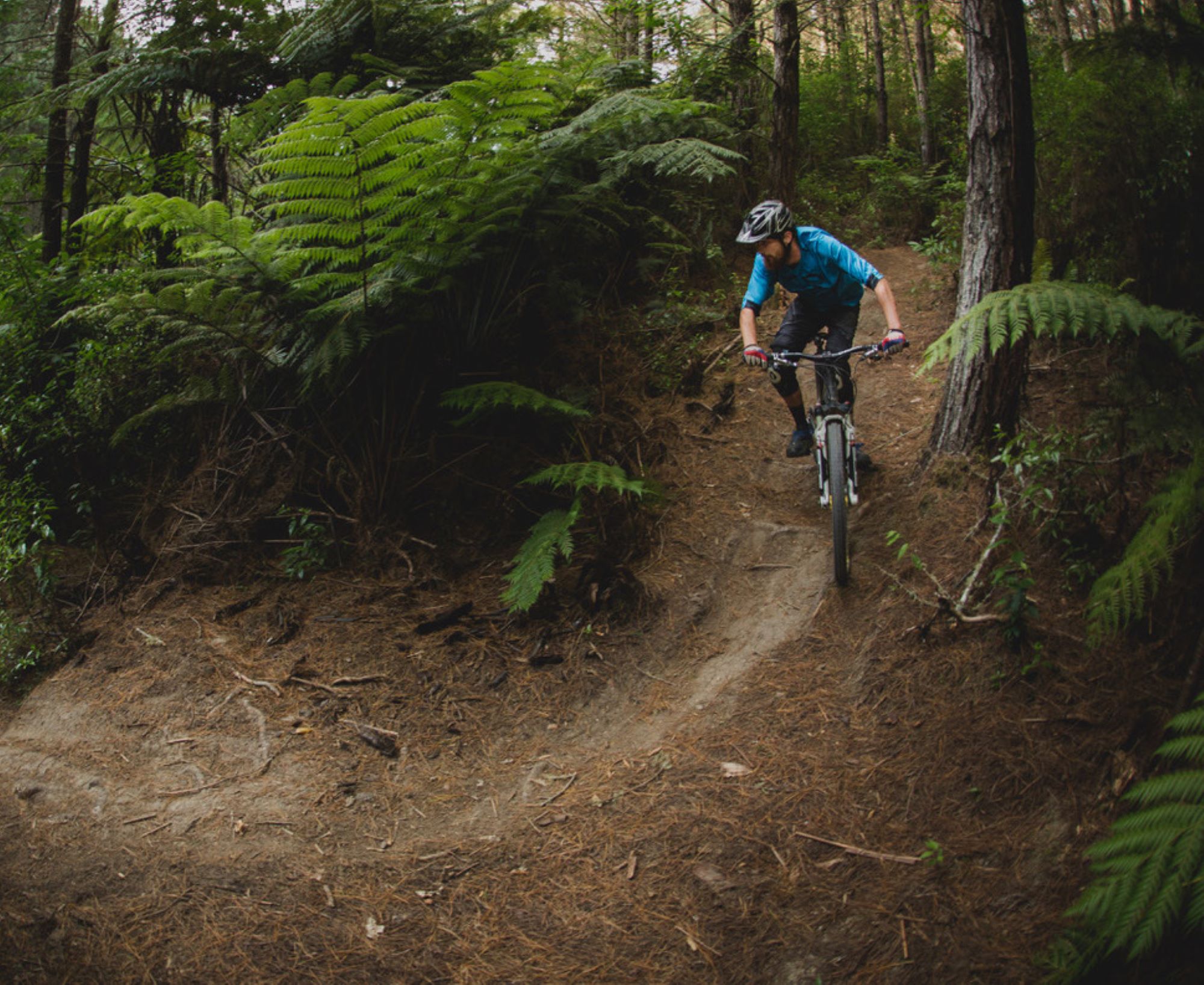
With over 50km of trails, and more to come, Waitangi has grown into the destination Tiff and her husband envisaged when they pitched the concept more than a decade ago. A true community asset, the park balances flow, accessibility and meaning, while contributing millions to the local economy and delivering measurable health and wellbeing benefits to the community.
The next step: Pekenui
If Waitangi was about access, Pekenui is about progression.
The jump and skills park – spanning an entire hillside at the park entrance – is the biggest addition since the original trails opened.
There are three jump lines, each stepping things up: Manurere for beginners finding their feet, Wētā for riders building confidence, and Puanga Matariki for those ready to push it further. Add in climbing tracks, balance features and a ridgeline flow trail, and you’ve got a space designed to be lapped, sessioned and steadily unlocked.
The progression is deliberate. In a region where mountain biking hasn’t traditionally been dominant, lowering the barrier to entry is everything.
“We wanted something that allowed people to progress safely,” Holland says. “Good lines, good angles – something that gives riders confidence.”
And that’s exactly how it’s playing out. Riders who arrive unsure are quickly lapping lines they never thought possible. Families ride together. Kids find confidence. Experienced riders finally have features that push them.
“I dropped in on Manurere first and it’s perfect for learning to fly,” one rider said at opening. “After a few laps my confidence just went through the roof.”
That sense of accessibility – of meeting riders where they’re at – is what sets Pekenui apart.
Built by many hands
Like the rest of the park, Pekenui is a community effort through and through.
The $300,000 project was fully funded through grants, donations and local support, with more than $60,000 in materials and services contributed by businesses across the region.
Trail builders, Empire of Dirt, shaped the lines but the project itself reflects something much bigger. “It’s been pure community grit and aroha to get here,” Holland said at the opening.
That spirit is part of what makes Waitangi different. The park remains free to ride, supported by donations, volunteers and a small team that keeps everything running.
“It’s a really small crew for a big park,” Holland says. “But there’s a lot of pride in it. People really care about this place.”
And Holland would know. Running the park, she says, is “almost like having a third child. It’s always on my mind”. Storms can undo months of work overnight. Funding is never guaranteed. For the first four years, her role wasn’t even paid.
“I sort of blagged my way through it in the beginning,” she laughs. “What I know now compared to then!”
And yet, when Pekenui opened and the hillside filled with riders, it reminded her again why it’s all worth it.
“Seeing Pekenui open was huge, but there are so many moments that make it all worthwhile,” she says. “Seeing a young girl beaming when she rides without training wheels for the first time, hearing the whoops and hollers of teens choosing to spend their free time outside, or hosting a Hapu ride – there’s so much good.”

Trails that tell stories
At Waitangi, trails aren’t just lines on a map – they’re stories.
Gifted through collaboration with Ngā Hapū ki Waitangi, the trails reflect the stories, language and identity of the area. Riding here is as much about connection as it is about flow.
Some stories are cultural. Others are personal.
Insisted on by mana whenua, among them is a trail named after Tiff and Robin Holland – a subtle but powerful recognition of the journey they’ve been on. Because behind the infrastructure, the funding applications, and the thousands of volunteer hours, there’s a human story. One of returning home, starting something from scratch, and choosing – again and again – not to give up.
“It’s pretty special,” Holland says. “To have our story alongside the stories of this place.”
It’s a reminder that trails, like people, carry history.
More than just a ride
Today, Waitangi Mountain Bike Park is a cornerstone of the Northland riding scene, attracting visitors from across New Zealand and beyond. It’s generated significant economic impact, strengthened community ties, and created a space where health, culture, and recreation intersect.
“We’re constantly told that having Waitangi Mountain Bike Park here has changed people’s lives,” Holland says.
Families ride together, school groups come through, and local riders return again and again – not just for the trails, but for the sense of belonging that comes with them.
Pekenui marks the next chapter in that journey – building on everything the park set out to be. But more importantly, it’s further proof of what’s possible when a community backs an idea, and sticks with it through the hard parts.