

Words Liam Friary
Wireless droppers are in vogue lately, and KS has thrown a great one for a good price point. Let’s start with what makes this thing tick. Much like the brand’s cable-actuated posts, the Rage Circuit has a simpler design and slots in below the LEV Circuit (top-tier) in terms of price. It’s much cheaper than the LEV Circuit, however, still shares what appears to be the same head design, battery, electronics, remote, and overall aesthetics as its more expensive sibling.
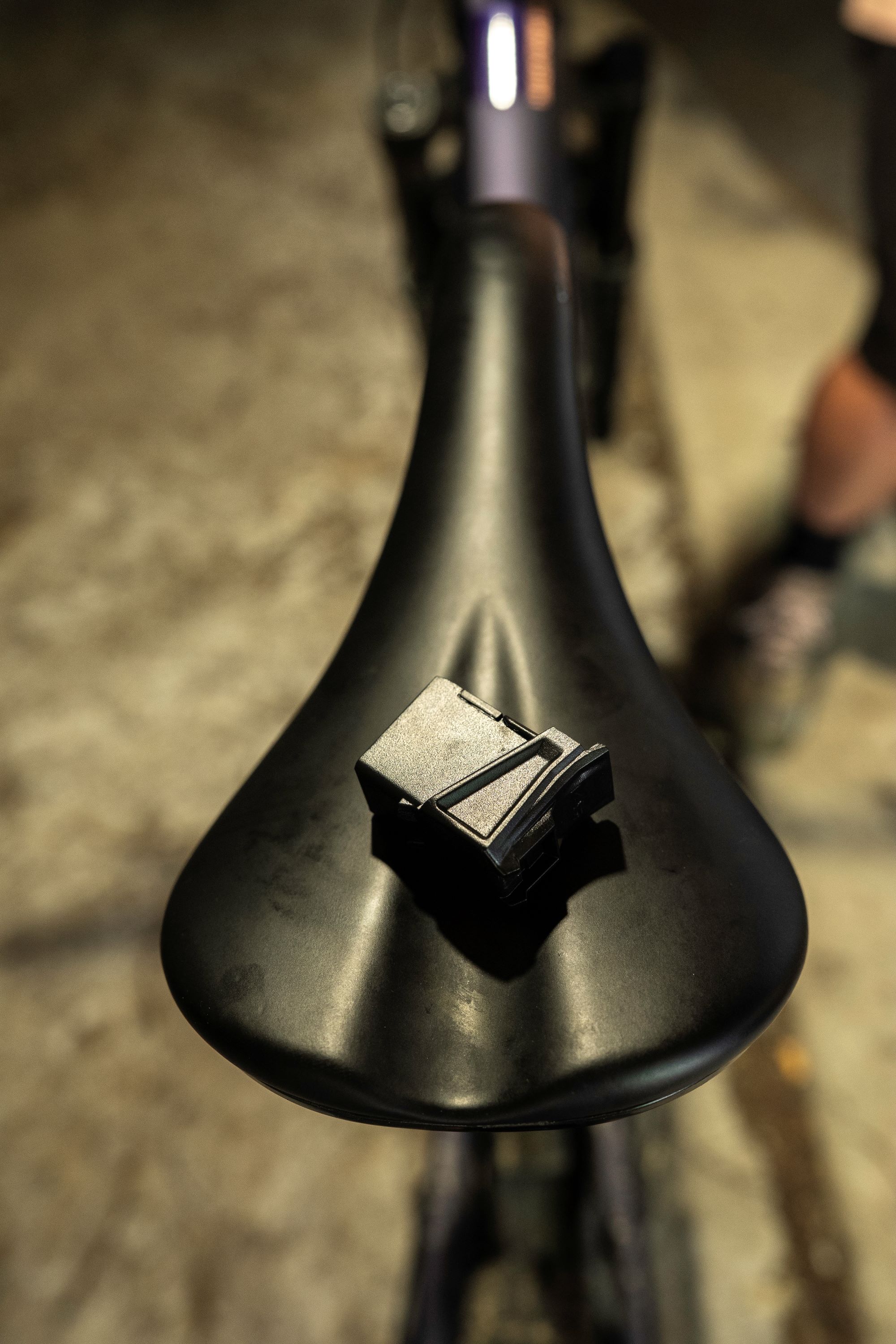
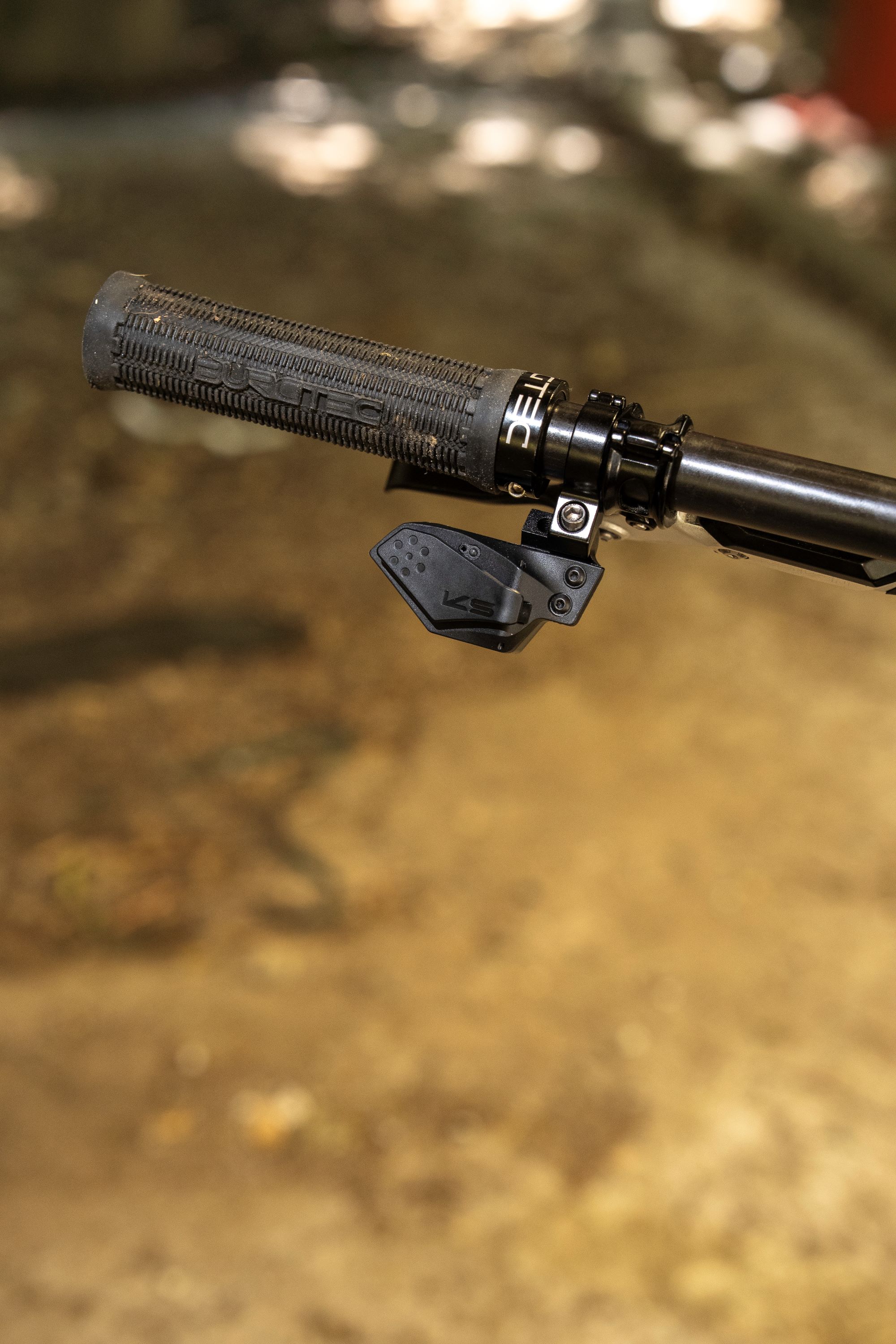
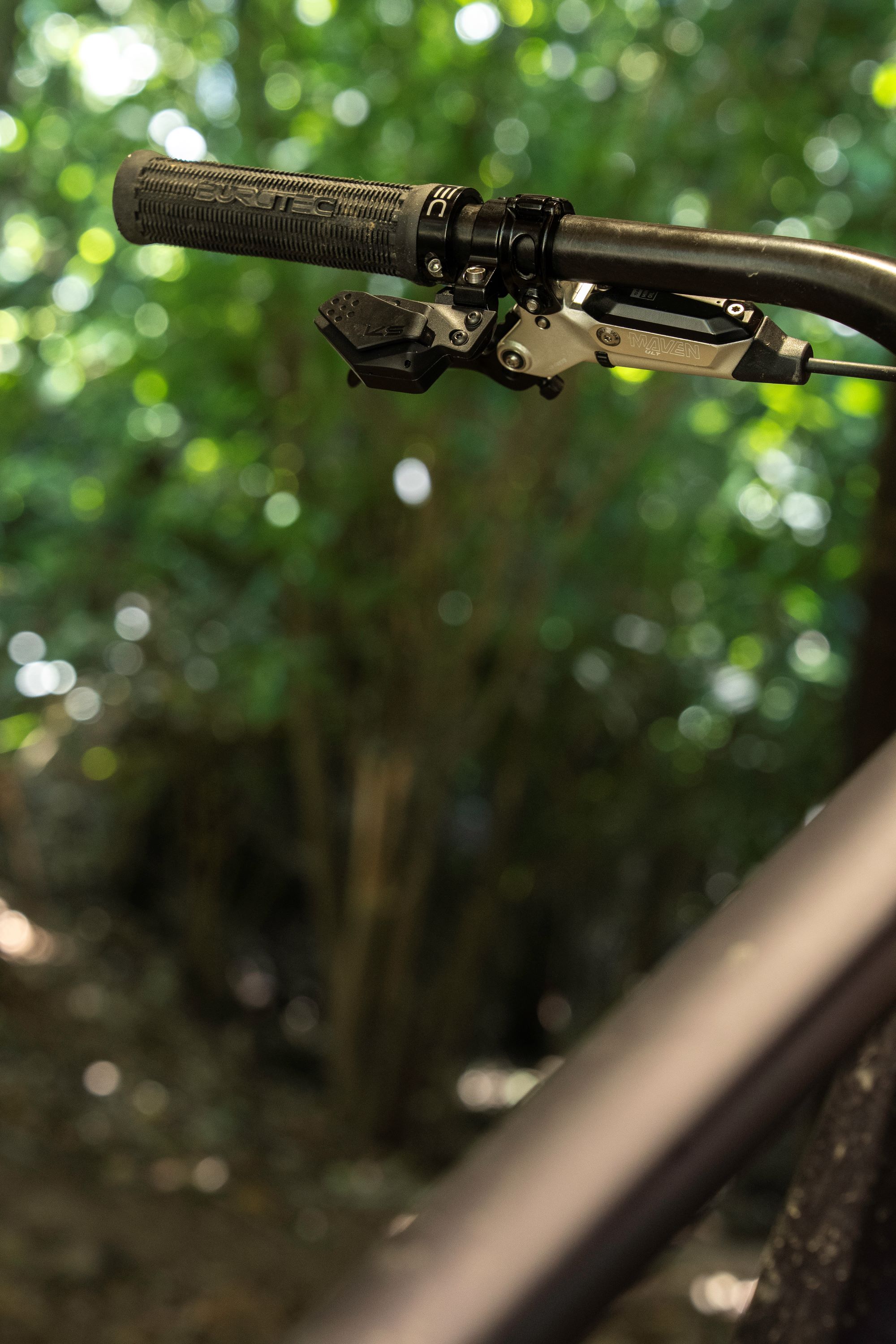
This setup is simple and hassle-free. There are no cables, housing, or internal routing, just the remote and the post. For me, the installation process was a real breeze. Drop the post in, clamp it down, attach the remote, and you’re all set. It took less than five minutes to complete. In contrast, wrestling internal cables through modern frames was a real pain. The entire setup took me about twenty minutes, and most of that time was spent adjusting the saddle height. The remote uses a standard CR2032 battery, which should last eight months or more, with an LED that flips when it’s time for a swap; the light changes from green to red. You can grab a spare battery from any dairy, petrol station, or supermarket if needed. I’ve had that happen a few times, so it’s worth having a spare and double-checking the battery life or having a spare stashed before you roll out. The post has a rechargeable battery that slots in conveniently. Everything you need is included in the box: remote, battery, charger.
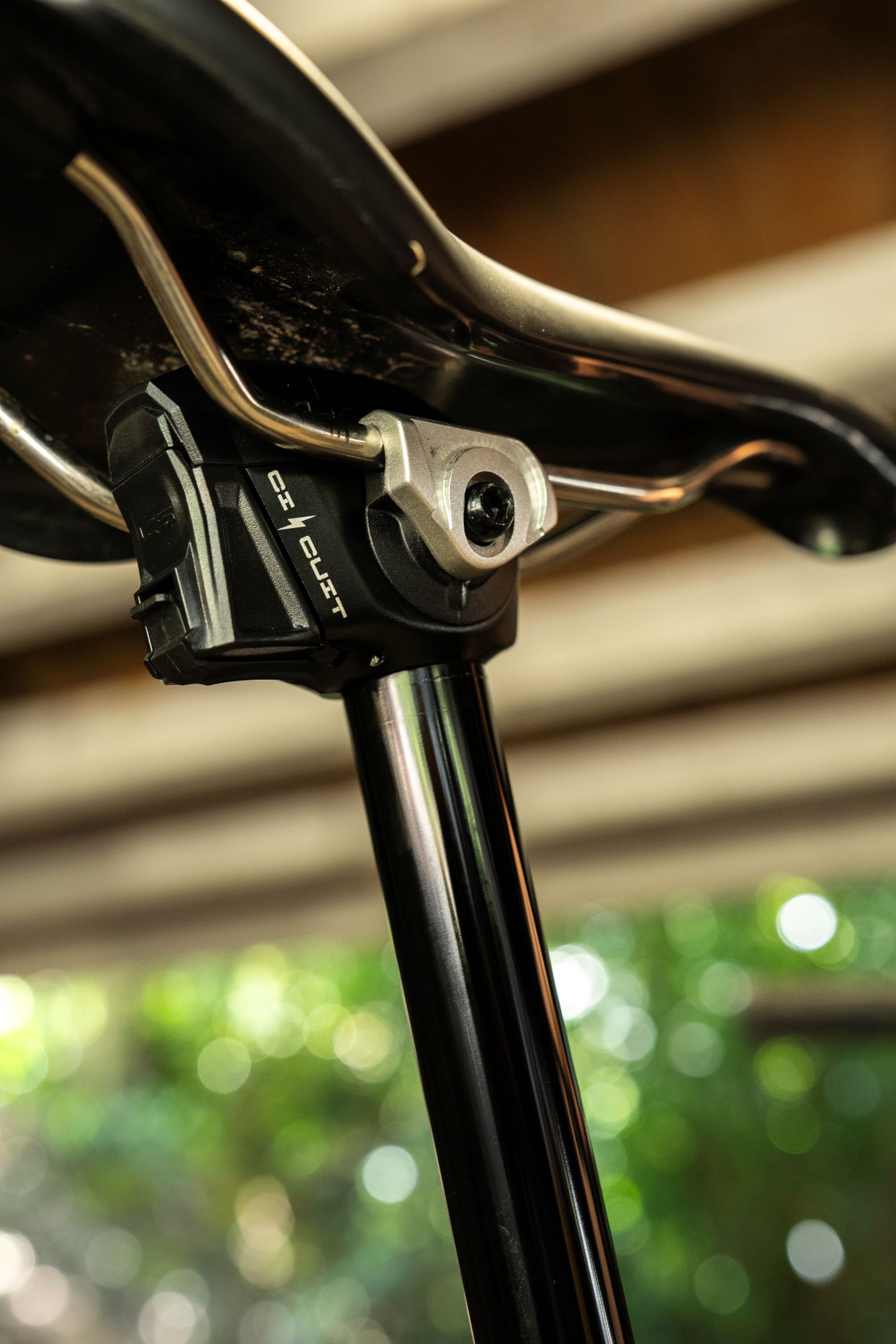
The KS Rage Circuit post is available in 30.9mm and 31.6mm versions, with travel options ranging from 120mm to 180mm. KS has thoughtfully considered modern geometry, ensuring that total post lengths should fit most frames without any issues. The Rage Circuit also uses the same wireless remote as its more expensive sibling, which employs KS’s proprietary 2.4GHz wireless communication system. Conveniently, the rechargeable 450mAh battery is stored behind the seat clamp, keeping things tidy. KS estimates that the post will run for up to eight weeks on a single charge under normal use, and it takes approximately 4.5 hours to top up with the included charger.
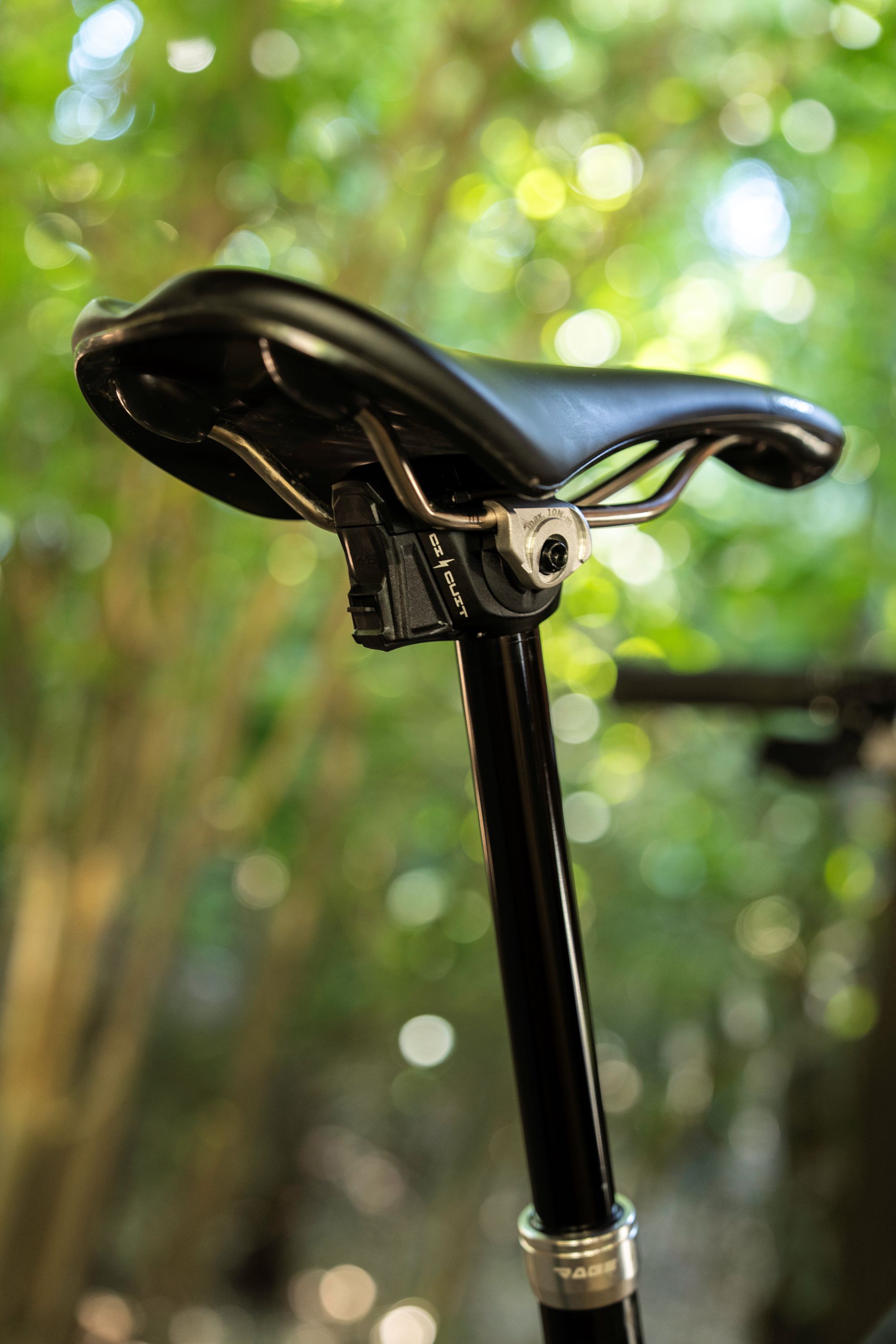
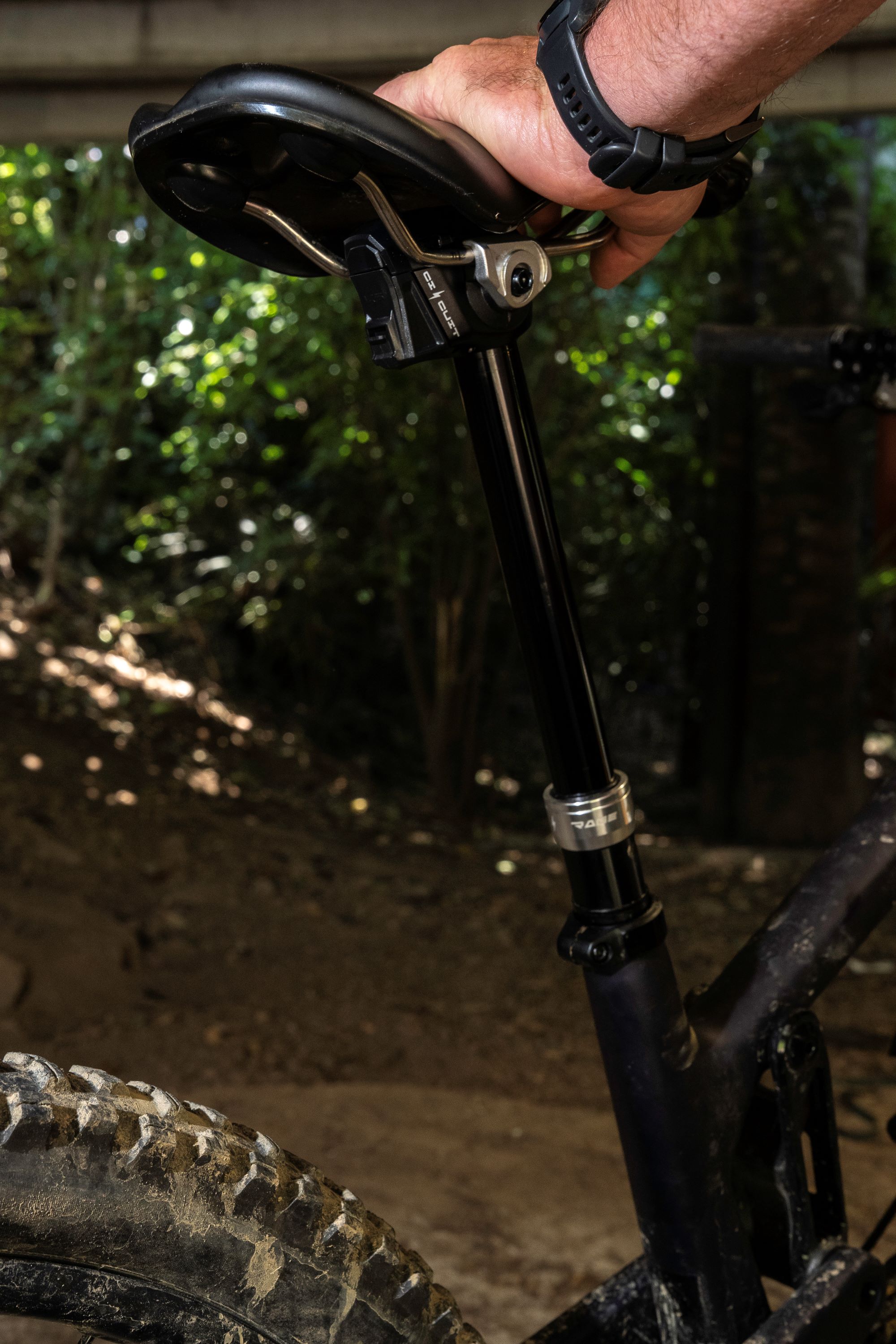
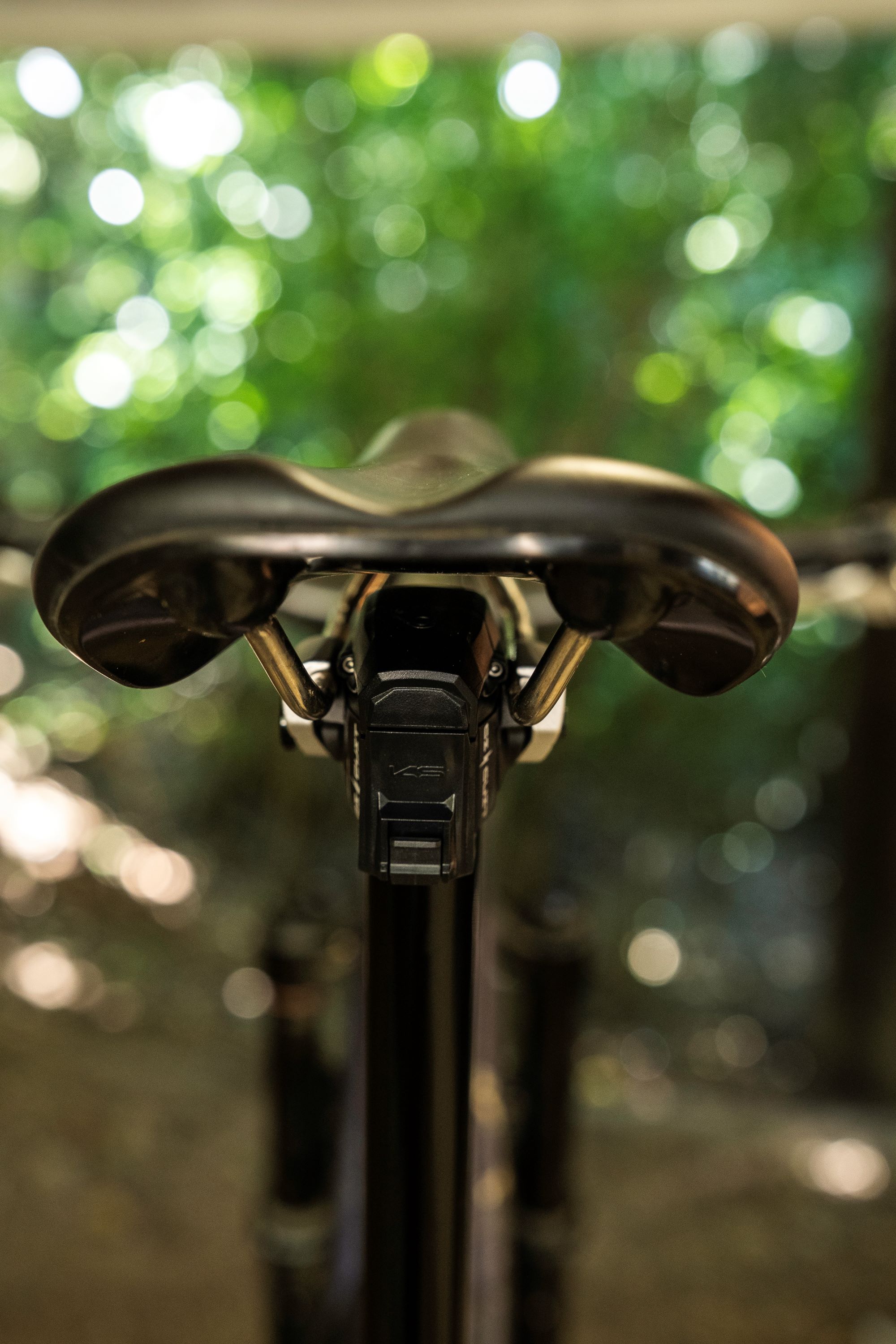
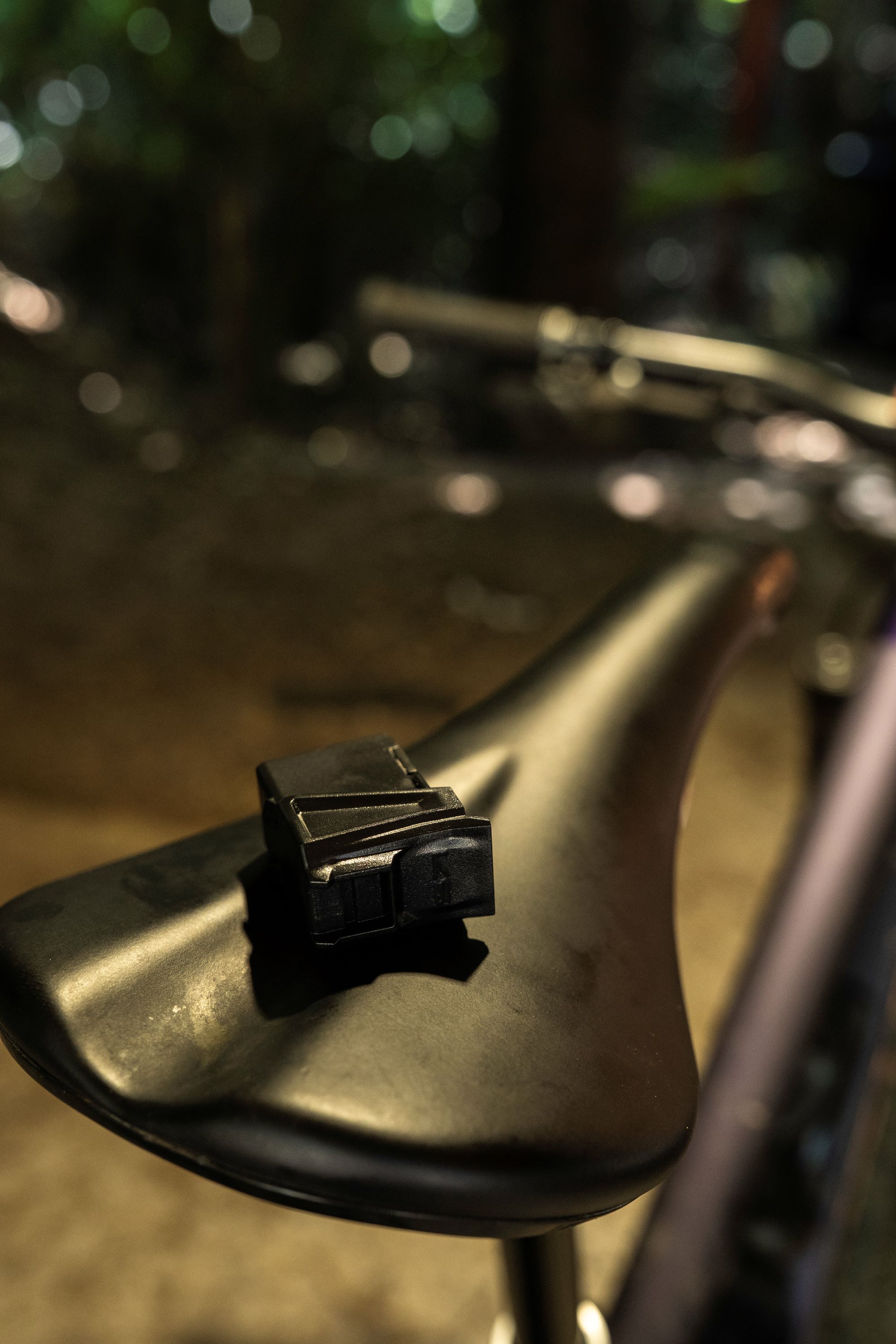
Now, let’s talk about how this post performs on the trail. The actuation is incredibly smooth and light. There’s an almost effortless sensation as the post drops when you press the remote button while weighted on the saddle. It doesn’t resist at all. I’ve been using wireless dropper posts for several years and highly recommend them.
During a recent test bike, I actually forgot about how much more I use the electronic version compared to the mechanical. Put simply, you press the button, and the post drops. It’s that straightforward, and after a few rides, you stop thinking about it entirely. The remote lever itself is large and easy to reach, with a very quick response time. The amount of force required is fairly light, and the post slides smoothly out of the way without much effort. The post is also built tough. An IP67 rating means it’s dust-tight and properly water-resistant.Precision keyways keep everything stable with virtually no play. This is something I’ve been checking for religiously, and so far, there’s been nothing to report. No slop, no wiggle, just solid performance.
The Rage Circuit has some downsides. The return speed is average, neither sluggish nor lightning-quick. When it’s time to raise the seat for a climb, hold down the remote to return it to full extension. The Circuit is a little less eager to fully extend. Of course, not everyone wants a super-speedy post, and I wouldn’t call the Rage Circuit slow at all–it’s just not the fastest out there. If you’re coming from a post that rockets back to full extension, you might notice the difference. But wouldn’t have any issues coming from a cable actuated post. It gets the job done, just not with any particular flair. The remote could be a little better. Don’t get me wrong, it’s functional and does what it’s meant to do, but the construction feels a touch flimsy. It’s not that it’s going to fall apart on you. The button action is fine, and the ergonomics are decent, but the overall build quality lacks a touch.
The price is bloody good value for a wireless dropper post and perhaps one of the cheapest out there. In saying that, wireless convenience does come at a cost, however. If you’re building up a new bike or already running wireless shifting, the Rage Circuit makes more sense. But if you’re thinking about replacing a perfectly good mechanical dropper, you’ll need to really value that cable-free experience. One thing worth mentioning is the serviceability. KS has a decent reputation for support. The post uses their proven hydraulic valve design, which sits at the top of the unit. The cartridge is easy to replace should the need arise. While time will tell how long-term this holds up, the company has a solid track record with products, so I would back them.
After several months of riding, the Rage Circuit has been rock solid. The connection between remote and dropper never drops signal or acts up. The actuation remains smooth and consistent, and the post hasn’t developed any play or quirks. It just works, which is exactly what you want from a dropper. KS has delivered an impressive wireless dropper here. The
smooth action alone is worth noting, and the battery life means you’re not constantly worrying about charging. Believe me, this can suck and ruin your riding experience. Installation is straightforward, and the performance has been reliable. For riders who value smooth, light actuation and don’t want to deal with cables, this post could be a good option. If you’re in the market for a wireless dropper and want something that feels effortless to use, the Rage Circuit deserves serious consideration. When you’re out on the trail, pressing that button and getting the saddle to drop away without any resistance, you’ll improve your riding experience.