Words Justin Henehan
Images Mikhail Huggins
RRP $12,288
Distributor Revel Bikes

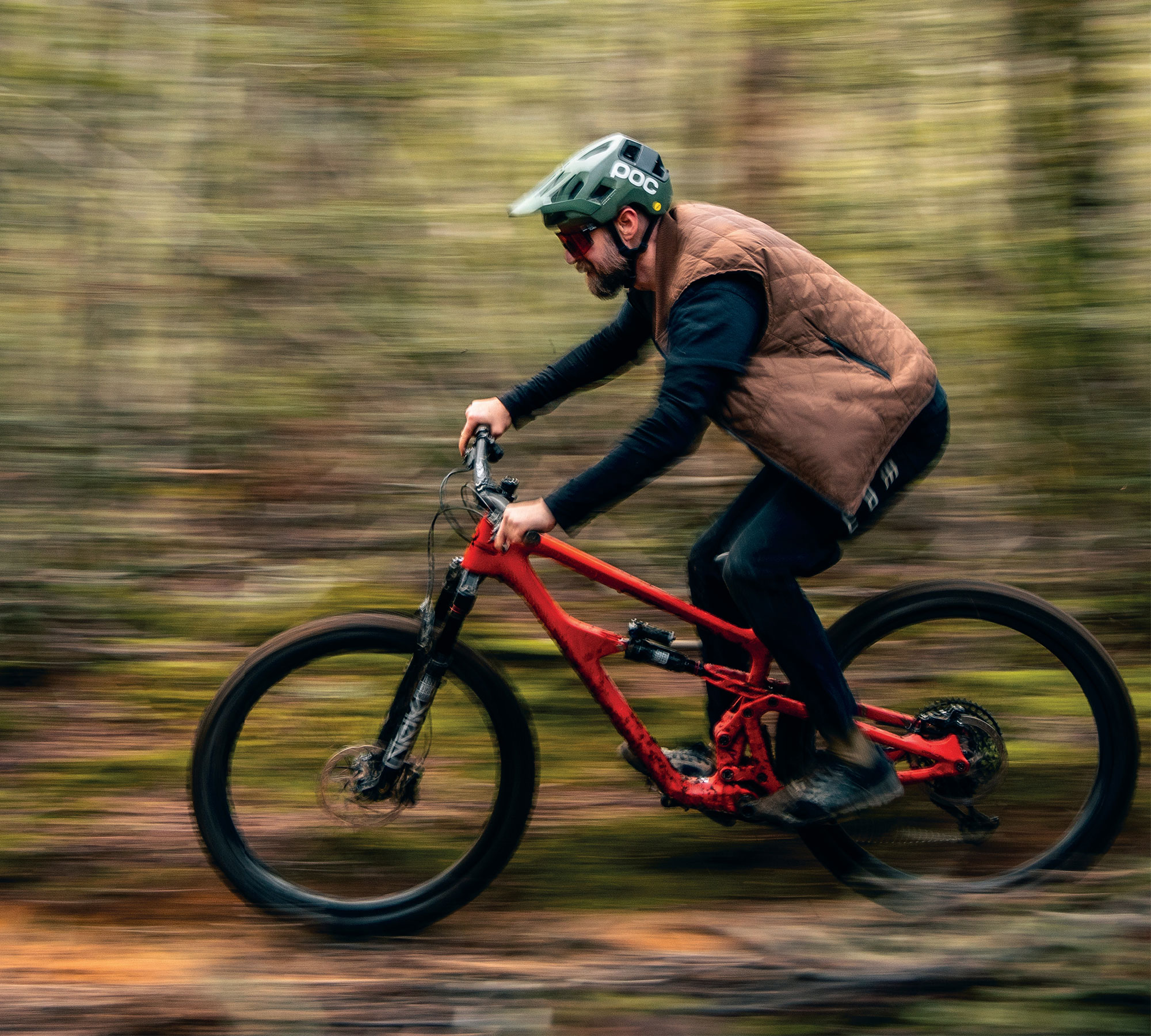
A spring in its step, the Revel Rascal is a rewarding ride for trail dissectors.
Revel Bikes has not been a strong presence in New Zealand… until now.
Since its 2019 inception, the company has been through a redemption arc plotted by owner Adam Miller’s sale of the brand to a private equity firm in 2021, its April 2025 shutdown, and then Miller buying back the business a month later.
Since then, Miller sought to take the brand back to its roots, making Revel leaner, more sustainable and more rider focused. He moved the company from the fittingly named Carbondale, in Colorado, to the aspirational-sounding Golden, also in Colorado, so it could be nearer main centres and the brand’s network of suppliers and customers.
Despite its short and turbulent history, Revel has built a strong following in America with a core range of bikes built around the Canfield Balanced Formula suspension system. Now, Miller is pushing the brand beyond the States, into Aotearoa, offering direct shipping to New Zealand. While you may not have seen many Revels on the trails here yet, you should expect to soon.
Details
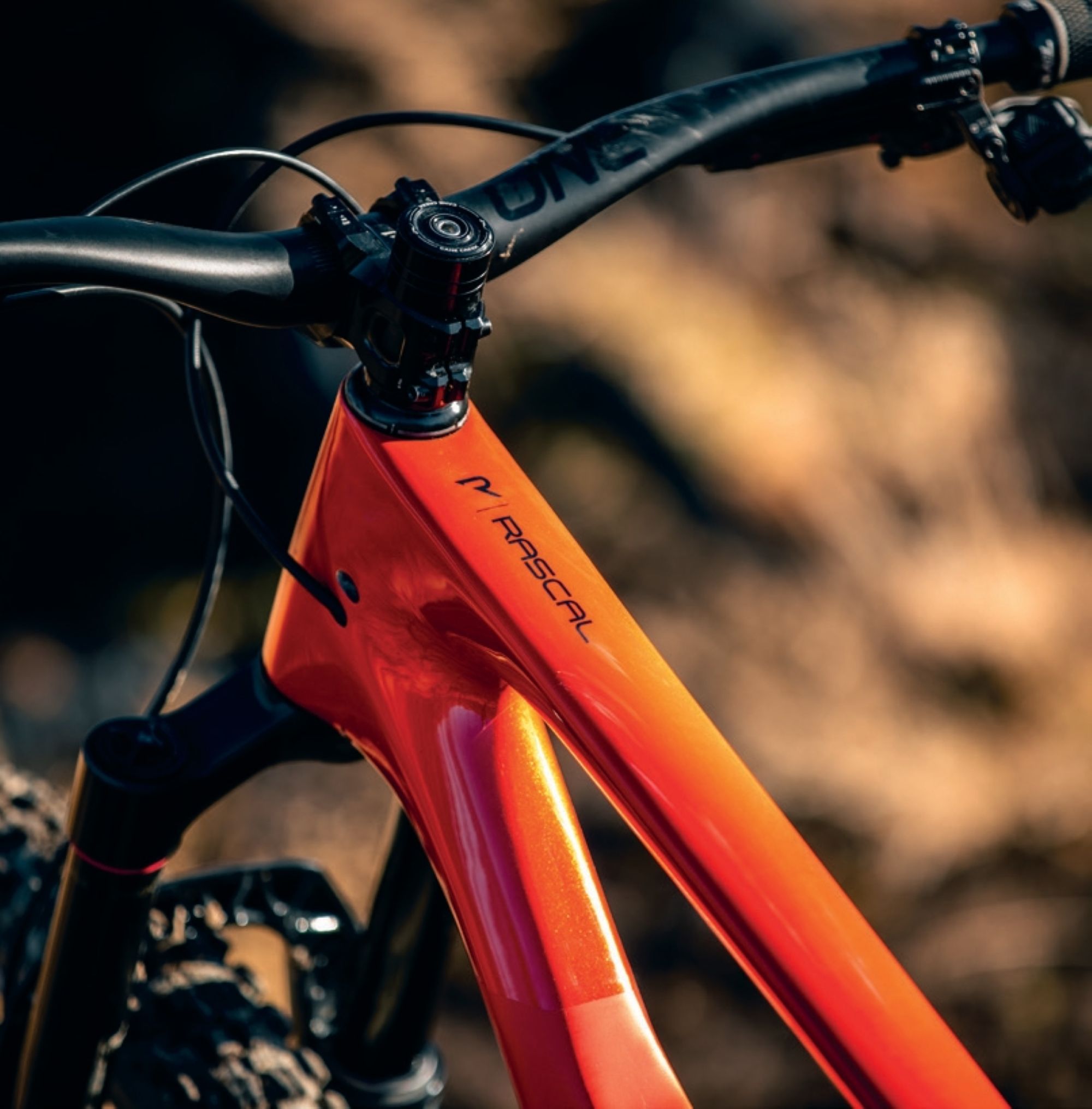
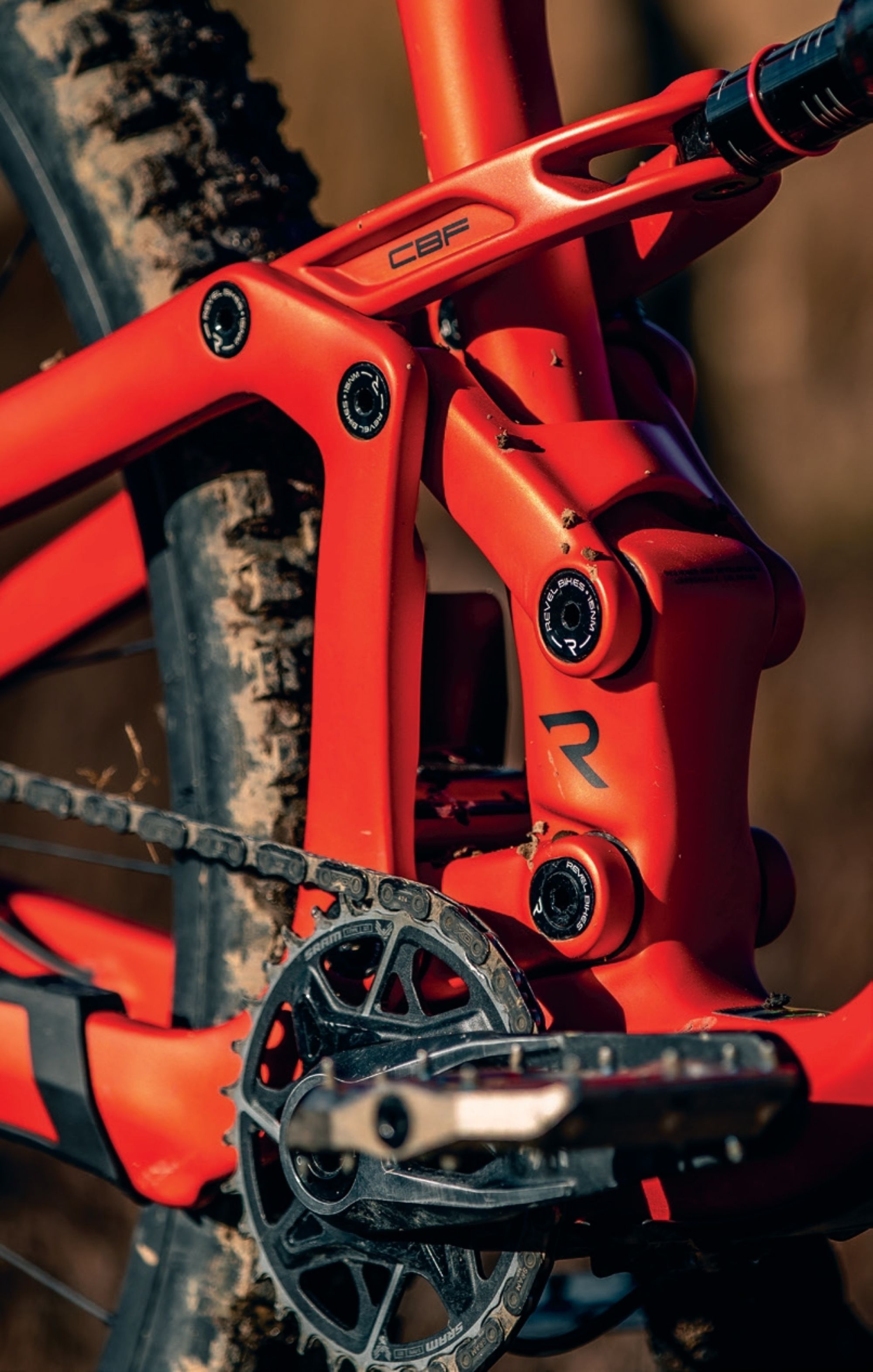
With 130mm travel out back, and 150mm up front, the Rascal is Revel’s out-and-out trail-bike. Like all Revels, the Rascal uses the Canfield Balanced Formula suspension platform, which drives the damper via two co-rotating links. Revel also adds a clevis link to the mix, presumably to help isolate the rear shock from torsional loads and tune the leverage ratio.
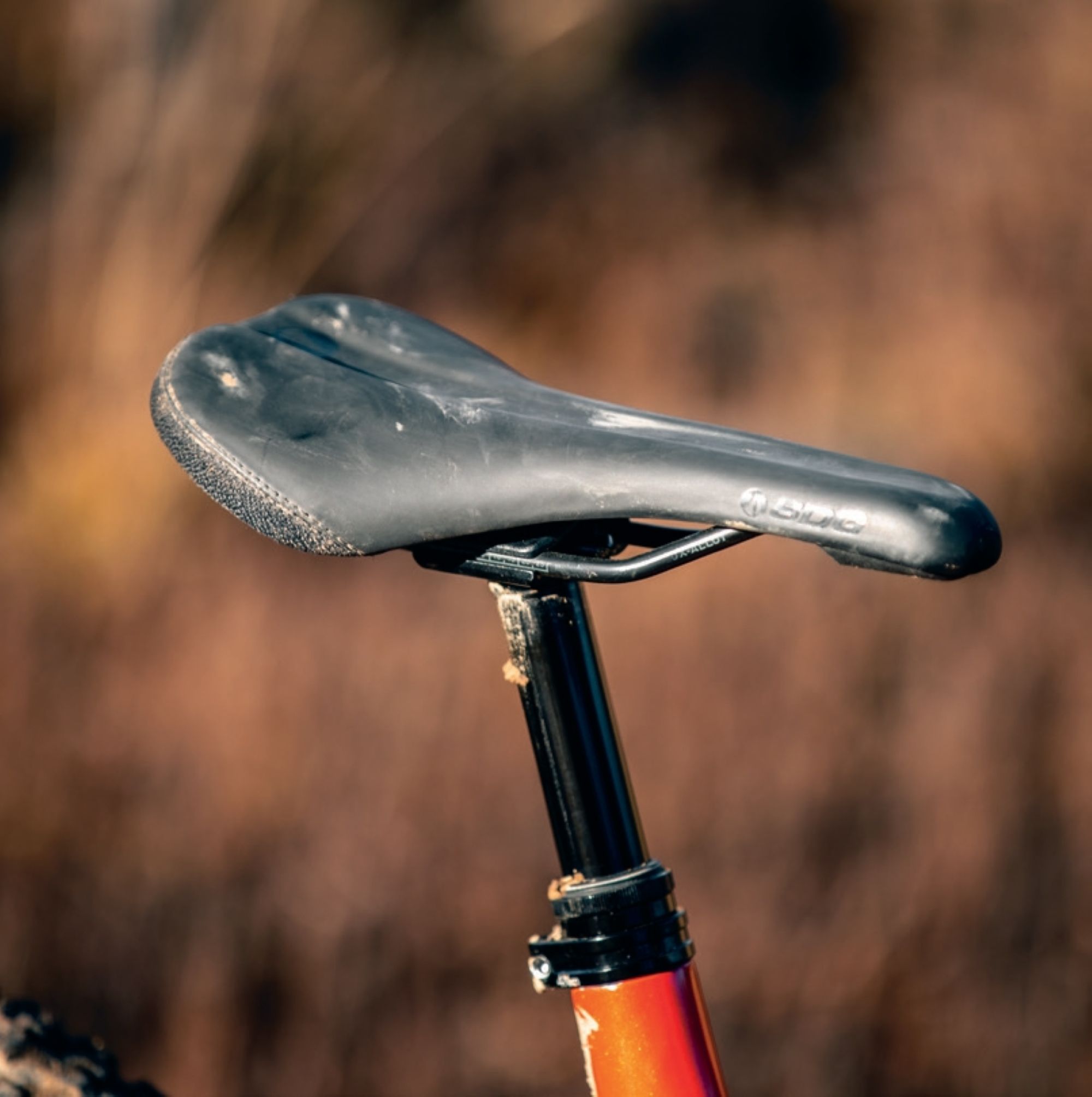
There’s nothing fussy or unnecessary about the Rascal, it’s a clean, lean riding machine. The frame is carbon through-and-through, from its front and rear triangles to its shapely linkages. Sporting two water bottle mounts, the Rascal has a threaded bottom bracket, internally guided cables, SRAM UDH, a dropset-style headset, but no internal storage compartment, no headset routing, and no geometry adjustments. The cable routing is tidy and simple, although the rear-brake line is a little exposed to damage where it exits the front triangle below the bottom bracket and disappears into the chainstays.
Revel’s commitment to the CBF suspension platform is admirable in an era when all bikes seem to be converging on the Horst-link layout. But, like all designs, CBF has its strengths and weaknesses, depending on your preferences.
Anti-squat and anti-rise levels on the Rascal are at the higher end of the spectrum. Anti-squat at sag sits at 120 per cent, falling to around 90 per cent at full travel. This should create a slight extension of the suspension under power and a very firm feel at the pedals. Anti-rise is about 100 per cent at sag falling to 90 per cent at full travel, which will make the suspension squat slightly under braking, preserving the geometry well, particularly on steeper sections of trail. At 21 per cent, the Rascal is moderately progressive and will work well with air shocks and coil shocks with hydraulic-bottom-out control.
The Rascal’s geometry is fairly standard for a trail bike, with a 65-degree head-tube angle (150mm fork), 76-degree seat tube, and reach numbers ranging from 431mm for size small through to 528mm on the XXL. The only outlier is chainstay length, which is 436mm across all sizes – taller riders take note.
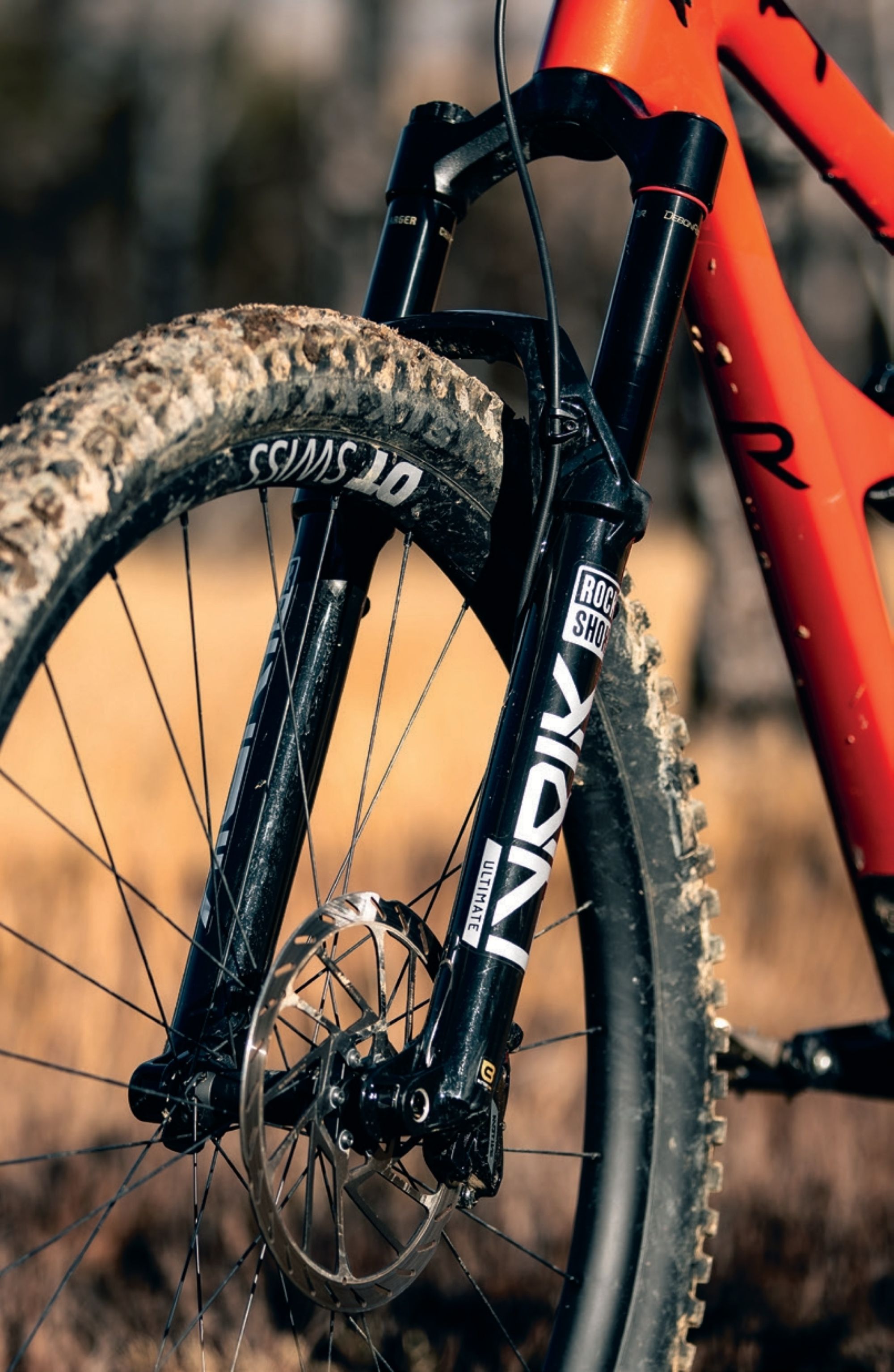
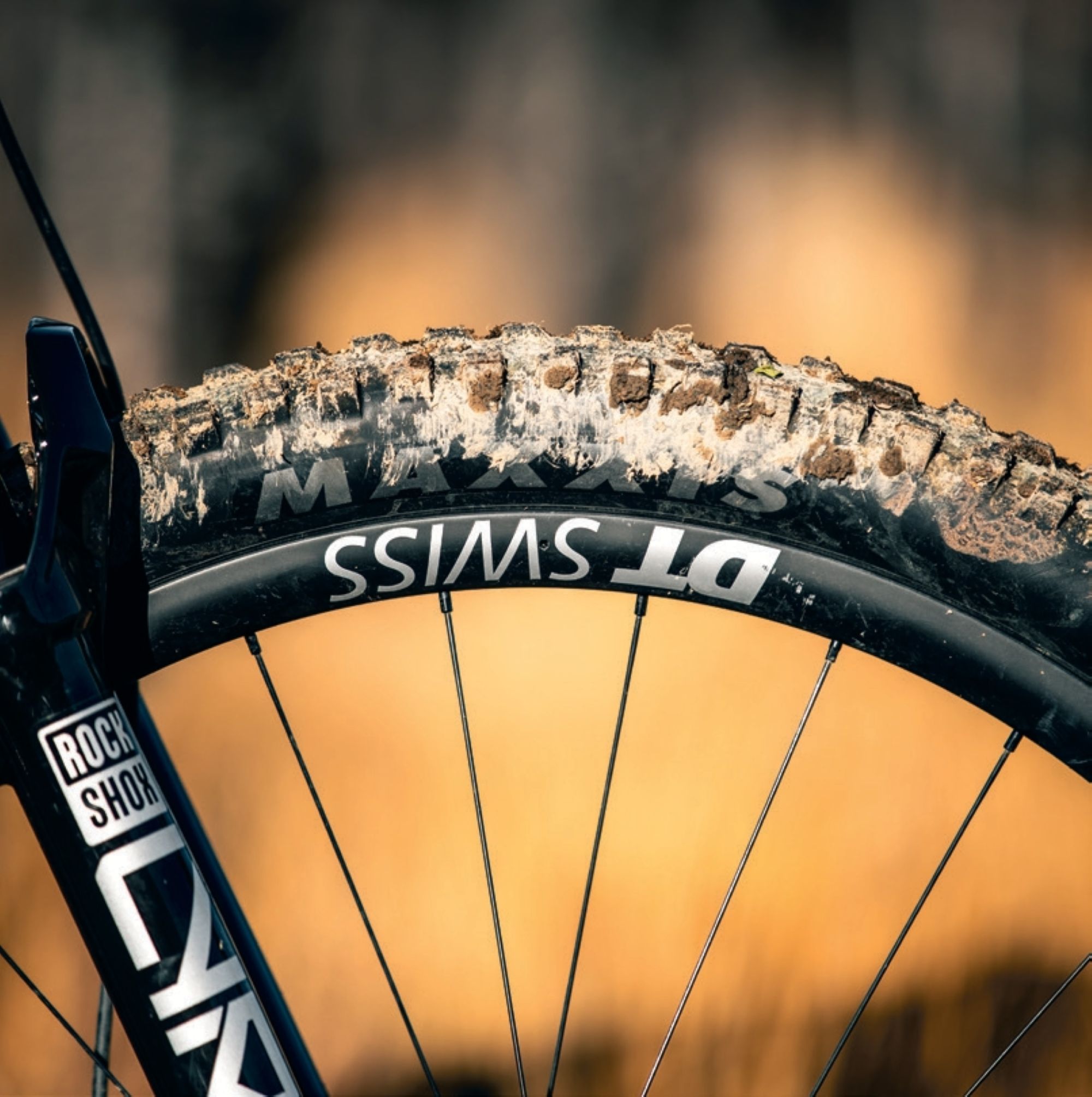
The parts Revel chose for the Rascal are what you’d expect for a bike in this class, with a RockShox Lyrik Ultimate fork and Super Deluxe shock across all builds. The main price point differentiator is groupsets, with the most expensive build getting SRAM XX Transmission and the cheapest receiving the cable-actuated Eagle 90 Transmission. The only unusual part of the build is the tyres – the classic enduro/ all-mountain combo of a Maxxis DHF and DHR in EXO+ and Double Down is a heavy-hitting and slow rolling choice for a trail bike. I’d rather have a slightly faster option like the new Maxxis Dissector for a bike like the Rascal.
Climbing
I decided not to look at any information at all before my first ride on the Rascal: no reviews, no marketing, no graphs. I wanted a purely vibes-based first impression.
The first thing I noticed? This bike pedals well … really, really well. The Rascal is exceptionally good at transmitting power into the contact patch. Even with the draggy enduro-bike tyres, it surges along with minimal effort.
Looking down at the shock, there’s very little energy lost to the suspension system when pedalling. Not only is the climb switch redundant on this bike, I’d go as far as to say it detracts from the climbing experience by robbing the bike of grip. On the Rascal, the juice of a locked-out shock just isn’t worth the squeeze.
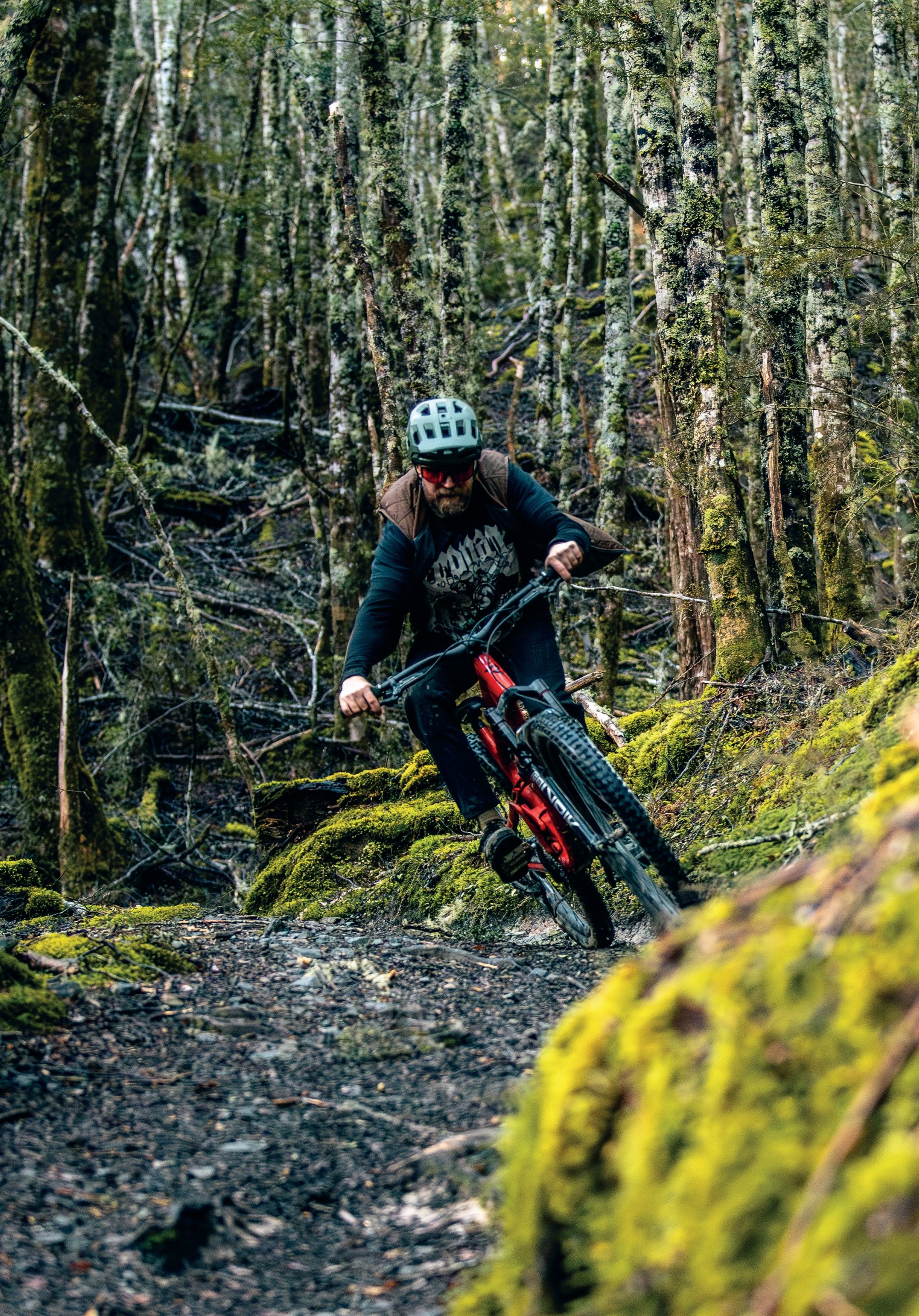
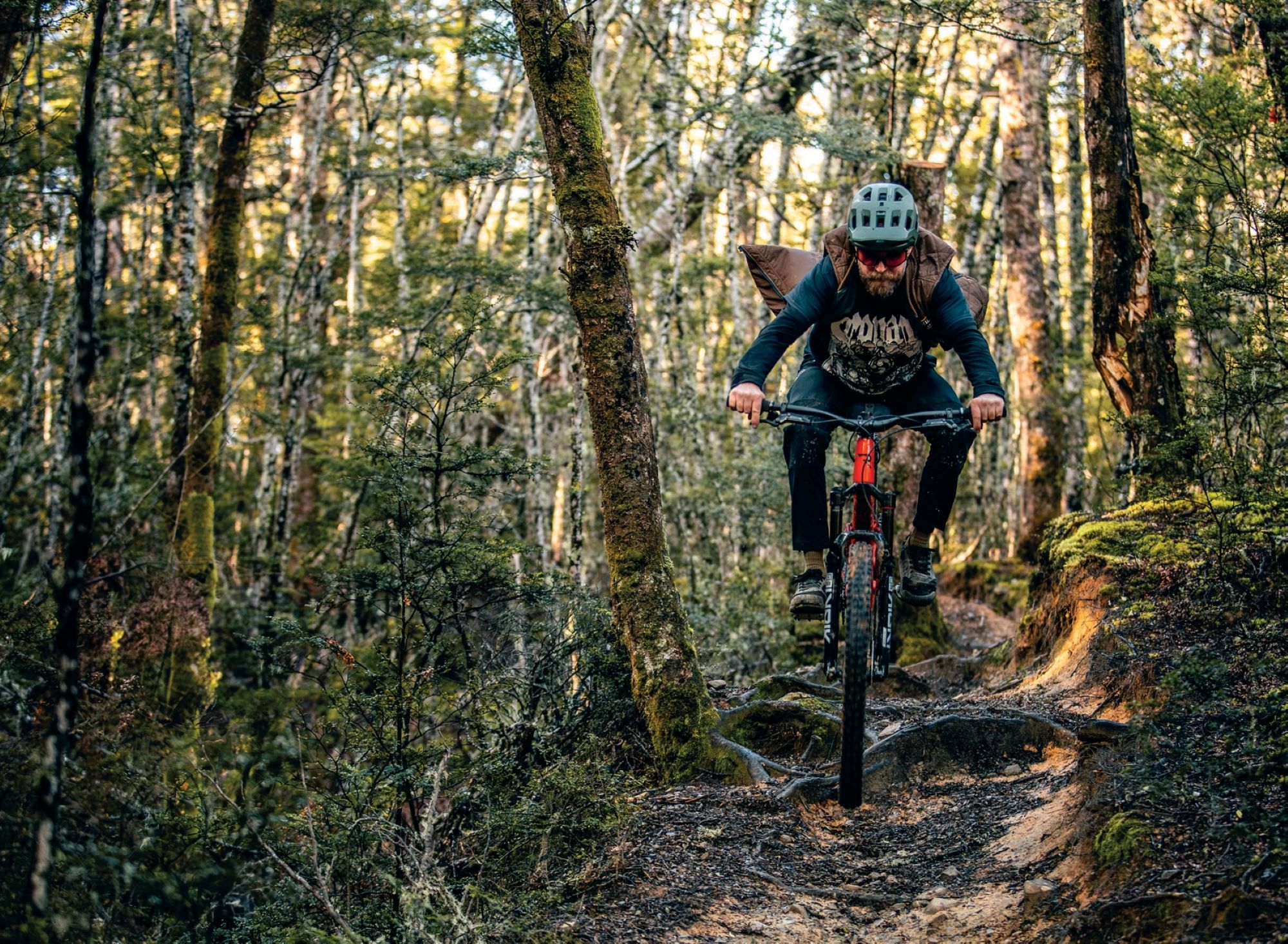
The track I used for testing had a number of tricky root sections – some stepped, some angled, some arrayed in Jackson Pollock-like scatters. On sections like these, the Rascal climbs best when attacking – pick your line, put the power down, and the Rascal will caper up with a spring in its step.
Squinting at the numbers shows why the Rascal climbs with so much energy — anti-squat starts at a whopping 140 per cent, dropping to about 120 per cent at sag, only falling below 100 per cent past the 100mm-travel mark.
As a result, you can feel the tyre pushing into the dirt with each pedal stroke on the Rascal. With that comes a more than ordinary amount of pedal kickback, but not so much that I couldn’t manage balance and traction. In certain situations, the anti-squat felt like it was generating grip as the linkage extended slightly to drive the contact patch into the ground.
Climbing technical trails on this bike requires a slightly different technique, one that favours a more attacking style. It’s a very different feel to the Forbidden Druid V2, which combines a rearward axle path and very low pedal kickback. Where the Druid likes to crawl up and over obstacles, the Rascal prefers you to use power, momentum and precision. It’s a bike that clearly tells you what the wheel is doing, allowing you to coax the rear wheel through technical terrain.
Conclusion
Where bikes such as the Forbidden Druid V2 and Norco Fluid feel like little bikes with big- bike energy, the Revel Rascal knows exactly what it does well: it’ll get you to the trailhead fast, tell you what’s happening at the wheels, and reward you for riding well. It’ll go fast when the trail is smooth and is incredibly engaging on technical trails where speeds are lower. It’s a bike that demands full focus, an analytical approach, and an active riding style.
The Rascal feels like it could suit two different ends of the trail-bike spectrum. At one end, the rider who wants a light bike that pedals extremely well could swap out the tyres for something faster rolling and add some svelte suspension. At the other, a burlier fork and a higher volume shock would push it more into the light-enduro category. As it stands, the Rascal is a great all rounder that sits more at the light and efficient end of the trail bike curve.
It’s a bike for big days on the pedals, attacking technical climbs, and puzzle-solving at speed on the descents. The Rascal is a high-energy, high-engagement, high-functioning machine that gives back what you put in to deliver an incredibly rewarding experience.
Pros
Incredible pedaler
Engaging to ride
Rewards an active and analytical riding style
Cons
Chainstays may feel short to taller riders
Tight tyre clearance
Brake cable routing exposed to damage