Oli Clark - King of the Hill
Words Riley McLay
Images Riley McLay, Sven Martin & Cameron Mackenzie
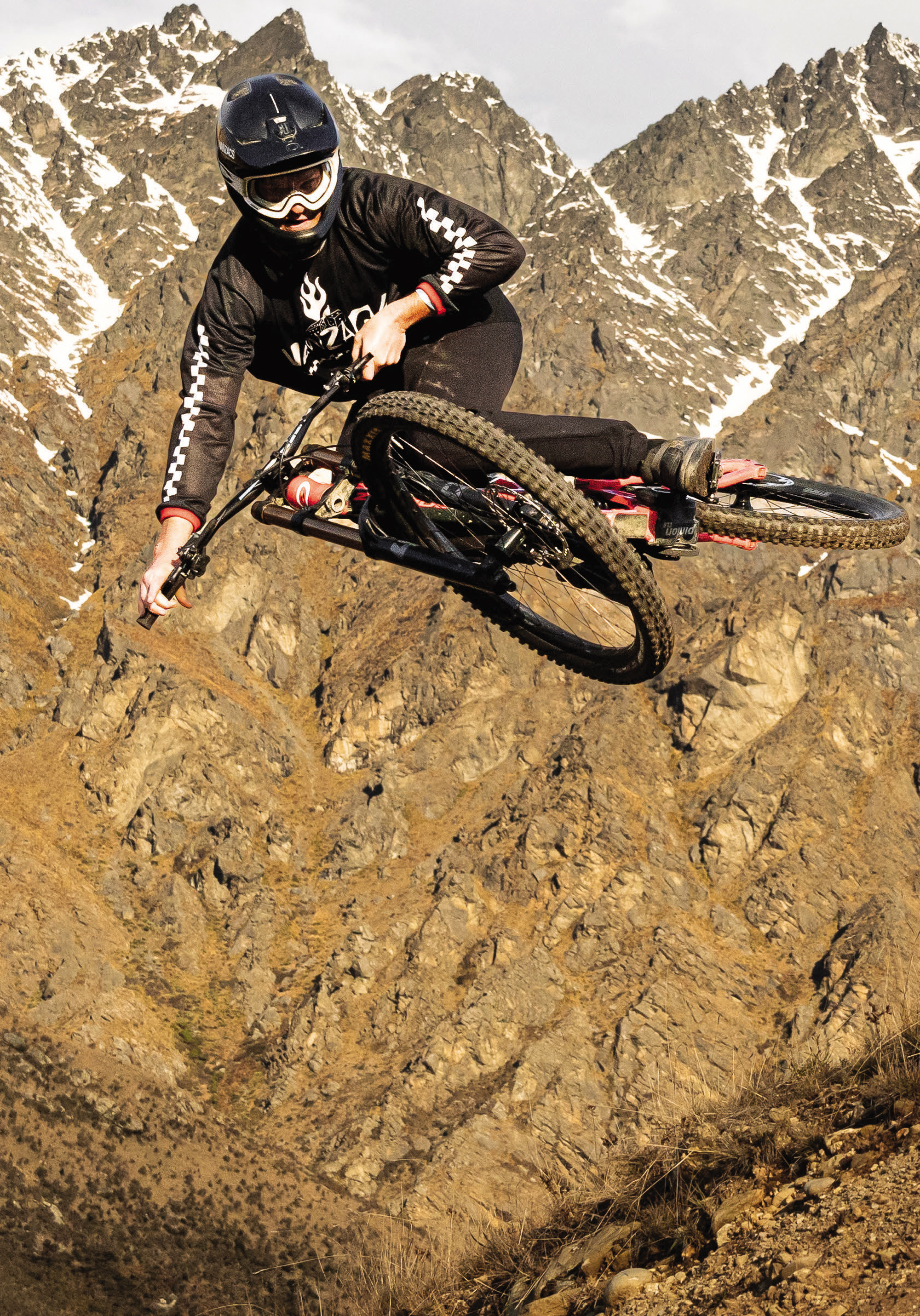
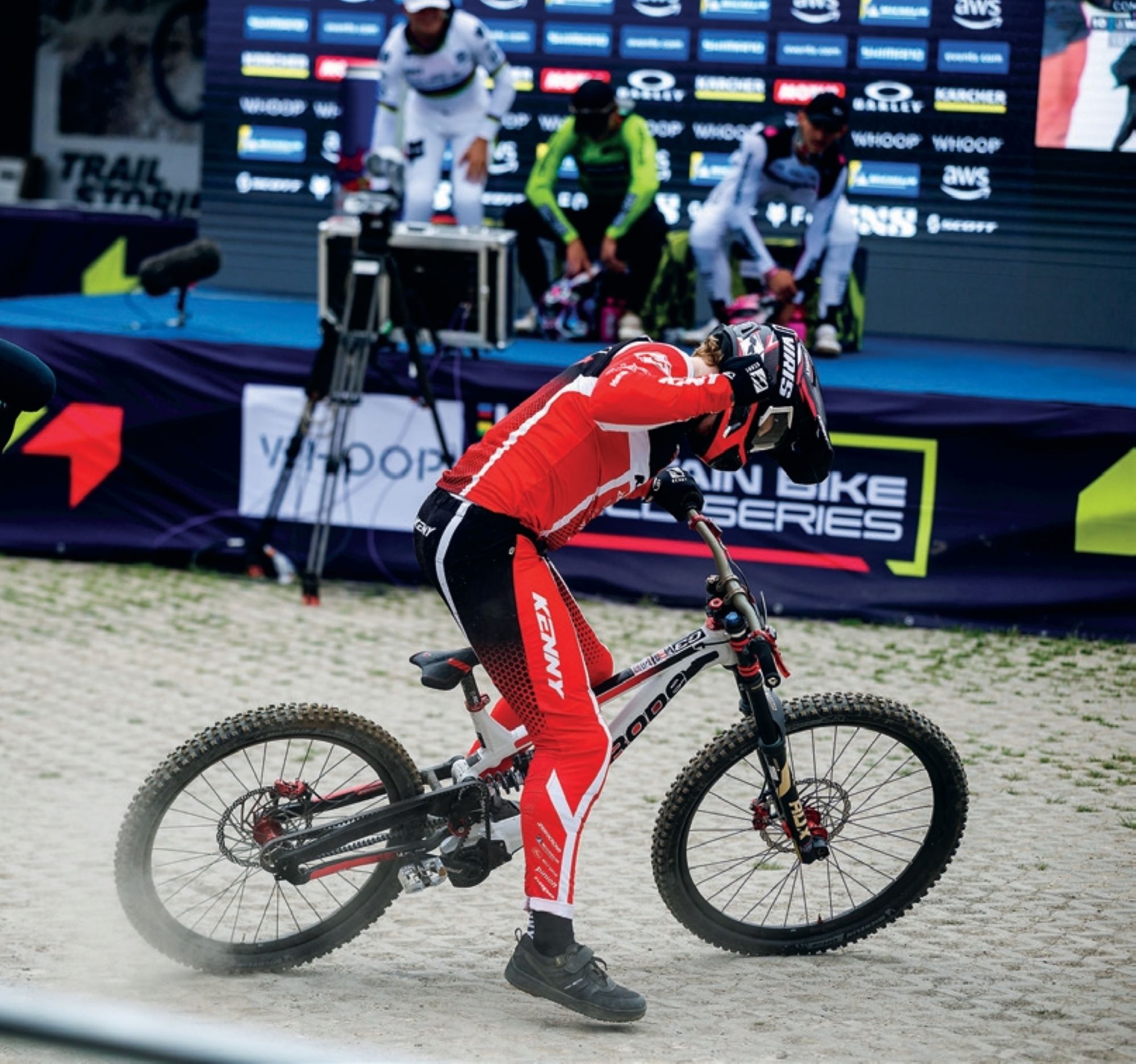
The pointy end of World Cup downhill racing just got a whole lot pointier! Arguably, the most talented class of male junior riders ever is graduating to the elite ranks in 2026. Among them, Kiwi Oli Clark, who will be on a mission to establish himself as a consistent contender for the podium for years to come.
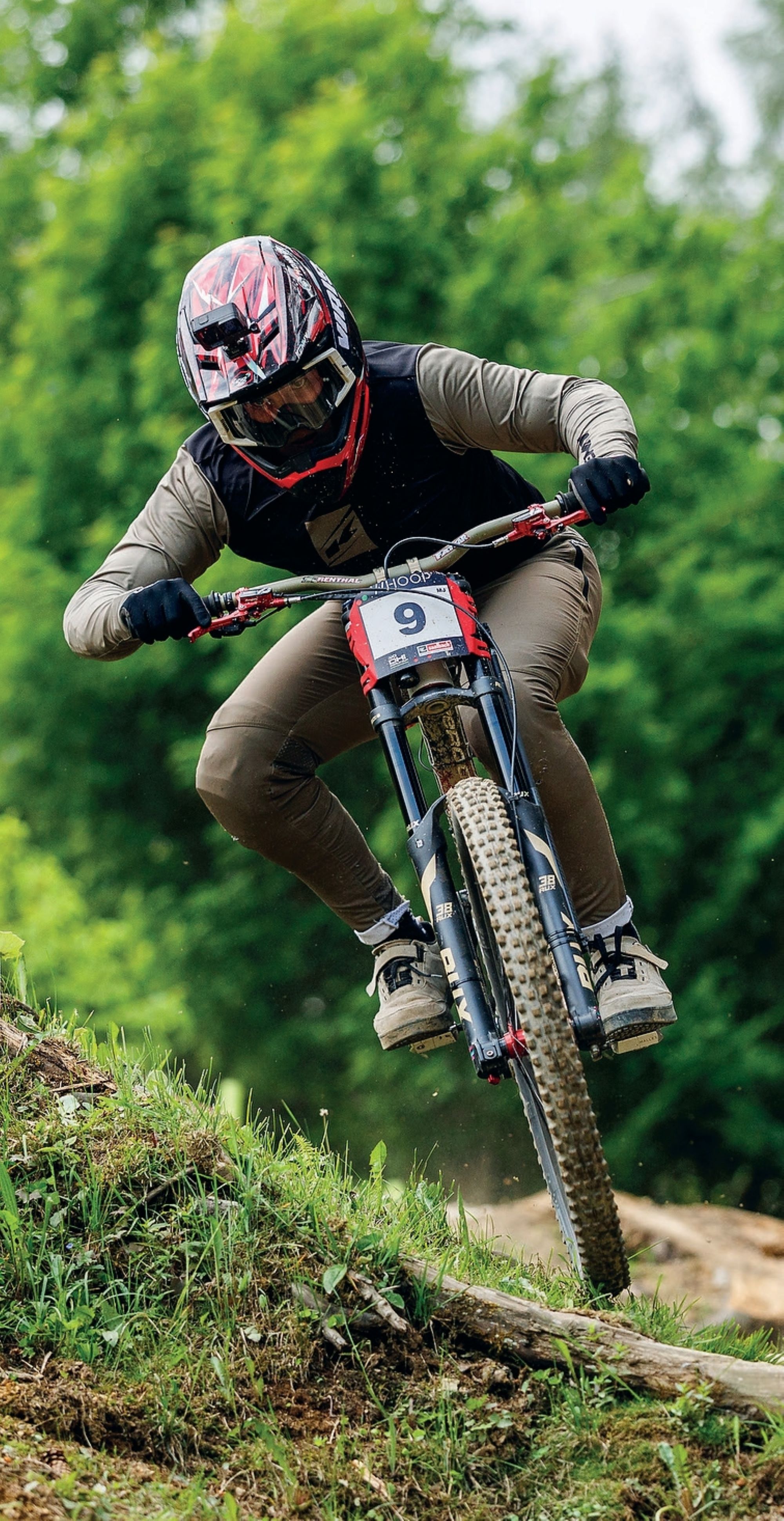
2025 was a breakout year for Oli, highlighted by his first World Cup win at Leogang and a string of impressive results, including a 4th at the World Championships, 6th overall in the junior standings, as well as two strong showings at both Red Bull Hardline Wales and Tasmania.
Despite the inevitable ups and downs of downhill racing, Oli has already built a strong foundation for success at such a young age, along with a grounded perspective to his racing.
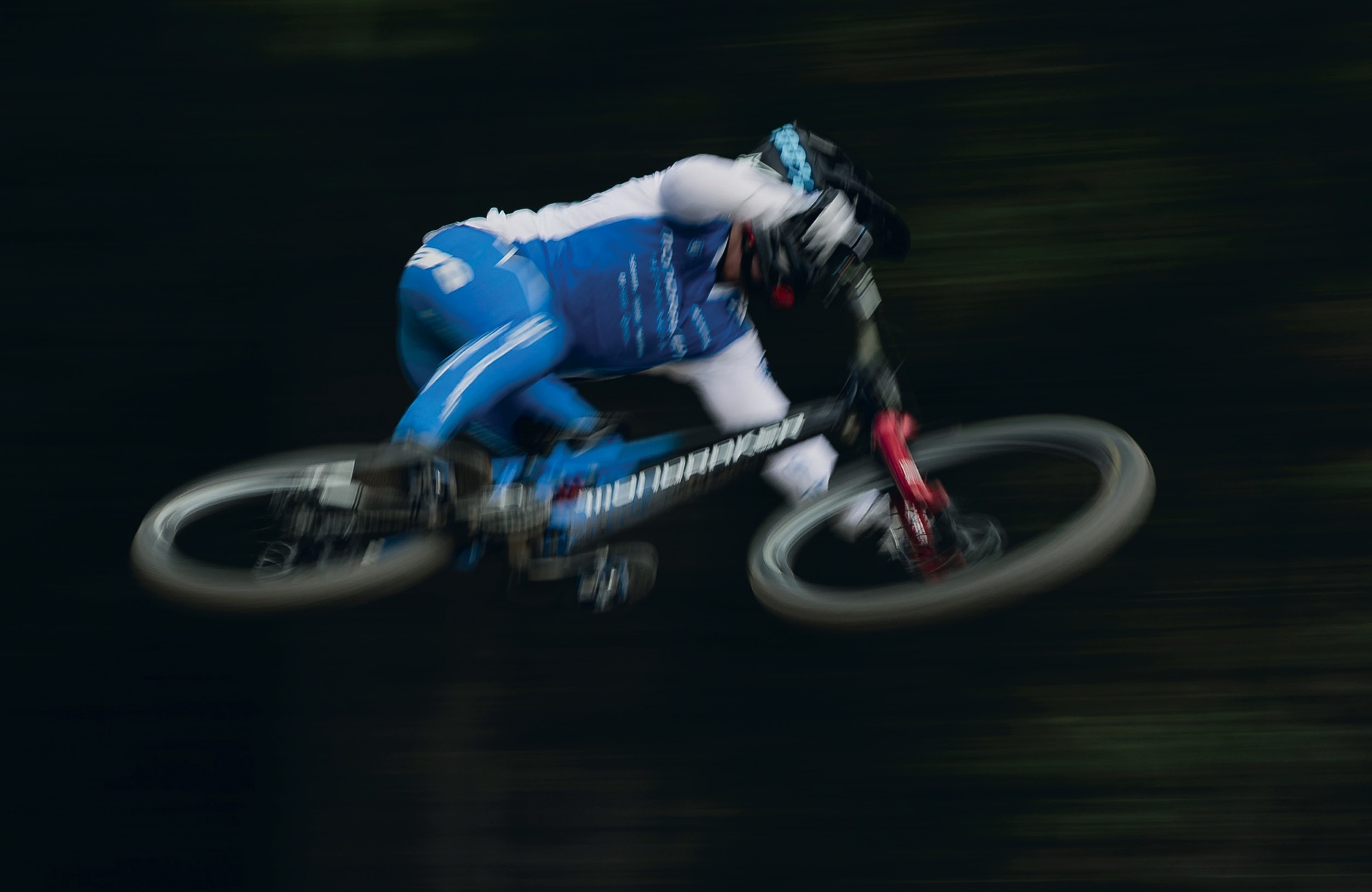
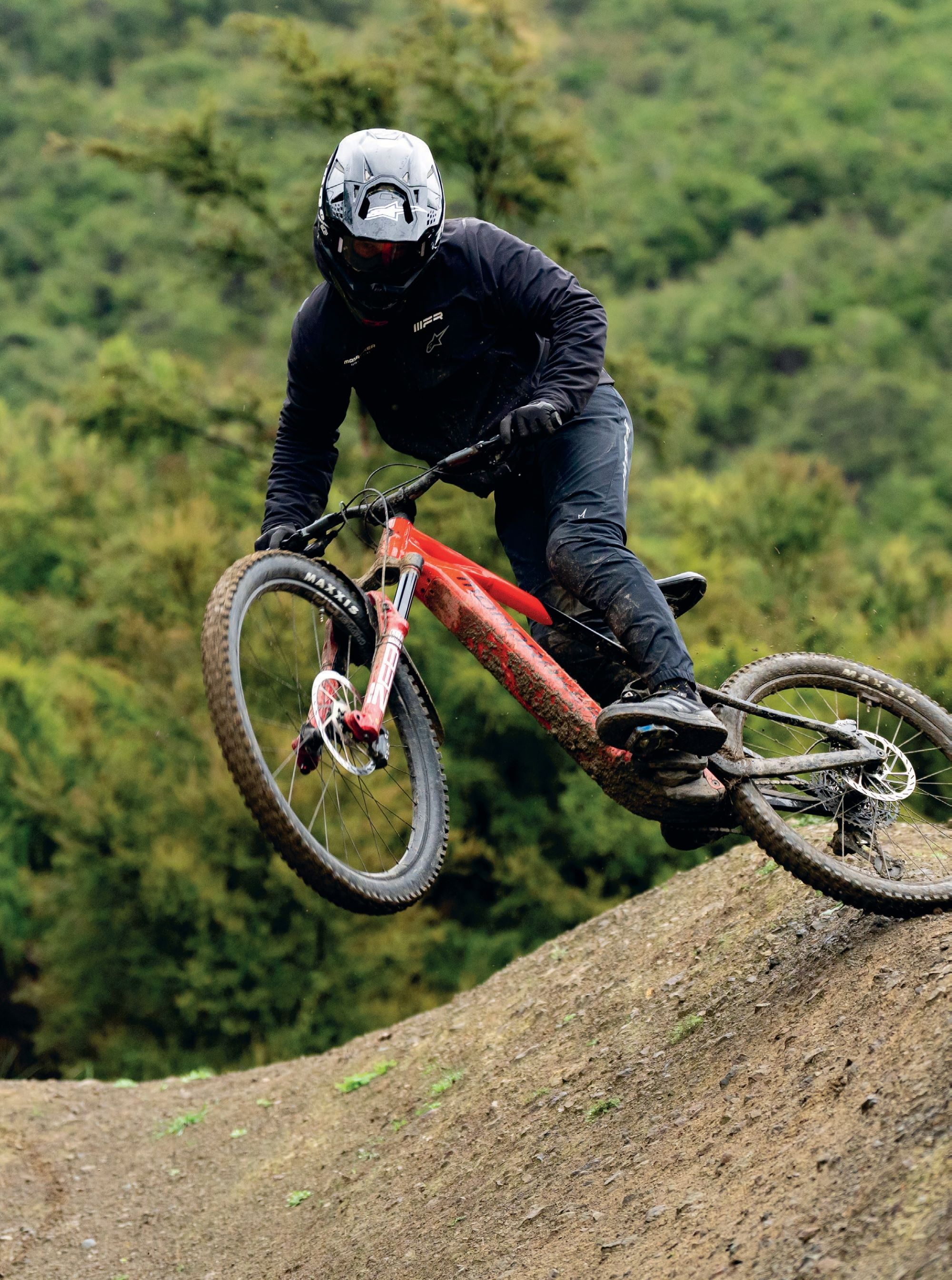
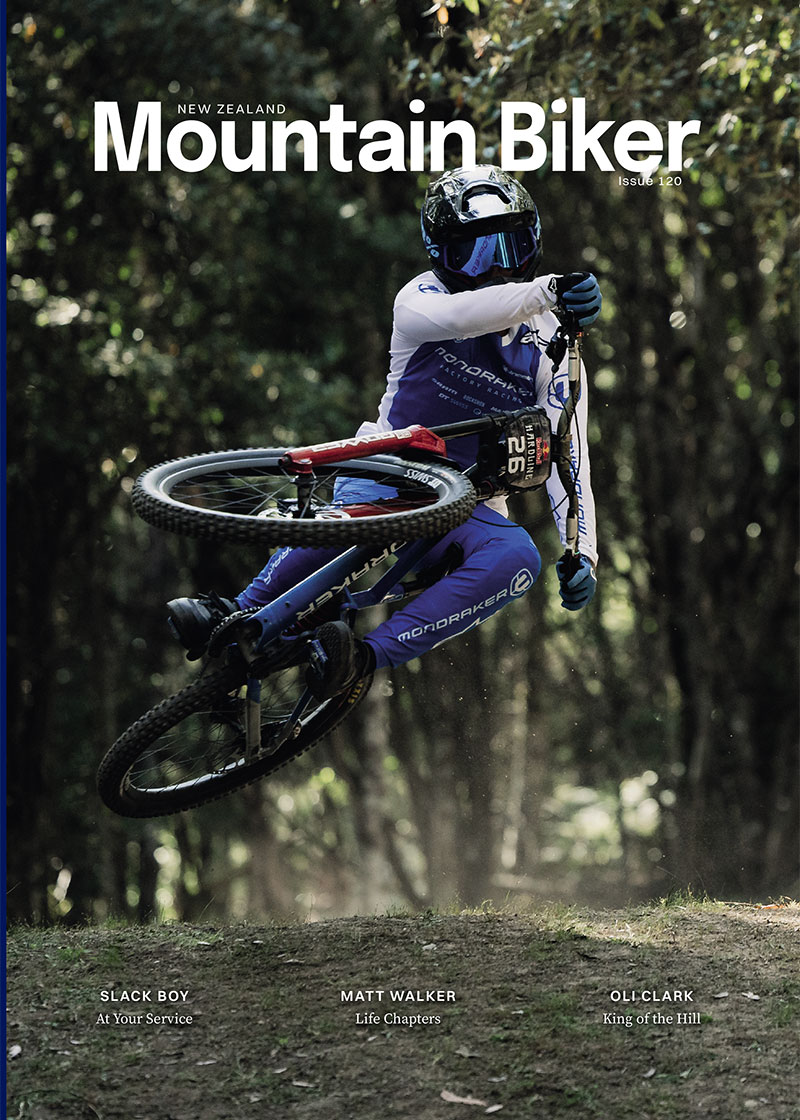
Heading into 2026, Oli’s dedication has paid off with a high-profile factory team signing to Mondraker Factory Racing. Joining an already star-studded line-up featuring Rónán Dunne and Ryan Pinkerton, he’s ready to carry his red-hot form into the elite ranks.
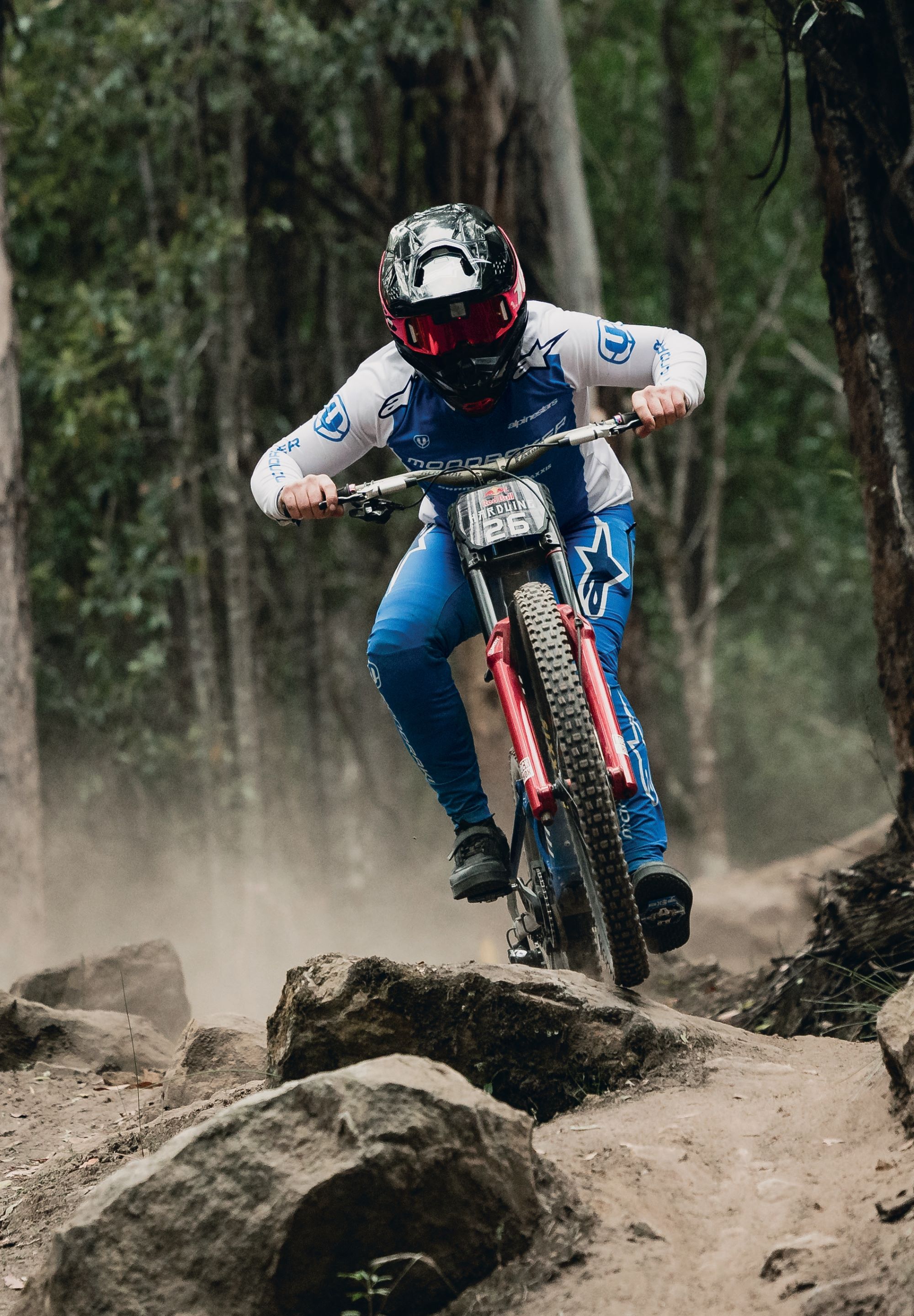
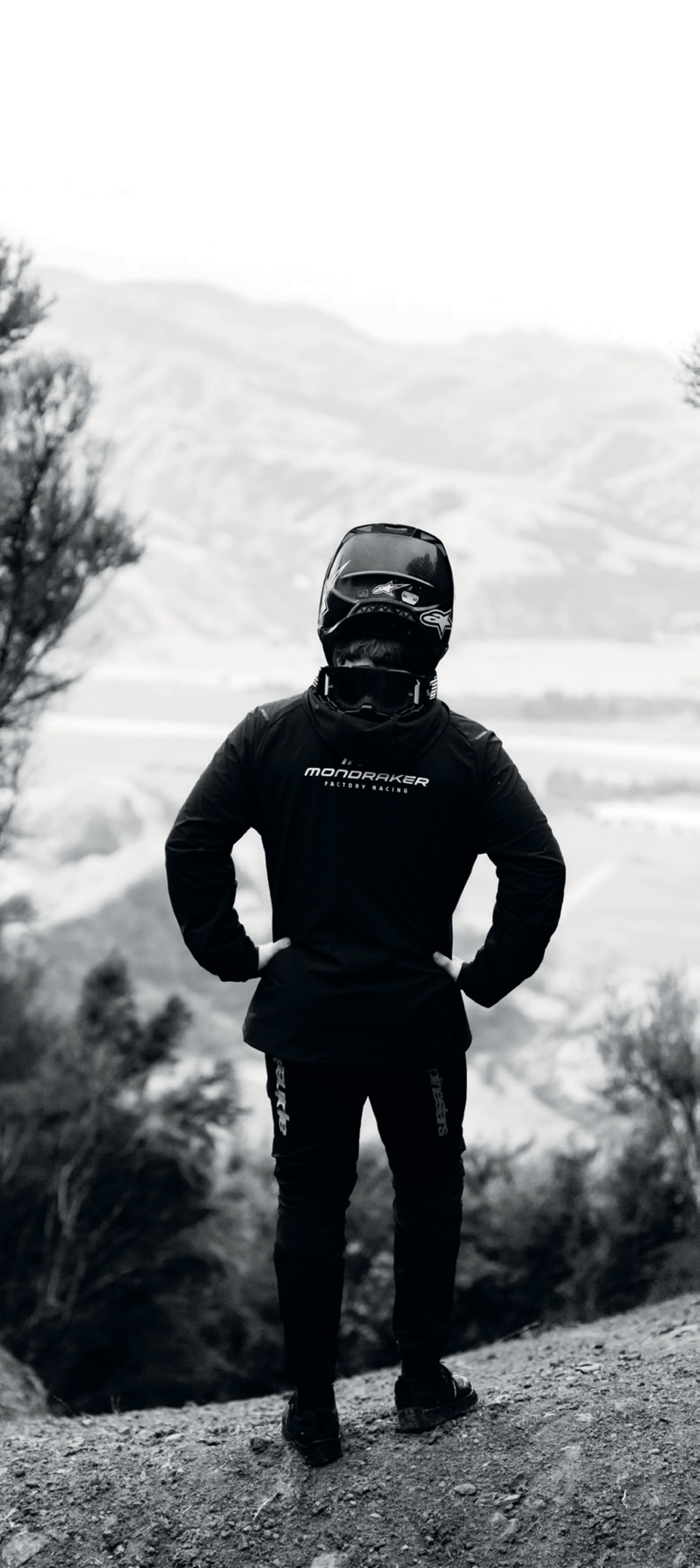
We had the pleasure of catching up with Oli ahead of the 2026 World Cup season to hear about the early days of racing, what he wants to get out of his racing, and how he’s preparing to make the step up to the elite category.
Let’s start at the very beginning. What was your first introduction to bikes and how have they shaped your early life?
I’ve always been into bikes, ever since I was little. My cousins rode motorbikes, mainly enduro, and that was always something I wanted to get into. I’m originally from Methven, but we moved to Blenheim when I was still pretty young. At school, I had a few mates who started riding, so I ended up taking my sister’s bike out that she got for Christmas that year. It was an Avanti, I can’t actually remember what model, just a hardtail. It was a cheap bike, but we thought it was expensive. We started going out riding together, and it just escalated from there.
What was your first taste of racing?
I was just riding with mates at first and really enjoying it. Then I kind of slowed down on the motorbiking side and started riding bikes more. I got my first full suspension. It was a Liv Hail and went straight to clips. There was a Nelson Winter Series and a few club races around Marlborough at that time. The first race I did was an enduro, and I thought it was a race to the finish, like racing all the transitions as well, so I ended up being the first one done. The Nelson Winter Series was the main one where everything kind of kicked off. I did those for about three or four years, then started moving into nationals.
When did you realize you had the potential to take your riding more seriously?
It was just for fun the whole time, really. There were a couple of boys travelling and doing nationals, so I started jumping in with them and travelling to the races. I did the national series for a couple of years and started getting some good results, keeping up with some of the older boys. That’s when I kind of decided to stick at it.
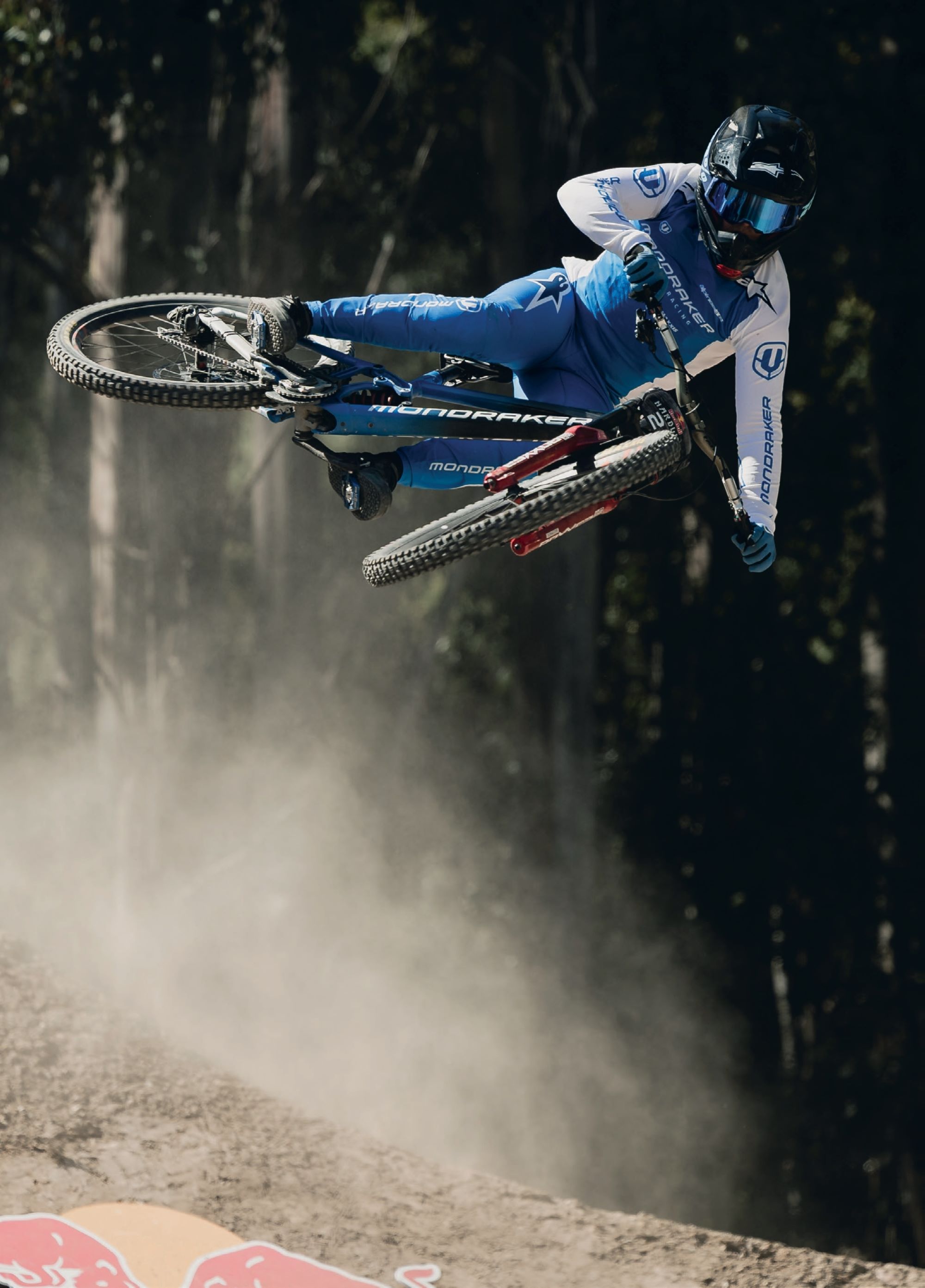
Were there any riders you looked up to or used as inspiration to see what a path in racing could look like?
I didn’t really know many people at the time. Justin Leov was around when we lived in Blenheim, so I rode with him quite a bit at his place. Then there were the boys in Nelson; Sammy G, Shannon Hewetson, and Kieran Bennett. I always looked up to them. You’d see them all the time at races. In between their race runs, they’d change into a fresh kit and everything. I thought that was pretty cool. I was like, I want to have that one day.
Was there anyone who stood out as a mentor or helped guide you through the racing scene?
Justin definitely helped a lot, but I didn’t really have anyone specifically mentoring me. I never really had coaching or anything, it was more just figuring it out myself. Mum and dad never really pushed me either. They just supported me with whatever I wanted to do. No matter what, they were always behind me. Progression just came from riding with faster people and gradually getting better. You sort of move up that way, just keeping at it. There’s always been faster riders, so you’re always chasing and pushing to keep up.
What was your first opportunity to get race support, and what did that look like?
When I moved from Blenheim to Kaikōura, we approached one of the local bike shops to see if they could help out a little bit. I ended up buying a Specialized through one of their sales reps. Dwayne from Coastal Sports wanted to help out as much as they could and said they could get me on this ambassador program. We ended up working with the same sales rep I bought the bike from on the program. That was my first real support and led to me getting my first-ever downhill bike. I had only ridden a downhill bike a little bit before that. The team at Middle Hill had an old Glory that I rode on for a couple of races. Morgan and Genevieve were so keen to help me out, which was pretty cool.
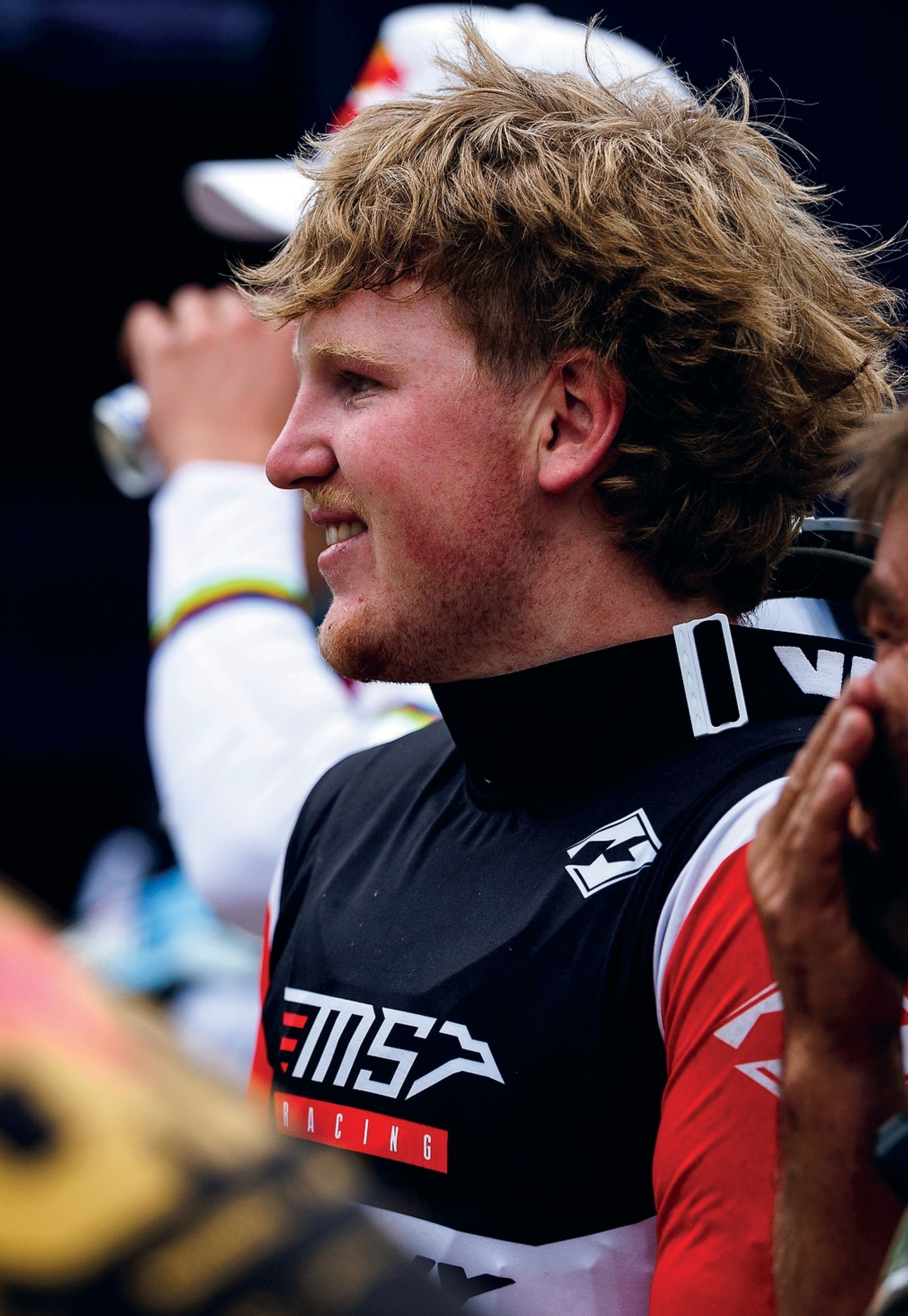
What was your intro to Middle Hill?
When we moved to Kaikōura, there wasn’t really any riding. We found out that they were keen to build something at Middle Hill, so we started heading up and digging with them. Most days after school, and all weekend, just digging with dad and I. That’s kind of where that whole relationship began. I’ve been up there ever since I started, and they’ve helped me heaps. Morgan was also a really good rider and I looked up to him a lot, always chasing him around.
Can you give us a quick overview of your progression during your first two years in the junior category?
The first year going overseas, we were just trying to find a team that would make things as easy as possible, and Unior seemed like the best fit. The original connection actually goes back to around my 13th birthday, when I did a YT Mob camp at Jentree. That really opened doors to meeting pros and seeing how they had mechanics and chefs, all that kind of setup. I thought that was pretty cool. They ran us through some race simulations, too. The guy managing the YT Mob at the time, Martin (Whiteley), who’s now my manager, was there and I stayed in touch with him ever since. Eventually, he helped me get onto Unior. That year was a real learning experience. The results weren’t amazing, but there was so much I could learn from. For my first year in junior, it was probably the best thing for me. In my second year, Unior had to stop because of all the team changes. They couldn’t afford to enter as a team anymore. I was kind of stuck with nothing and no spots opening up anywhere. Then I connected with Ali from Zerode and asked if there was any chance I could get one of their bikes. I’d ridden one before and really loved it, so I was super keen to ride it again. They did as much as they could to help me. Ali started talking with MS and got me hooked up with them, so i was going to go over and have a bit of support for races, but as I started doing well, that support elevated.
Looking back, how did your outlook or preparation change going into your second junior season, and how do you reflect on the progress you made?
I was kind of left with nothing, so when that opportunity came, it was huge. At the time, I was working on trail building, trying to save up some money, and train as well. I was also preparing for the worst-case scenario, figuring I’d have to cover everything myself. I went over with some savings so I could get by and manage travel costs. Once I got the support, though, things really started to click. I got a coach for the gym, a coach for riding and that helped me heaps with all my fitness. It wasn’t a make-or-break season exactly, but I knew I had to do well to keep going.
Otherwise, it would’ve been really hard to afford more than a couple of years on my own. Coming from New Zealand, the dollar is worth about half of theirs, so we had to spend nearly double what they would have to spend to do the same thing.
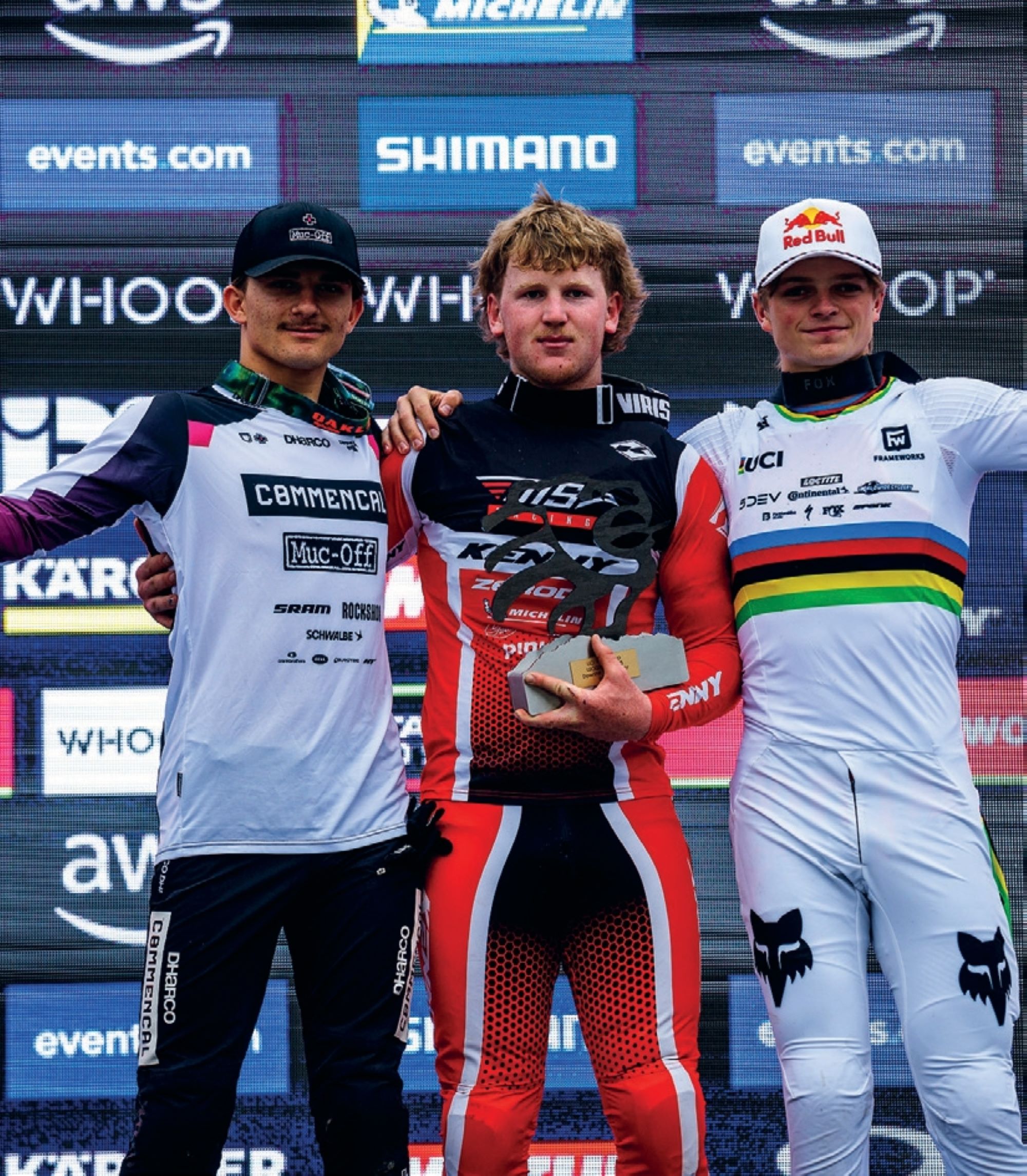
Coming up alongside a batch of high-level New Zealand talent in the junior field, how did you maintain perspective and keep a level head while making the jump to international racing?
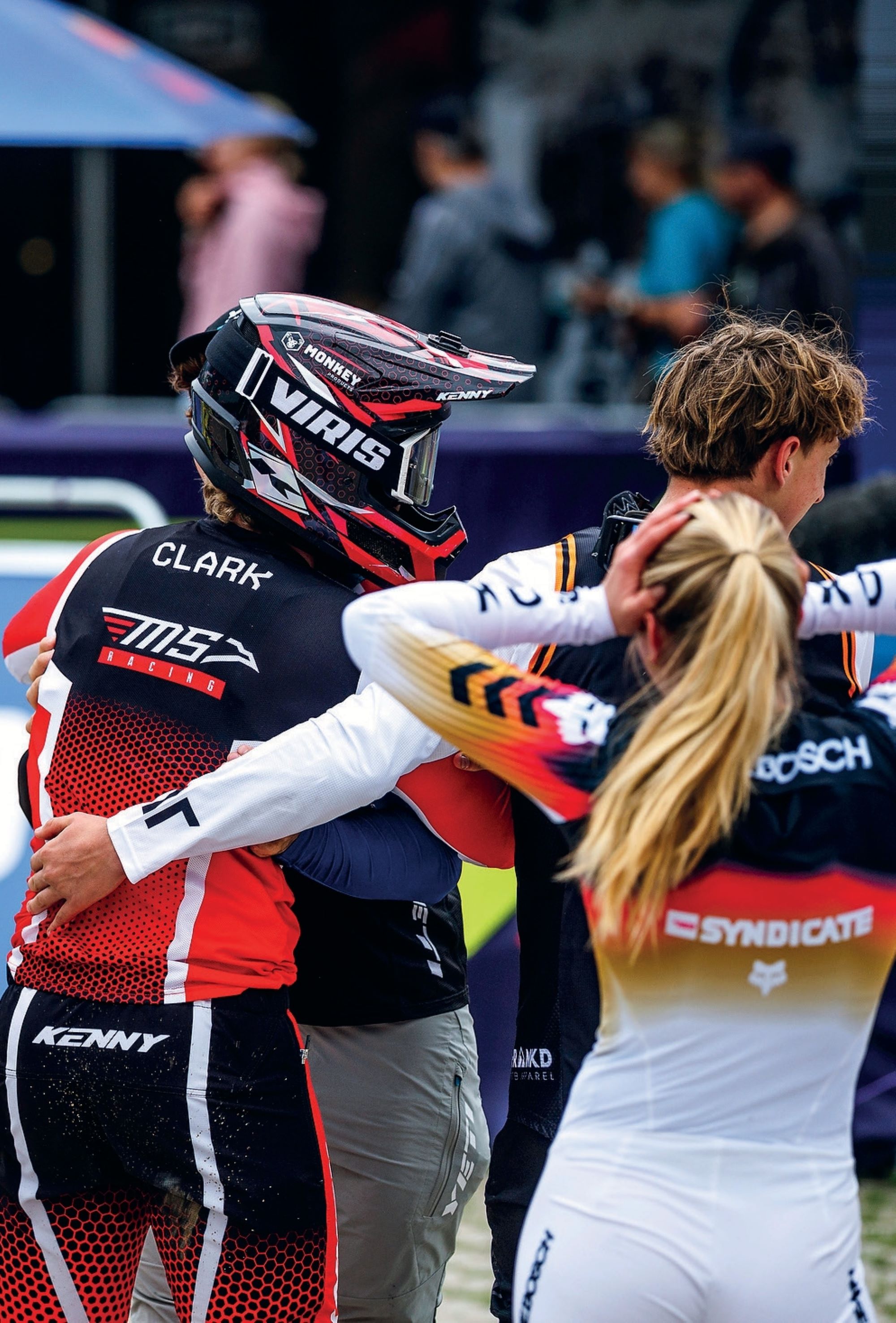
Well, I think because we were all just riding together, having fun, and pushing each other. The first year, I kind of thought I’d go over and get some good results, but obviously, there was still a lot of work to be done. Tyler (Waite), who I was competing with back in New Zealand, was doing really well, so I knew I could too. It was just a few little things that didn’t go in my favor. But yeah, being all from NZ, pushing each other, that’s really why we are where we are today.
How did it feel in your second junior year to be right in the mix with arguably the best generational talent ever seen in the category, and did you have any expectations going in?
Oh, I was pretty surprised to be honest. I had done heaps of training and was just trying my best. But really, I just went out there to have fun. I thought, I’ve done everything I can to be here, so just enjoy it. I didn’t really have any expectations. I was just like, ‘go have fun,’ because that’s when I ride my best. Of course, I wanted to do well and there were goals, but mostly I just went with the flow.
Your win in Leogang was obviously a standout moment in 2025. Can you walk us through your preparation going into that race, and what it felt like to take the win?
I’d done a little bit of riding there with the team in Leogang before the race, but I wasn’t really expecting much going in. I rode heaps with Tuhoto, and we were pushing each other, doing laps together. Poland was the first race of the year; I got third there. Then at Loudonville, I was feeling really good. I was doing well in the splits, but I got a flat tire, which was frustrating. I wanted to prove something, but I was mostly just enjoying it. At Leogang, I didn’t feel like I was riding my best. During qualifying, I told my manager I’d done an average run, not very good, but then I ended up qualifying first. I thought, okay, maybe I could do something here. Being up there was pretty nerve-wracking. You’re the last one on the hill in your category, everyone else has already gone down. It’s pretty surreal. Then I came down first, and the feeling was crazy. It’s hard to describe, honestly you just have to be there to get it.
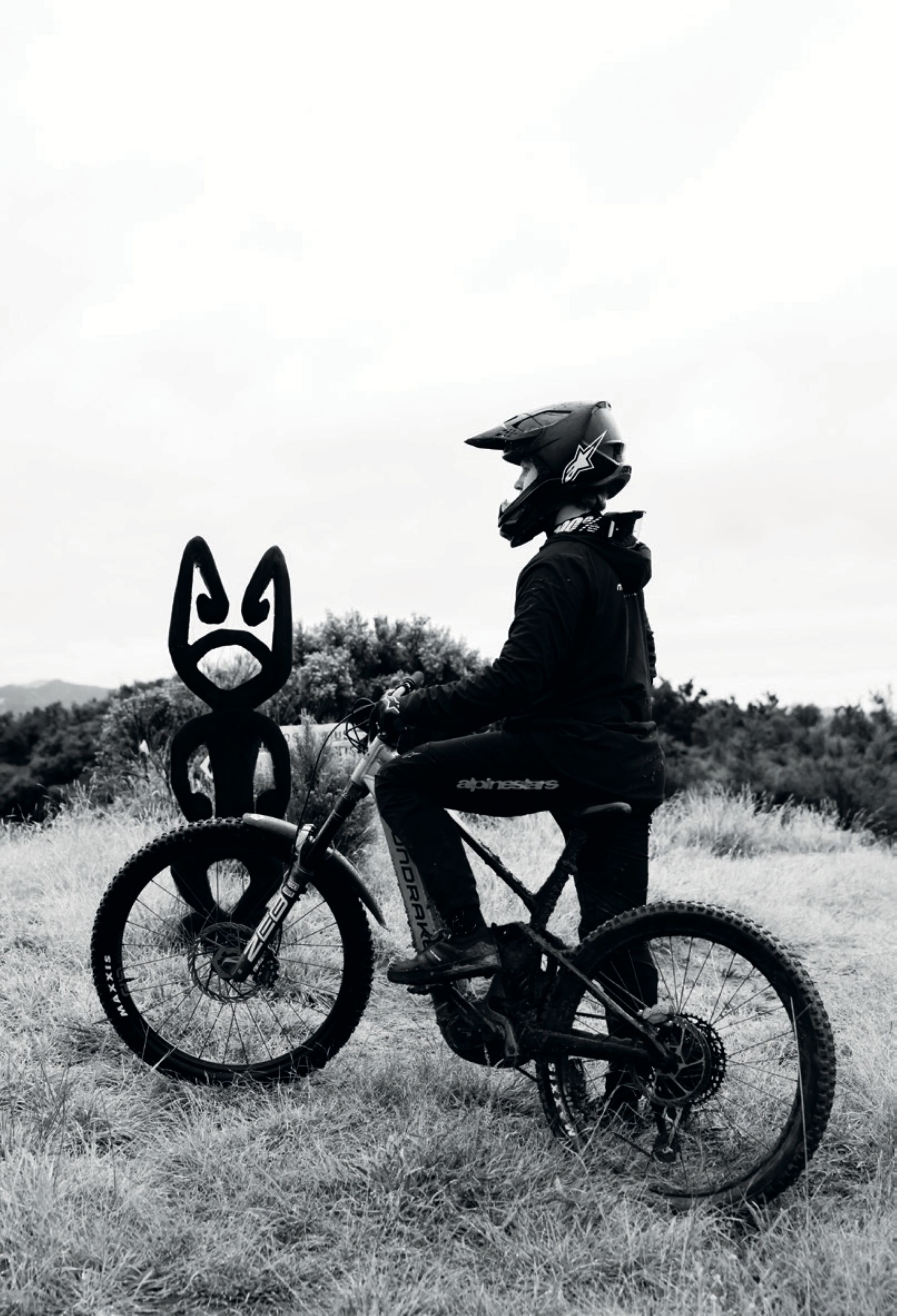
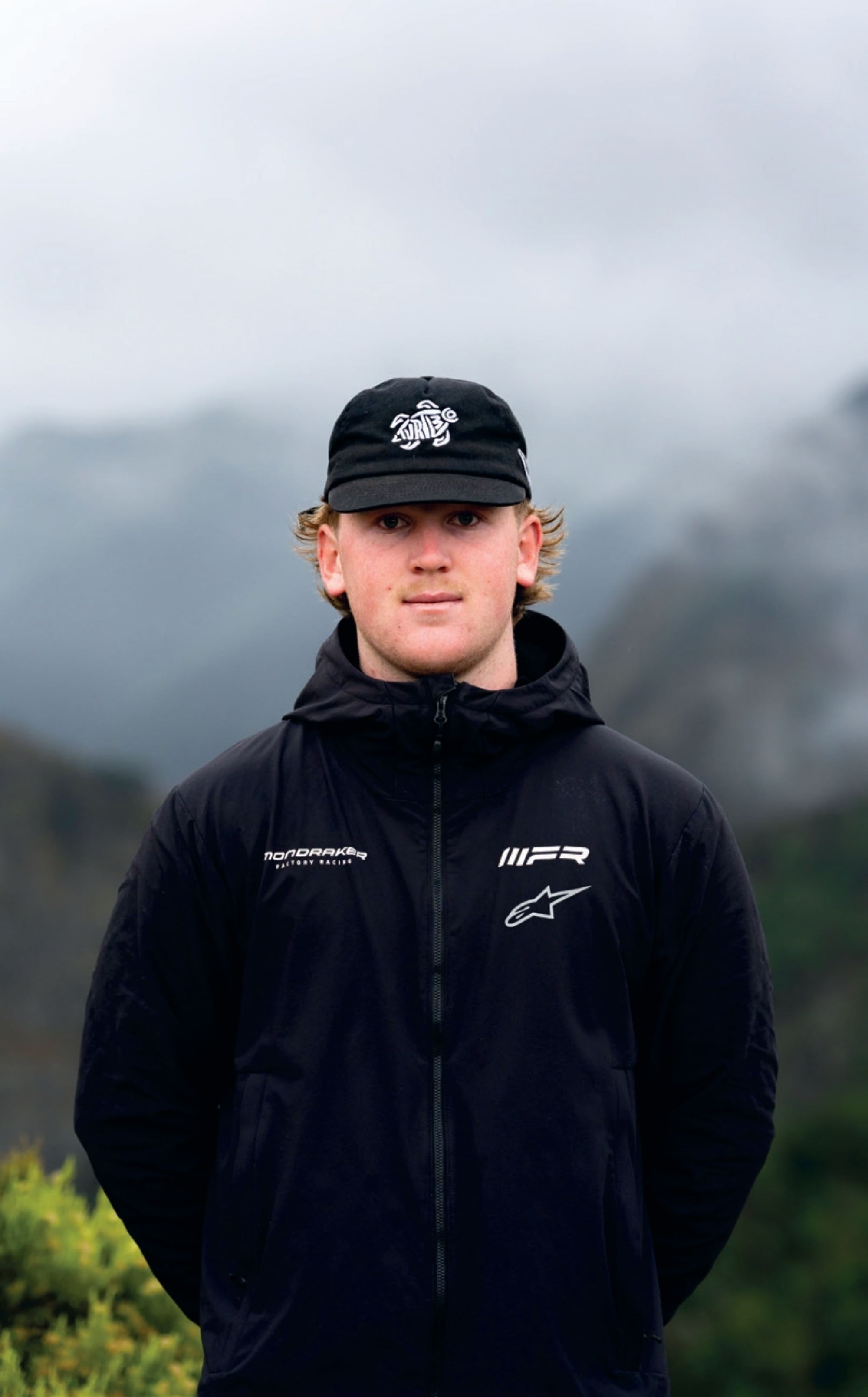
Heading into this season, signing with Mondraker Factory Racing is a huge accomplishment in itself. Does that take some pressure off, or does it raise expectations knowing you now have that level of support?
There isn’t really much pressure from anyone else from the team, it’s more the pressure I put on myself. As long as I’m doing everything I can back home to prepare, I just need to go over and do the same thing, go have fun. That’s why I started riding, and that’s why I’m here. I don’t really see it as a job, it’s still about having fun.
Your career has come together quickly, with a World Cup win and two Hardline appearances. Have you had a chance to reflect on what you’ve achieved?
I don’t really like to look back. I just want to keep moving forward and keep progressing. The motivation for me is always wanting to be better. I’d say I’m quite a competitive person. At the same time, I enjoy doing lots of other things. But when I come back to biking, I still find the enjoyment in it. It’s not just about results, you have to have fun, and the more you do it, the better you get.
How does your approach for a Hardline race compare to a World Cup week?
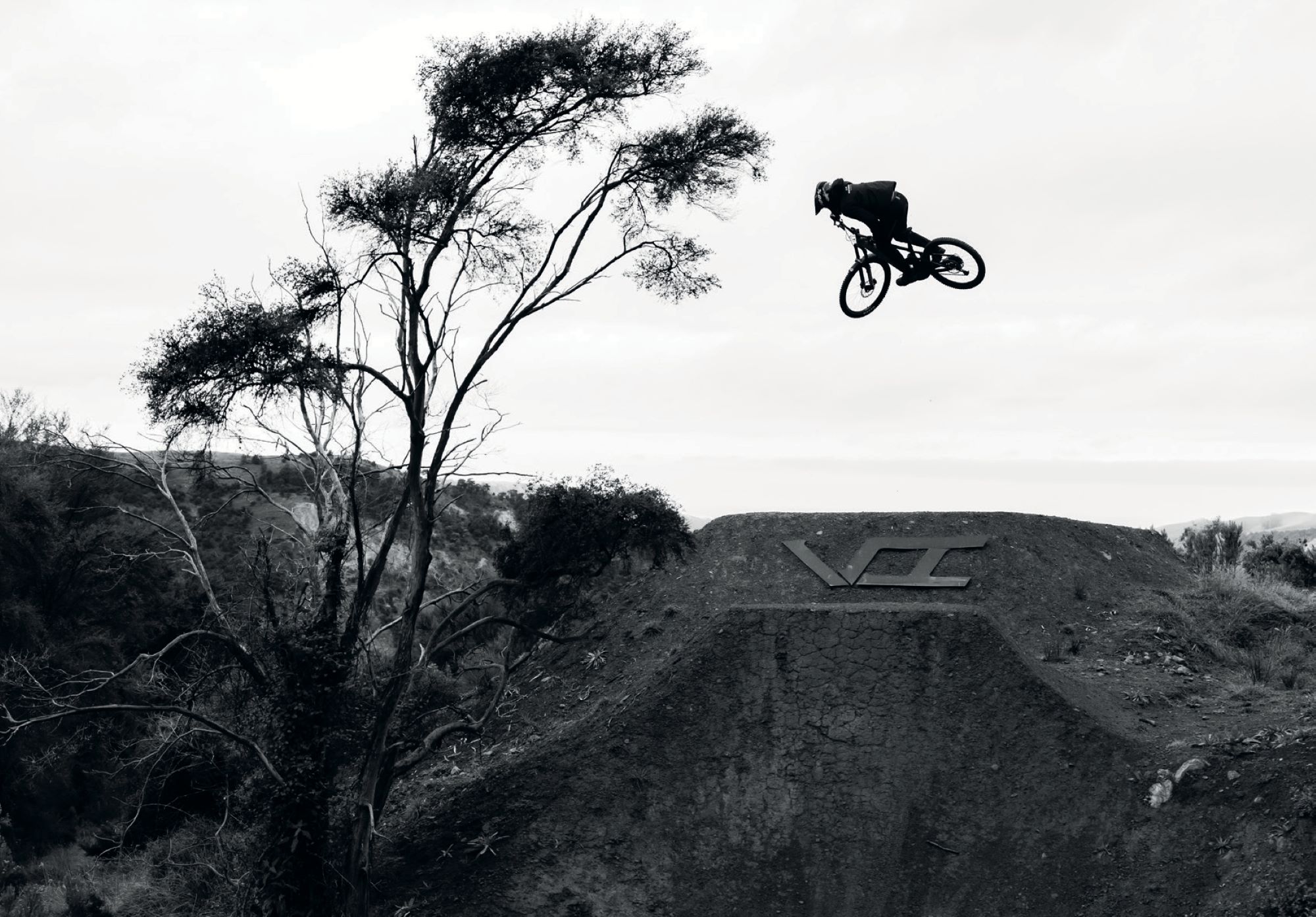
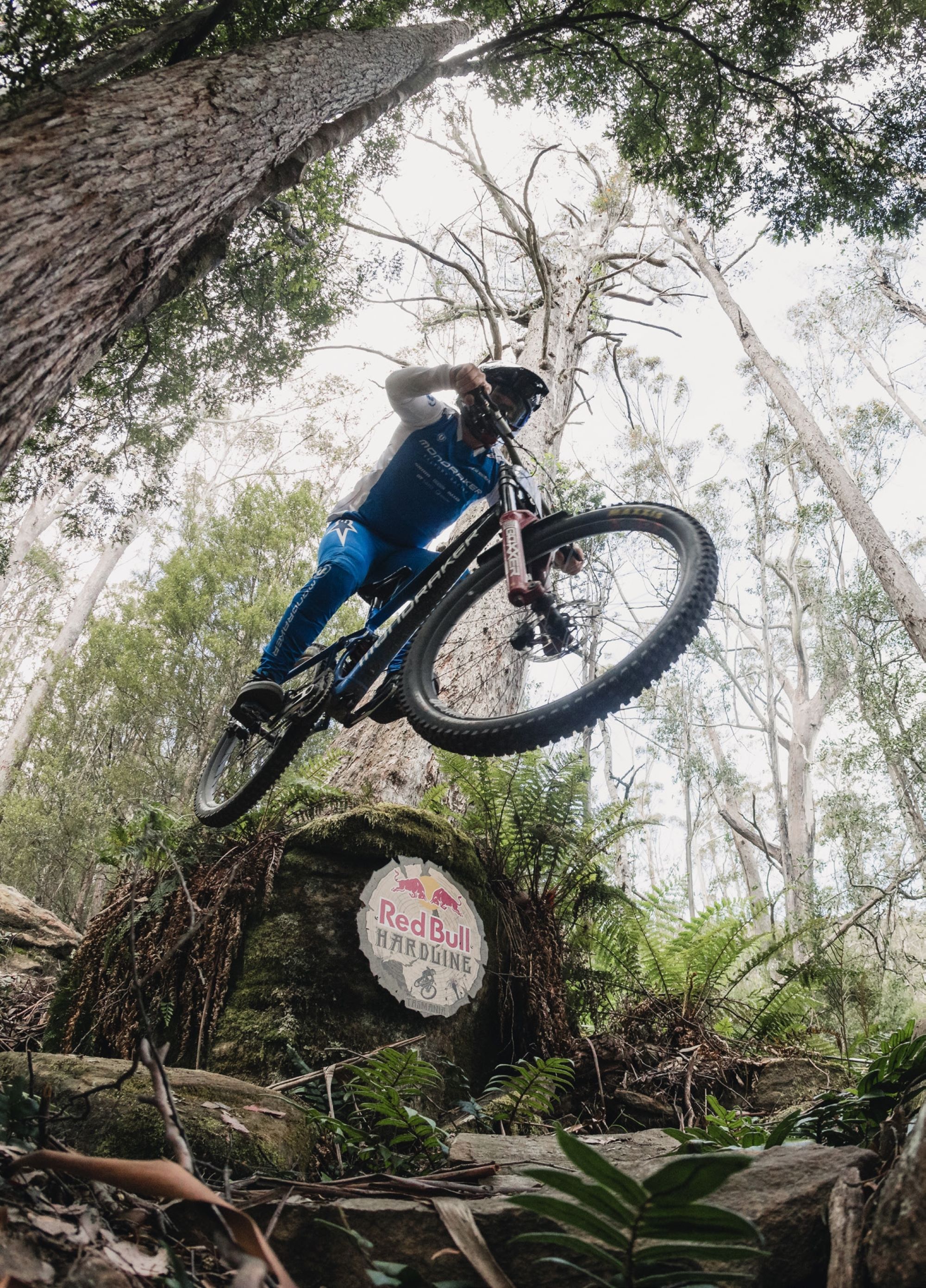
It’s such a different event. Everyone’s more relaxed, or at least the vibe was, the event is changing a lot. People are there to help each other out and just have fun. It’s a really cool atmosphere. For me, riding those Hardline races is so much fun. The nerves, it’s like scary, but once you’re on it, it’s so fun. I love big jumps and steep stuff. That’s what I ride at home at Middle Hill. We built a track there similar with some huge jumps, which was the only one to ride. That track’s gone now, but that’s the stuff I really enjoy. At World Cups, it’s super serious. Everyone kind of keeps to themselves and their goal is to win. You’ve got lines spotters all over the track. You watch those guys – they know exactly what they’re doing – and they’ve got it dialed. If you want to win, that’s what you have to aim for. The sport is definitely changing. Downhill used to be more about just riding. There were heaps of different lines. Now, you can’t really do anything on the track that other teams don’t know about. Everyone’s basically on the same line on race day, which I think is a bit silly.
What’s it like having riders like Ronan and Ryan on the team this year, and what do you think you can learn from them heading into your first elite season?
We’re all pretty young, but those boys have done some really impressive things. Ronan trains completely differently from anyone else. He’s out there doing 15 laps a day, and no one else is doing that. Ryan trains super differently too. They both have different styles and, for me, I can just look at both of them, pick the bits I want, and learn from them. They’re also really willing to help, which is great. For me this year, I think the main focus is just getting some good consistency. Qualifying for every race would be a solid start. After that, we’ll see what needs to be worked on.
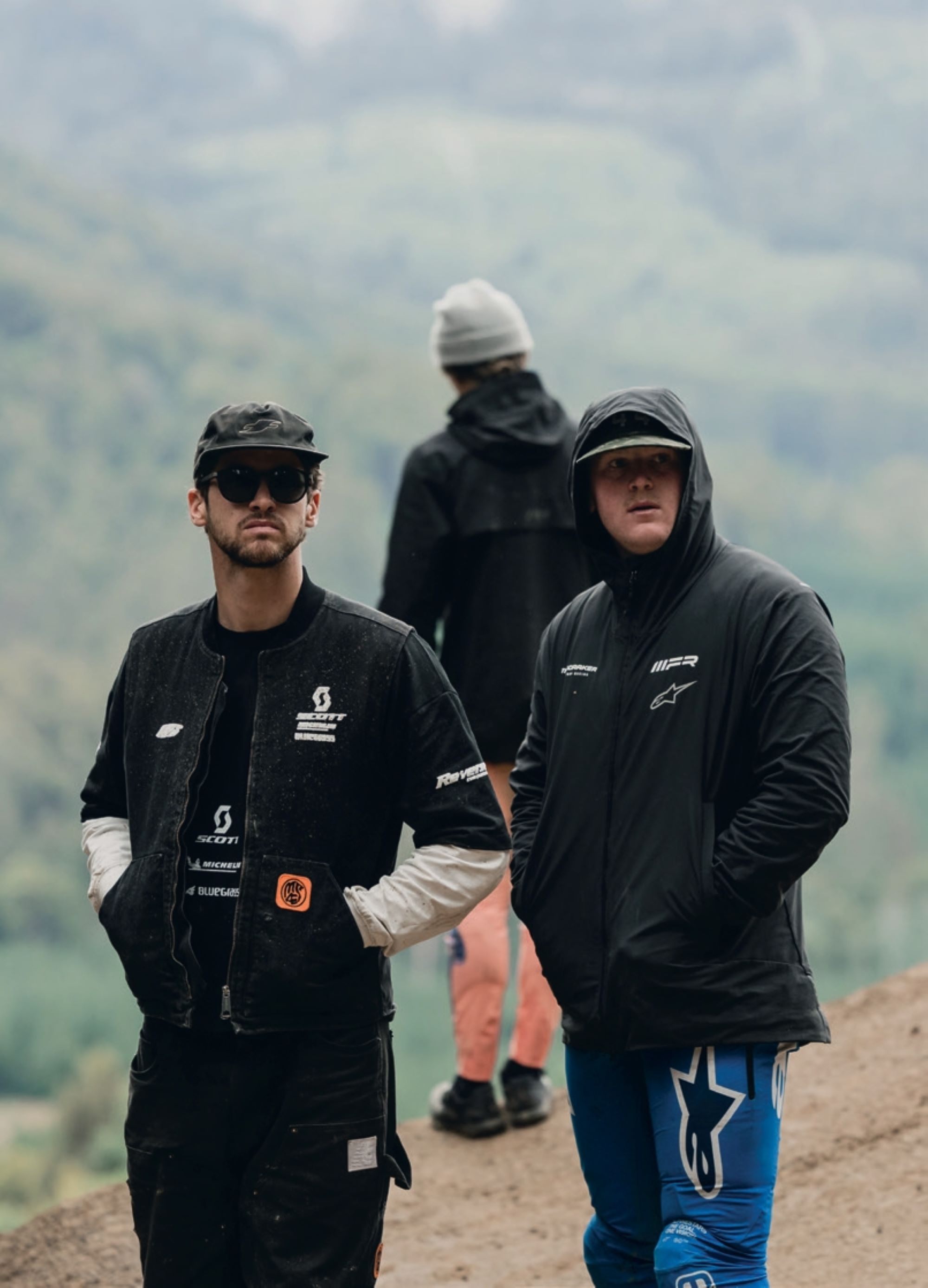
How do you see the current state of the New Zealand downhill scene, and what do you think is needed to take it to the next level?
I’m very disappointed, to be honest. This year has been pretty horrible. When I was under 15 and under 17, we used to have five or six national rounds, plus separate national champs. Now, we’ve had what, like one national round, Crankworx combined with national champs, and then the little Crankworx, which is a Continental race. So basically, we’ve only had three races. It’s pretty disappointing. I think they need to put a lot more work into it. I get that organising it all takes a toll and some people don’t want to deal with it. Having so many races played a big part in our age group’s success. The more you race, the more experience you get, and the better you become.
What advice would you give to young riders in New Zealand who want to focus their efforts on reaching the international level?
I think it’s really just about riding with your mates, having fun, and finding people who are faster and better (than you) so you can learn from them. You can get as much coaching as you like, but it doesn’t compare to actually going to races and experiencing it. No coach can really teach you how to deal with the nerves and all that. It’s just experience and time. Some people pick it up faster than others, but it’s all about sticking with it.
How does it feel to see Middle Hill gaining recognition, with more exposure and projects like the Vale line bringing attention to the local scene?
It’s pretty cool to see how much it’s grown. They started from nothing, maybe six or seven years ago? And now it’s really taken off. Right now, not many people are traveling, with the world, economy and everything, it’s tough. But hopefully we’ll start to see more people coming through, more pros visiting, and more events happening. It’s been awesome to be part of it. There weren’t many bikes coming through town before, but now they’re stopping, hanging around, and people are really frothing for more. That’s really cool to see. I think we really need to push for it to grow even more. If we can get a few more trails and properly put it on the map as a mountain bike destination, it could be huge. They’ve got a camp and everything you need. It’s such a good place for a weekend ride. Hopefully, we see more of that in the future.
Cheers for your time, Oli, and best of luck for the 2026 season. We’ll all be cheering you on!
Cole Lucas: Perfect Storm
Words & Images Riley McLay
Sport can be glorious, but it can be equally as cruel. The constant adversary of staying at the top level, let alone reaching it in the first place, can become a sport in itself.
In a short period, Enduro racer Cole Lucas went from being a household name among the top ranks in Enduro to not having a professional ride for the 2024 season, ultimately leading to his exit from the EDR circuit entirely. A perfect storm of injury battles, economic struggles within the industry, and a race series in a state of limbo had created a challenging environment for racing success. Once celebrated as the exciting new frontier of mountain bike racing — with thrilling spectacles on some of the most beautiful trails in the world — now feels so much like the ‘awkward cousin at the wedding’ that even new race organisers don’t know what to do with. This shift is particularly surprising given the thriving grassroots movement and Enduro’s status as the most accessible racing format, which best captures the essence of a great day out on the bike. This uncertainty has led many racers to take a hard look whether the time and resources they invest will be worth it.
Cole’s introduction to push bikes started with humble beginnings, chasing his two older brothers down the local BMX track in his hometown of Hamilton. Naturally, this led to race plates being slapped on at club races, where Cole could prove once and for all who ruled the roost at the dinner table. While his relaxed yet competitive personality thrived in the racing environment, Cole had his sights set on bigger things. The BMX was eventually traded in for a dirt jumper, and weekends were now spent at shuttle days in the Rotorua Redwoods. Even with just one brake, the dirt jumper wasn’t going to hold Cole back. He had caught the downhill bug. “There was always a good crew to ride with, and we loved to push each other. There was no place I’d rather spend my time at that age” says Cole. In one of Cole’s very first downhill races, he secured second place in the under-15 category at the Oceania’s in Rotorua, proving that he could transfer the skills he’d honed on the BMX track to this new discipline. Multiple NZDH rounds followed, where Cole would dominate for a majority of his years in the junior ranks. This was matched by strong results at both National Cup rounds and National Championships. He was no longer chasing his older brothers but had found himself amongst the pointy end of some of the top talent coming out of New Zealand. Racing support was difficult to find in his junior years, but Cole received backing from development teams put together by 3 Sixty Sports and Wide Open, who recognised his talent. Working part-time for his family’s roofing business — and their support — also helped fund his racing aspirations and provided the flexibility to fit in training and bike time.
Cole was given the opportunity to represent New Zealand at the Junior World Championships in Vallnord, Andorra, in 2015. This was Cole’s first taste of international racing, and he made the most of the opportunities by gaining valuable experience and competing in several World Cup rounds across North America and Europe in the lead up. In just his first year in the junior category, he achieved a flurry of top-20 results, culminating in a 23rd place finish at the World Championships. During this time, fellow downhill racer, Eddie Masters, also saw the potential in Cole, taking him under his wing and helping him navigate the World Cup circuit. Eddie’s role as team rider/team manager allowed Cole access to the Bergamont team pits and the odd bit of technical tweaking from team mechanic and fellow Kiwi, Kurt McDonald. The privateer life isn’t always the optimal environment for consistent results, however, witnessing other Kiwi’s getting the job done on the world stage with what they had to work with was empowering for Cole. Even more so was the camaraderie, as fellow Kiwis understood the commitment to time, training, and resources required for success.
Although Cole had always focused on downhill races, he also had a passion for trail riding, which was often incorporated into his training. The growing popularity of the Enduro World Series (EWS) had caught his attention – now not just racing for retired downhillers, but as a competitive series to further build upon his racing skillset. During a break between World Cups in 2016, Cole decided to give an EWS round in La Thuile, Italy, a go, where he surprised even himself by finishing 13th in the under-21 category. “Enduro felt just like my training; going out for a day of riding with a good crew, but we were riding some of the best trails in the world,” says Cole. The following year, he competed in several more EWS rounds, securing a podium spot with a 3rd-place finish at his home race in Rotorua, as well as at the Carrick round in Ireland. Cole backed this up by qualifying for his first-ever World Cup race in the elite category. Unfortunately, the following week, a crash in Leogang, Austria forced him to return to New Zealand for surgery, causing him to miss the rest of the season. Cole reached a turning point in 2018 as he grappled with the challenge of qualifying for downhill World Cups. Already a consistent threat in EWS rounds, he shifted his focus toward the overall. This move paid off with an impressive 3rd place finish. The advantage of staying in the under-21 category in Enduro, compared to being pushed out of the under-19 junior category and into the increasingly tight times of the elite field in downhill, worked in Cole’s favour and allowed him more time to adapt and flourish in the Enduro format. He found continued mentorship from downhill racers Eddie Masters and Matt Walker, who were also shifting their careers toward Enduro racing. Cole tagged along with the extended Pivot factory team, who hooked him up with a frame and pit support at races. Although many riders were increasingly leveraging their own social media following to promote themselves and the brands that support them, Cole was determined to let his results speak for themselves.
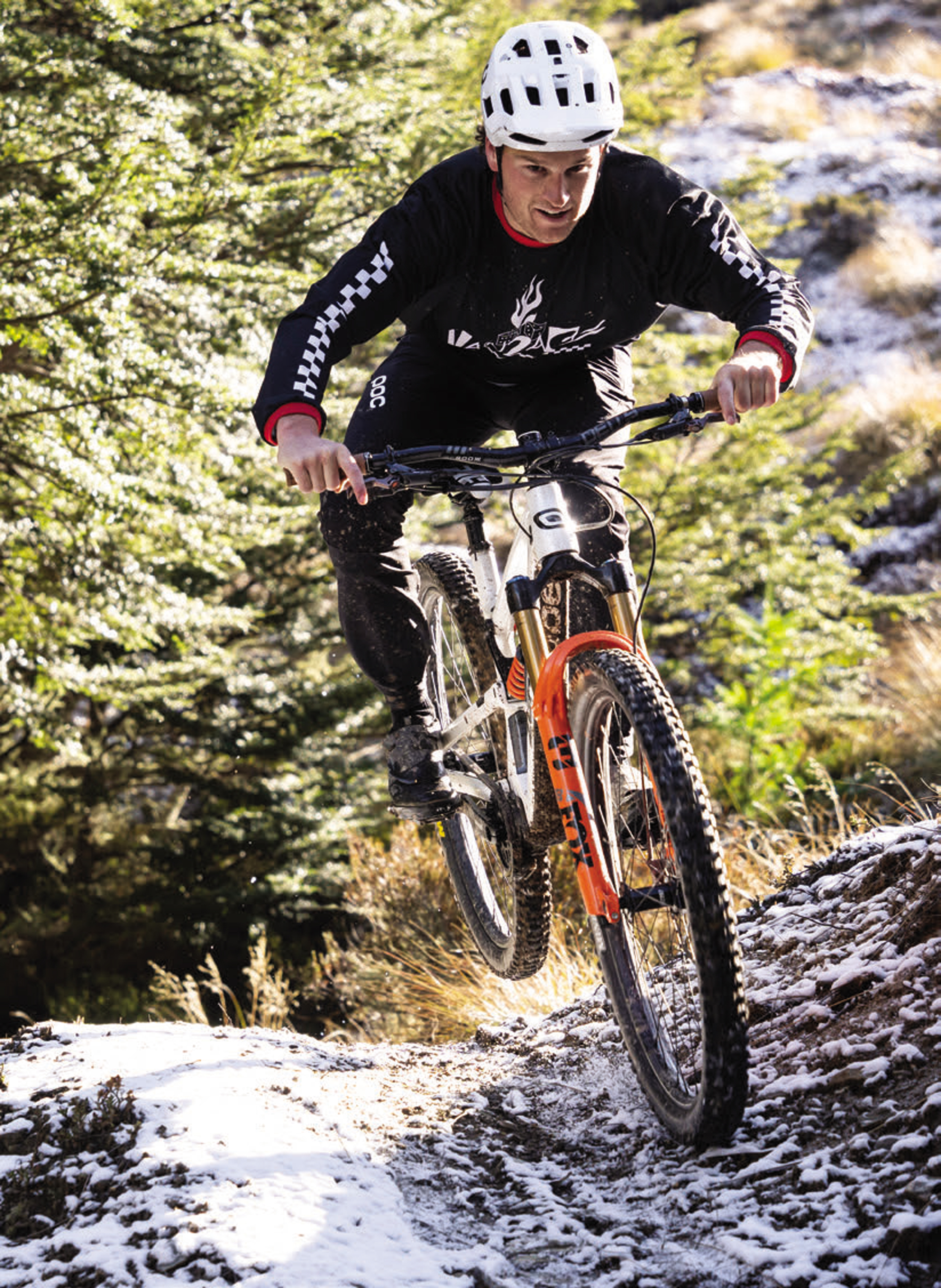
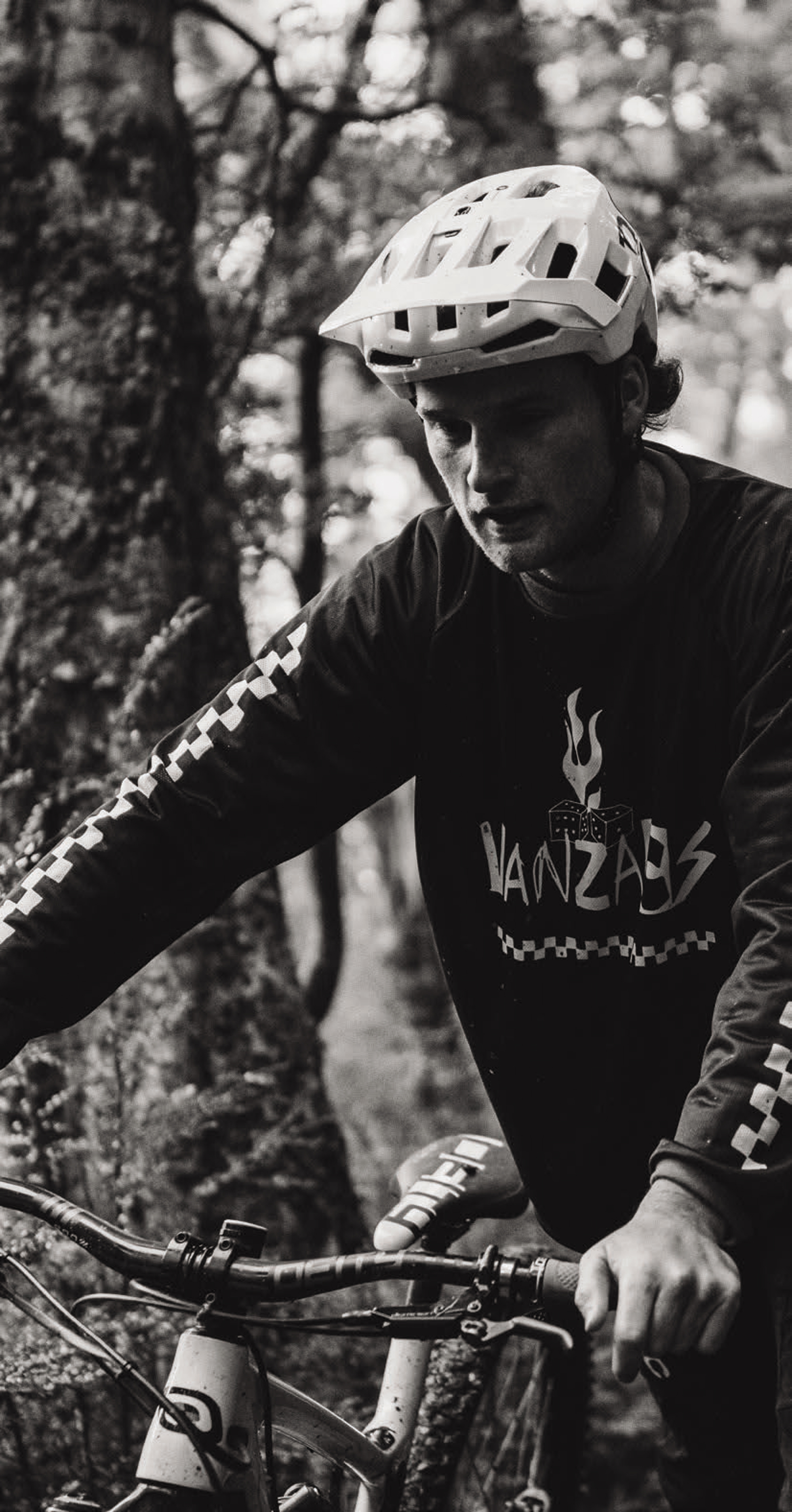
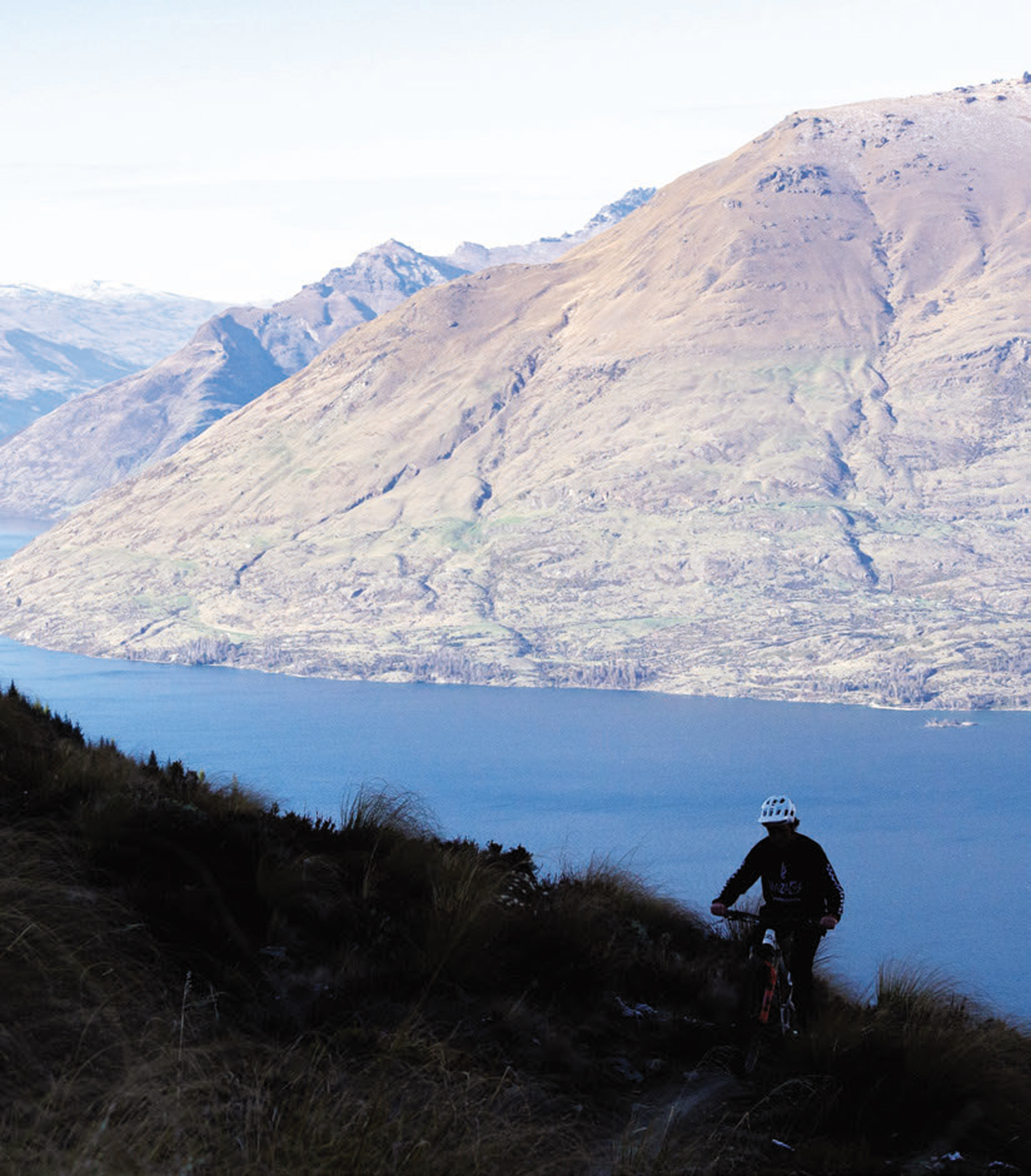
Cole’s impressive momentum continued in the Open Men’s field. With the support of the newly established NZ Arapi Enduro Team a New Zealand program created by Brendan Clarke to provide better opportunities for Kiwis to compete in the EWS — he secured two top-10 finishes and one top-20 finish in 2019. His arrival to the top ranks of EWS didn’t go unnoticed, and by the end of the season, he was offered a contract to ride for Ibis Factory Racing. “It was honestly a dream come true. I had been working towards it my whole life, and after doing it for so long, I was over the moon that it had finally worked out,” says Cole. All of a sudden, Cole found himself whisked away to a team camp in Italy, where he was focusing on fine-tuning bike settings and race strategies. Gone were the days of sleeping in vans and using ‘set and forget’ bike setups. Even though Cole would admit he was very green to being a part of a factory team, he found a whole new perspective to racing that he was keen to implement. That was, until the world stopped. Only a stone’s throw away from where the camp was situated, the very first cases of Covid-19 appeared in Italy. Cole found himself back in his flat in Rotorua, under quarantine and waiting out the lockdown with the rest of us. Despite the disruptions to daily life in 2020 and 2021, EWS managed to continue racing. Cole grew frustrated with a slump in results, feeling they fell short of his expectations. However, the team still never pressured him. Instead, their unwavering support allowed an environment for him to grow as a racer.
Ibis team manager, Robin Wallner, masterminded a new Enduro-specific training regimen for Cole and, with a move to Queenstown, closer to quality trails and training partners, he put himself in the best position for success. Knowing it was time to put his mark on the circuit, Cole came into the 2022 season firing with six straight ‘top ten’ results. Everything was clicking. That was, until he broke his knuckle causing him to miss the next round in Switzerland. With only one round remaining in Loudonville, France, his overall standing had dropped to 8th. Desperate times called for desperate measures. Cole taped his broken knuckle, which just happened to be his left braking finger, to a splint and attempted to race the final round. The pain was unbearable, and he was forced to withdraw, slipping further back to 12th place overall. Even though it was Cole’s best overall season result, he couldn’t help but think about what could have been; but he felt relieved his speed was there. Unfortunately, Cole’s injury troubles continued after returning to New Zealand where, whilst out training, he suffered a fractured spine and a concussion. Just when he thought he was out of the woods and back on track, he misjudged a berm while riding in the Queenstown Bike Park, resulting in a Grade 3 shoulder separation. Suffering this injury just weeks before the season opener in Tasmania was far from ideal, but Cole was determined to push through and deliver a result. Although he managed to get through the majority of the first day of practice, a crash on the final stage forced him to withdraw from the race. This string of injuries was a “huge kick in the guts” and wasn’t helped by a series of crashes, mechanicals and poor results throughout the season.
2023 saw the EWS integrated into the UCI calendar, establishing the UCI Mountain Bike Enduro World Cup (EDR). The new organisers, Warner Brothers/Discovery, did not inspire confidence in the new race series. This was evident through a reduced number of rounds, poor communication and promotion of events, and a perceived attitude that EDR was meant to play second fiddle to its downhill and cross- country counterparts. This uncertainty spread throughout the industry as, along with economic pressures following Covid-19, bike brands were forced to reassess their marketing strategies, particularly their ability to support race teams. As expected, rumours circulated rapidly and, like dominos, brands announced they would be withdrawing support from the EDR. Still a surprise to Cole, he was informed mid-season that Ibis Factory Racing would too be dissolving at the end of the 2023 season. Being a contract year and having a down season results-wise created the worst timing possible. After reaching out to several brands, including major household names that were significantly scaling back their current operations, Cole was forced to announce that he would not be racing in the EDR for the 2024 season. The financial costs to return as a privateer were just too great, contrasted with too much unknown of how, and even if, the series was going to continue into the future.
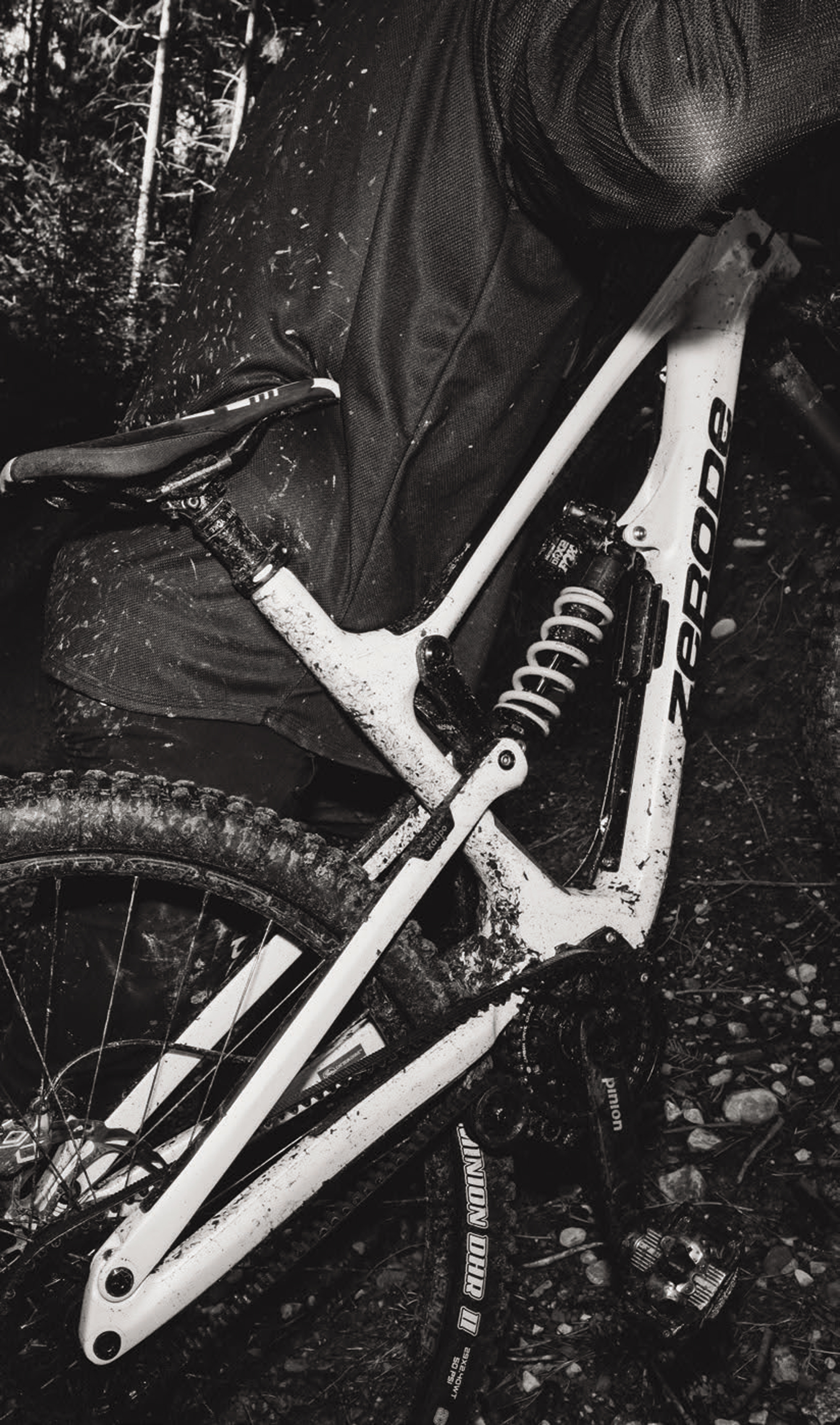
“Absolutely gutted” Cole took the time to step back from racing and reflect on his achievements, now looking toward a life not revolving around racing. He understands better than anyone the dedication and effort required to reach the top level of the sport, and he’s come to terms with the fact that sometimes things just don’t go as planned. Cole is deeply grateful to those who helped him reach where he is today and is excited to still enjoy the hobby that has given him so much. He’s also looking forward to working with Zerode, a Kiwi brand he feels he has grown up with, and to compete in a series of local races, including the inaugural New Zealand Enduro Series. Taking things as they come, while aiming to have as much fun as possible.