Slack Boy at your service
Words Rob Lee
Images Caleb Smith
There aren’t many parts of the Wellington cycling scene that Ricky Pincott hasn’t touched in some shape or form over the past 30 years.
His many years of riding and racing bikes, building trails and former co-ownership of the long-time Karoribased bike shop, Mud Cycles, means he’s been able to bring a wideranging and informed perspective to all things bike-related.
Ricky, 48, is perhaps better known as ‘Slack Boy’, a nickname that’s stuck ever since his early flatting days. His house mates were setting him up on IRC Chat (an early online group messaging platform) and needed to give him an online name or ‘handle’. They considered his chores in the kitchen to be, well, pretty bloody slack, and there it began!
Born and bred in Wellington’s Upper Hutt, Ricky’s first foray into cycling was on a BMX, trick riding and “trying to be cool”.
Not long after, still a fresh-faced 13-year-old, he badgered his parents for his first mountain bike, eventually getting a 19-inch Diamondback Ascent, which he’d ride and race with his mates, Wayne Hiscock and Paul Fiest. The nearby Cannon Point and Akatarawa hills and valleys were both his daily playground and training ground – if he and Wayne weren’t busy playing backyard cricket.
Since then, local, regional and some national racing punctuated much of Ricky’s life, competitive in a range of disciplines including XC, enduro and downhill (to pro-elite level), and hardtail DH. Too many bikes to mention came and went from his stable during those years.
He still counts beating Wayne Hiscock in an XC race in Levin, aged 16, as his crowning glory, largely because the course had no hills in it. “I’ve held onto that desperately, because he (Wayne) was so much better than me. He’s such a genetic freak,” Ricky says.
At 17, Ricky headed to Tūrangi, where he completed a year-long outdoor recreation polytech course, giving him an even greater taste for the outdoors. He also held a very part-time job adjusting brakes and waxing skis at the Tūrangi ski and bike hire shop.
It was around this time he developed an interest in trail building, downloading (very slowly) early Pinkbike-type videos on an old 56K modem, showcasing what was happening overseas with builds, mostly on Vancouver’s north shore.
His local stomping ground of Cannon Point was where he built his first “sneaky little tracks”, aged 18, purely for his own enjoyment. Thirty years on, one of them is still ridable today.
In 1998, Ricky moved into Wellington City and began a relationship with Mud Cycles in Karori. He bought a flash new Diamondback V-link 3.1 off them for DH racing, becoming a sponsored rider. Little did he know, he’d one day go on to co-own Muds’ with his flatmate and fellow trail builder Dave Waugh.
A series of jobs and opportunities peppered the next eight years, mostly in the cycle courier industry – on and off the bike – and where he first met Ali Quinn (now Director and co-owner of Zerode).
Then, aged 30 and working as a postie, he was diagnosed with ankylosing spondylitis (AS) – a chronic inflammatory arthritis that primarily affects the spine, causing vertebrae to fuse over time and leading to stiffness, pain, and reduced mobility. A brutal two years of pain characterised this time in his life.
Ironically, riding bikes was one of the few things he could do that was bearable. Not wanting a future gulping steroids and anti-inflammatories, he did some research and happened upon a no starch diet that helped him immensely after just two weeks. He lost weight, felt better and was able to return to XC racing and DH.
During this time, Ricky also volunteered at Mud Cycles before a fulltime mechanic’s job came up at Burkes Cycles in Kilbirnie, where he stayed for two years.
Ricky’s DH racing in 1999 and 2000 were memorable, to him at least, for two things (and not just because they still wore Lycra).
Firstly, a pedal slip when landing a huge drop saw his butt dragging dramatically on the rear tyre – caught on Saturn cable TV at the time – and immortalised as the “botty grinder” incident.
Then, in 2000, racing for the first time as a pro-elite in the nationals, he had a massive over-the-bars in Hokitika, smashing both wrists. Coming back too soon after those injuries, he raced toward the back of the pro-elite field with the likes of James Dodds (Dodzy).
“I was good enough to get into pro-elite, but not good enough to be in pro-elite,” he says with a wry smile. “I was really fit from being a cycle courier so had the pedal power, but not the skills.” Despite this, he continued on in the hardtail DH class until the mid 2000s.
In between bike couriering and racing, Ricky did volunteer trail building as time allowed, with the iconic grade 5 ‘Trickle Falls’ at Mākara Peak MTB Park being his first ‘proper’ full trail, completed in 2001.
He also helped out with other Mākara trails, including being part of the design and build of the grade 6 ‘Yeah Gnar’, the nearby ‘Deliverance’ (another old school favourite), and other Wellington classics such as ‘Jail Brake’ in Miramar with Dave Waugh. He also volunteered his time to sit on the Mākara Peak Committee.
While working at Burkes Cycles, and building ‘Jail Brake’, Dodzy and Jeff Carter (Southstar Trails) invited Ricky to go and help dig the first trails at Nelson-Tasman’s now infamous Wairoa Gorge. What was supposed to be a part-time gig while taking leave from his job, turned into a fulltime job that saw him relocate south in 2010 for the next two years.
“That was absolutely amazing,” he says. “It was epic. Just the scale and scope of everything. The terrain was so gnarly and wild and it was all hand-built while I was there.”
Then a phone call came out of the blue from Dave Waugh, asking if he was keen to partner up and buy Mud Cycles. Turns out he was keen… for the next decade.
“I went into Muds’ as a minority owner and was there for 10 years,” he says.
Customers who had their bikes repaired by Ricky at Muds’ would get their bikes back with a sticker on it stating: ‘Serviced/Tuned by Slack Boy’.
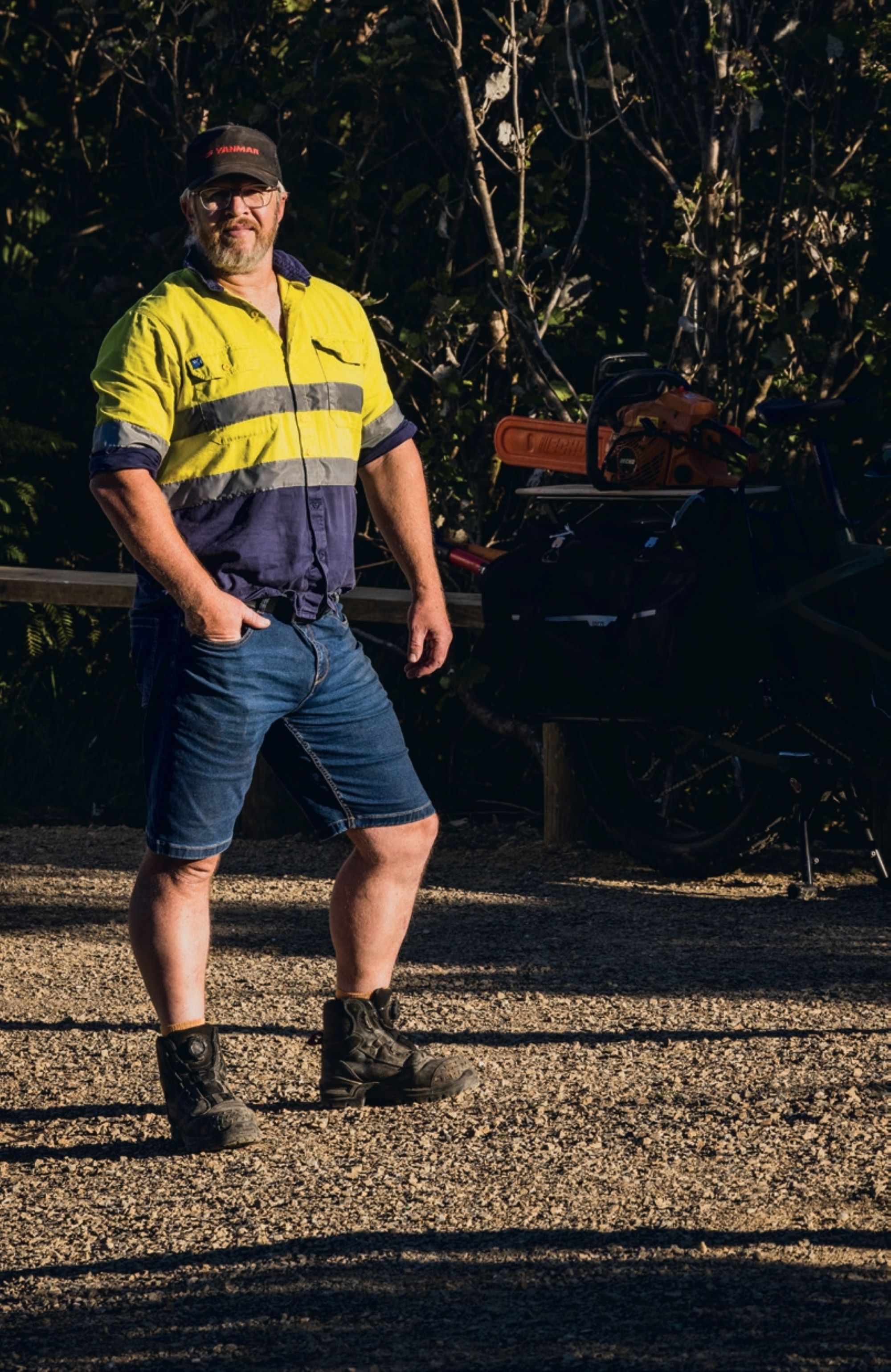
TRAIL DOCTORING
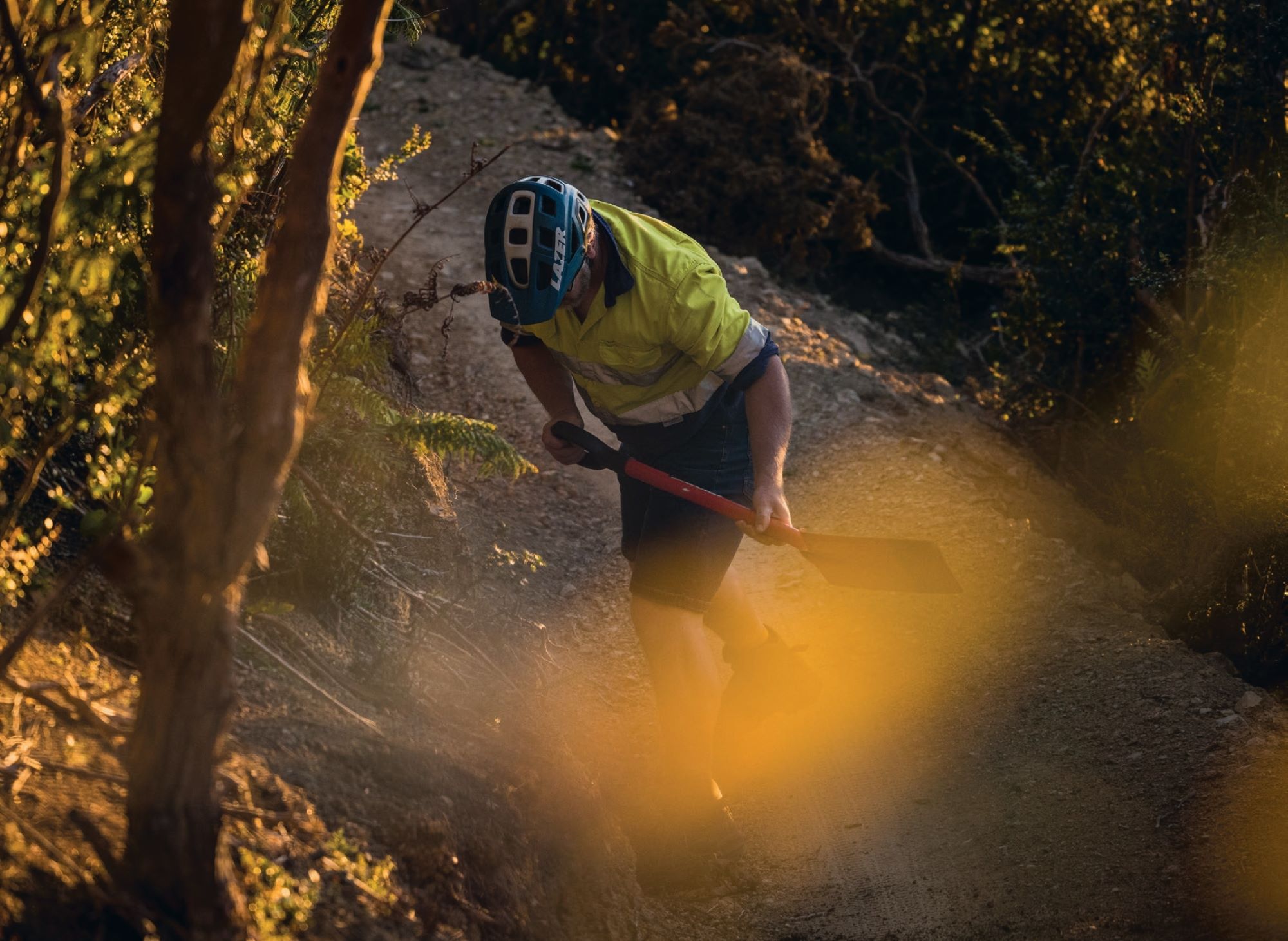
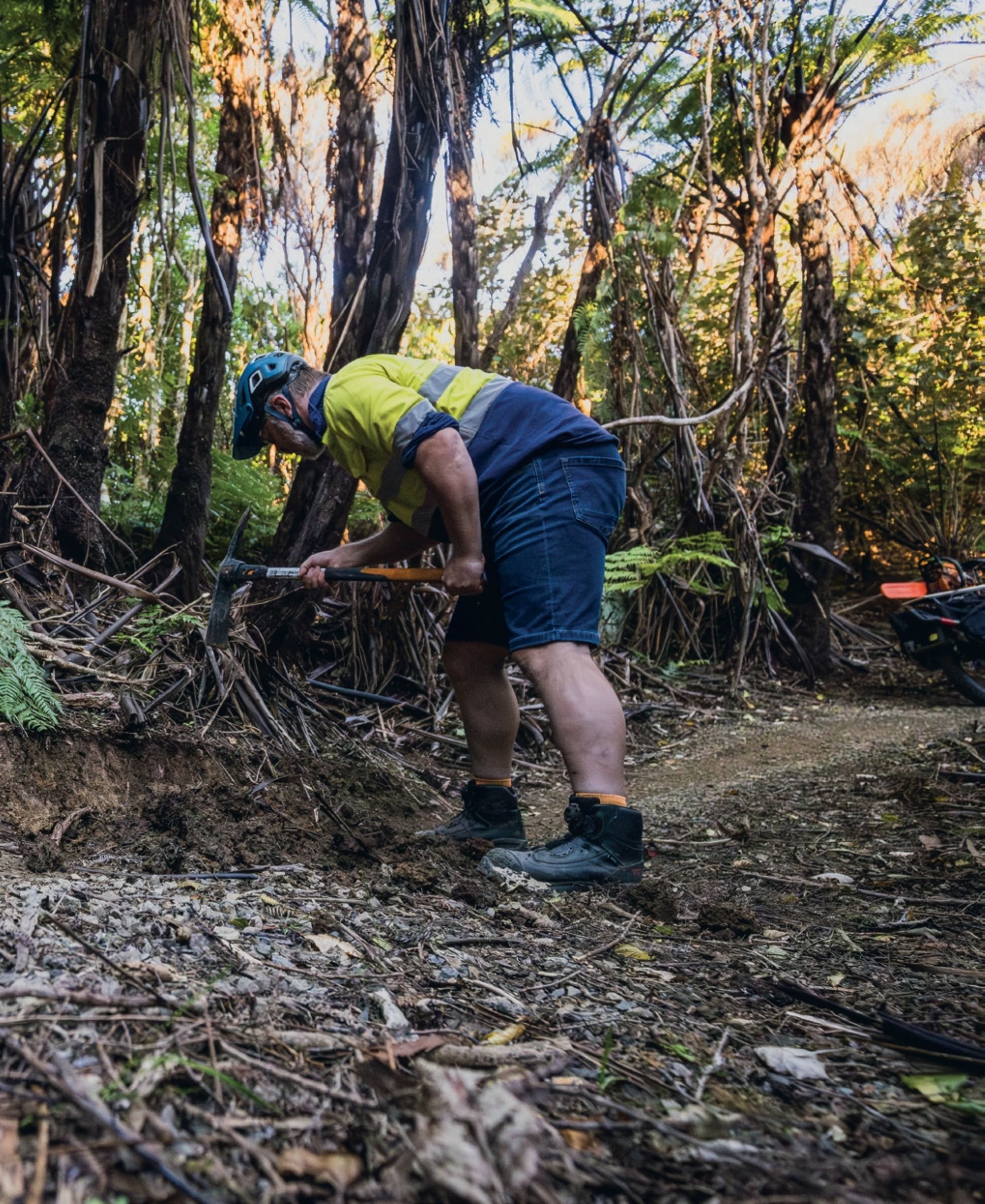
Toward the end of his time at Mud Cycles, Ricky helped out local trail building company Thomas Lindup’s TGL Contracting, to the point where he decided trail building was his future. He sold out of Muds’ in 2021, and continued on with TGL until 2023 when he formed his own company, drawing on his nickname to start “Slack Trails”.
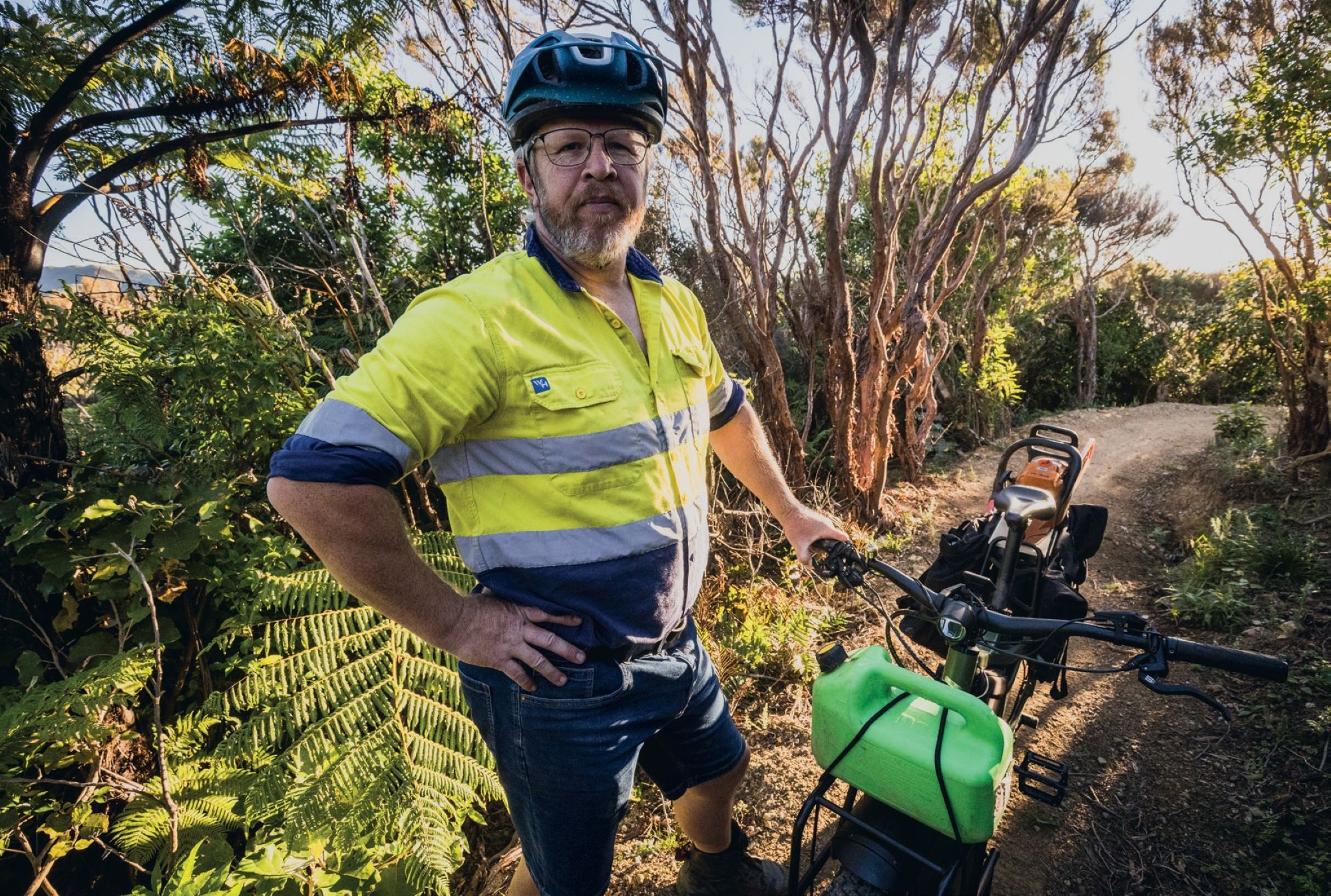
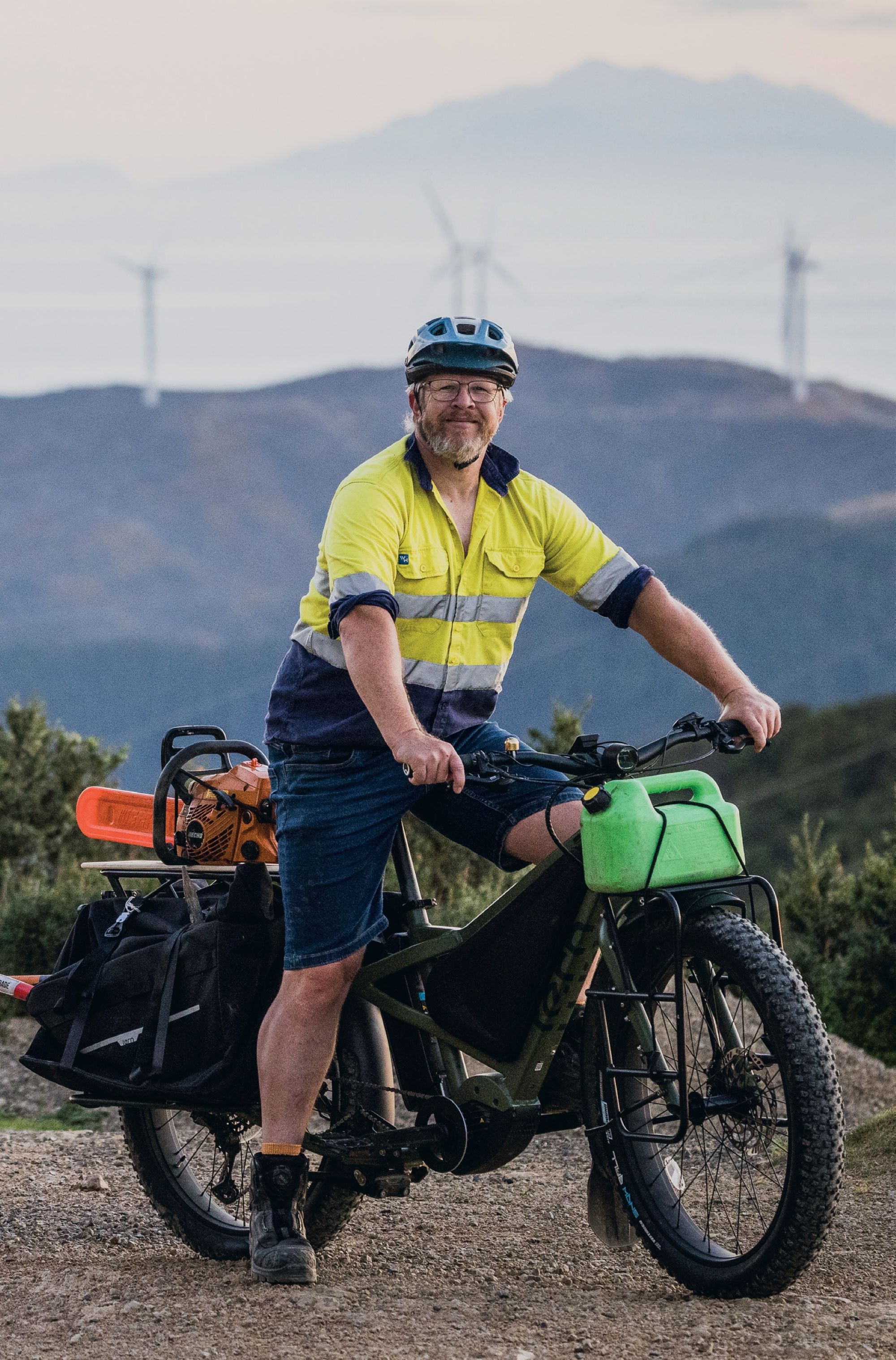
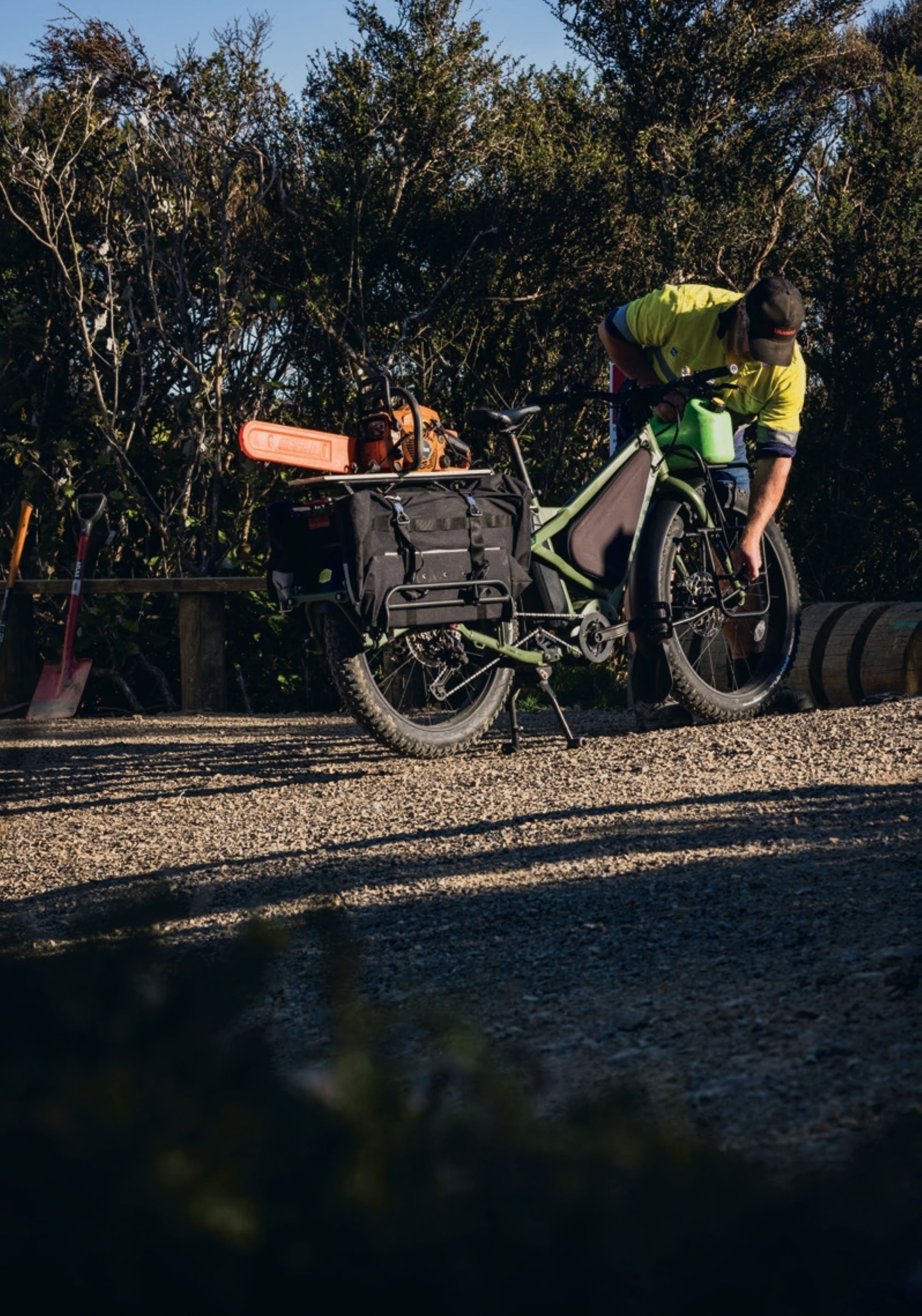
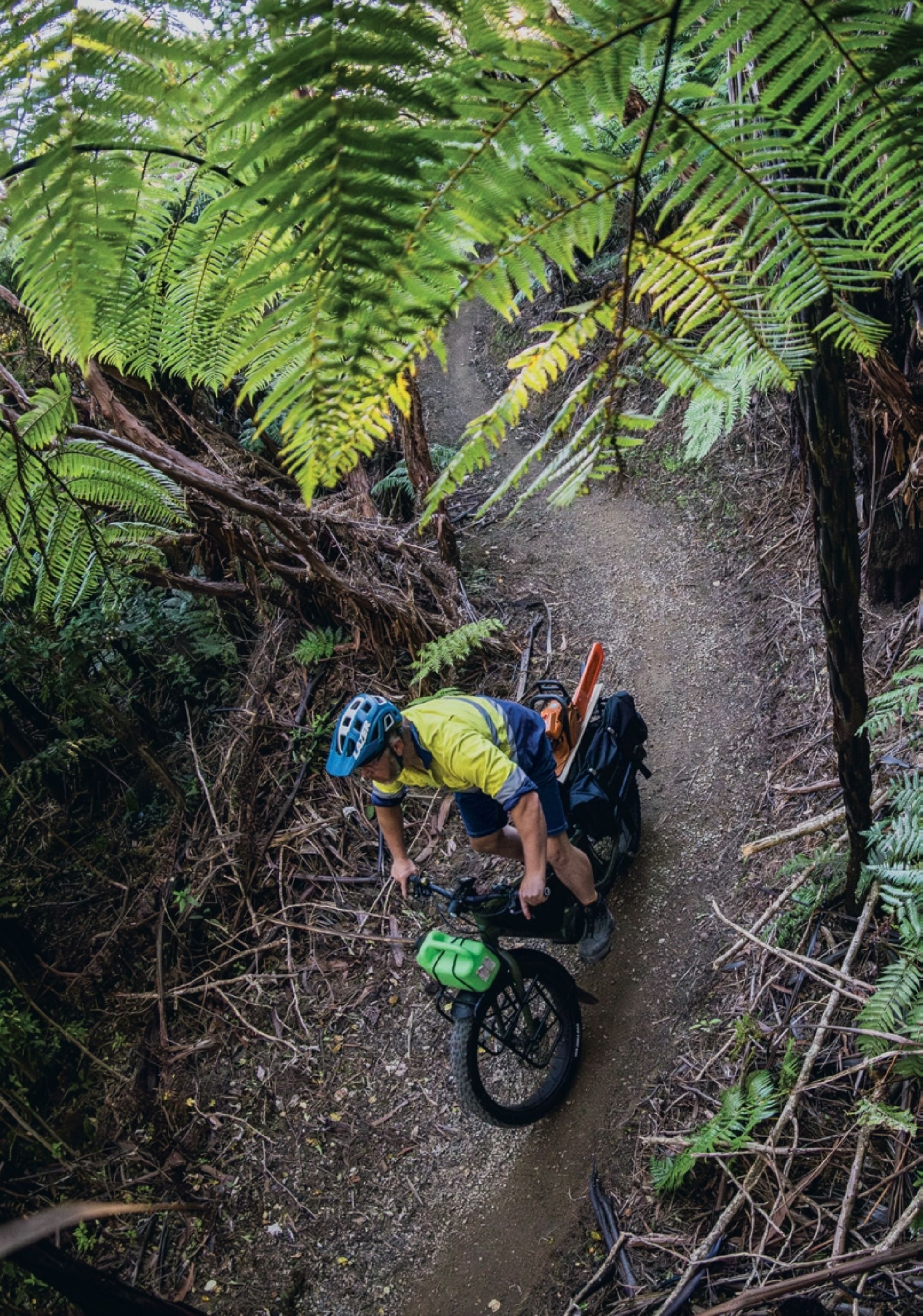
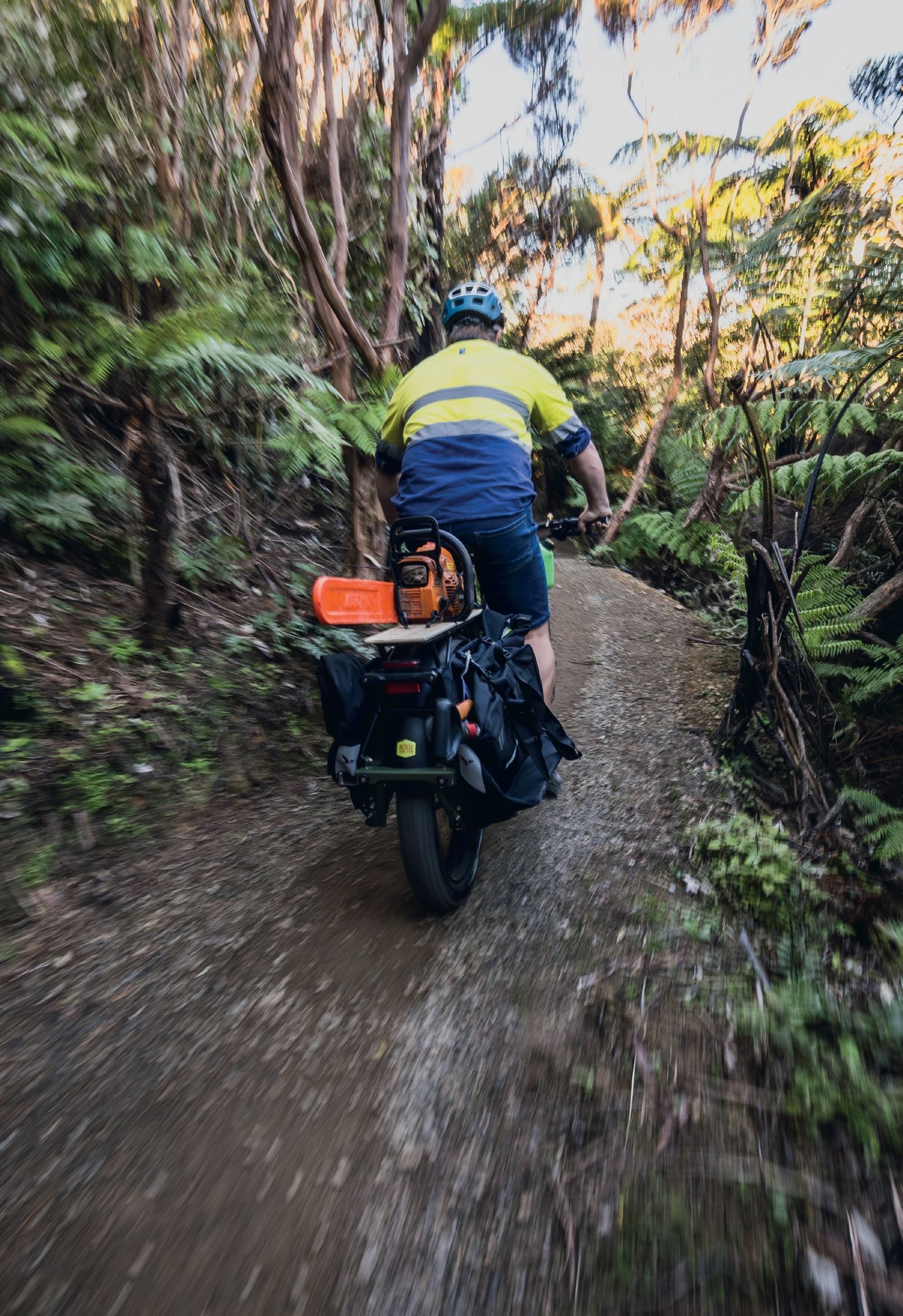
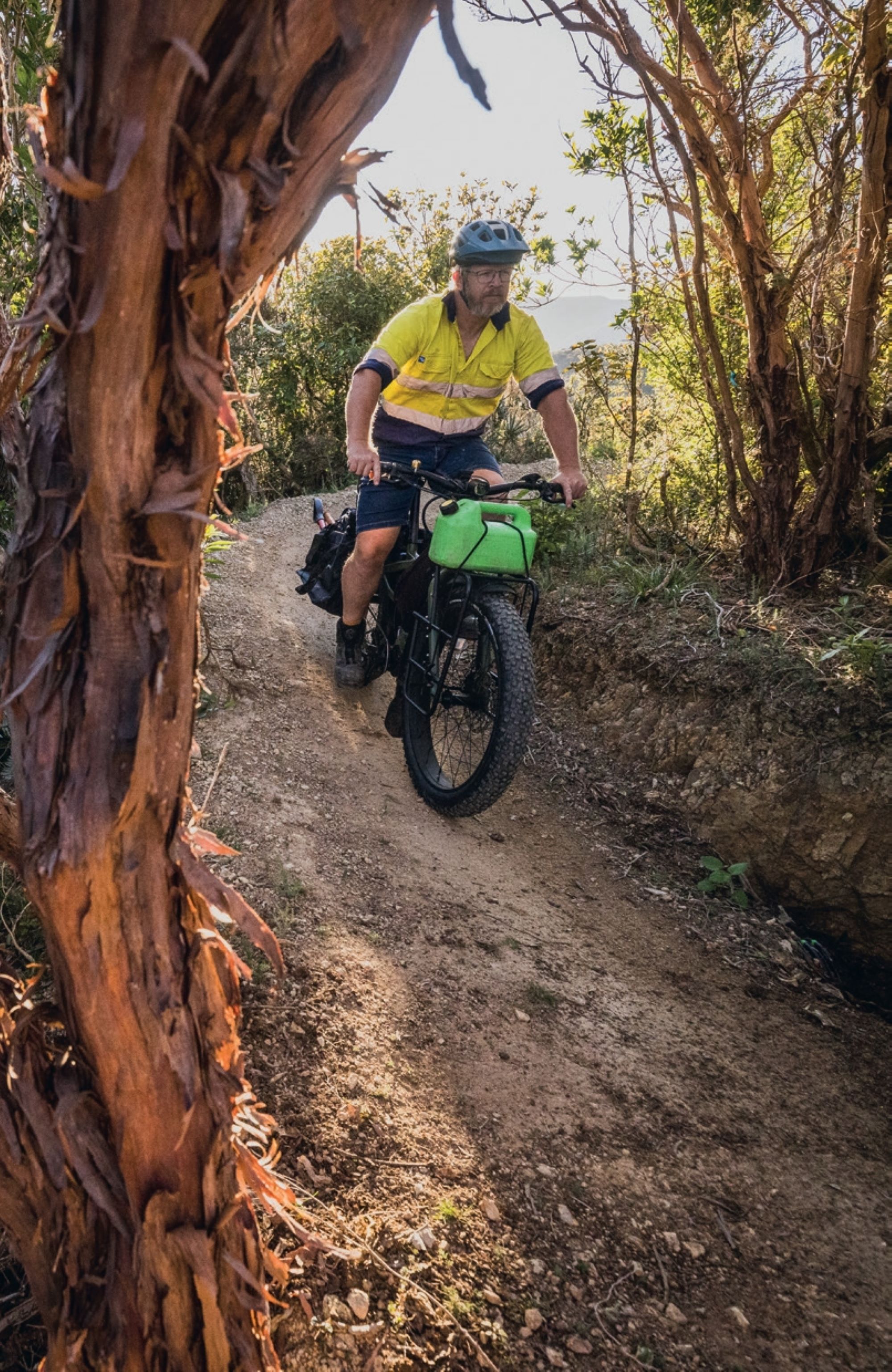
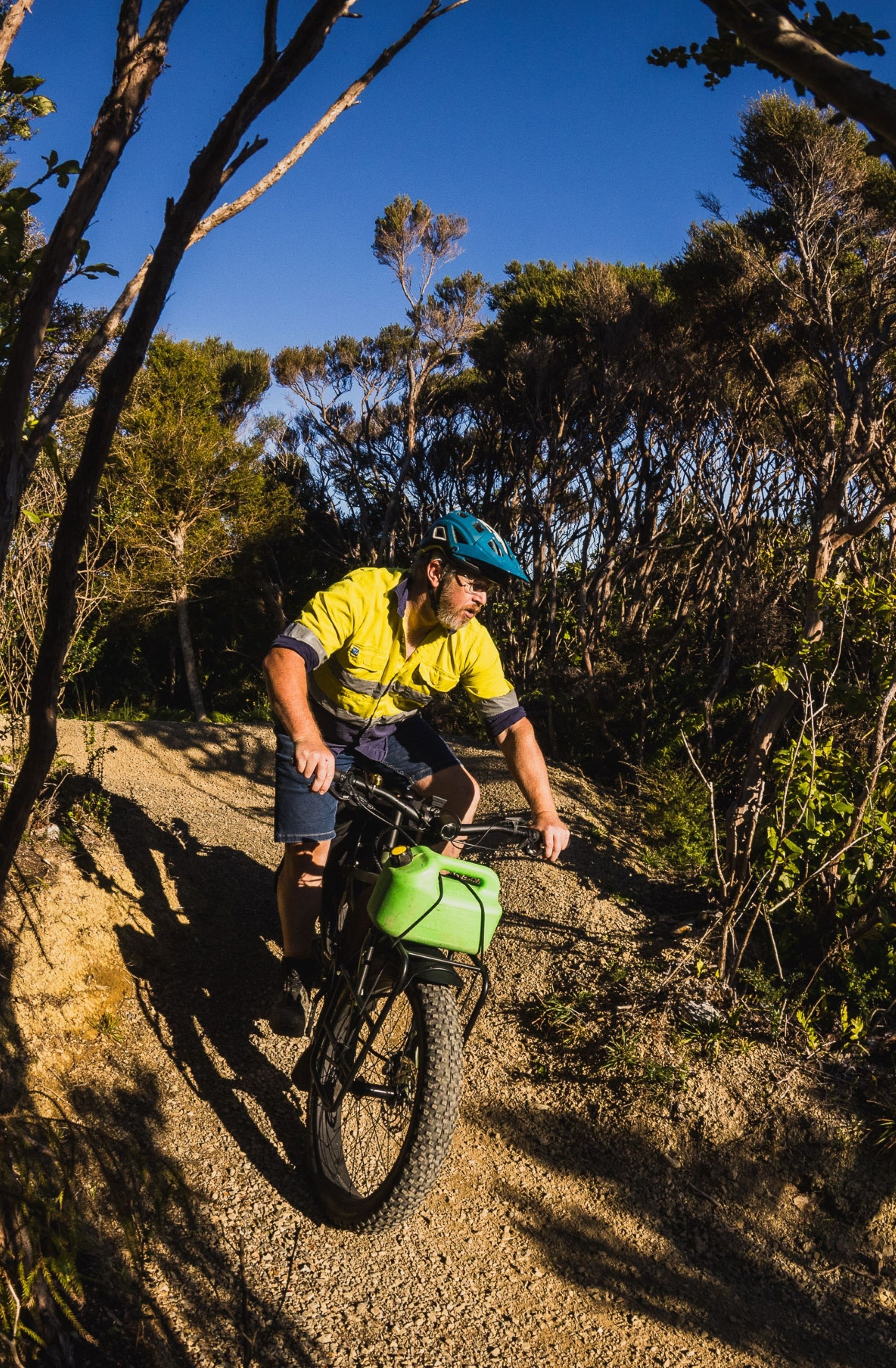
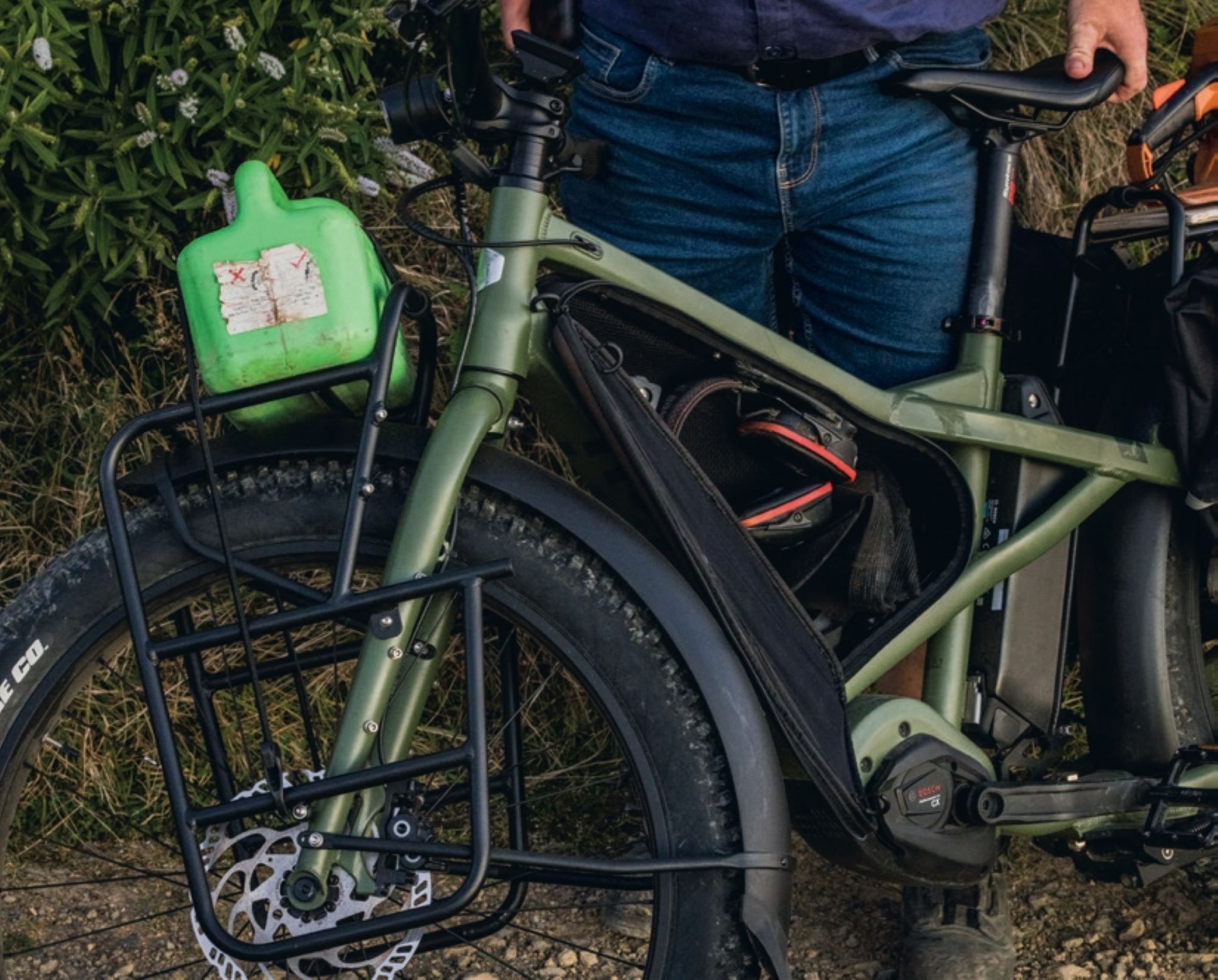
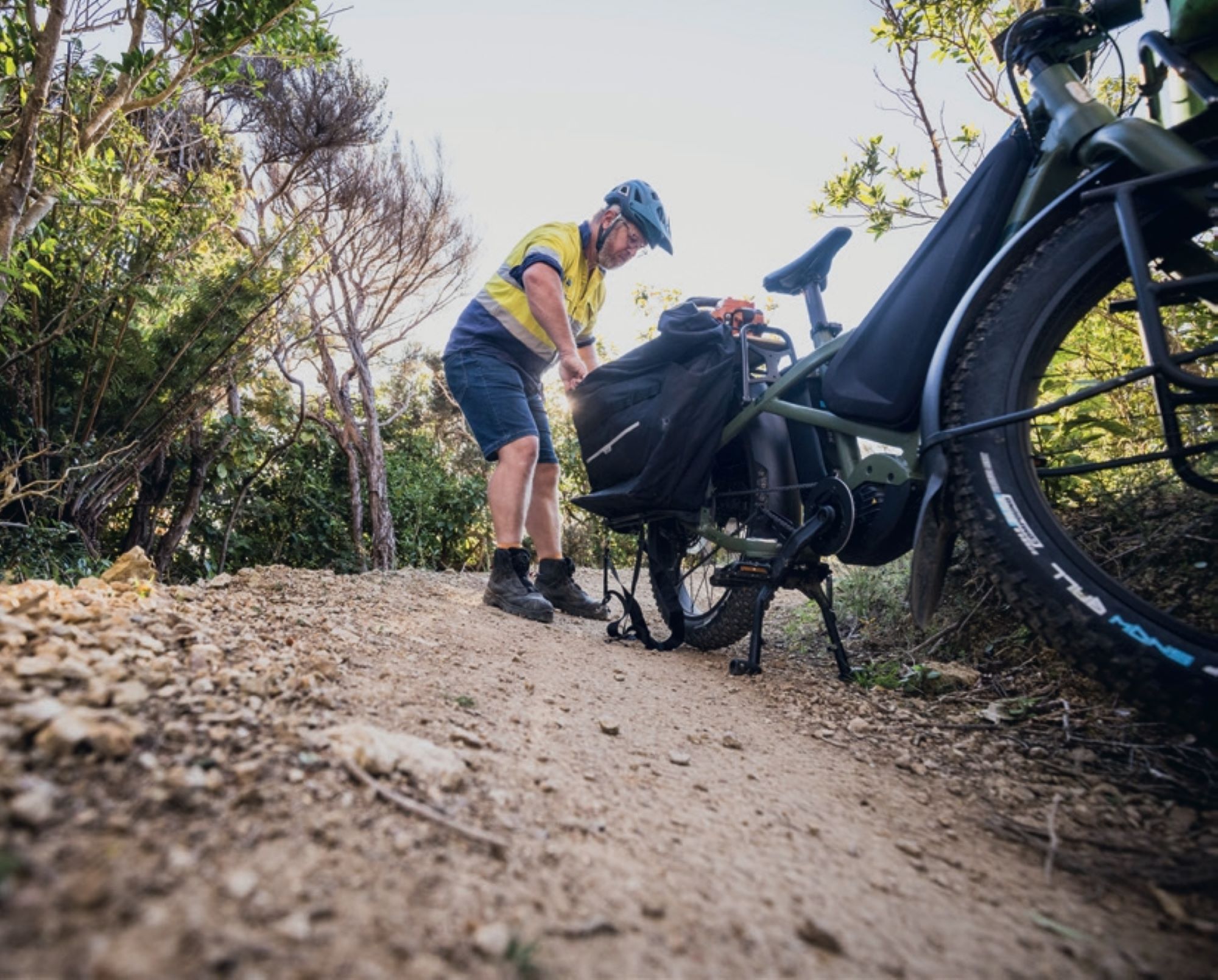
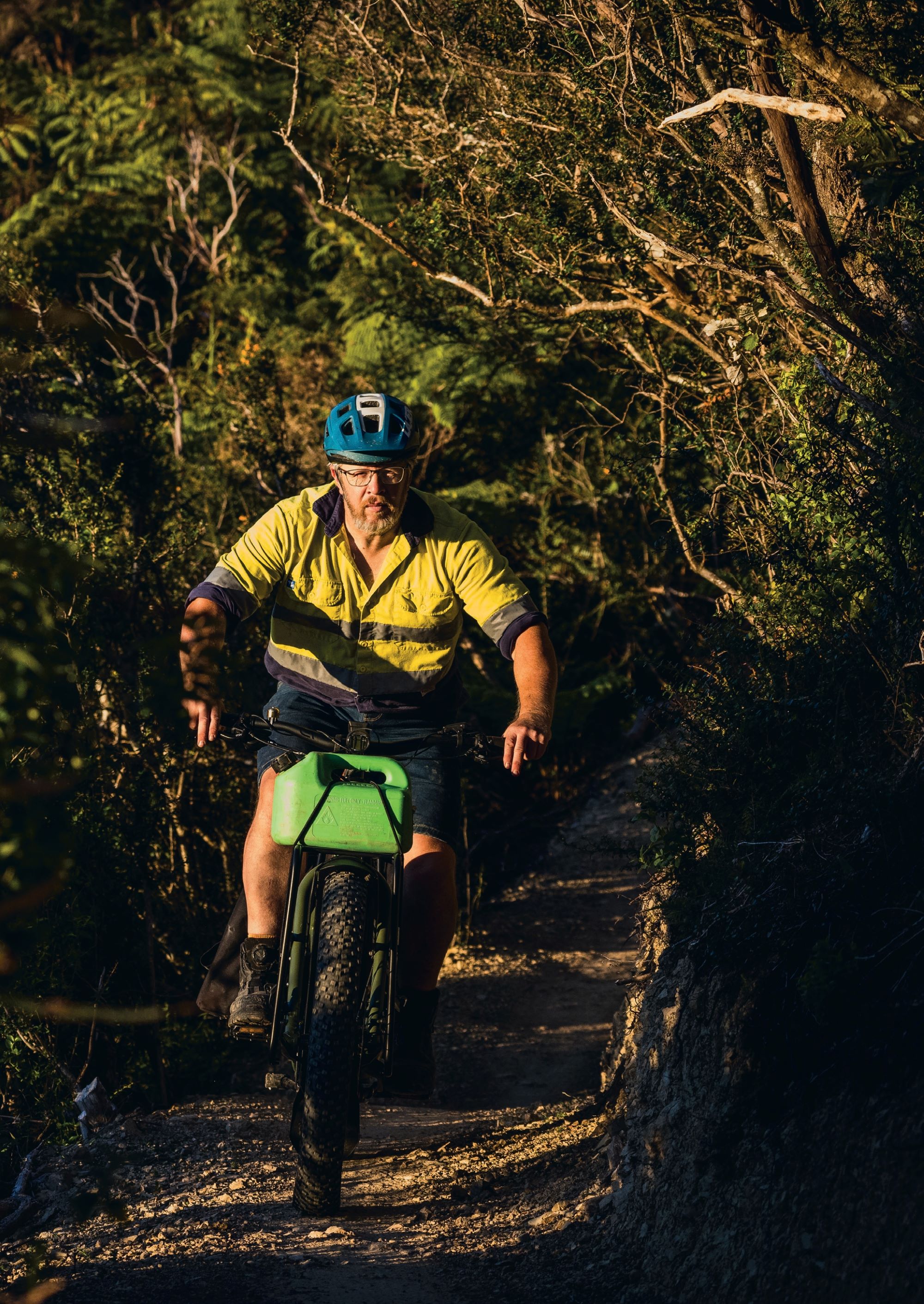
In the absence of owning a ute, one of the first tools of his new trade was a Boschpowered Orbea Wild eBike, with a trailer for hauling the necessary trail building equipment and fuel for machinery.
He rates eBikes as super handy for general access to remote worksites and times when you need to drop fuel or water stores down a long trail ahead of a big weed whacking or spraying session, eliminating the need to carry those liquids with you or returning to base to top up.
When NZ MTB Magazine caught up with Ricky, he’d taken possession of a rugged new Tern Orox, a heavy-duty, fat-tyred, all-terrain e-cargo bike, to try out for a few weeks. Sourced from Bicycle Junction in Wellington’s inner-city Marion Street, the Orox is capable of carrying heavy loads and two batteries for extra range. It’s driven by a Bosch Performance Line CX motor.
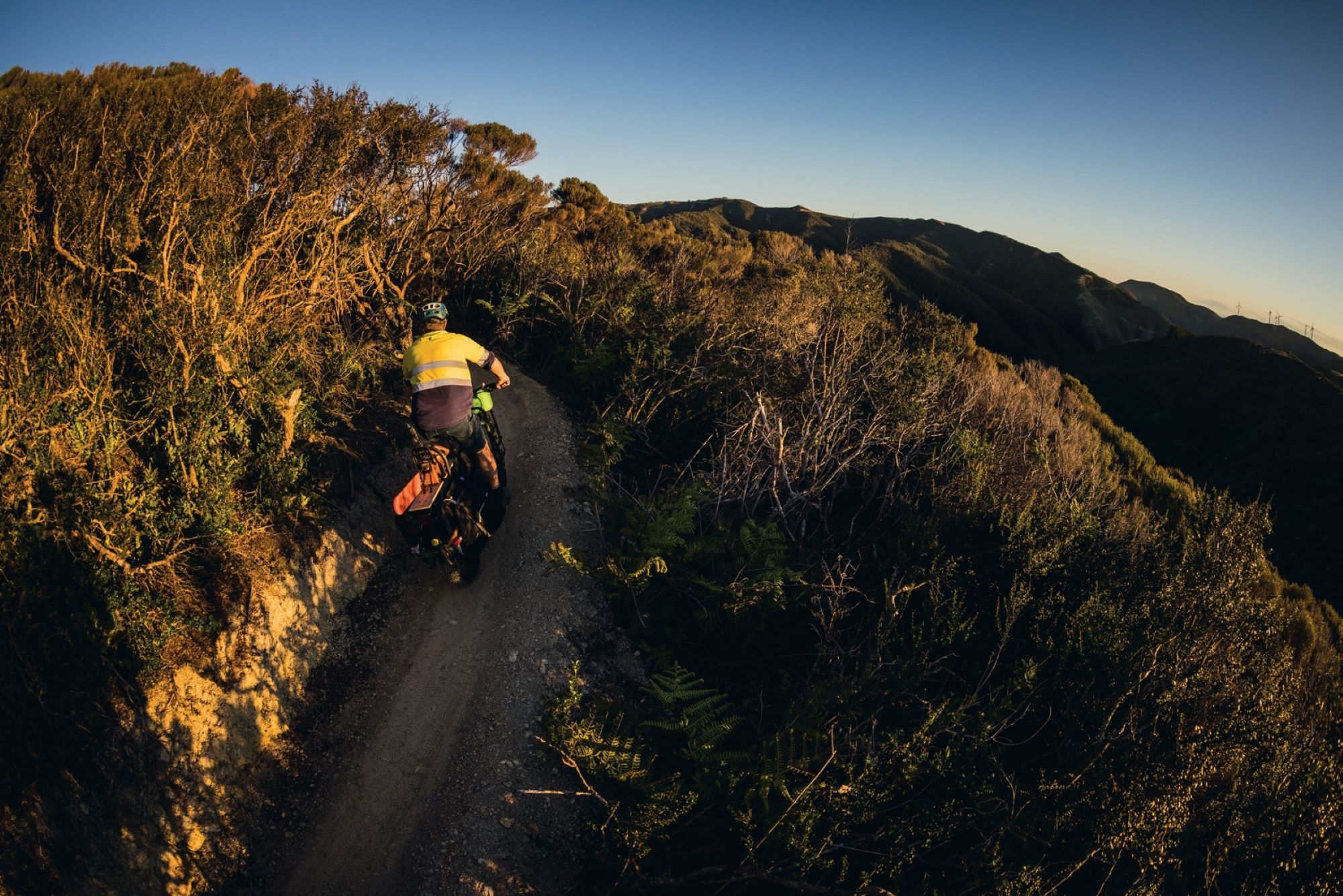
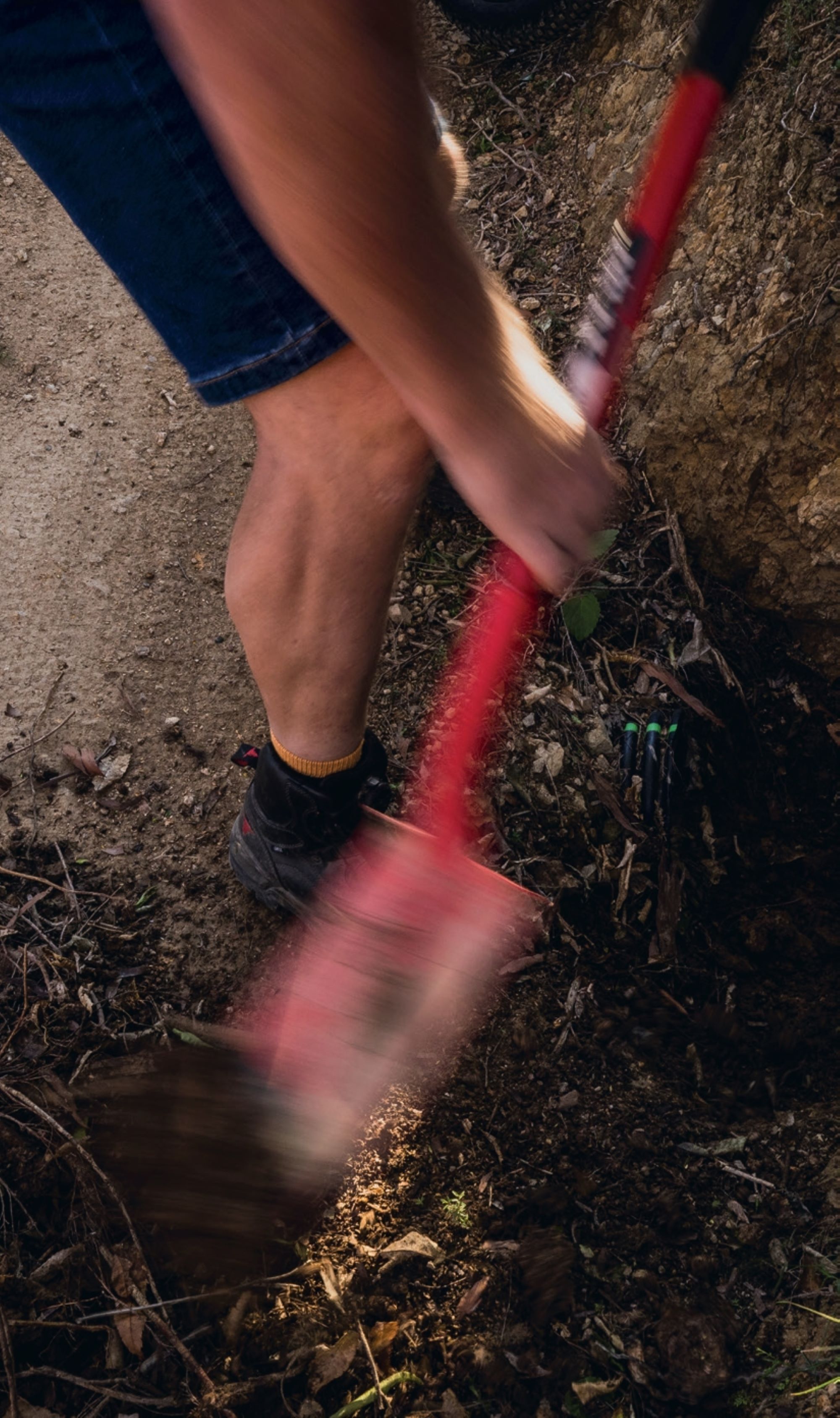
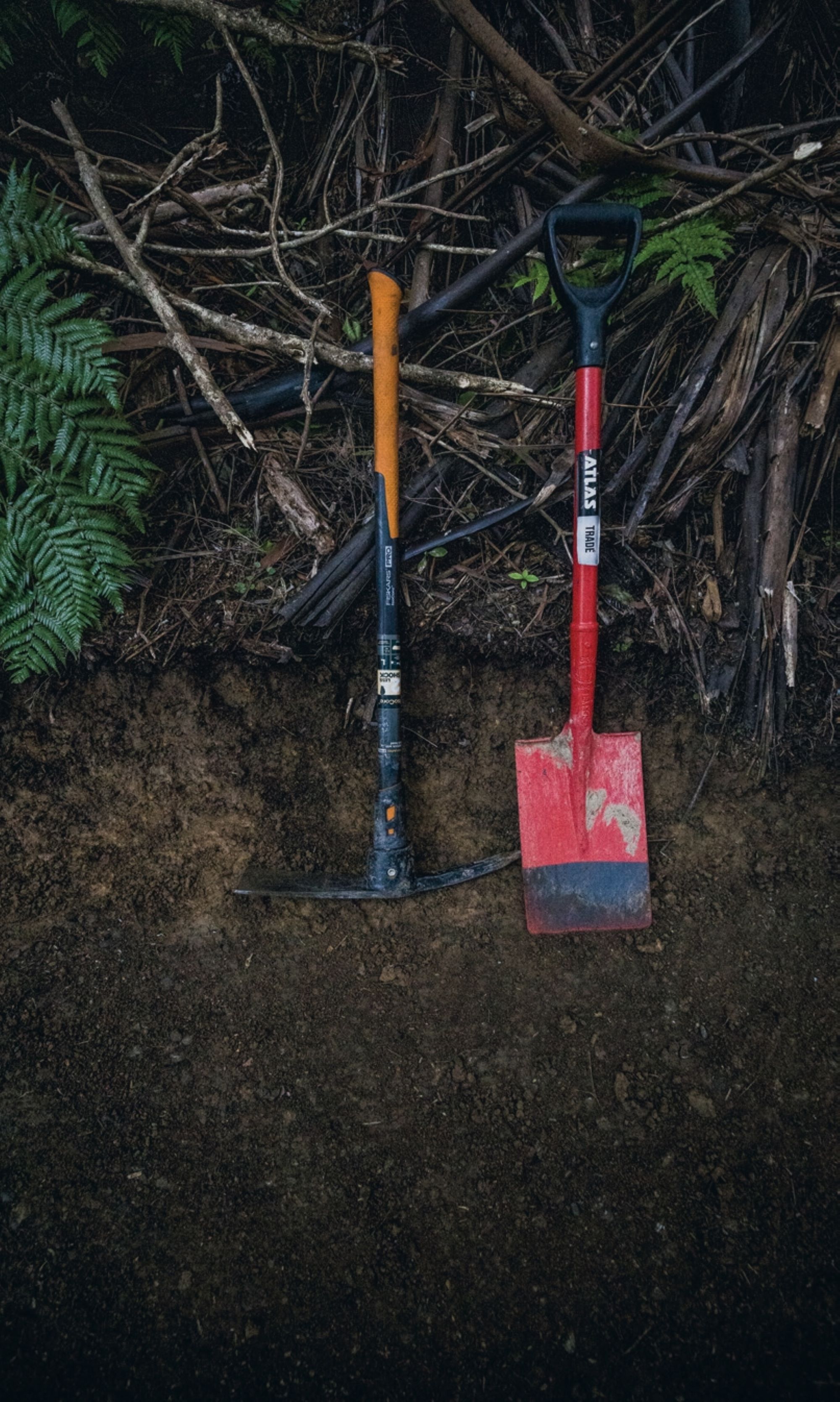
Today, largely for efficiency, Ricky’s tools include a 1.2 tonne digger, a self-loading track barrow, compactors and, of course, all the hand tools required for finishing and shaping jobs all over the Wellington region – all of which offer up vastly different terrain and soil types.
“I’ve made a study of trail building since I was 18 and have always been interested in it,” Ricky says. “I’ve learned a massive amount and I’ve made a crap tonne of mistakes, but the big thing is trying to learn from those and not make the same mistakes repeatedly.”
These days, knowing what water and braking does to a trail is always front of mind when he’s building.
“Braking can be almost as destructive as water. So I think about where braking spots are and how compression of bikes under braking and cornering forces work, because that moves the dirt around… trying to minimise low points in the compressive part of a turn.”
Using bigger gauge drainage pipes more often in an attempt to control water and the old trick of grade reversals before corners, for example, can help mitigate some of the trail damage caused by water and dragging brakes.
He reckons trail building is sometimes like archeology, where if you dig deep enough on a repair or maintenance job, you might unearth the original trail, perfectly preserved under layers of silt and foul-smelling compost from years of decayed leaf litter.
Ricky says he’s “super proud” of the part he’s played and continues to play in the Wellington cycling scene and further afield, and he’s more than happy to share what he’s learned with other trail builders and volunteer groups.
His current workload includes a weekly maintenance day in the now 27-yearold Mākara Peak MTB Park, with the park’s fulltime Ranger, Mark Kent.
“It’s awesome seeing the change that’s happened over the years. The sense of community in mountain biking and trail building in Wellington and New Zealand is just amazing.”
His ideal build is one where the trail caters to the widest range of users and their different riding speeds and abilities, providing something entertaining for the majority.
“Seeing people really enjoying the trails, that’s what keeps me going to be honest.”
He also admits his happy place is “playing on toys”, whether it be his fleet of mountain bikes, a motorbike, a 4WD vehicle or the work tools. “It’s every little boys’ dream to have a digger isn’t it?”
You can’t argue that when a childhood dream becomes reality, that’s a good place to be.
SLACK BOY – FUN FACTS
Favourite trail he’s built
‘Alaskan Pipeline’, Wairoa Gorge.
Favourite trail he’s not built
‘Creamed Rice’, Wairoa Gorge.
Favourite trail riding area
Wairoa Gorge.
Biggest bugbear (among many)
Having to repair or maintain trails where organic material was left in the trail when it was first built.
Matt Walker: Chapters of Life
Words Lester Perry
Images Sven Martin
For most people, life is split into distinct chapters. The pages turn as we transition from one chapter or season to another.
As we grow and develop, some of these pages turn for us with the structure of life: we’re born, school begins, school ends, real life begins, and eventually death comes. We have little control over each end of our lives; those chapters are chosen for us. The middle part – the meat-and-potatoes of the story – is ours to write: a new town, a new job, relationships. Generally, we have some control over what happens in this part of our lives.
Elite mountain bikers have chapters, too. Some they choose, some are chosen for them. The start of a career is chosen, perhaps gradual at first, but eventually a page is turned, and they become serious about the sport as a career. Full-time training, full-time recovery, sponsors and, if they’re lucky, a long and enjoyable career. Some choose to go out on top; others have the choice made for them by injury, a lack of sponsors, or factors they simply can’t control.
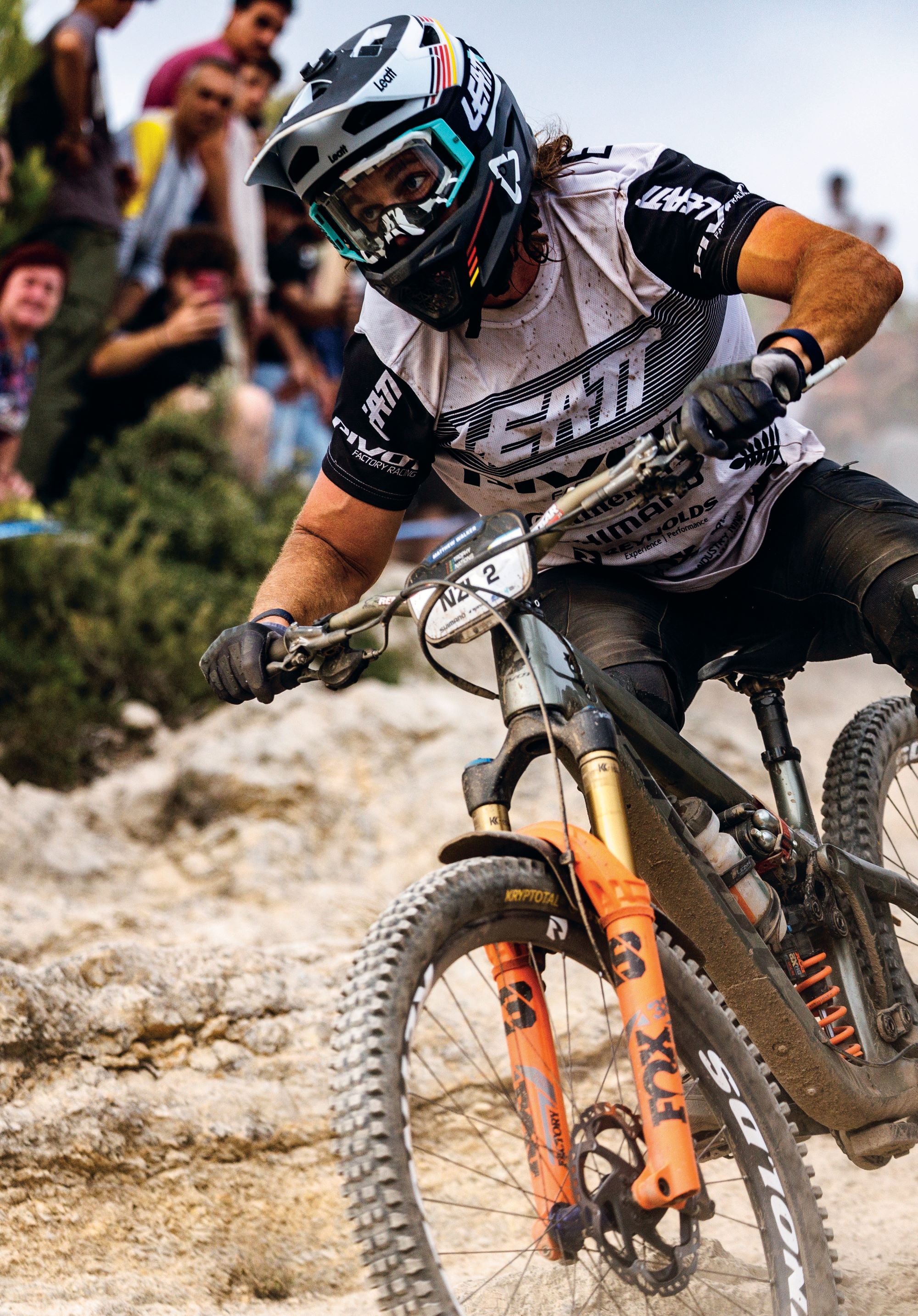
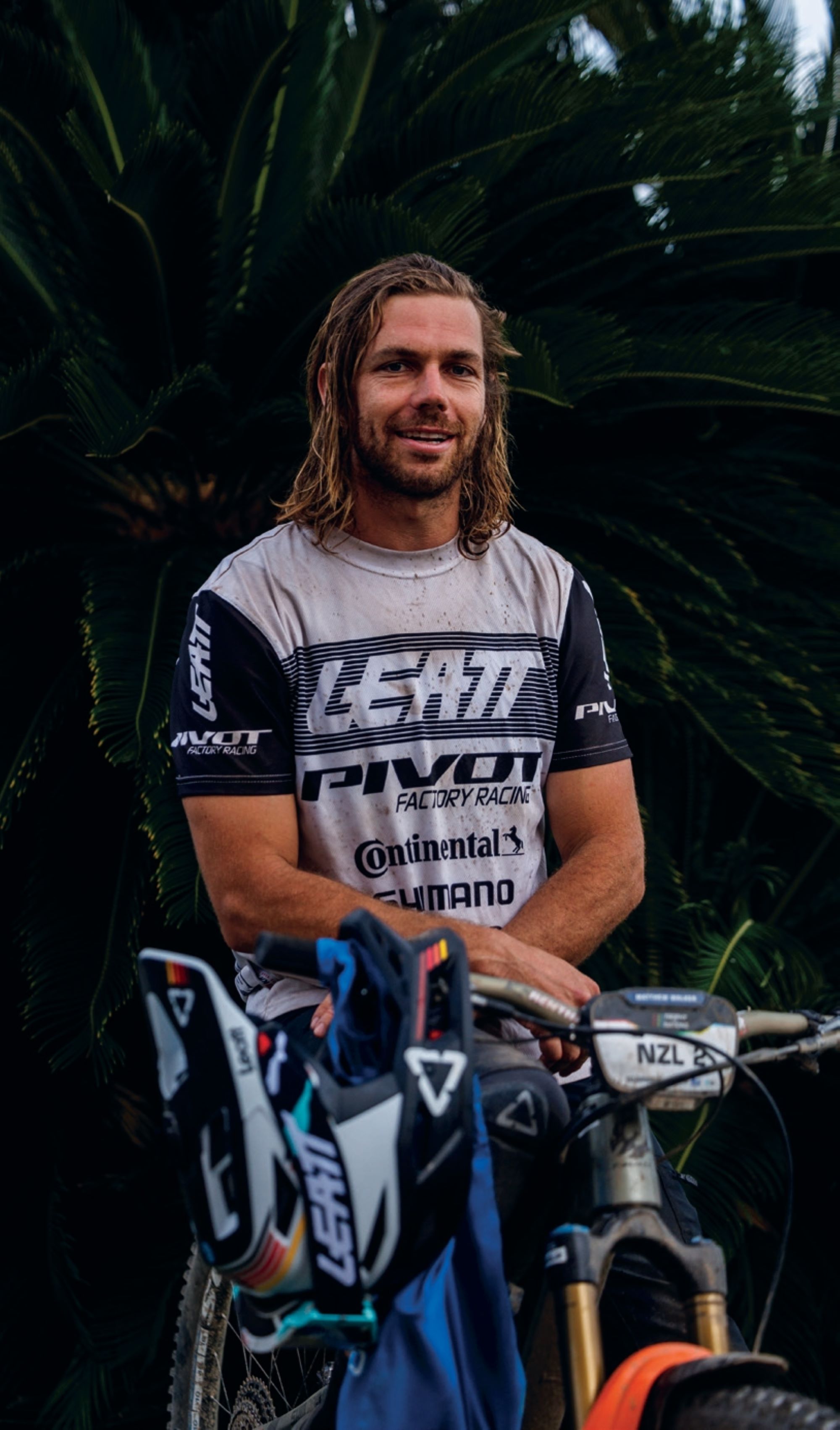
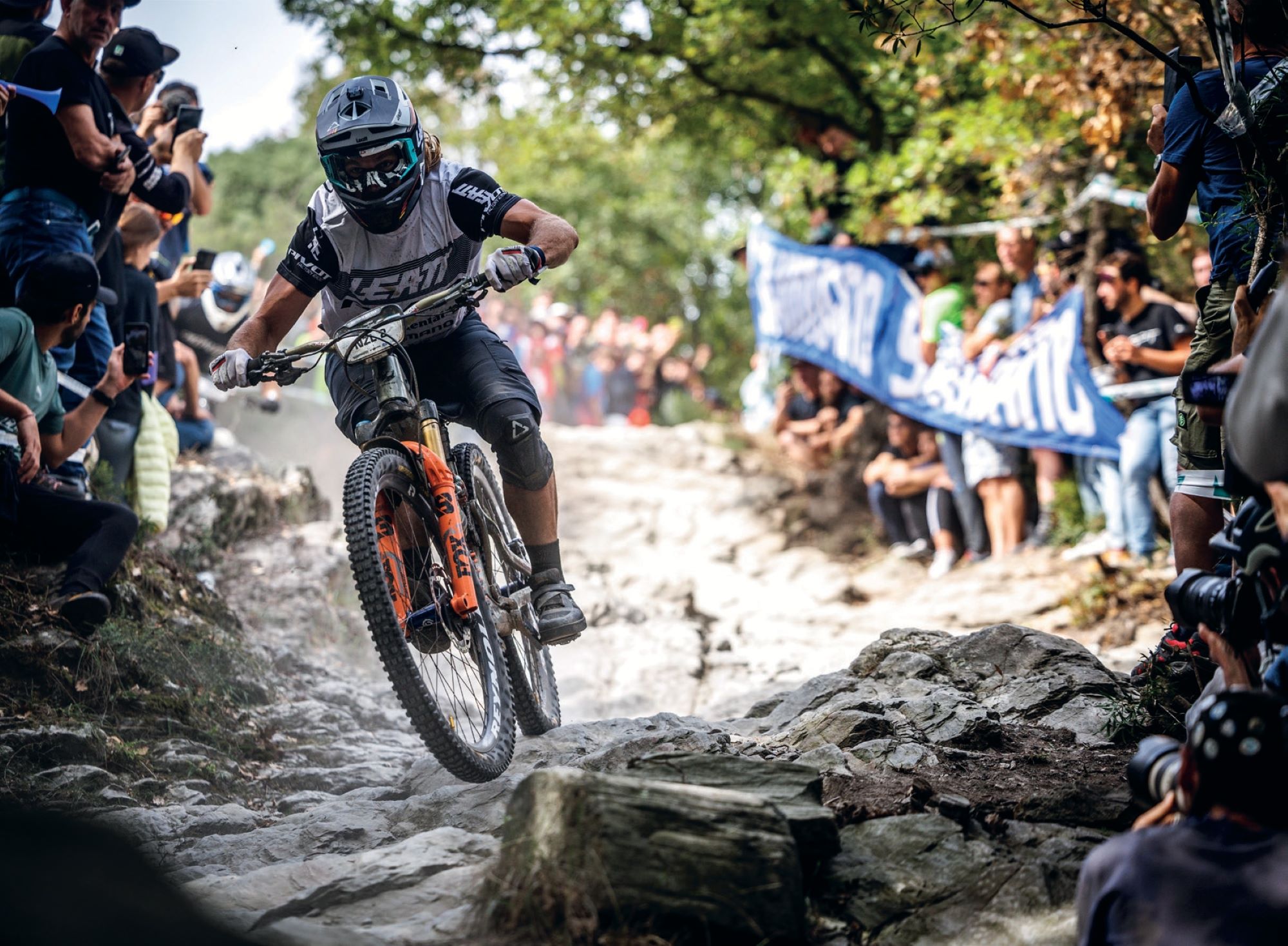
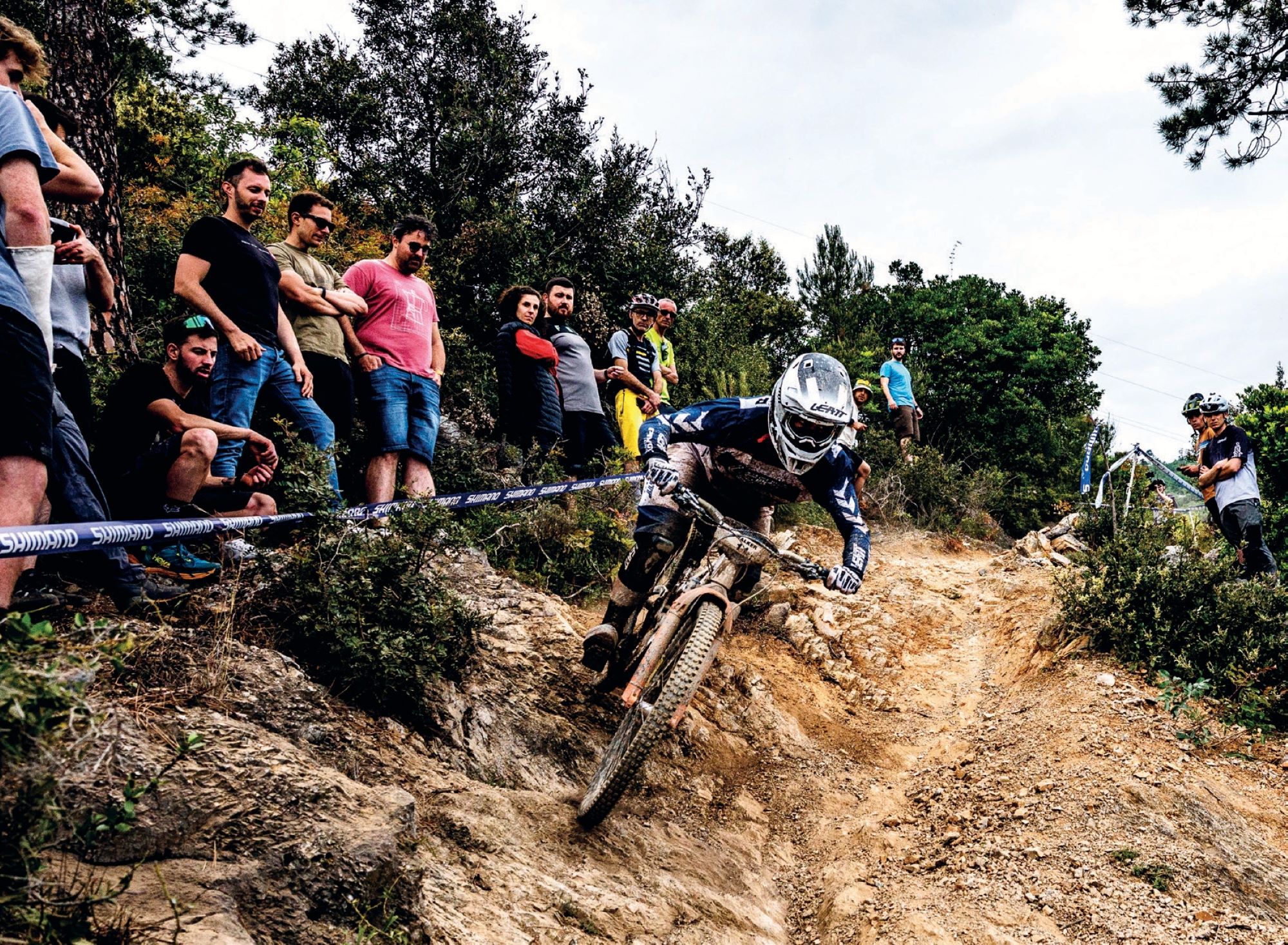
Matt Walker, AKA ‘Waxer’, a 35-year-old downhill and enduro mountain bike racer, now based in Queenstown, knows all too well about chapters; his life and career have many. Although he’s only partway through writing his story, the tale so far is an interesting one, full of twists, turns, victories, and failures.
In August 2025, Matt announced his retirement from the top level of the sport and in doing so completed the chapter of his elite-level competitive career.
Chapter 1 – The Beginnings
Originally hailing from Kawerau, a small logging town in the Bay of Plenty, Matt began life on two wheels, fanging around on a BMX. His sister, Sarah, saw Matt having a good time on the bike and wanted a piece of the action too. She dove headfirst into the BMX world, eventually working her way to the top of the sport and the Olympic podium. While Sarah stuck primarily with the little wheels throughout her career, Matt graduated to big wheels and chased the MTB dream.
Gravity was his focus, and by 2007, his BMXesque style stood out amongst his competitors. Matt’s fluid style and effortless flair were always a target for photographers at races. A mid-pack finish in the U19 National Downhill Championship in January on the infamous Fringed Hill, Nelson, had given a taste of success and he wanted more. In the following twelve months, Matt had jumped the ditch a couple of times, claimed a podium at an Aussie National Series round, and hit the ground running in 2008 with a third-place finish in the U19 Downhill National Champs at Long Gully, Wellington.
“My best memories are probably from some of the early NZDH and national series days, road tripping around NZ with mates, getting up to mischief and riding lots of bikes. There were so many good tracks, and the scene was just full of good people. A lot of them I’m still really good mates with now! We are lucky here in NZ with the culture of riding and type of people it attracts. After travelling the world to ride, I see just how lucky we are here in NZ to have so many worldclass places to ride right on our doorsteps.”
Chapter 2 – The OE
In 2008, a new chapter began as Matt headed to Europe to chase the World Cup Downhill Series. It was the classic Kiwi OE, with a competitive twist – chasing downhill and fourcross races. Like most Kiwis who followed that path, the first season racing on the world stage was a tough one. The learning curve was steep, and the results were unheard of.
“I learnt Europe was a big change, mentally more than physically. I found it hard to ride how I knew I could. It’s far too easy to put extra pressure on yourself, and it means you ride tight or overthink some of the basics. Figuring out how to deal with the mindset and the pressure of being on the world stage took me longer than I wanted, but I got there in the end!”
In the years following that first European stint, Matt became a mainstay at races throughout NZ but also jumped the ditch regularly to mix it up in Australia. Good results were sporadic for a couple of years following the first World Cup campaign. By 2011, though, he was on the podium more consistently, and whenever the National Series visited his then-adopted hometown of Rotorua, he was a sure shot for a win, or at least a podium.
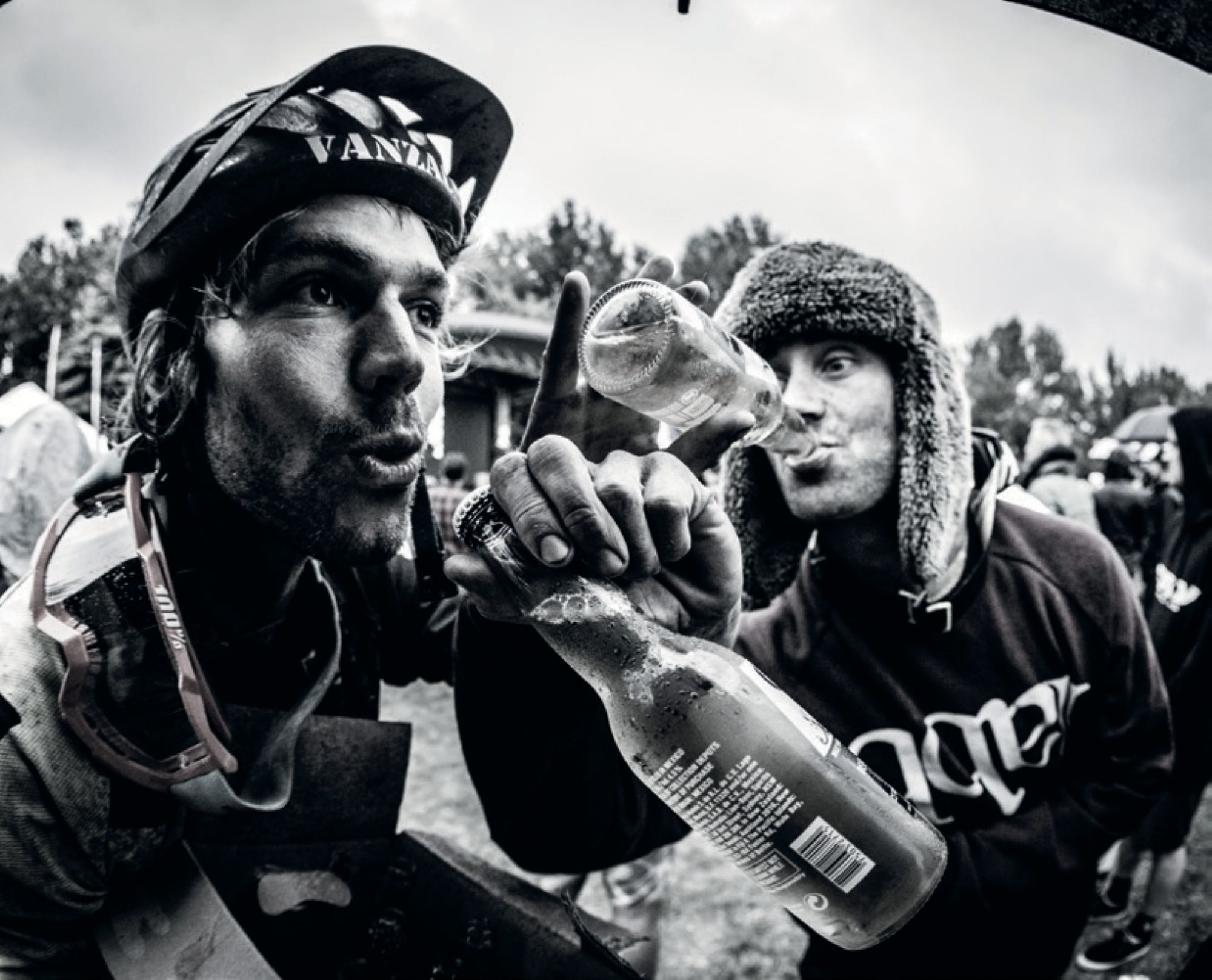
By 2013, Matt was ready to take on the World again. Together with a handful of mates, now known as ‘the Vanzacs’ (because of their trans-Tasman makeup), loaded a van and hit the road, crossing the continent chasing races and the best riding they could find. Christened ‘The Marae’, the van had its name written across the front in black masking tape. ‘The Marae’ became a meeting point for privateers squatting in the pits of World Cup venues. Times were good, riding was loose and fun times were many, as were the tricks they learned to maximise their dollars while living on the road.
Chapter 3 – The step up
In 2016, at age 25, Matt signed with the Cube Global Squad team, alongside Greg Williamson from Scotland. The duo targeted World Cup downhill races, Crankworx series events, European Cups, and some Enduro World Series (EWS) races.
Crankworx Rotorua 2016, the first round of the global series, was a big moment for Matt. Solid results over the week, including a win in the Crankworx Toa Enduro, had him finish the festival leading the King of Crankworx competition.
A month later, Matt was again on the podium, this time in 2nd place at the EWS Rotorua, finishing between Kiwi brothers, Wyn (who won by three seconds) and Eddie Masters in 3rd, roughly three seconds behind. A historical Kiwi 1-2-3 at a worldclass event, the trio beating the world’s best.
Unfortunately, before Crankworx round two, where he would defend the ‘King’ lead, injury struck and he was out for some time. A broken finger required surgery, then he was back on the bike and crashed again, breaking a collarbone. He came back from that, then soon after, it was a broken shoulder blade sidelining him. Matt’s resilience, mental strength and neversay-die attitude kept him fighting through all the injuries of his lengthy racing career.
“Some of the biggest challenges were returning to racing from the smaller, ‘stupid’ crashes that you get injured from. At least when it was a proper hugey, you almost feel like you deserved the injuries, but when it was a small awkward crash that sidelines you for a while, it definitely reminds you how easy things go wrong and I found that it made me too cautious when coming back into racing, which can be so frustrating.”
“It’s funny ‘cause I would tend to come back really strong and focused after a big injury. First race back from a full season off after a knee reconstruction, I got a 4th at an EWS. Then the season after a shoulder surgery and breaking my neck, I won a round. The worst for me were probably the ongoing niggling injuries that just impacted my racing, but I didn’t want to sound like it was an excuse, so I just sucked it up. One season it got to the point where I had a shoulder that would just dislocate while riding and racing. It would be super frustrating to have these things impact my ability to take chances or ride how I’d want to, but I learned to deal with it and was lucky to have a good support network when I got home to get surgeries booked in and done. But, it meant I didn’t get to race much in NZ which was something I always wanted to do more of!”
Finally, not long before Crankworx Rotorua 2017, Matt was finally back on the bike training again. A win in the Air DH and consistency across the other events saw him again leave the event with the King of Crankworx crown atop his head. Matt’s dominant performances across all formats confirm that he’s one of the best on a bike, regardless of what event he’s lined up for.
“One of my proudest moments was in 2018 when I gambled on myself, and it paid off. I’d done a few urban races and gone pretty well, and I knew prize money was great at them. I didn’t have enough money at the time for flights and couldn’t get any brands on board to help me get there. So, I sold my van for plane tickets to Chile for the Valparaiso street race. I went there broke, knowing I needed a 4th or better to cover my flights and buy a car again. Had an insane trip, made a few mistakes in the finals, but still got 2nd, so covered my flights and a van upgrade when I got home!”
Chapter 4 – A career cemented
At the start of 2019, Matt added to his story, signing with Pivot Factory Racing and joining Kiwi Eddie Masters to race a mix of EWS and Downhill races across the globe. Factory support, a proper pit setup and a bunch of mates to travel with: the dream!
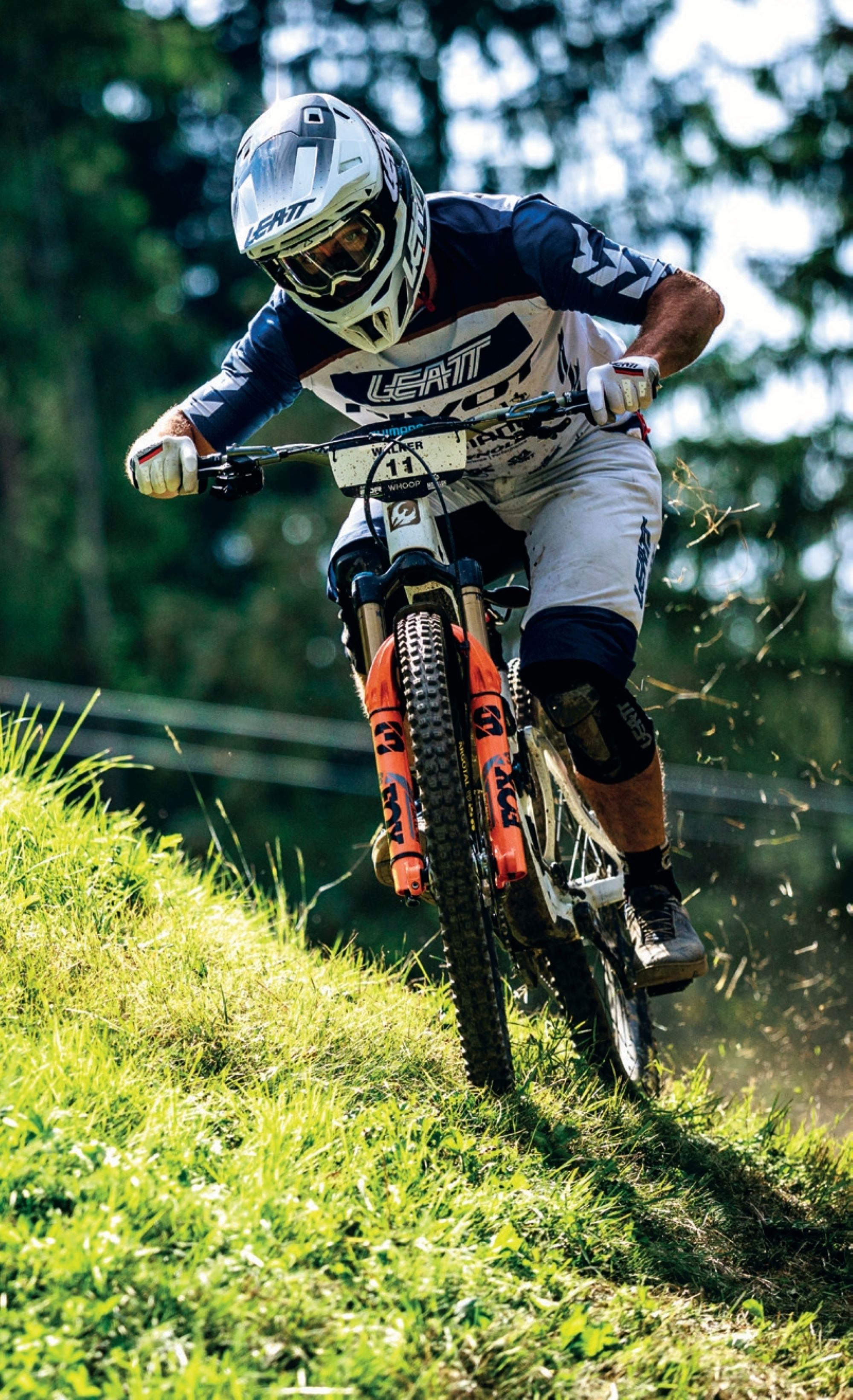
By 2019, Matt’s best results were coming from EWS races. This racing style played to his many strengths, requiring an obscene level of skills and bike handling, but also a huge level of athleticism, all managed by a cool head; all things Matt has in spades. Although he was excelling at Enduro, he was still racing World Cup downhill and even though his results weren’t as strong, he was generally still qualifying for the finals – a feat in itself.
Red Bull Hardline, in Wales, offers up one of the gnarliest courses on the planet. In 2019, Matt was selected to ride, finishing 10th while his team manager, Bernard Kerr, took the win. A huge day for Pivot Factory Racing!
“Looking back at the highlights (of his career), for sure ticking off Hardline and some of the EWS adventures that we had were massive. Huge days on the bike where you weren’t even sure you were going to be able to finish the race, going to crazy locations and riding, then racing some of the best tracks I’ve ever ridden. But I’d say the highlight has always been the mates I got to share it all with. There was always a good, strong Kiwi crew, which meant even if the race didn’t go so well, there was always a good time to be had!”
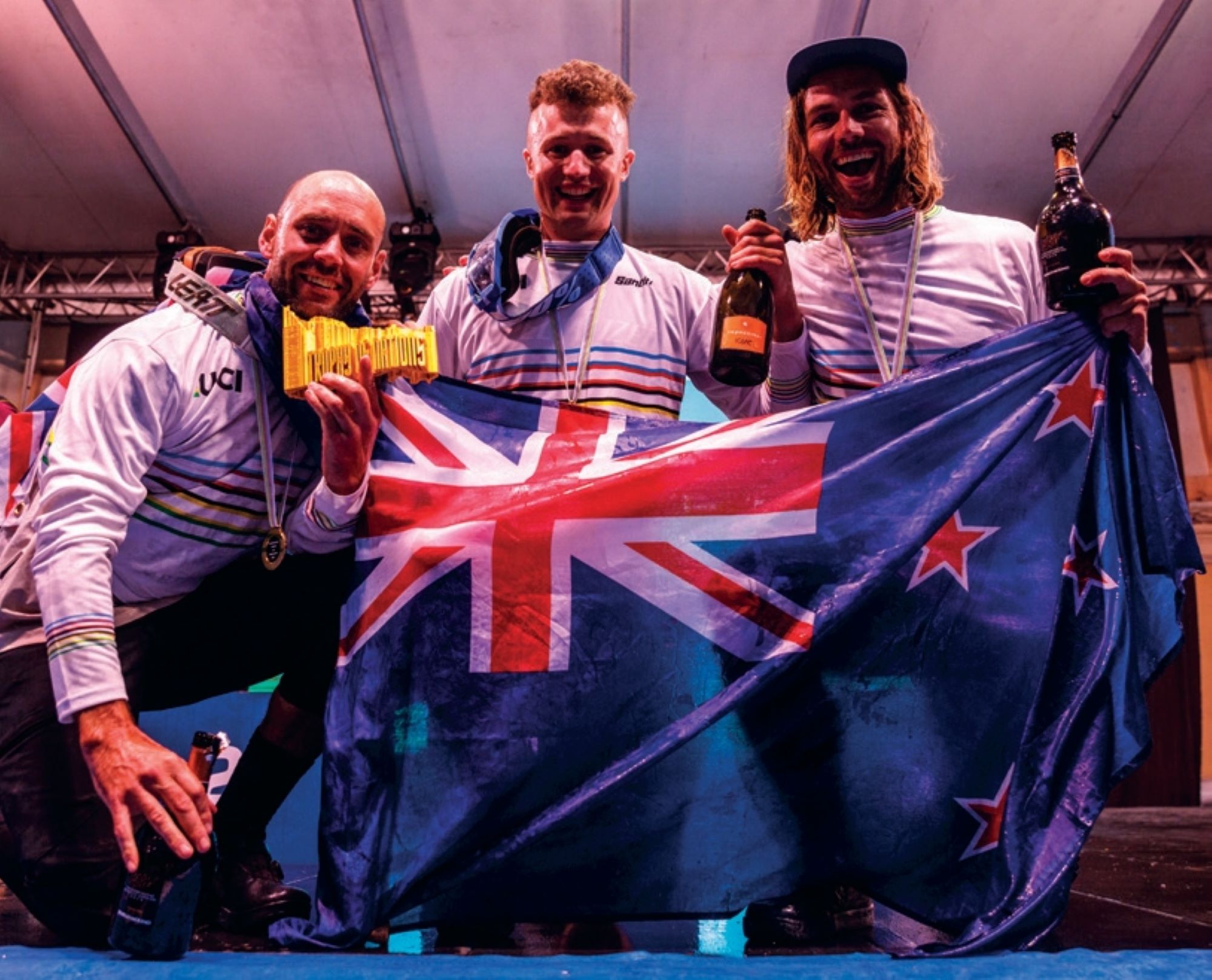
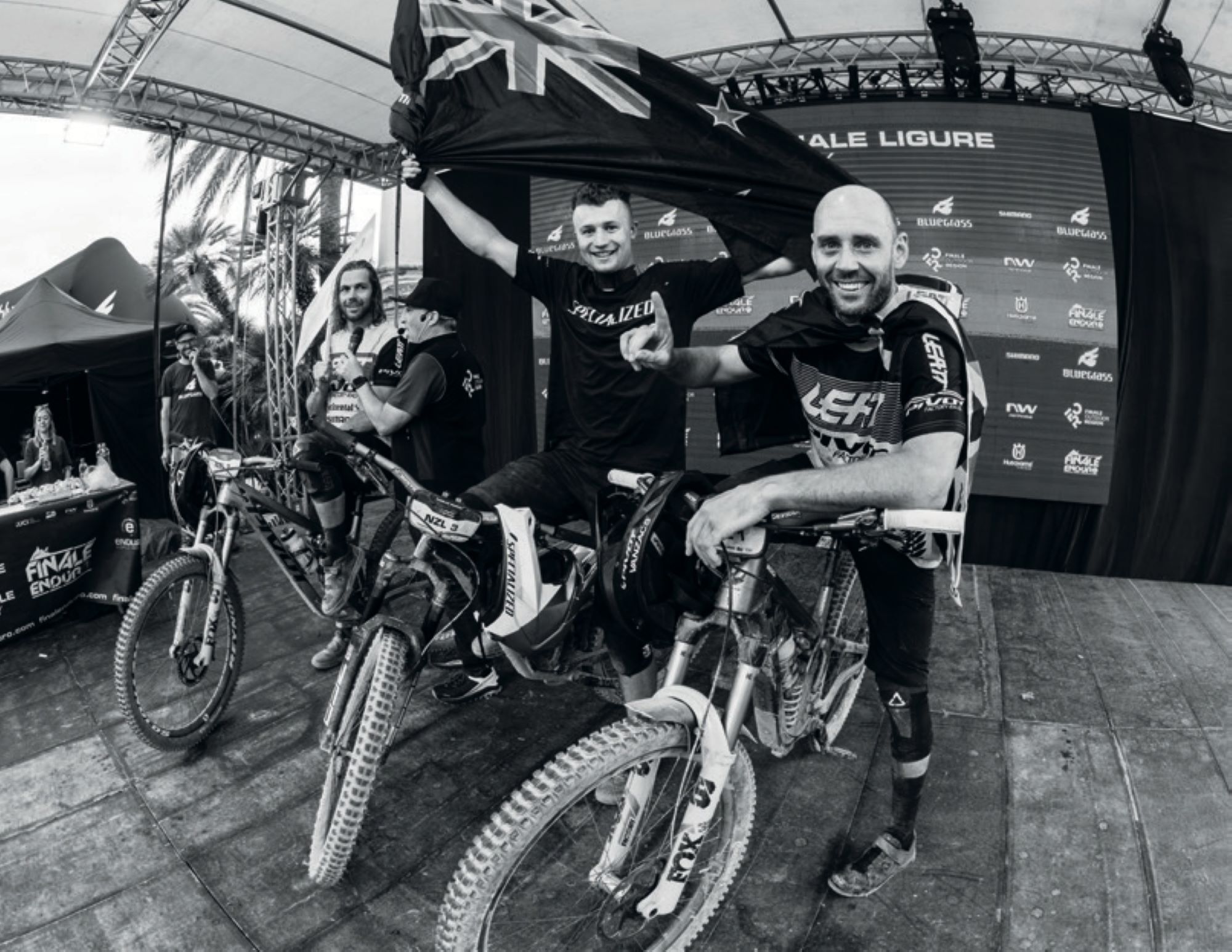
In 2022, Matt teamed up with friends Charlie Murray and Ed Masters to chase the ‘Trophy Of Nations’, competing against 27 other nations for the coveted title. Riders tackle the course as a team of three, all riding together on the trail. The Kiwis sealed the deal and came out on top!
The EWS Val De Fassa round in 2023 was where Matt stamped his authority at the top of the sport. He won the race overall, taking the final two stages on the way to the top step of the podium. While others faded in the heat of the monstrous day in the Italian mountains, he only got stronger – another historical moment in NZ mountain biking involving Mr Walker.
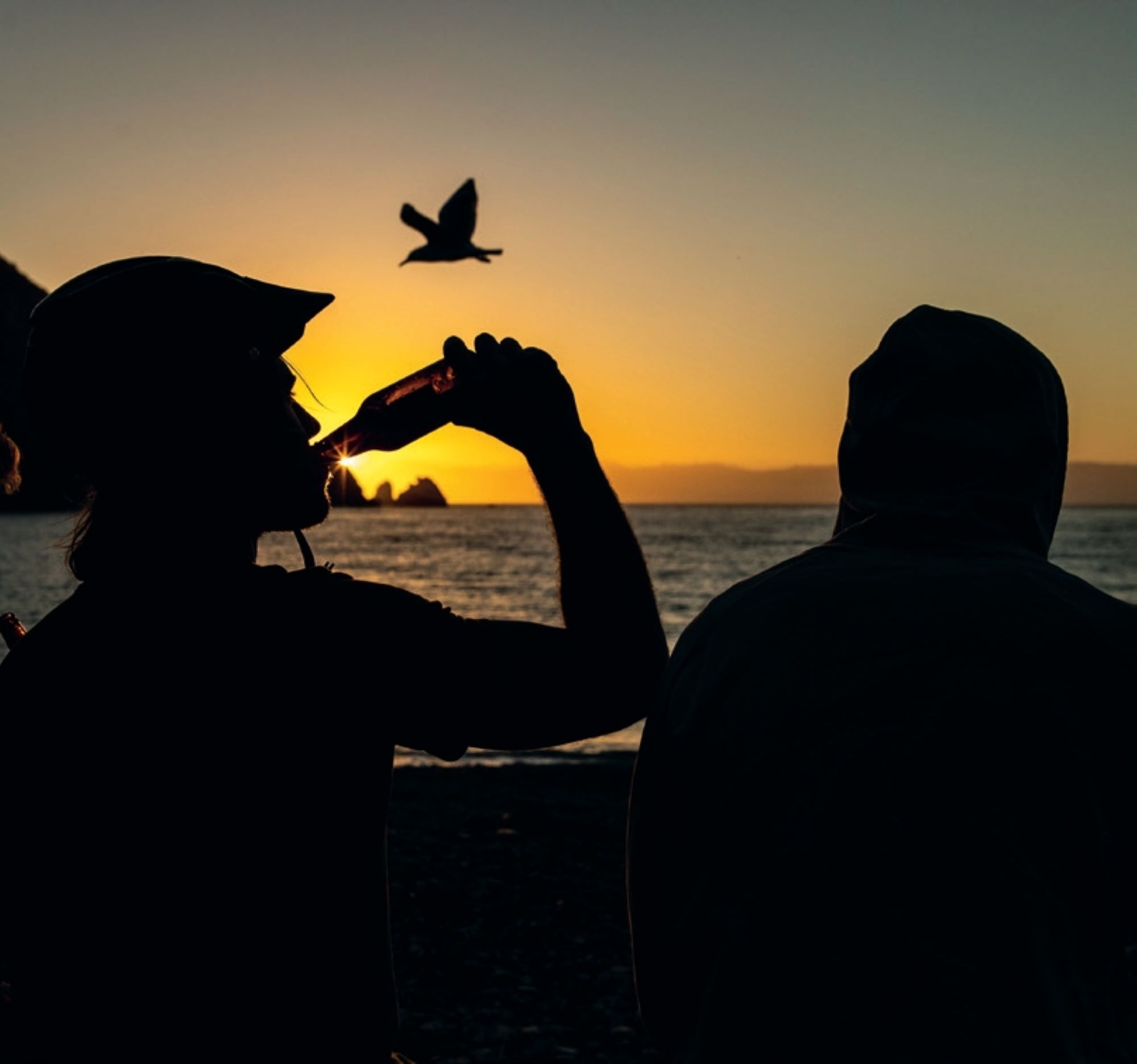
Chapter 5 – The wind down
It’s no secret that the last few years have been challenging for Matt. Remaining at the top became increasingly difficult, even outside of the injuries.
“The depth of talent and level of commitment needed to be competitive is insane. Today, you need to put in some serious work on fitness, bike setup, mental approach and all the little things in between, just to gain 0.1 of a second here and there, because every bit counts! When you’re on the right side of those time gaps, you’ll be thanking yourself for not giving up on those intervals during training.”
Now he’s moving on from the sport, Matt has a few thoughts on the state of affairs in World Cup Downhill and Enduro:
“I’d like to see the top end go back to more riders and racers involved each week in Downhill. They are trying to make it very “elite”, which I get in a way, but the sport itself is too varied to have only 20-30 guys racing. As it is, someone could podium one week, not make finals the next, but if more riders were allowed to learn by racing in conditions or on a track that may not suit their current skill set, it can benefit and grow. Not everyone is going to nail it on the first try. Some need time to learn and adapt!
“Enduro needs to get out of the shadow of being at DH venues and go back to what made it great to be at, and great to watch. New venues, great tracks, good racing and lots of variety. I find it frustrating; they had the formula and it was booming, the industry supported it, the riders loved it, now it feels like they (the organisers) are taking the easy option, cutting corners to save some spending. I do have high hopes for enduro making a good comeback, and at the end of the day, it’s what 90% of mountain bikers do, so it should be everywhere.” Between working on various car projects in the garage, Matt’s been focusing on building a life with riding still as part of it, just not all-consuming.
“I’ve had a few months off the bike and social media, but getting back into it all now! A goal with retiring was to turn bikes into a hobby again, which means riding for fun and because I want to, not because I have to. Lately, I’ve been riding heaps and enjoying it more than ever! As for work, I have just started working towards my commercial helicopter license, so I will see where that takes me!”
Matt has confirmed his status as a legend of the sport in NZ and although he’s often flown under the radar, he’s been going about his business and getting the job done. When adversity struck so many times, he just put his head down and got on with the job, bouncing back thanks to his mental strength and resiliance. No doubt these are all things he’ll draw on as he continues to write the next chapters of his story.
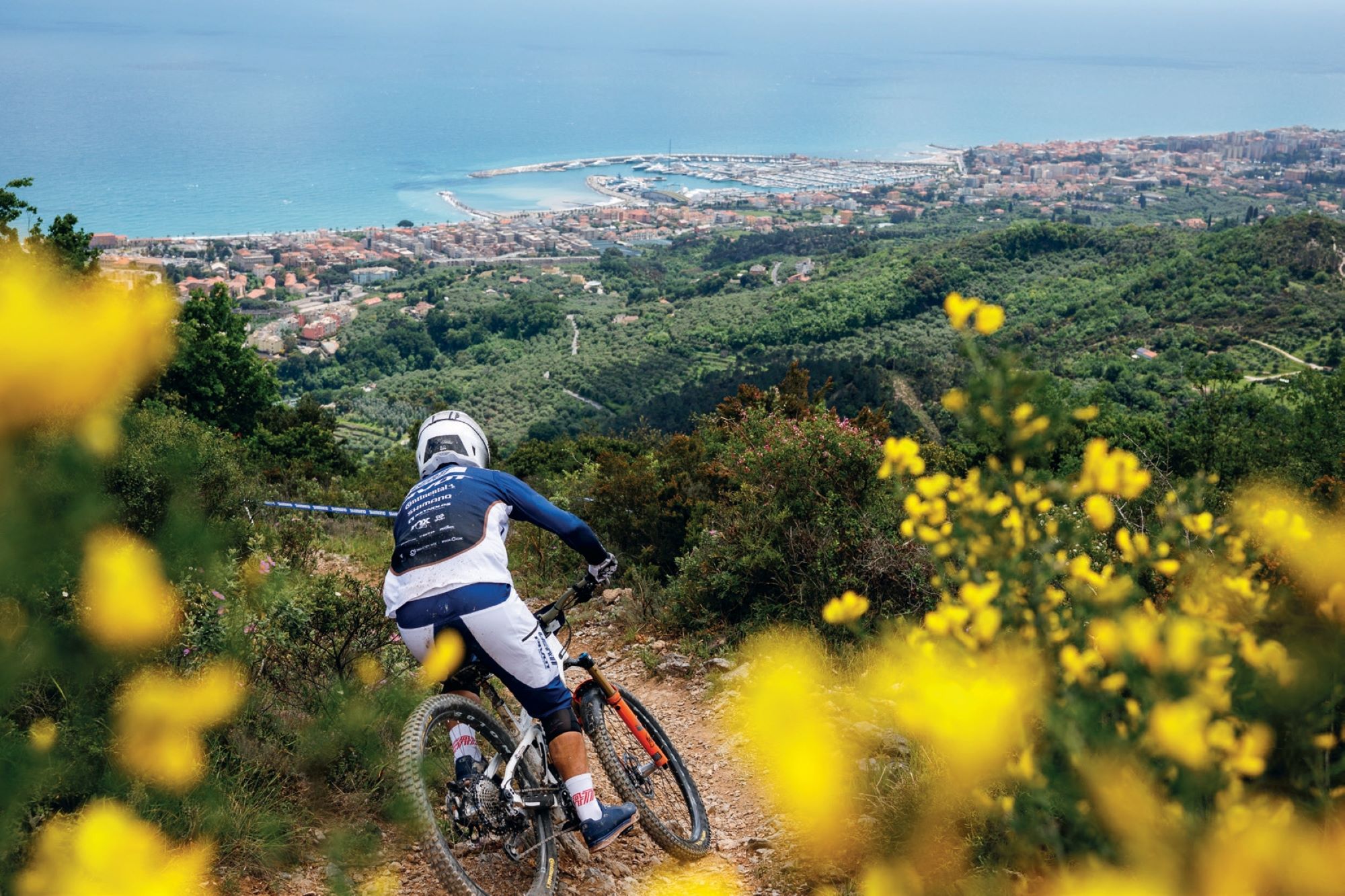
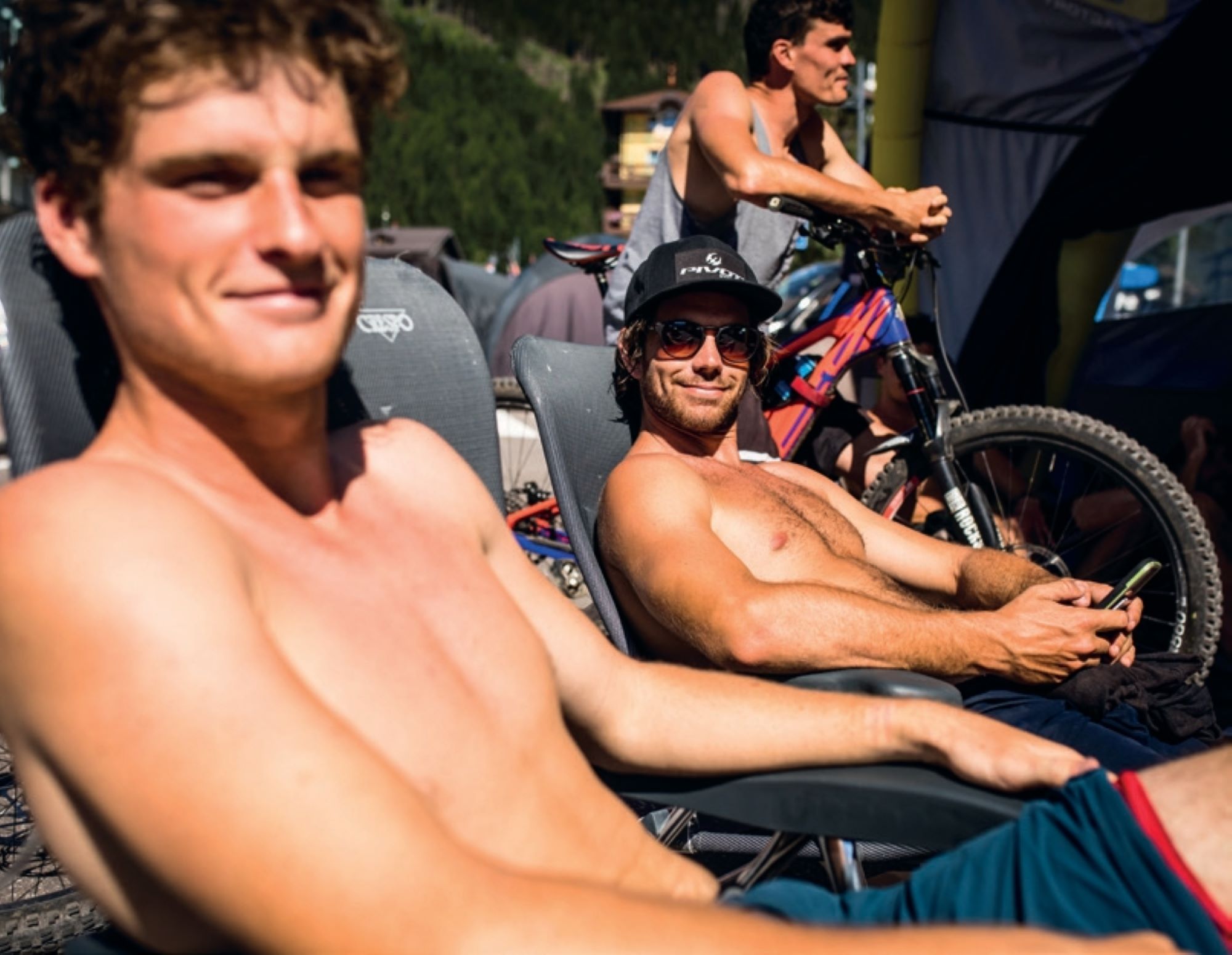
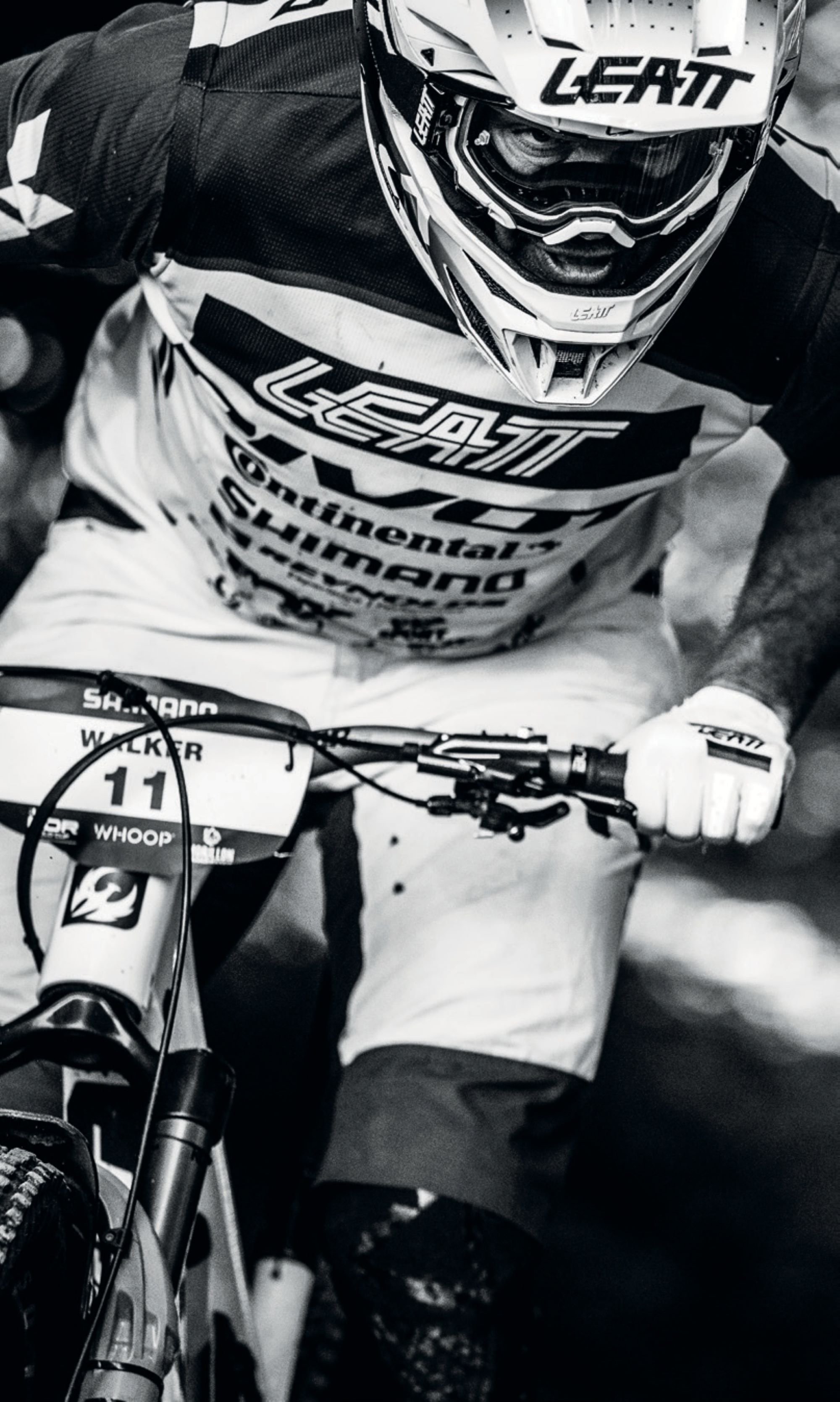
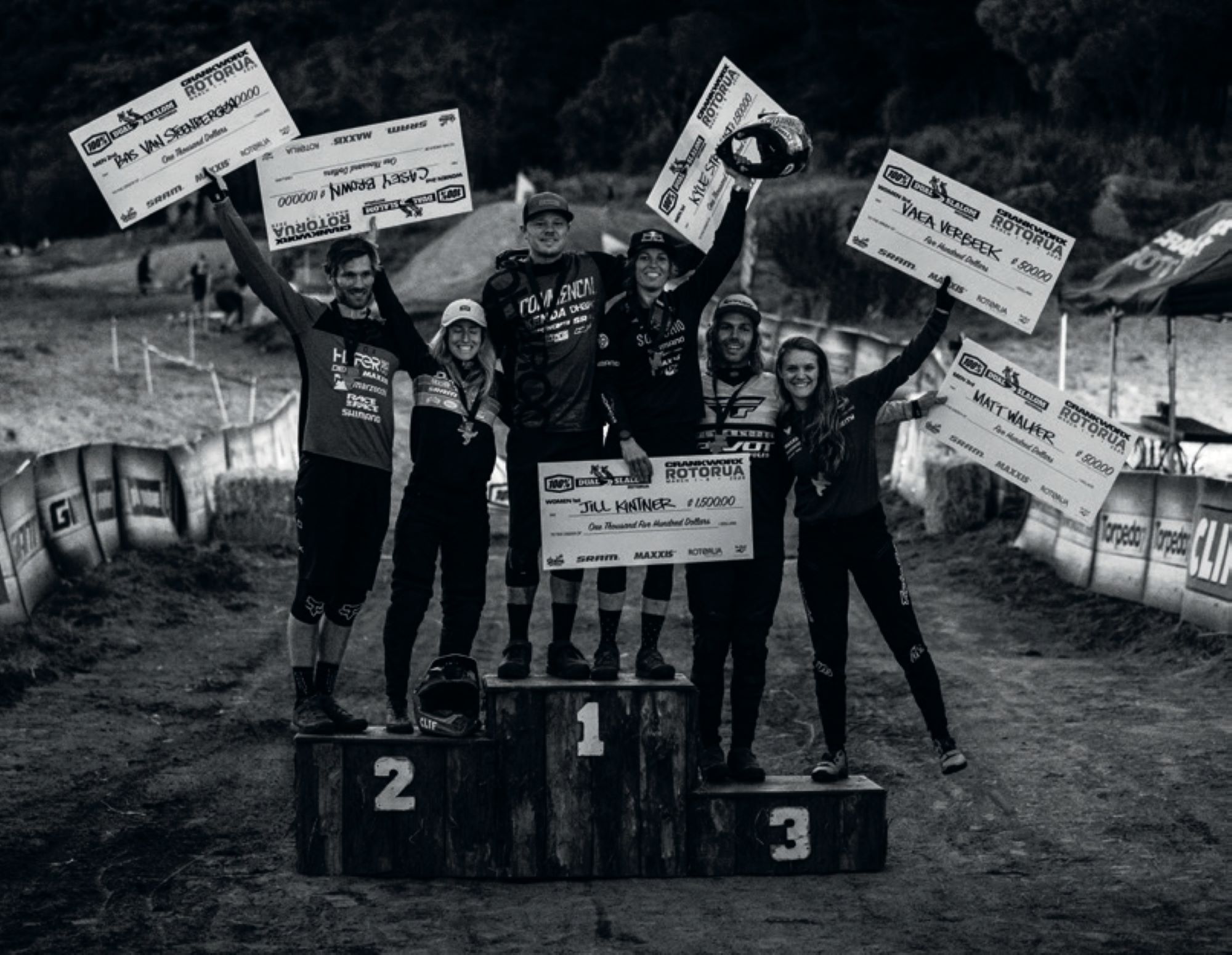
We got in contact with Matt’s longtime teammate and friend, Eddie Masters, to get some thoughts on him:
One of my all-time favourite Matt Walker stories is from 2013. We were travelling together in our van, ‘The Marae’ and had ended up at the IXS Cup in Pila. Funnily enough, Wax was riding for Pivot NZ at the time and so was my brother, Wyn. During practice, Wyn managed to break his mech hanger and didn’t have a spare. Kiwis being Kiwis, we hatched a plan that Wax would fake a crash and DNF the seeding run while Wyn would seed at full pace, and that way Wax would come down first, and Wyn would be near the end, meaning both could share one hanger. Wax’s ‘crash’ was pretty spectacular! Right at the finish, he slid out after the last drop, spinning multiple times and then proceeding to collapse, needing assistance off the course. The plan worked to perfection, and on race day, Wax dropped in first and put down a heater. He sat in the hot seat right up until the last few riders. Deleting about seven Red Bulls in the process, whilst wearing a novelty sombrero, he ended the day in second place and took home a decent pay cheque – but, more importantly, a funny story that has stood the test of time.
It’s been an absolute pleasure to spend the bulk of my career travelling the world with Wax. We managed to ride the fine line of fun and fast for so many years, and I honestly think that neither of us would have made it so far or hung on for so long if it weren’t for being teammates. Holy shit, we have had some laughs, and those moments on and off the track are memories that will last a lifetime. One of the best to ever do it, and most definitely one of the best to do it with!”
Oli Clark - King of the Hill
Words Riley McLay
Images Riley McLay, Sven Martin & Cameron Mackenzie
The pointy end of World Cup downhill racing just got a whole lot pointier! Arguably, the most talented class of male junior riders ever is graduating to the elite ranks in 2026. Among them, Kiwi Oli Clark, who will be on a mission to establish himself as a consistent contender for the podium for years to come.
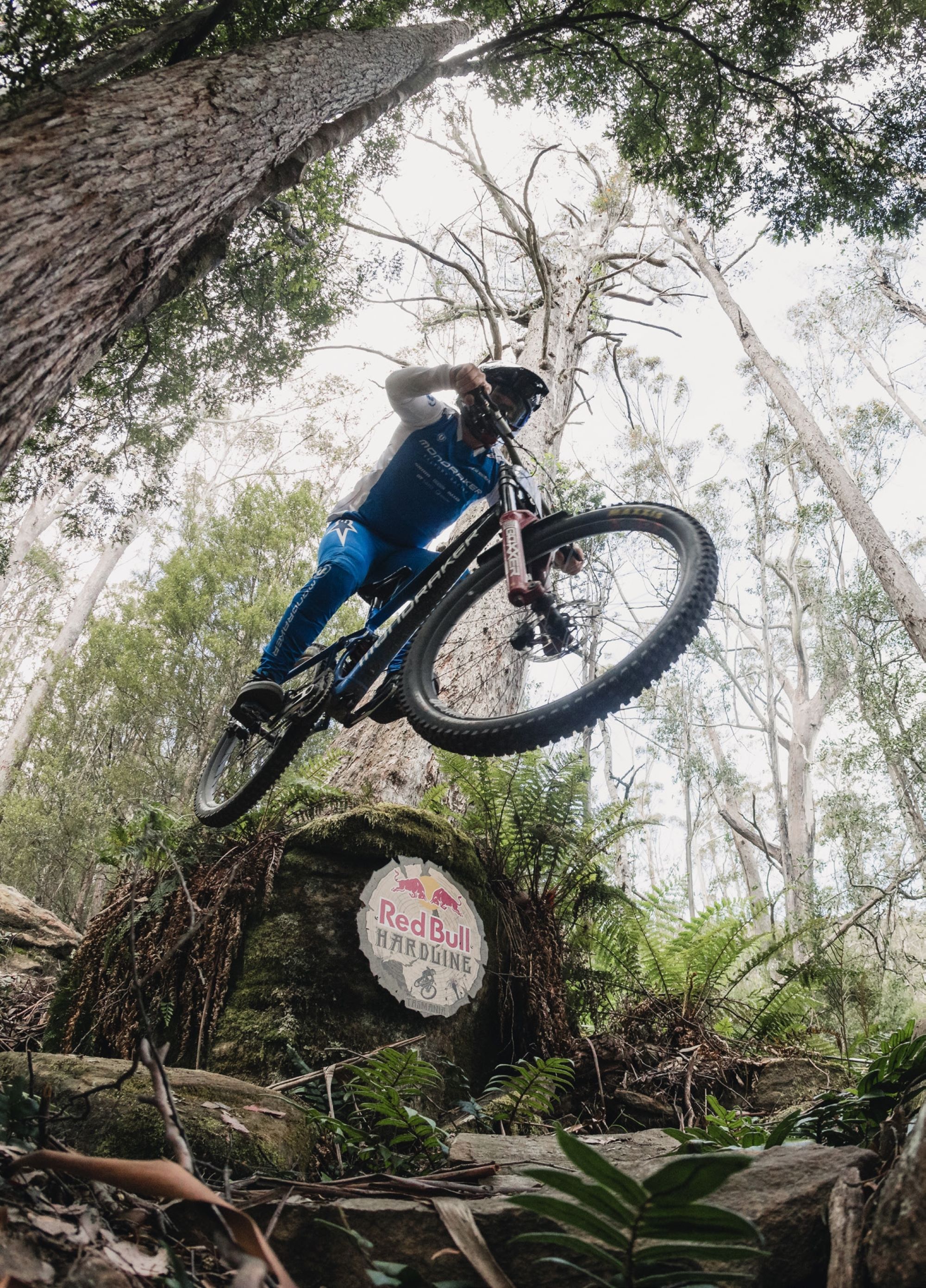
2025 was a breakout year for Oli, highlighted by his first World Cup win at Leogang and a string of impressive results, including a 4th at the World Championships, 6th overall in the junior standings, as well as two strong showings at both Red Bull Hardline Wales and Tasmania.
Despite the inevitable ups and downs of downhill racing, Oli has already built a strong foundation for success at such a young age, along with a grounded perspective to his racing.
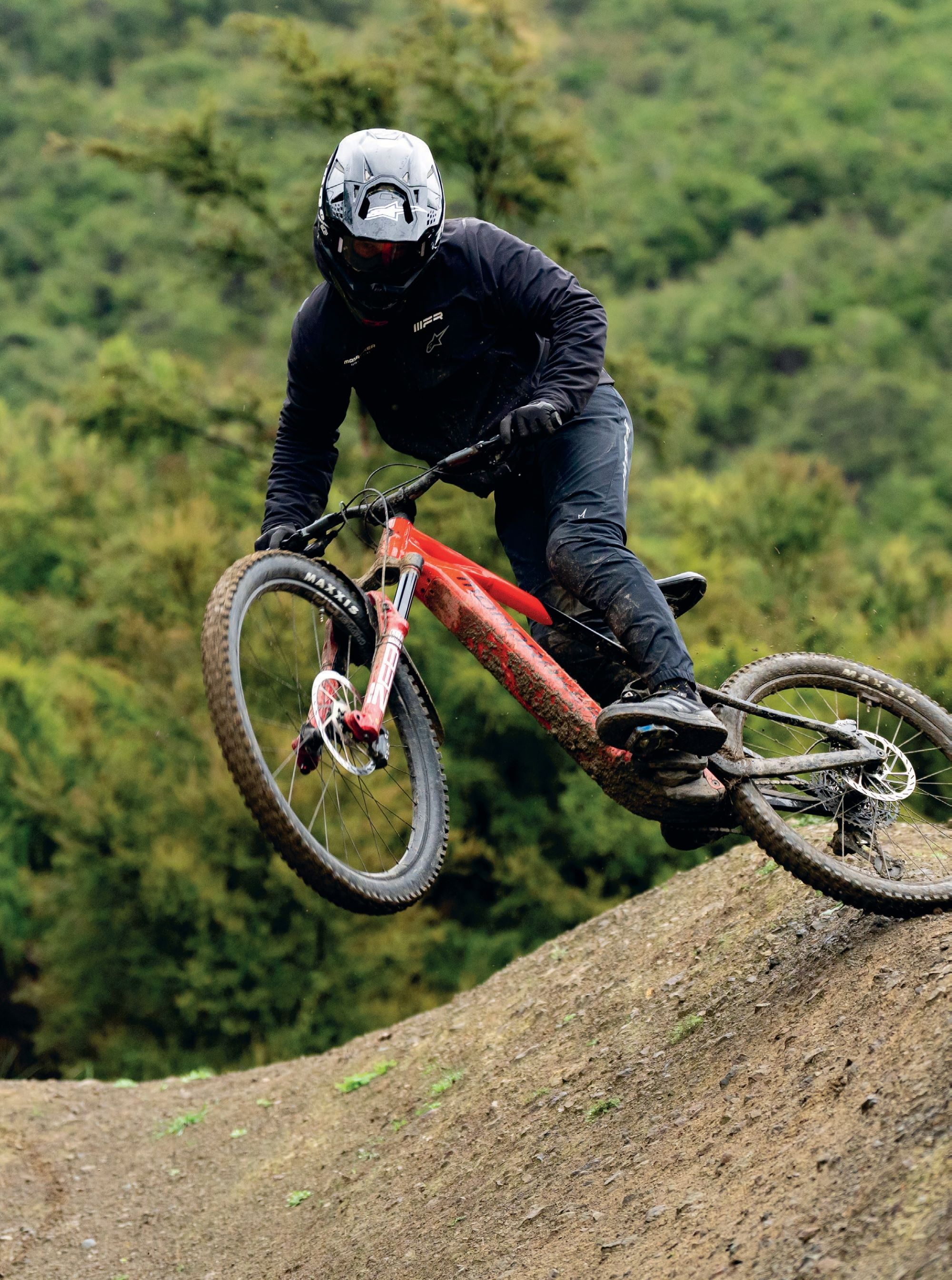
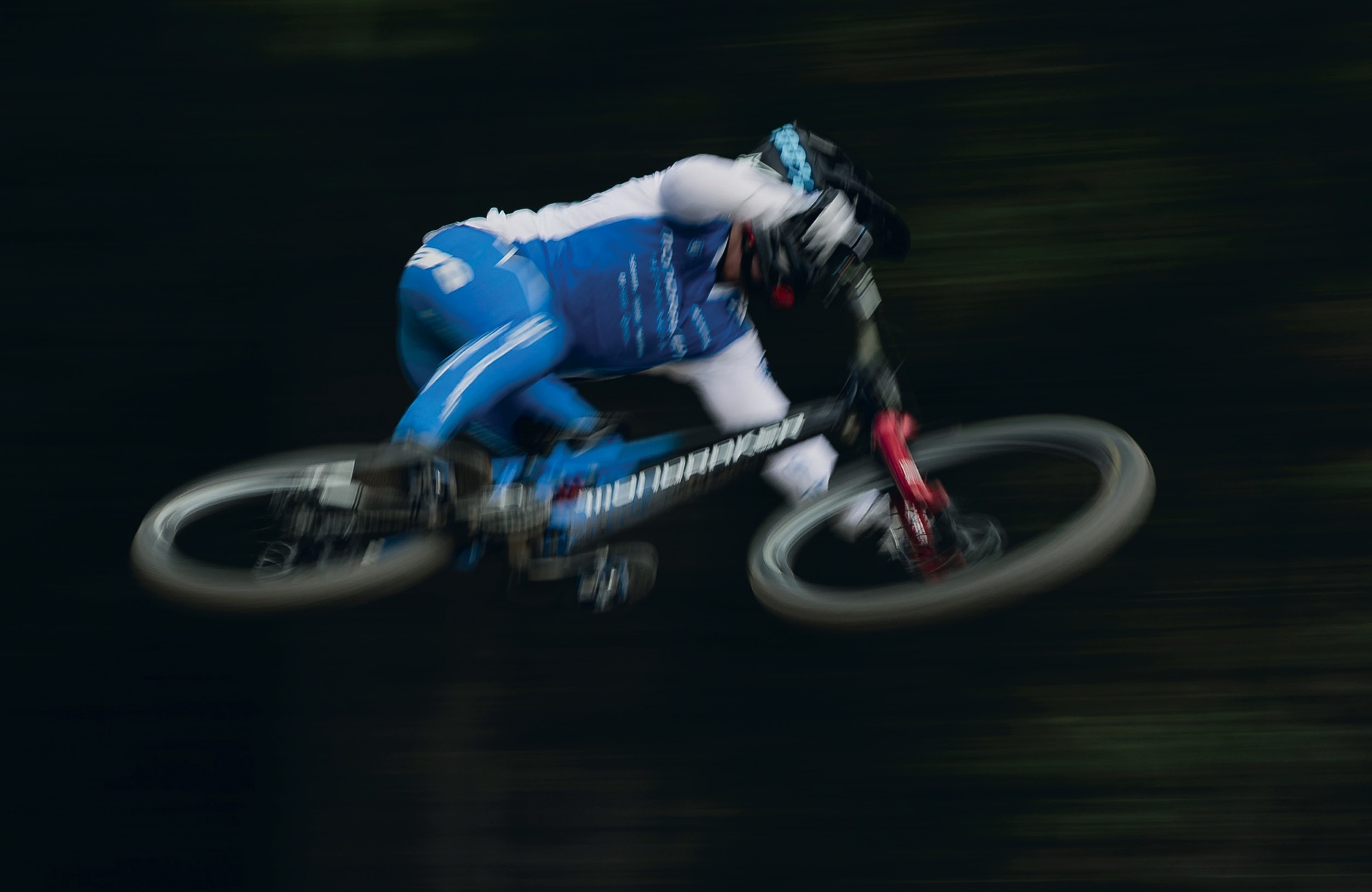
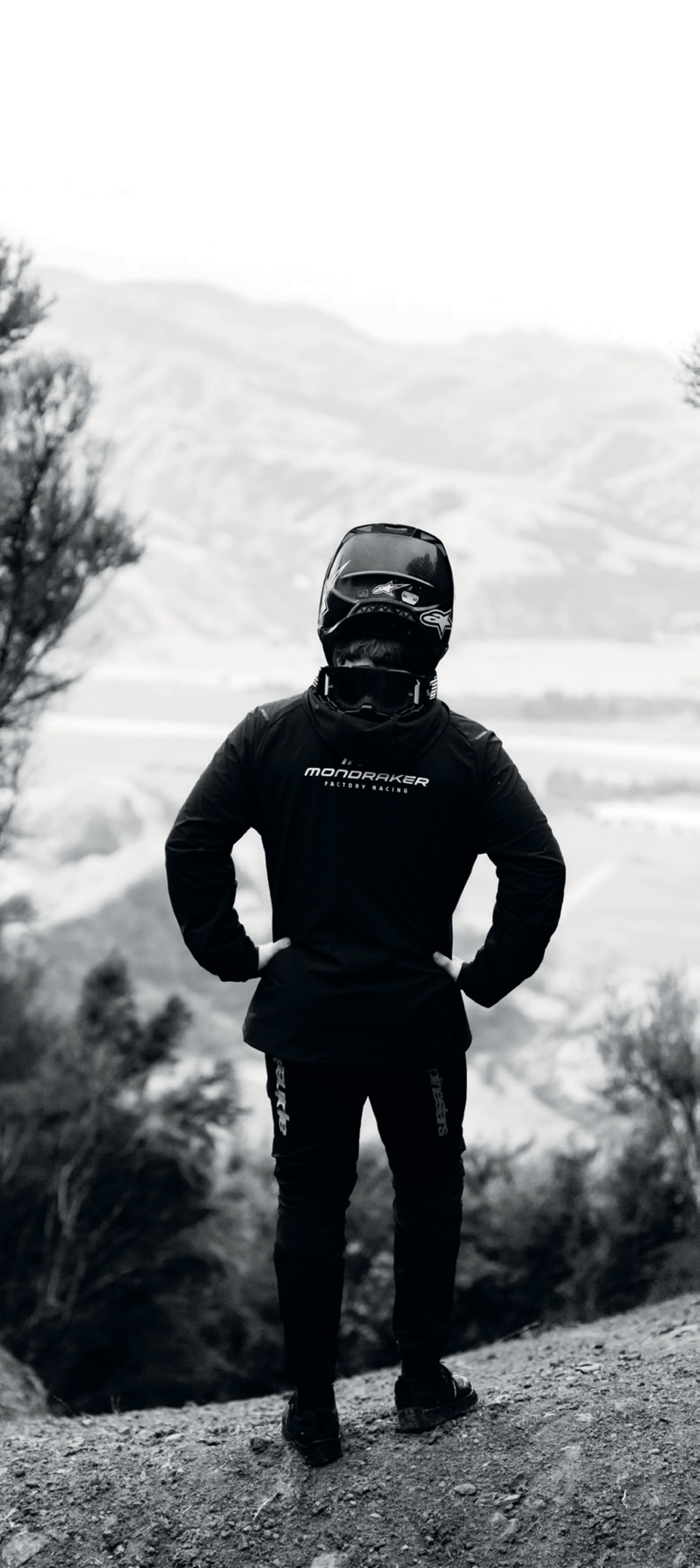
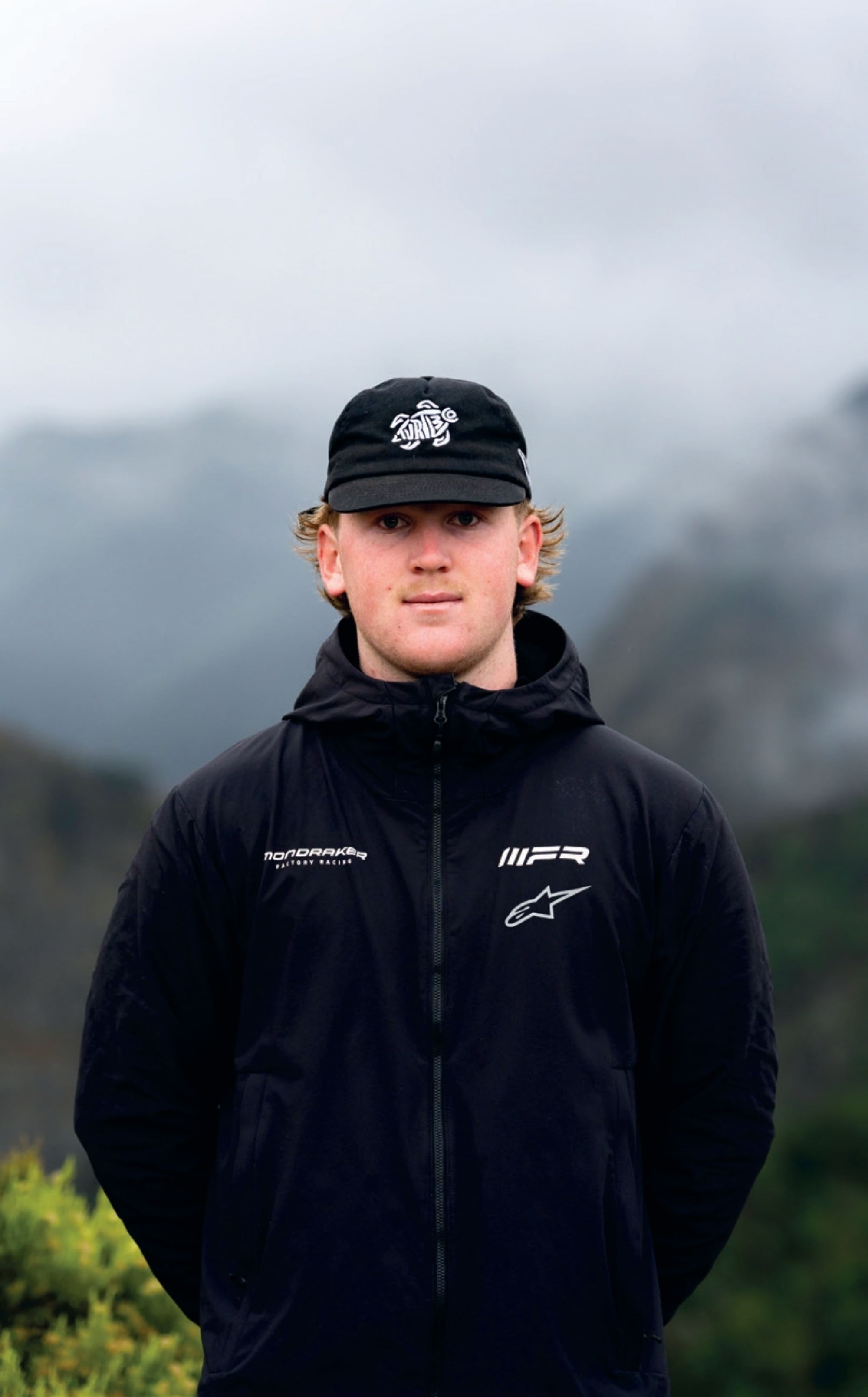
Heading into 2026, Oli’s dedication has paid off with a high-profile factory team signing to Mondraker Factory Racing. Joining an already star-studded line-up featuring Rónán Dunne and Ryan Pinkerton, he’s ready to carry his red-hot form into the elite ranks.
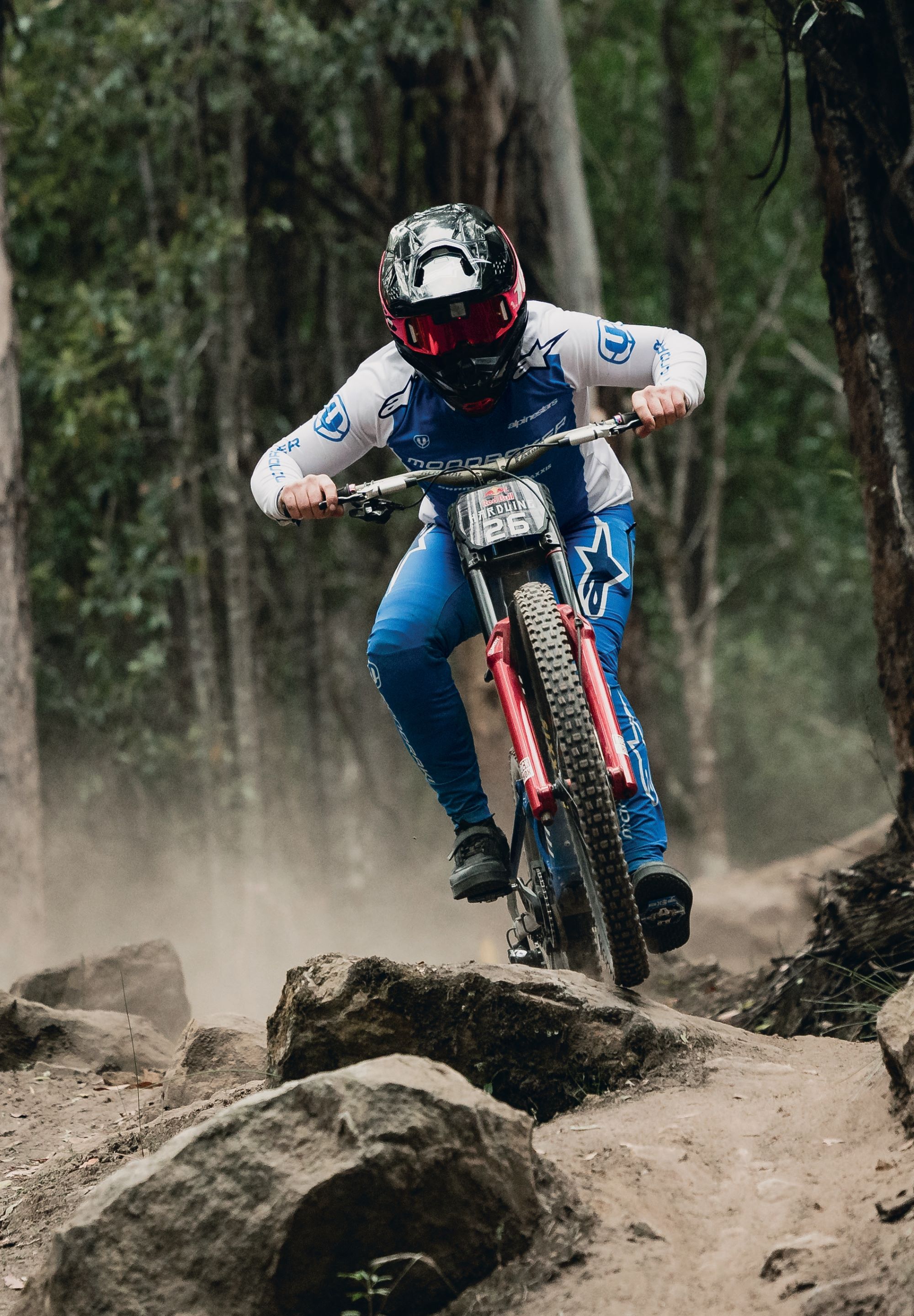
We had the pleasure of catching up with Oli ahead of the 2026 World Cup season to hear about the early days of racing, what he wants to get out of his racing, and how he’s preparing to make the step up to the elite category.
Let’s start at the very beginning. What was your first introduction to bikes and how have they shaped your early life?
I’ve always been into bikes, ever since I was little. My cousins rode motorbikes, mainly enduro, and that was always something I wanted to get into. I’m originally from Methven, but we moved to Blenheim when I was still pretty young. At school, I had a few mates who started riding, so I ended up taking my sister’s bike out that she got for Christmas that year. It was an Avanti, I can’t actually remember what model, just a hardtail. It was a cheap bike, but we thought it was expensive. We started going out riding together, and it just escalated from there.
What was your first taste of racing?
I was just riding with mates at first and really enjoying it. Then I kind of slowed down on the motorbiking side and started riding bikes more. I got my first full suspension. It was a Liv Hail and went straight to clips. There was a Nelson Winter Series and a few club races around Marlborough at that time. The first race I did was an enduro, and I thought it was a race to the finish, like racing all the transitions as well, so I ended up being the first one done. The Nelson Winter Series was the main one where everything kind of kicked off. I did those for about three or four years, then started moving into nationals.
When did you realize you had the potential to take your riding more seriously?
It was just for fun the whole time, really. There were a couple of boys travelling and doing nationals, so I started jumping in with them and travelling to the races. I did the national series for a couple of years and started getting some good results, keeping up with some of the older boys. That’s when I kind of decided to stick at it.
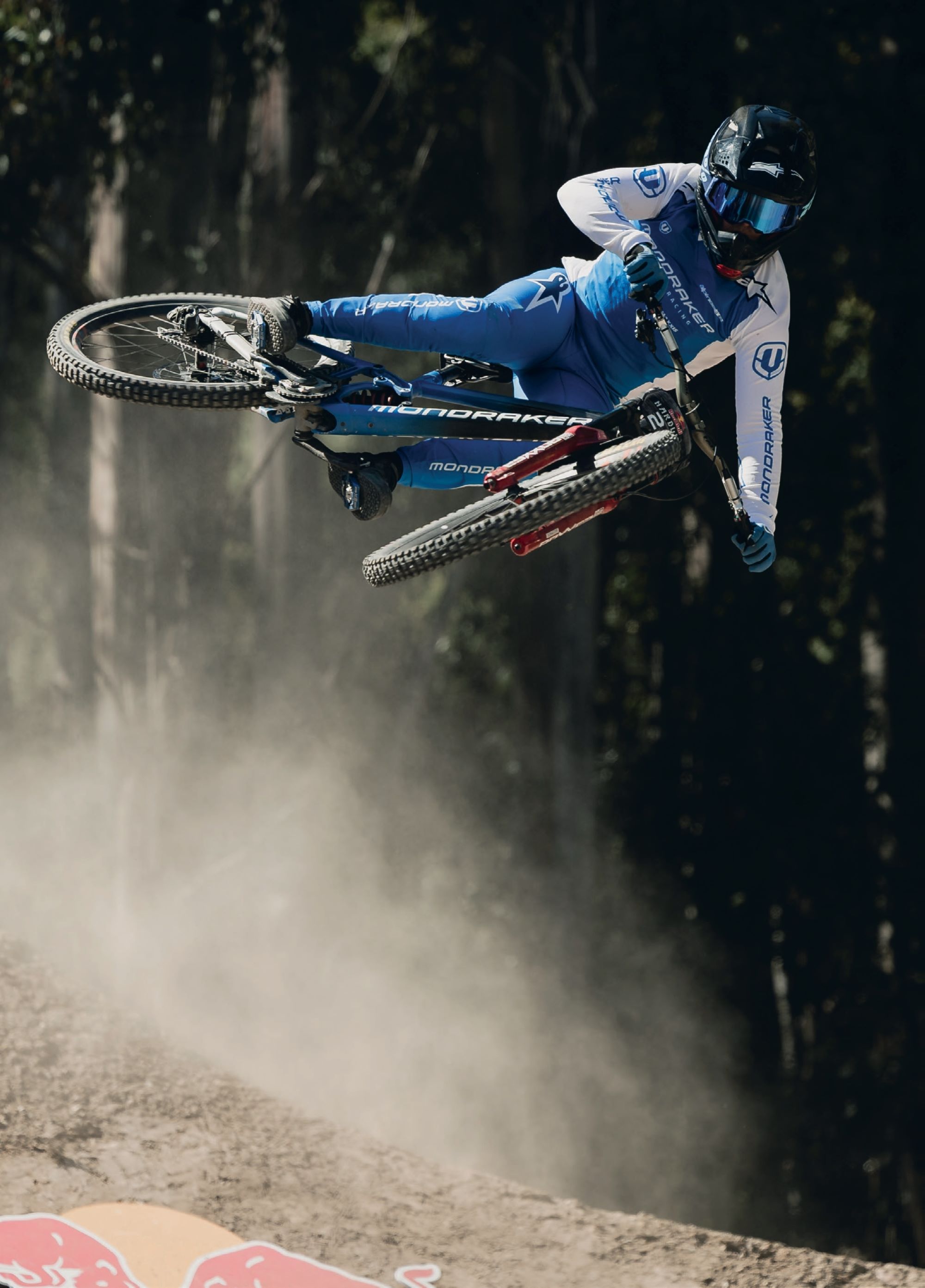
Were there any riders you looked up to or used as inspiration to see what a path in racing could look like?
I didn’t really know many people at the time. Justin Leov was around when we lived in Blenheim, so I rode with him quite a bit at his place. Then there were the boys in Nelson; Sammy G, Shannon Hewetson, and Kieran Bennett. I always looked up to them. You’d see them all the time at races. In between their race runs, they’d change into a fresh kit and everything. I thought that was pretty cool. I was like, I want to have that one day.
Was there anyone who stood out as a mentor or helped guide you through the racing scene?
Justin definitely helped a lot, but I didn’t really have anyone specifically mentoring me. I never really had coaching or anything, it was more just figuring it out myself. Mum and dad never really pushed me either. They just supported me with whatever I wanted to do. No matter what, they were always behind me. Progression just came from riding with faster people and gradually getting better. You sort of move up that way, just keeping at it. There’s always been faster riders, so you’re always chasing and pushing to keep up.
What was your first opportunity to get race support, and what did that look like?
When I moved from Blenheim to Kaikōura, we approached one of the local bike shops to see if they could help out a little bit. I ended up buying a Specialized through one of their sales reps. Dwayne from Coastal Sports wanted to help out as much as they could and said they could get me on this ambassador program. We ended up working with the same sales rep I bought the bike from on the program. That was my first real support and led to me getting my first-ever downhill bike. I had only ridden a downhill bike a little bit before that. The team at Middle Hill had an old Glory that I rode on for a couple of races. Morgan and Genevieve were so keen to help me out, which was pretty cool.
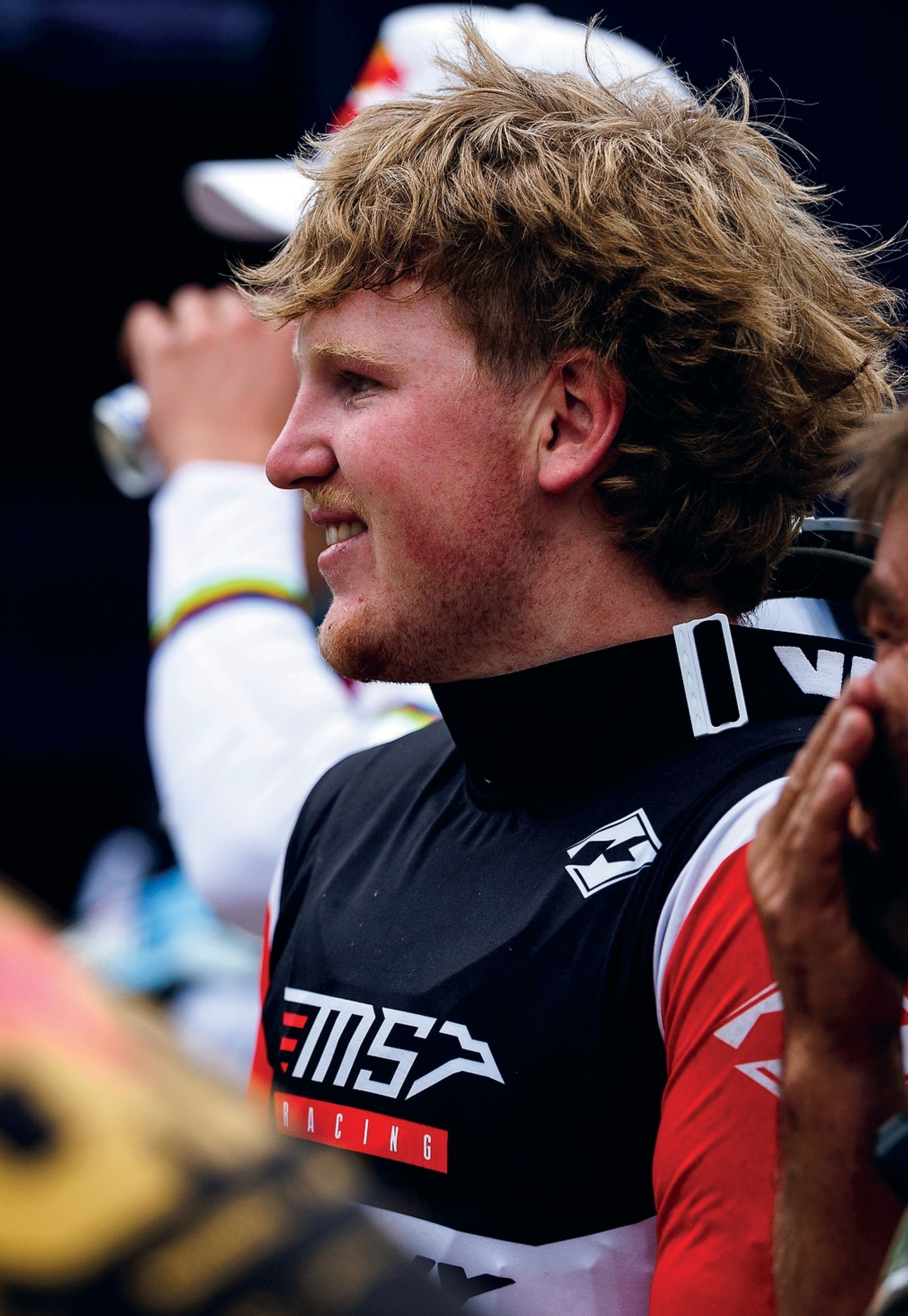
What was your intro to Middle Hill?
When we moved to Kaikōura, there wasn’t really any riding. We found out that they were keen to build something at Middle Hill, so we started heading up and digging with them. Most days after school, and all weekend, just digging with dad and I. That’s kind of where that whole relationship began. I’ve been up there ever since I started, and they’ve helped me heaps. Morgan was also a really good rider and I looked up to him a lot, always chasing him around.
Can you give us a quick overview of your progression during your first two years in the junior category?
The first year going overseas, we were just trying to find a team that would make things as easy as possible, and Unior seemed like the best fit. The original connection actually goes back to around my 13th birthday, when I did a YT Mob camp at Jentree. That really opened doors to meeting pros and seeing how they had mechanics and chefs, all that kind of setup. I thought that was pretty cool. They ran us through some race simulations, too. The guy managing the YT Mob at the time, Martin (Whiteley), who’s now my manager, was there and I stayed in touch with him ever since. Eventually, he helped me get onto Unior. That year was a real learning experience. The results weren’t amazing, but there was so much I could learn from. For my first year in junior, it was probably the best thing for me. In my second year, Unior had to stop because of all the team changes. They couldn’t afford to enter as a team anymore. I was kind of stuck with nothing and no spots opening up anywhere. Then I connected with Ali from Zerode and asked if there was any chance I could get one of their bikes. I’d ridden one before and really loved it, so I was super keen to ride it again. They did as much as they could to help me. Ali started talking with MS and got me hooked up with them, so i was going to go over and have a bit of support for races, but as I started doing well, that support elevated.
Looking back, how did your outlook or preparation change going into your second junior season, and how do you reflect on the progress you made?
I was kind of left with nothing, so when that opportunity came, it was huge. At the time, I was working on trail building, trying to save up some money, and train as well. I was also preparing for the worst-case scenario, figuring I’d have to cover everything myself. I went over with some savings so I could get by and manage travel costs. Once I got the support, though, things really started to click. I got a coach for the gym, a coach for riding and that helped me heaps with all my fitness. It wasn’t a make-or-break season exactly, but I knew I had to do well to keep going.
Otherwise, it would’ve been really hard to afford more than a couple of years on my own. Coming from New Zealand, the dollar is worth about half of theirs, so we had to spend nearly double what they would have to spend to do the same thing.
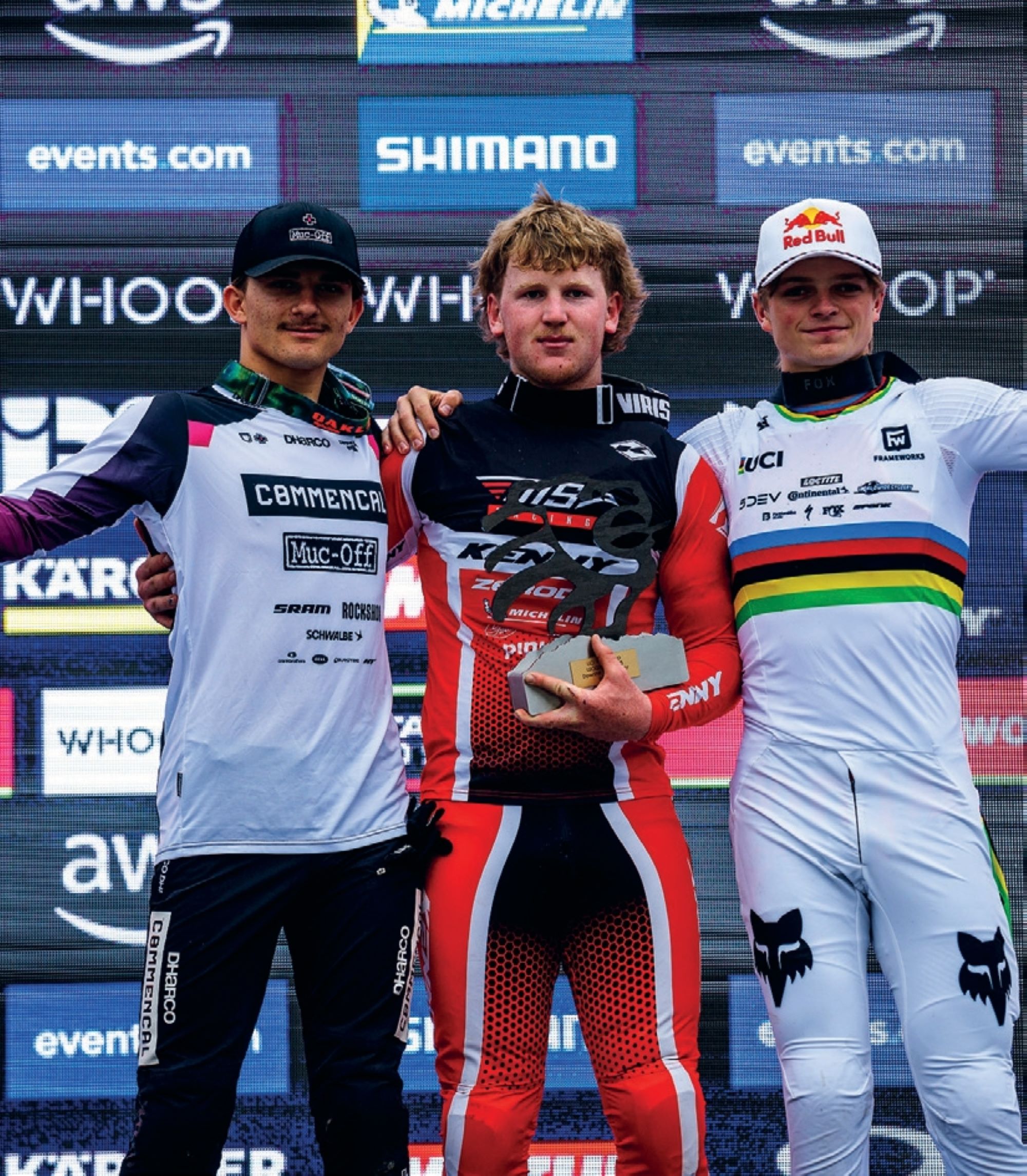
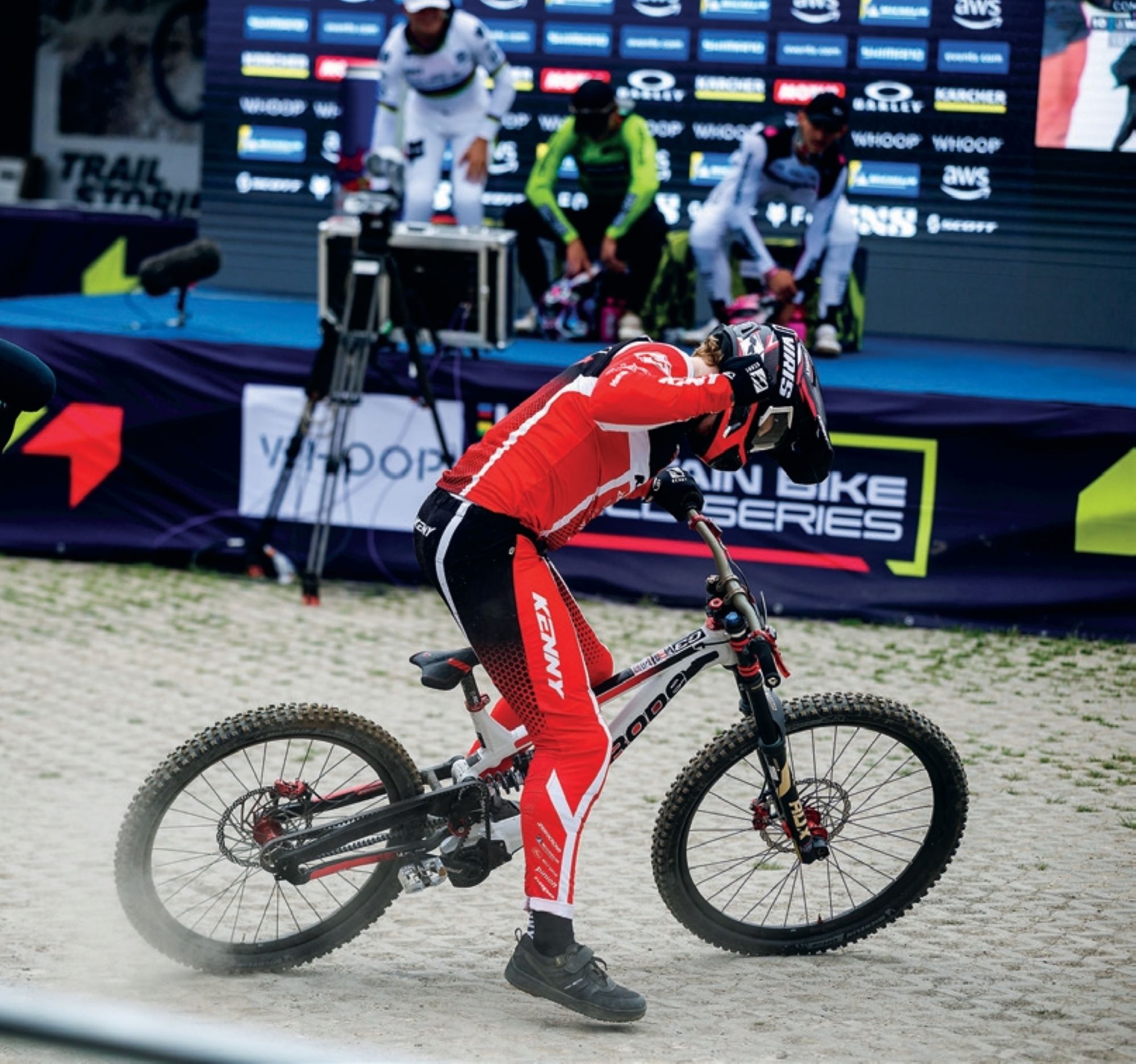
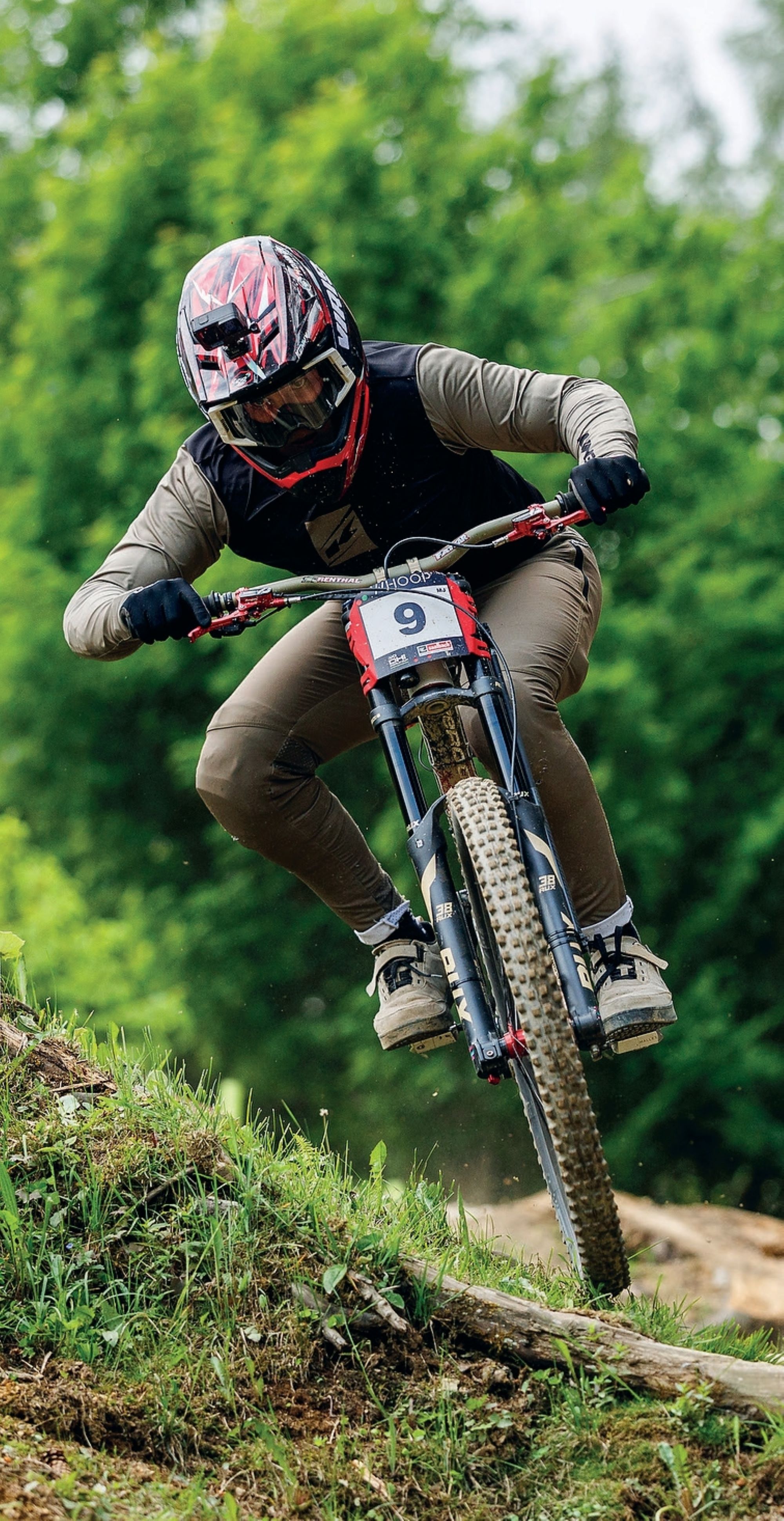
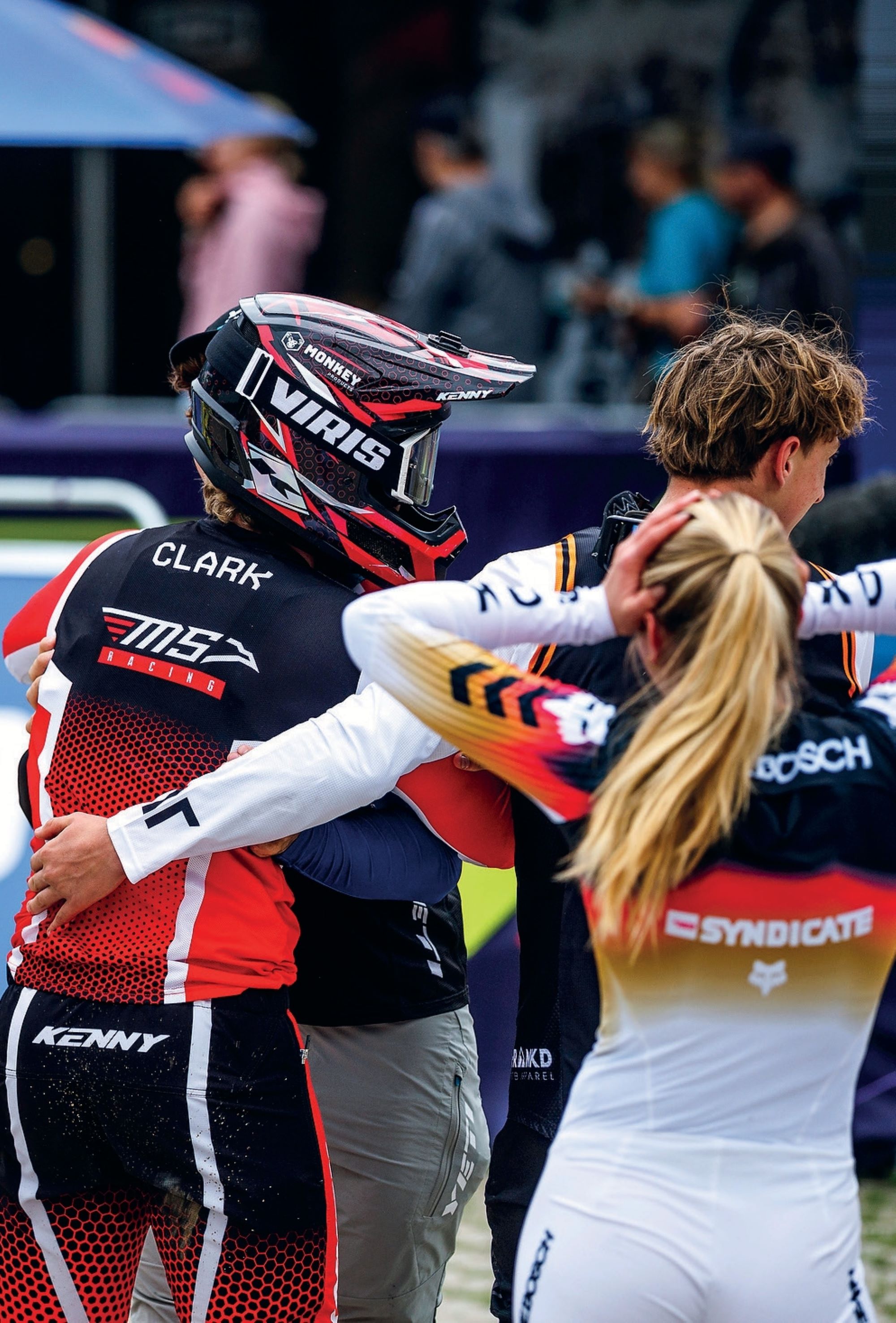
Coming up alongside a batch of high-level New Zealand talent in the junior field, how did you maintain perspective and keep a level head while making the jump to international racing?
Well, I think because we were all just riding together, having fun, and pushing each other. The first year, I kind of thought I’d go over and get some good results, but obviously, there was still a lot of work to be done. Tyler (Waite), who I was competing with back in New Zealand, was doing really well, so I knew I could too. It was just a few little things that didn’t go in my favor. But yeah, being all from NZ, pushing each other, that’s really why we are where we are today.
How did it feel in your second junior year to be right in the mix with arguably the best generational talent ever seen in the category, and did you have any expectations going in?
Oh, I was pretty surprised to be honest. I had done heaps of training and was just trying my best. But really, I just went out there to have fun. I thought, I’ve done everything I can to be here, so just enjoy it. I didn’t really have any expectations. I was just like, ‘go have fun,’ because that’s when I ride my best. Of course, I wanted to do well and there were goals, but mostly I just went with the flow.
Your win in Leogang was obviously a standout moment in 2025. Can you walk us through your preparation going into that race, and what it felt like to take the win?
I’d done a little bit of riding there with the team in Leogang before the race, but I wasn’t really expecting much going in. I rode heaps with Tuhoto, and we were pushing each other, doing laps together. Poland was the first race of the year; I got third there. Then at Loudonville, I was feeling really good. I was doing well in the splits, but I got a flat tire, which was frustrating. I wanted to prove something, but I was mostly just enjoying it. At Leogang, I didn’t feel like I was riding my best. During qualifying, I told my manager I’d done an average run, not very good, but then I ended up qualifying first. I thought, okay, maybe I could do something here. Being up there was pretty nerve-wracking. You’re the last one on the hill in your category, everyone else has already gone down. It’s pretty surreal. Then I came down first, and the feeling was crazy. It’s hard to describe, honestly you just have to be there to get it.
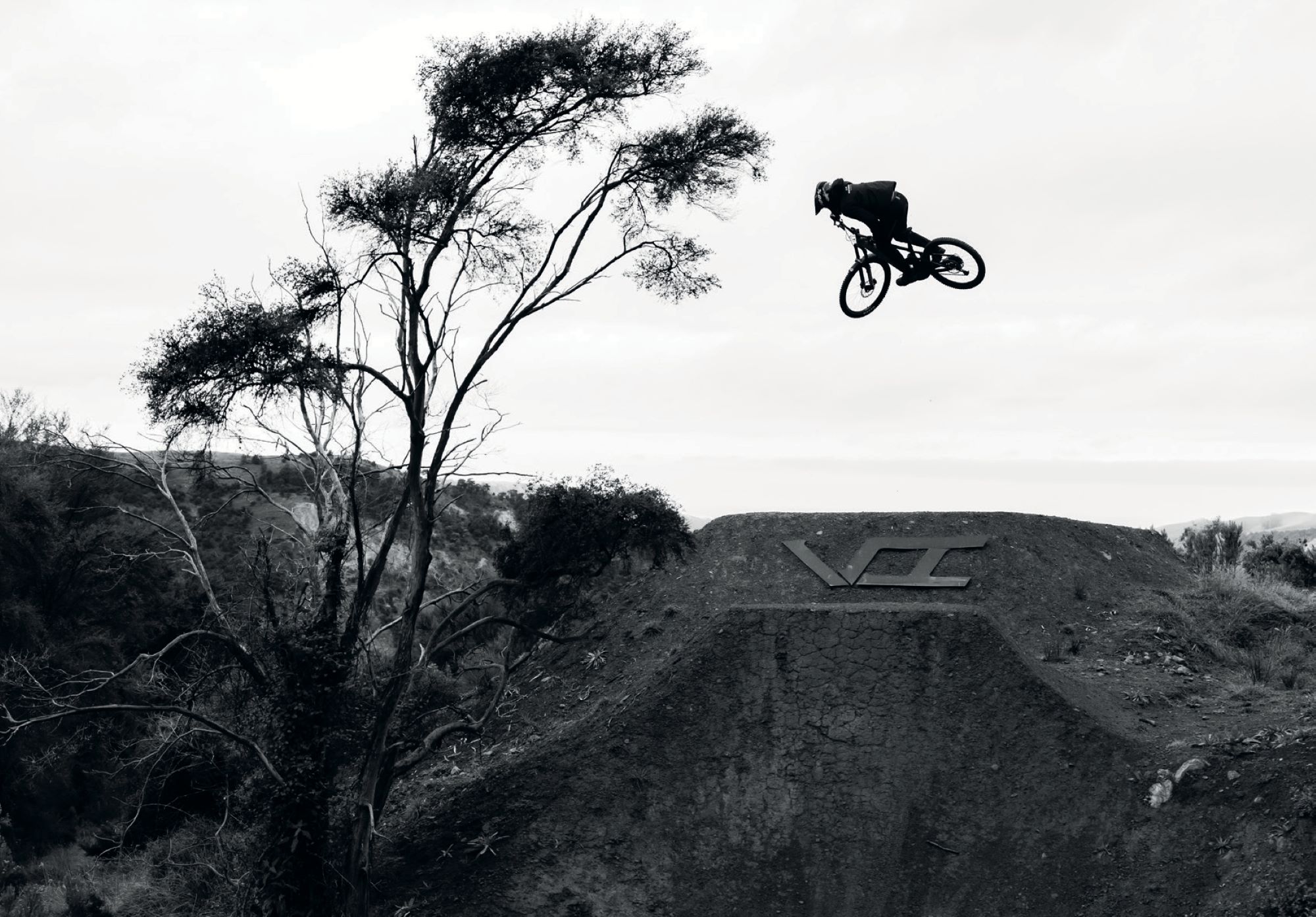
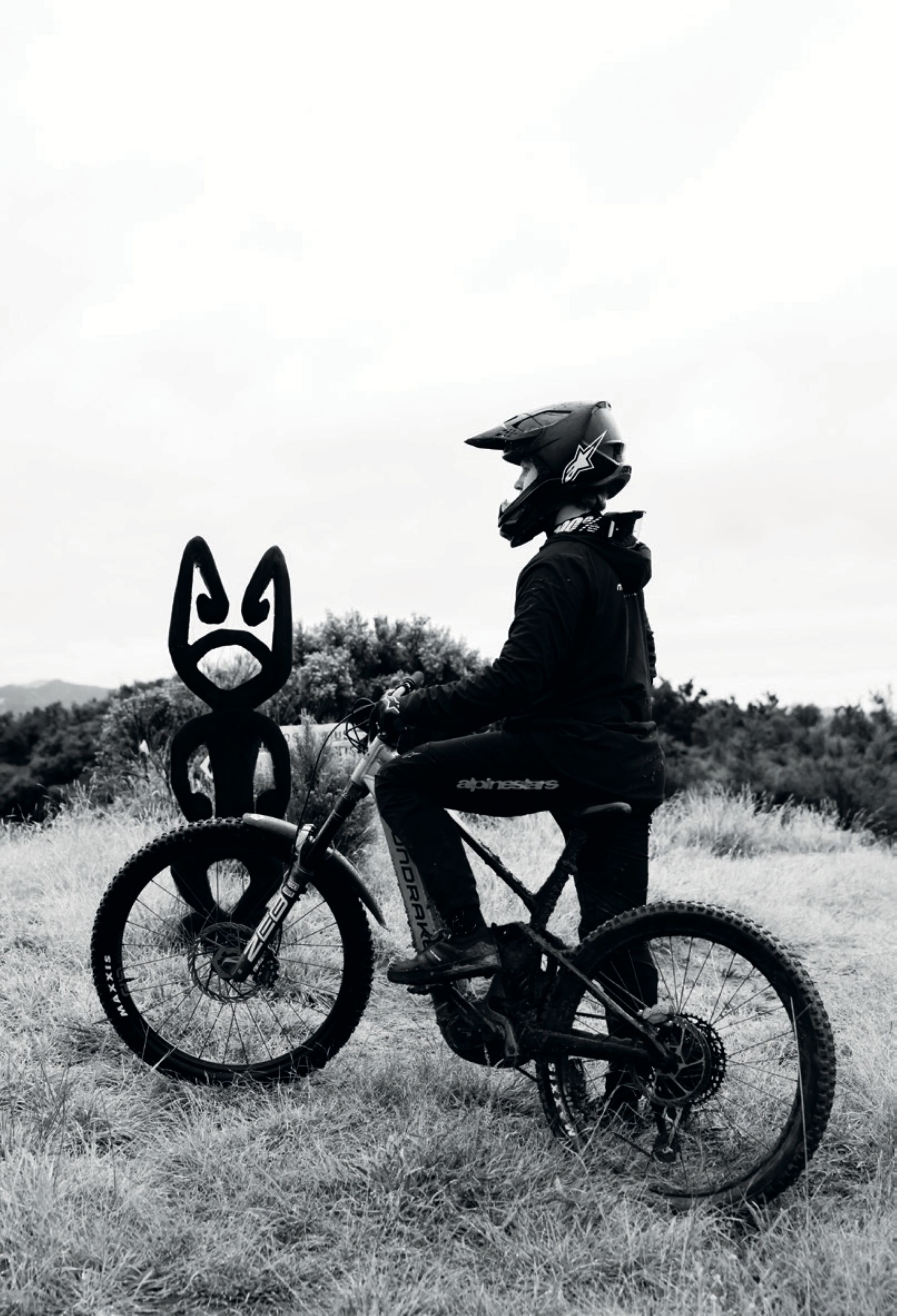
Heading into this season, signing with Mondraker Factory Racing is a huge accomplishment in itself. Does that take some pressure off, or does it raise expectations knowing you now have that level of support?
There isn’t really much pressure from anyone else from the team, it’s more the pressure I put on myself. As long as I’m doing everything I can back home to prepare, I just need to go over and do the same thing, go have fun. That’s why I started riding, and that’s why I’m here. I don’t really see it as a job, it’s still about having fun.
Your career has come together quickly, with a World Cup win and two Hardline appearances. Have you had a chance to reflect on what you’ve achieved?
I don’t really like to look back. I just want to keep moving forward and keep progressing. The motivation for me is always wanting to be better. I’d say I’m quite a competitive person. At the same time, I enjoy doing lots of other things. But when I come back to biking, I still find the enjoyment in it. It’s not just about results, you have to have fun, and the more you do it, the better you get.
How does your approach for a Hardline race compare to a World Cup week?
It’s such a different event. Everyone’s more relaxed, or at least the vibe was, the event is changing a lot. People are there to help each other out and just have fun. It’s a really cool atmosphere. For me, riding those Hardline races is so much fun. The nerves, it’s like scary, but once you’re on it, it’s so fun. I love big jumps and steep stuff. That’s what I ride at home at Middle Hill. We built a track there similar with some huge jumps, which was the only one to ride. That track’s gone now, but that’s the stuff I really enjoy. At World Cups, it’s super serious. Everyone kind of keeps to themselves and their goal is to win. You’ve got lines spotters all over the track. You watch those guys – they know exactly what they’re doing – and they’ve got it dialed. If you want to win, that’s what you have to aim for. The sport is definitely changing. Downhill used to be more about just riding. There were heaps of different lines. Now, you can’t really do anything on the track that other teams don’t know about. Everyone’s basically on the same line on race day, which I think is a bit silly.
What’s it like having riders like Ronan and Ryan on the team this year, and what do you think you can learn from them heading into your first elite season?
We’re all pretty young, but those boys have done some really impressive things. Ronan trains completely differently from anyone else. He’s out there doing 15 laps a day, and no one else is doing that. Ryan trains super differently too. They both have different styles and, for me, I can just look at both of them, pick the bits I want, and learn from them. They’re also really willing to help, which is great. For me this year, I think the main focus is just getting some good consistency. Qualifying for every race would be a solid start. After that, we’ll see what needs to be worked on.
How do you see the current state of the New Zealand downhill scene, and what do you think is needed to take it to the next level?
I’m very disappointed, to be honest. This year has been pretty horrible. When I was under 15 and under 17, we used to have five or six national rounds, plus separate national champs. Now, we’ve had what, like one national round, Crankworx combined with national champs, and then the little Crankworx, which is a Continental race. So basically, we’ve only had three races. It’s pretty disappointing. I think they need to put a lot more work into it. I get that organising it all takes a toll and some people don’t want to deal with it. Having so many races played a big part in our age group’s success. The more you race, the more experience you get, and the better you become.
What advice would you give to young riders in New Zealand who want to focus their efforts on reaching the international level?
I think it’s really just about riding with your mates, having fun, and finding people who are faster and better (than you) so you can learn from them. You can get as much coaching as you like, but it doesn’t compare to actually going to races and experiencing it. No coach can really teach you how to deal with the nerves and all that. It’s just experience and time. Some people pick it up faster than others, but it’s all about sticking with it.
How does it feel to see Middle Hill gaining recognition, with more exposure and projects like the Vale line bringing attention to the local scene?
It’s pretty cool to see how much it’s grown. They started from nothing, maybe six or seven years ago? And now it’s really taken off. Right now, not many people are traveling, with the world, economy and everything, it’s tough. But hopefully we’ll start to see more people coming through, more pros visiting, and more events happening. It’s been awesome to be part of it. There weren’t many bikes coming through town before, but now they’re stopping, hanging around, and people are really frothing for more. That’s really cool to see. I think we really need to push for it to grow even more. If we can get a few more trails and properly put it on the map as a mountain bike destination, it could be huge. They’ve got a camp and everything you need. It’s such a good place for a weekend ride. Hopefully, we see more of that in the future.
Cheers for your time, Oli, and best of luck for the 2026 season. We’ll all be cheering you on!