

Big Jumps, Bigger Journey: The Story Behind Pekenui at Waitangi MTB Park
Words Meagan Robertson
Images Cameron Mackenzie, Northland NZ & Thomas Falconer
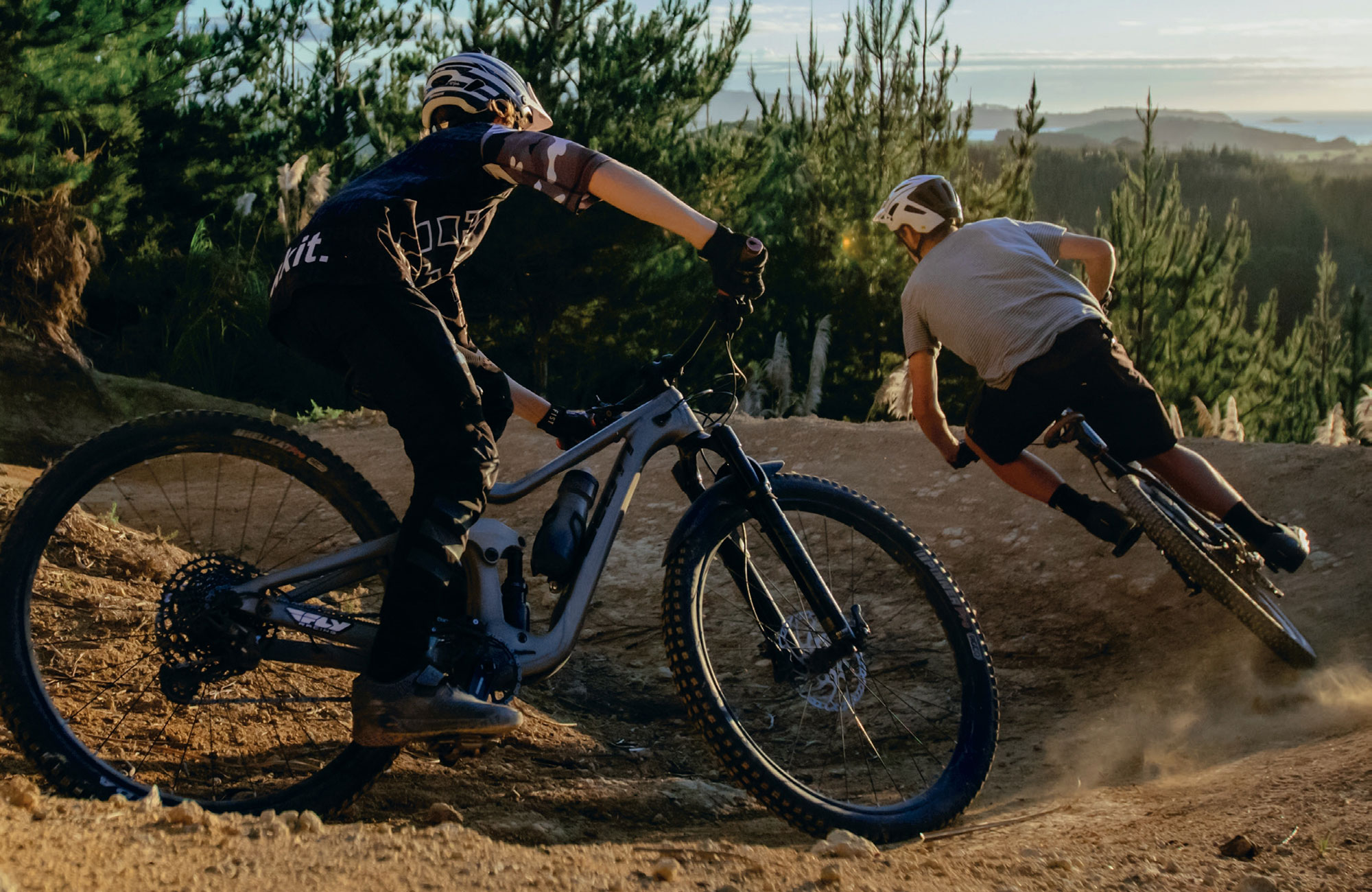
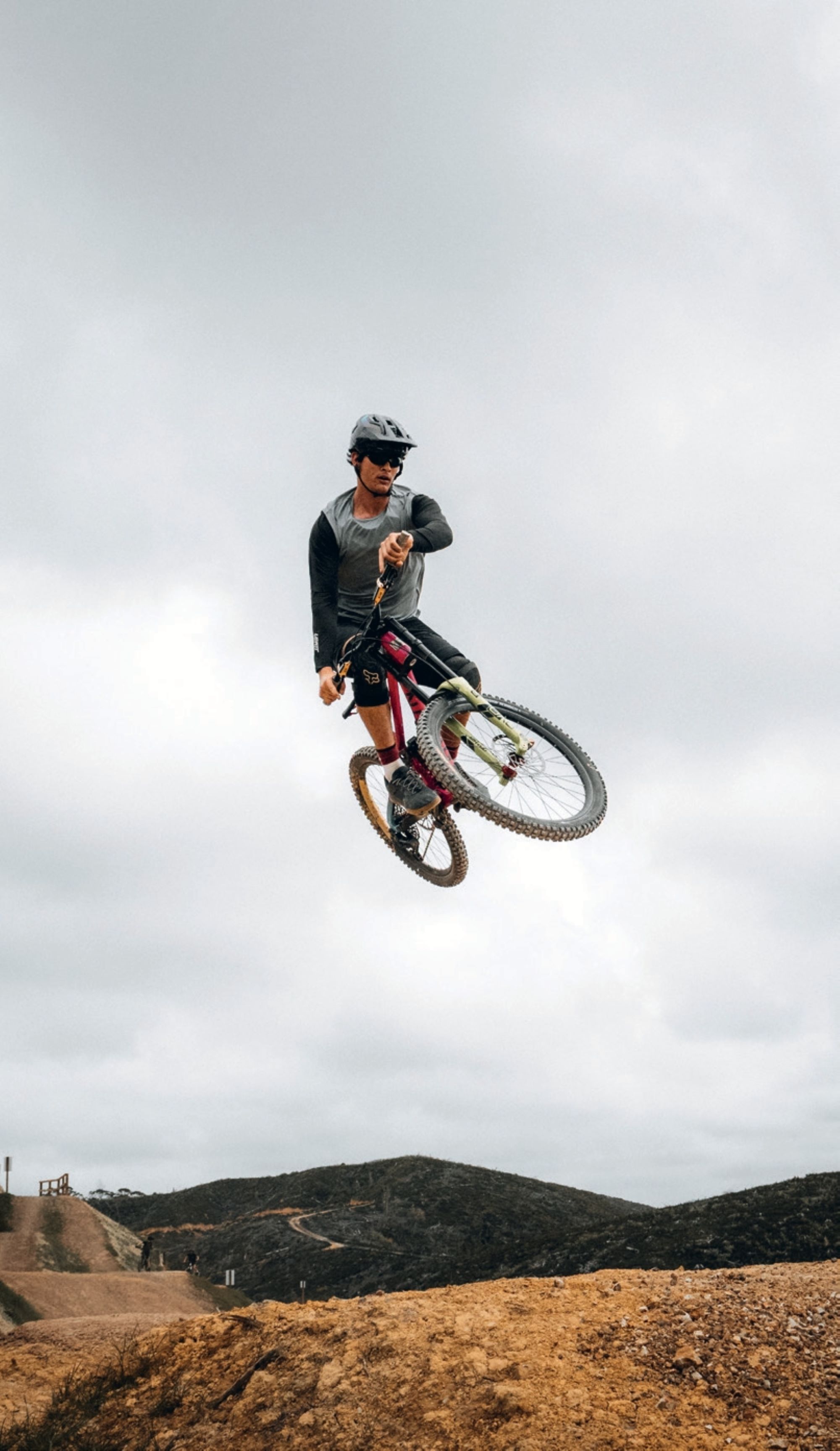
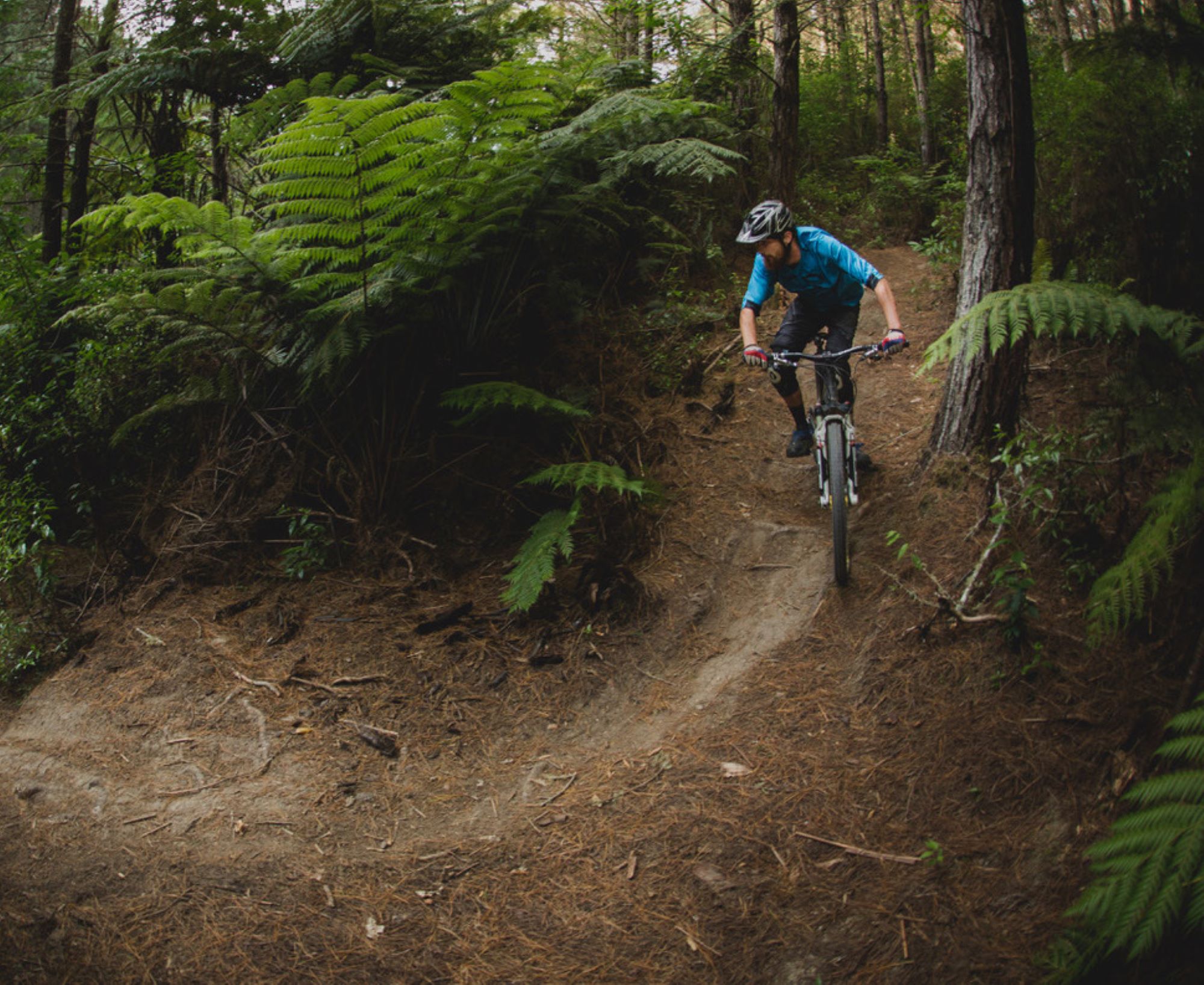
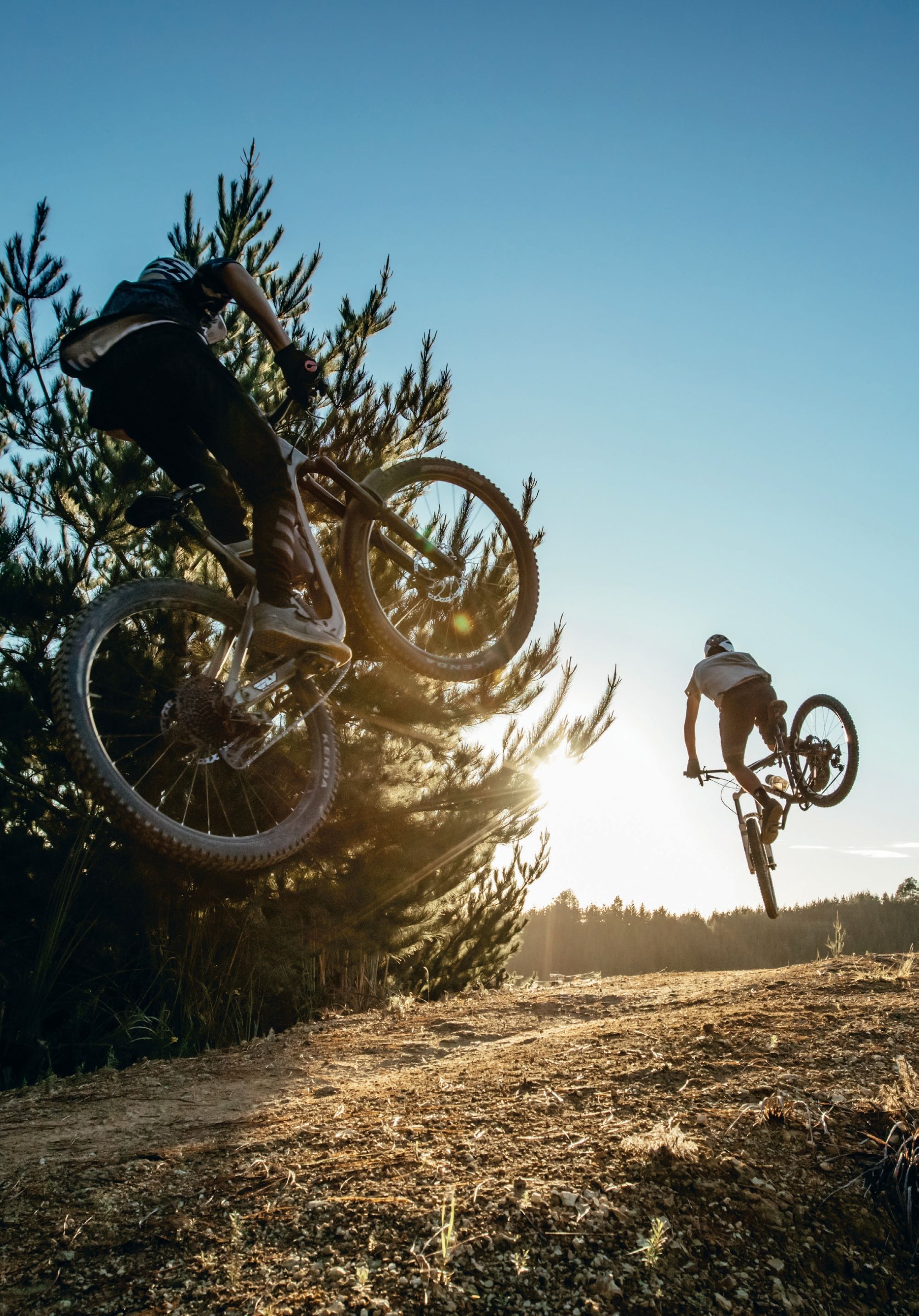
On a sunlit hillside at the entrance to Waitangi Mountain Bike Park, riders are sending it. Some are tentative at first, then grow with confidence. Kids roll tabletops, seasoned riders boost skyward and, somewhere in between, a quiet kind of magic is happening.
This is Pekenui “jump big” Jump & Skills Park, and it’s the most significant addition to Waitangi in a decade. But, like any good trail, the story behind it isn’t a straight line. It’s a winding, technical climb – full of setbacks, persistence, and moments when turning back would have been easier. Instead, the team behind the dream kept going.
A park with purpose
Long before Pekenui took shape, Waitangi Mountain Bike Park itself was an ambitious idea: a free-to-ride, world-class trail network in a region that needed more accessible, land-based recreation.
Northland has historically faced some of the country’s toughest health statistics, and for park manager, Tiff Holland, who grew up there, the vision was always about more than bikes. It was about people.
Like many good ideas, it took a kid to identify it.
“We took our kids riding in Rotorua and they just loved it,” Holland says. “They were like, ‘Mum, this is better than Christmas! Wouldn’t it be incredible to have something like this in Paihia?’”
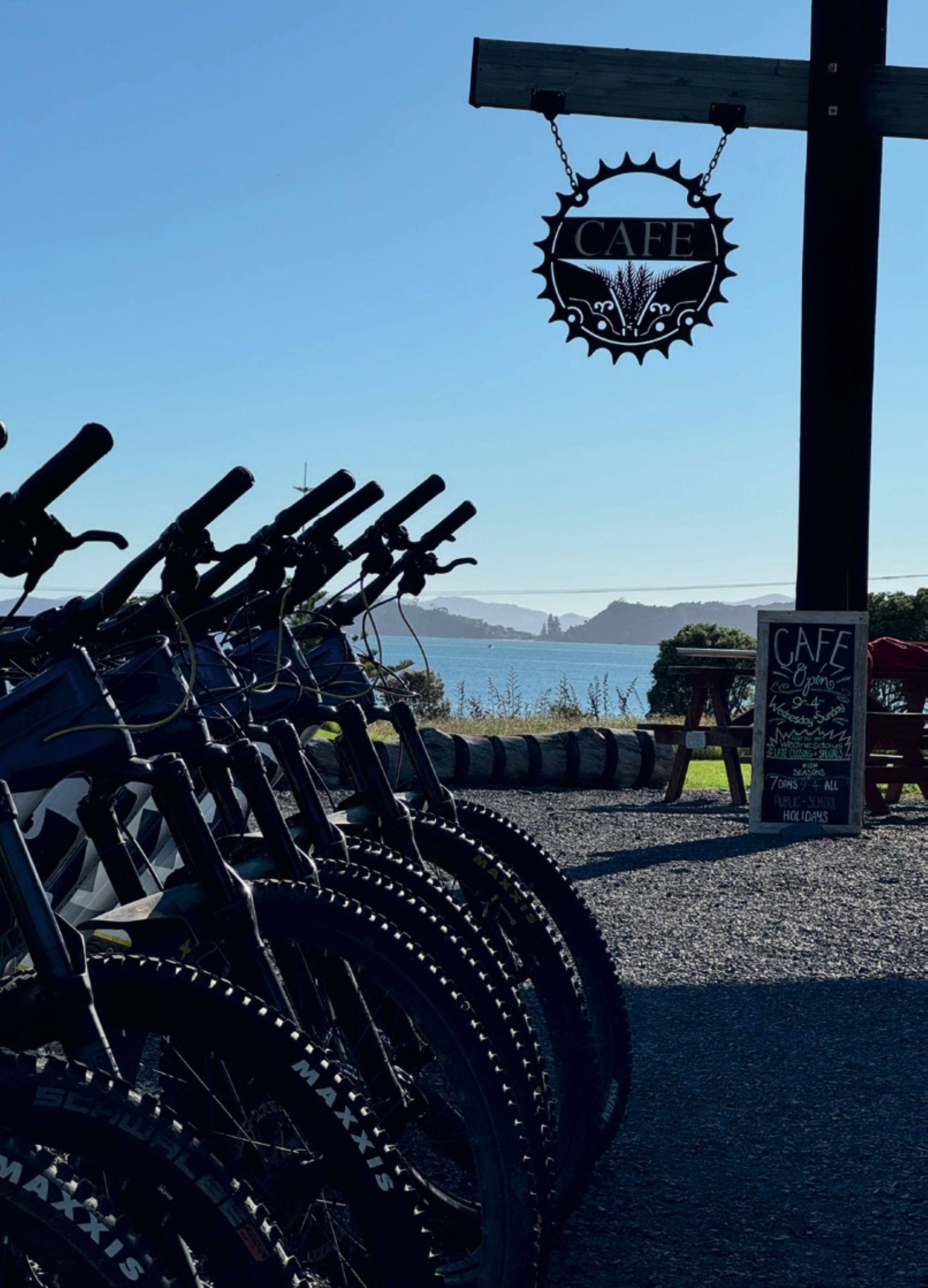
At the time, Holland was working in a completely different world – producing shows at international fashion weeks in New York, London, Paris and Milan – even after returning home to the Bay of Islands from overseas. But not long after that trip to Rotorua, the family threw themselves wholeheartedly into building a bike park from scratch.
That vision took shape in 2016, but the groundwork started long before that.
Set on 570 hectares of Crown land within the Waitangi Endowment Forest, the park sits on land that’s as complex as it is beautiful – managed by the Department of Conservation, actively harvested, ecologically sensitive and culturally significant.
“Every inch of trail required careful planning, consultation and approval,” explains Holland. “The paperwork was huge.”
Huge is an understatement. It took two and a half years just to get the original park off the ground after countless hui, environmental checks and stakeholder conversations.
“There were so many points where we could have given up and stopped,” recalls Holland. “But we didn’t; we always knew why we were doing it.”
That “why” still drives the park today.
With over 50km of trails, and more to come, Waitangi has grown into the destination Tiff and her husband envisaged when they pitched the concept more than a decade ago. A true community asset, the park balances flow, accessibility and meaning, while contributing millions to the local economy and delivering measurable health and wellbeing benefits to the community.
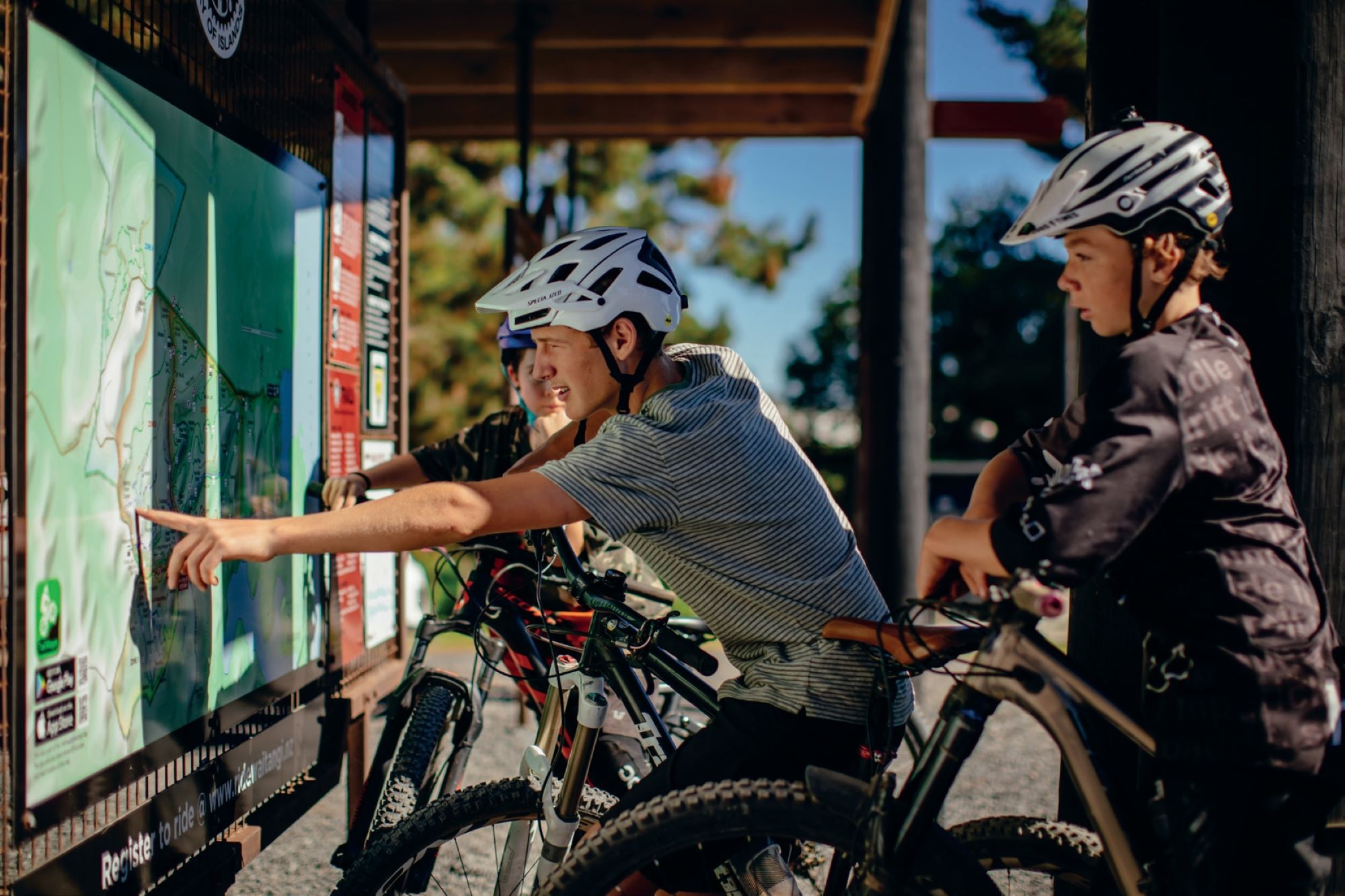
The next step: Pekenui
If Waitangi was about access, Pekenui is about progression.
The jump and skills park – spanning an entire hillside at the park entrance – is the biggest addition since the original trails opened.
There are three jump lines, each stepping things up: Manurere for beginners finding their feet, Wētā for riders building confidence, and Puanga Matariki for those ready to push it further. Add in climbing tracks, balance features and a ridgeline flow trail, and you’ve got a space designed to be lapped, sessioned and steadily unlocked.
The progression is deliberate. In a region where mountain biking hasn’t traditionally been dominant, lowering the barrier to entry is everything.
“We wanted something that allowed people to progress safely,” Holland says. “Good lines, good angles – something that gives riders confidence.”
And that’s exactly how it’s playing out. Riders who arrive unsure are quickly lapping lines they never thought possible. Families ride together. Kids find confidence. Experienced riders finally have features that push them.
“I dropped in on Manurere first and it’s perfect for learning to fly,” one rider said at opening. “After a few laps my confidence just went through the roof.”
That sense of accessibility – of meeting riders where they’re at – is what sets Pekenui apart.
Built by many hands
Like the rest of the park, Pekenui is a community effort through and through.
The $300,000 project was fully funded through grants, donations and local support, with more than $60,000 in materials and services contributed by businesses across the region.
Trail builders, Empire of Dirt, shaped the lines but the project itself reflects something much bigger. “It’s been pure community grit and aroha to get here,” Holland said at the opening.
That spirit is part of what makes Waitangi different. The park remains free to ride, supported by donations, volunteers and a small team that keeps everything running.
“It’s a really small crew for a big park,” Holland says. “But there’s a lot of pride in it. People really care about this place.”
And Holland would know. Running the park, she says, is “almost like having a third child. It’s always on my mind”. Storms can undo months of work overnight. Funding is never guaranteed. For the first four years, her role wasn’t even paid.
“I sort of blagged my way through it in the beginning,” she laughs. “What I know now compared to then!”
And yet, when Pekenui opened and the hillside filled with riders, it reminded her again why it’s all worth it.
“Seeing Pekenui open was huge, but there are so many moments that make it all worthwhile,” she says. “Seeing a young girl beaming when she rides without training wheels for the first time, hearing the whoops and hollers of teens choosing to spend their free time outside, or hosting a Hapu ride – there’s so much good.”

Trails that tell stories
At Waitangi, trails aren’t just lines on a map – they’re stories.
Gifted through collaboration with Ngā Hapū ki Waitangi, the trails reflect the stories, language and identity of the area. Riding here is as much about connection as it is about flow.
Some stories are cultural. Others are personal.
Insisted on by mana whenua, among them is a trail named after Tiff and Robin Holland – a subtle but powerful recognition of the journey they’ve been on. Because behind the infrastructure, the funding applications, and the thousands of volunteer hours, there’s a human story. One of returning home, starting something from scratch, and choosing – again and again – not to give up.
“It’s pretty special,” Holland says. “To have our story alongside the stories of this place.”
It’s a reminder that trails, like people, carry history.
More than just a ride
Today, Waitangi Mountain Bike Park is a cornerstone of the Northland riding scene, attracting visitors from across New Zealand and beyond. It’s generated significant economic impact, strengthened community ties, and created a space where health, culture, and recreation intersect.
“We’re constantly told that having Waitangi Mountain Bike Park here has changed people’s lives,” Holland says.
Families ride together, school groups come through, and local riders return again and again – not just for the trails, but for the sense of belonging that comes with them.
Pekenui marks the next chapter in that journey – building on everything the park set out to be. But more importantly, it’s further proof of what’s possible when a community backs an idea, and sticks with it through the hard parts.
Super V and the Evolution of Women’s MTB in Wellington
Words Meagan Robertson
Images Kristine Zipfel
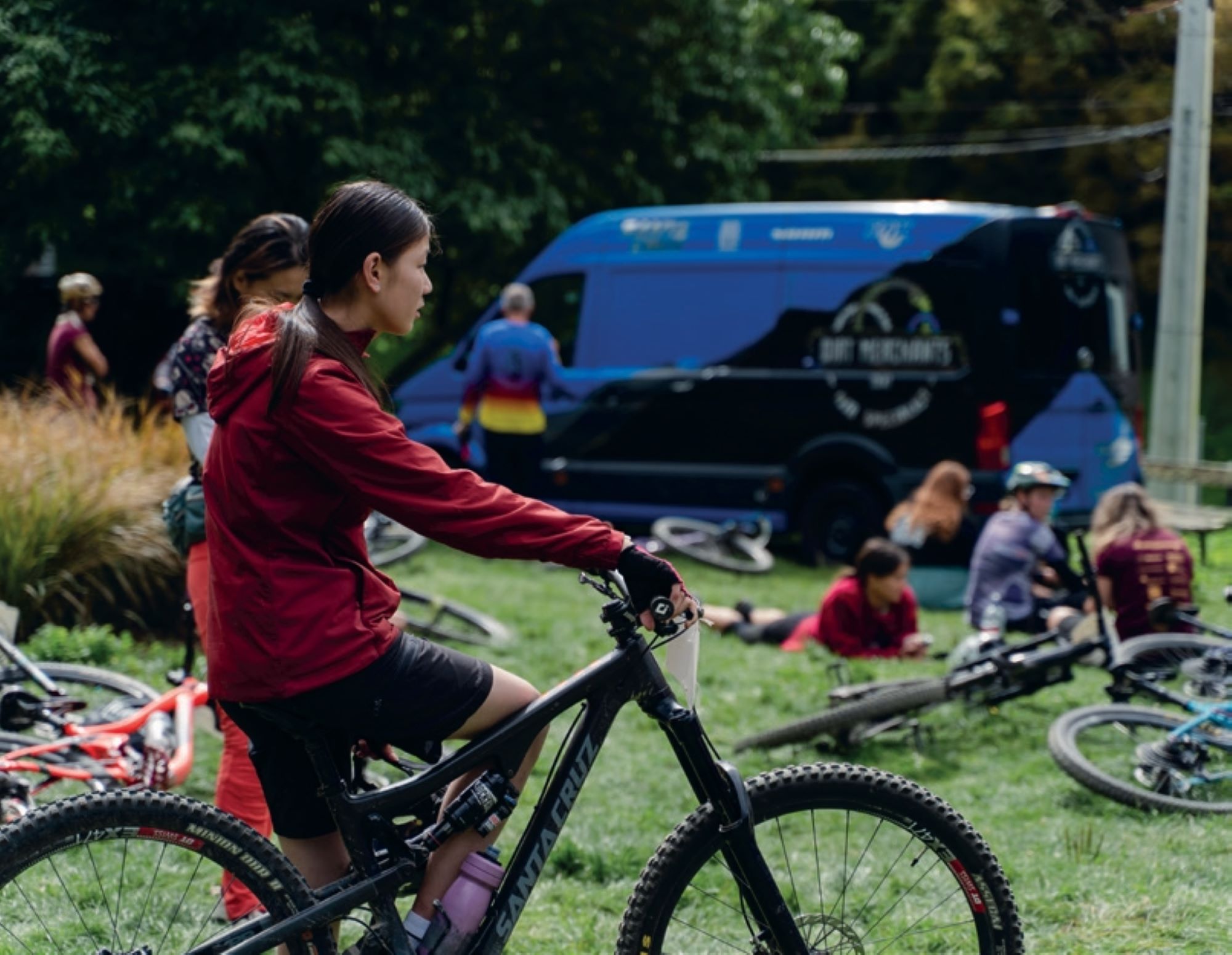
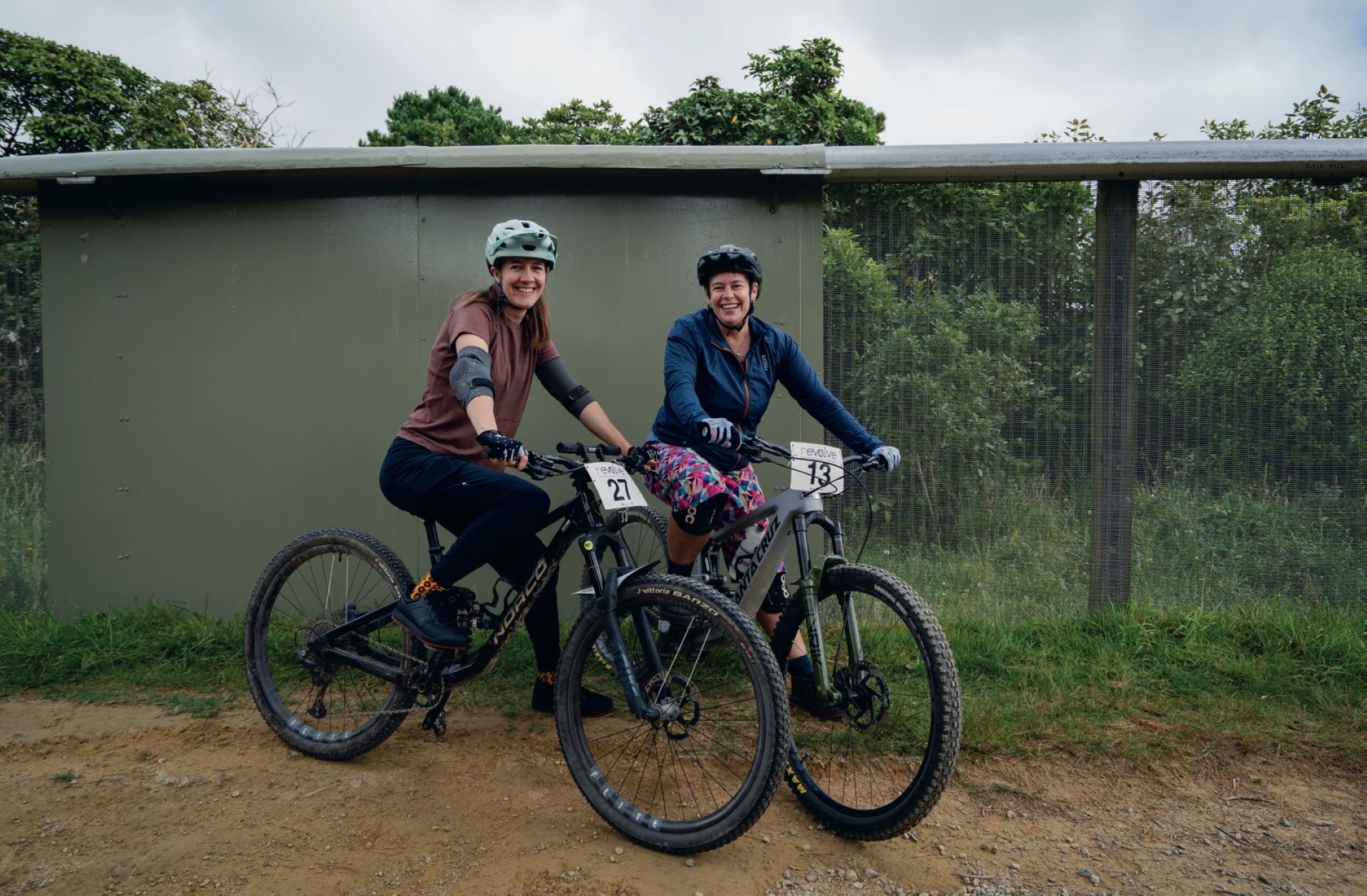
There’s a point during Super V – usually somewhere between the first shuttle run and the last finish-line high five – where it’s clear the day isn’t really about racing.
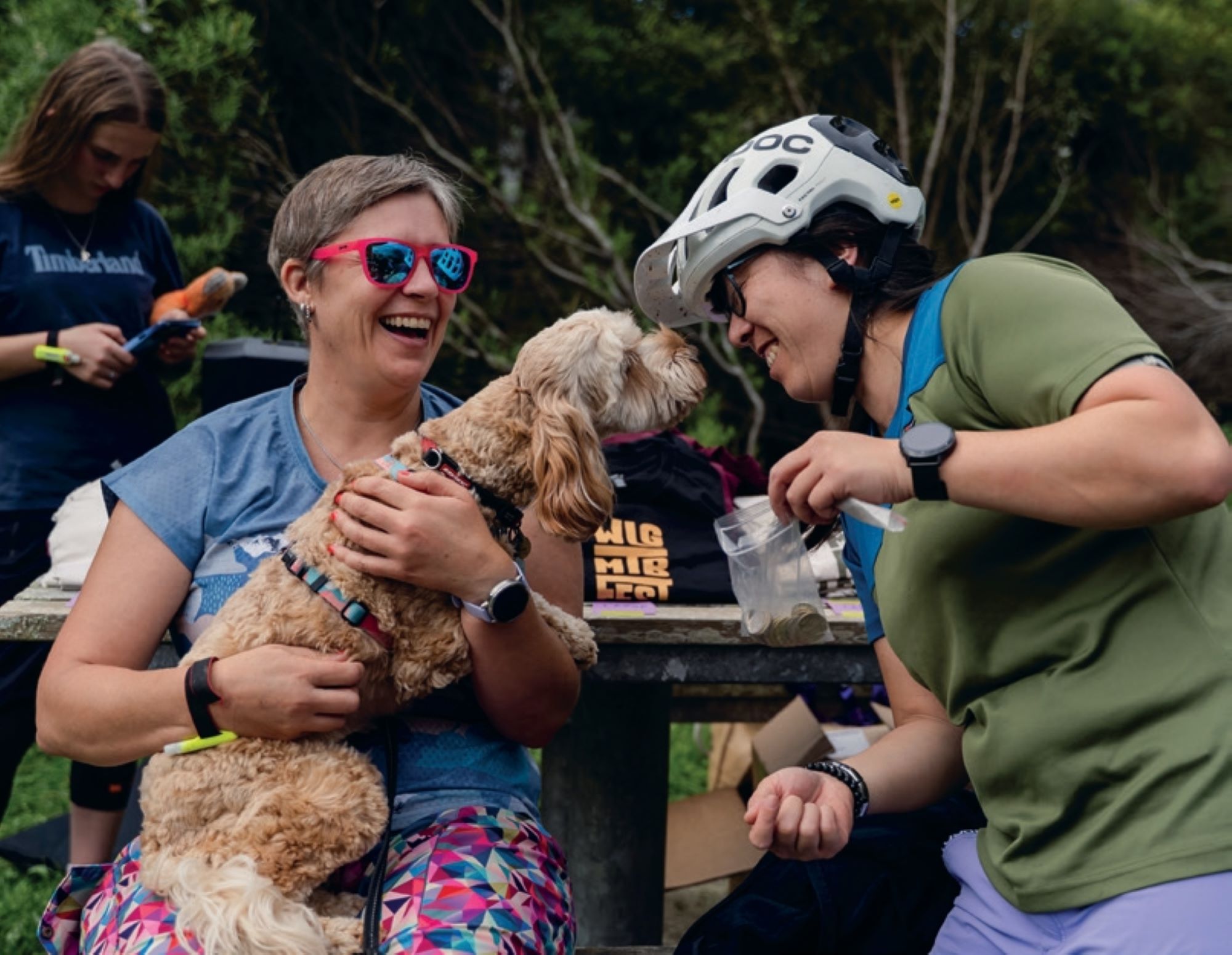
It’s in the conversations on the shuttle ride up, the mix of nerves and excitement, and the way people who’ve never met before are suddenly giving each other tips, encouragement, or just a well-timed “you’ve got this”. By the time riders start rolling in at the finish, dusty and grinning, the results almost feel secondary.
That’s been the essence of Super V since it began in 2013, and something the organising committee – aka the Revolve crew – works hard to keep alive and well.
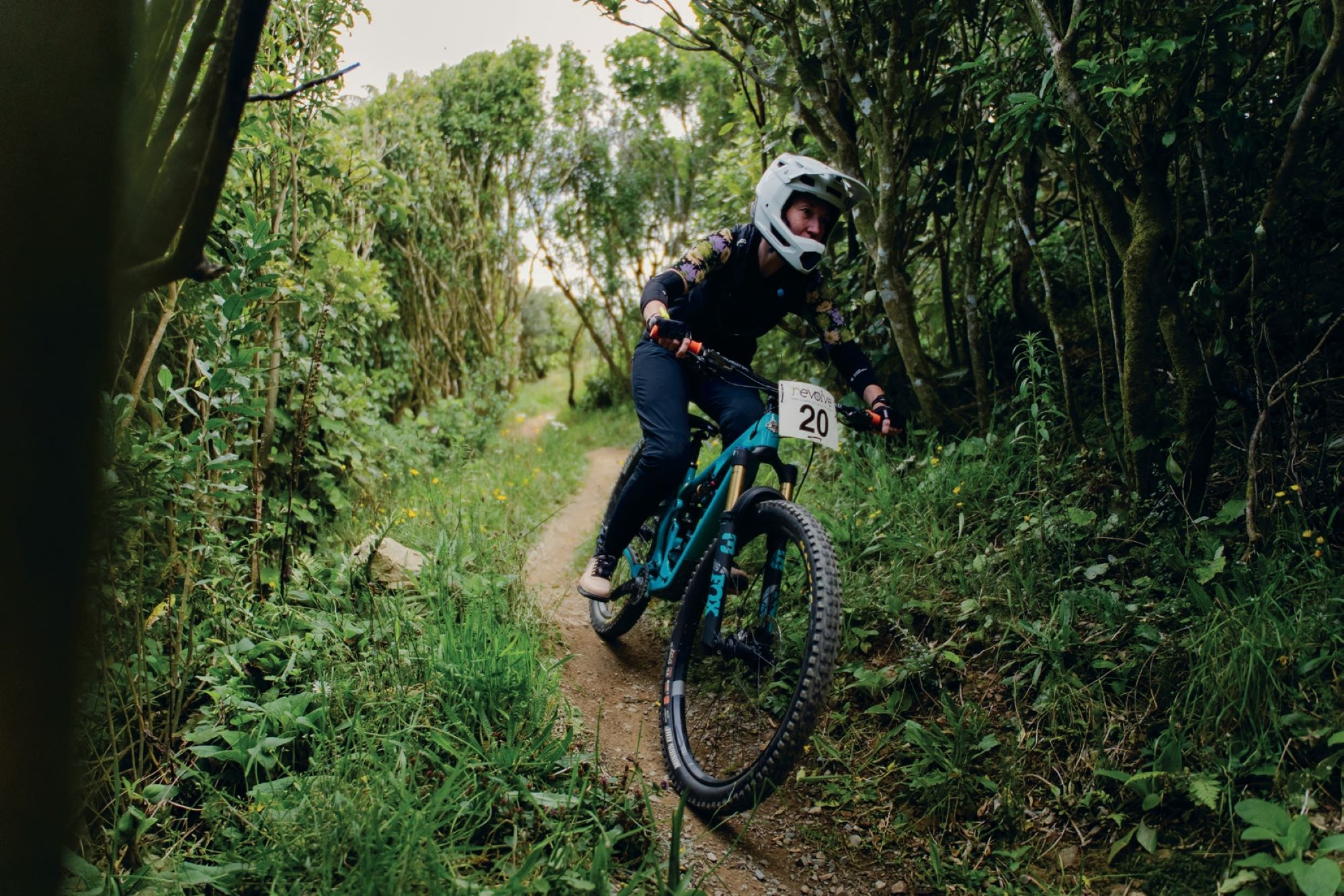
Now in its 13th year, Super V is firmly part of the fabric of Wellington’s women’s mountain bike scene. It’s competitive without being intimidating – social, but still a race. A space where you can push yourself as hard as you want – or just turn up and be part of it.
This year’s event, held on March 21, felt like a pretty perfect example of that balance.
The weather showed up, the trails were running fast and dry and spirits were running high at a time when it’s easy to get consumed by the energy of the world. The numbers were a bit lower than recent years but, if anything, it felt a bit more connected – people stayed longer, chatted more, and made a proper day of it. So many stayed to help pack down that it was one of the fastest pack ups on record!
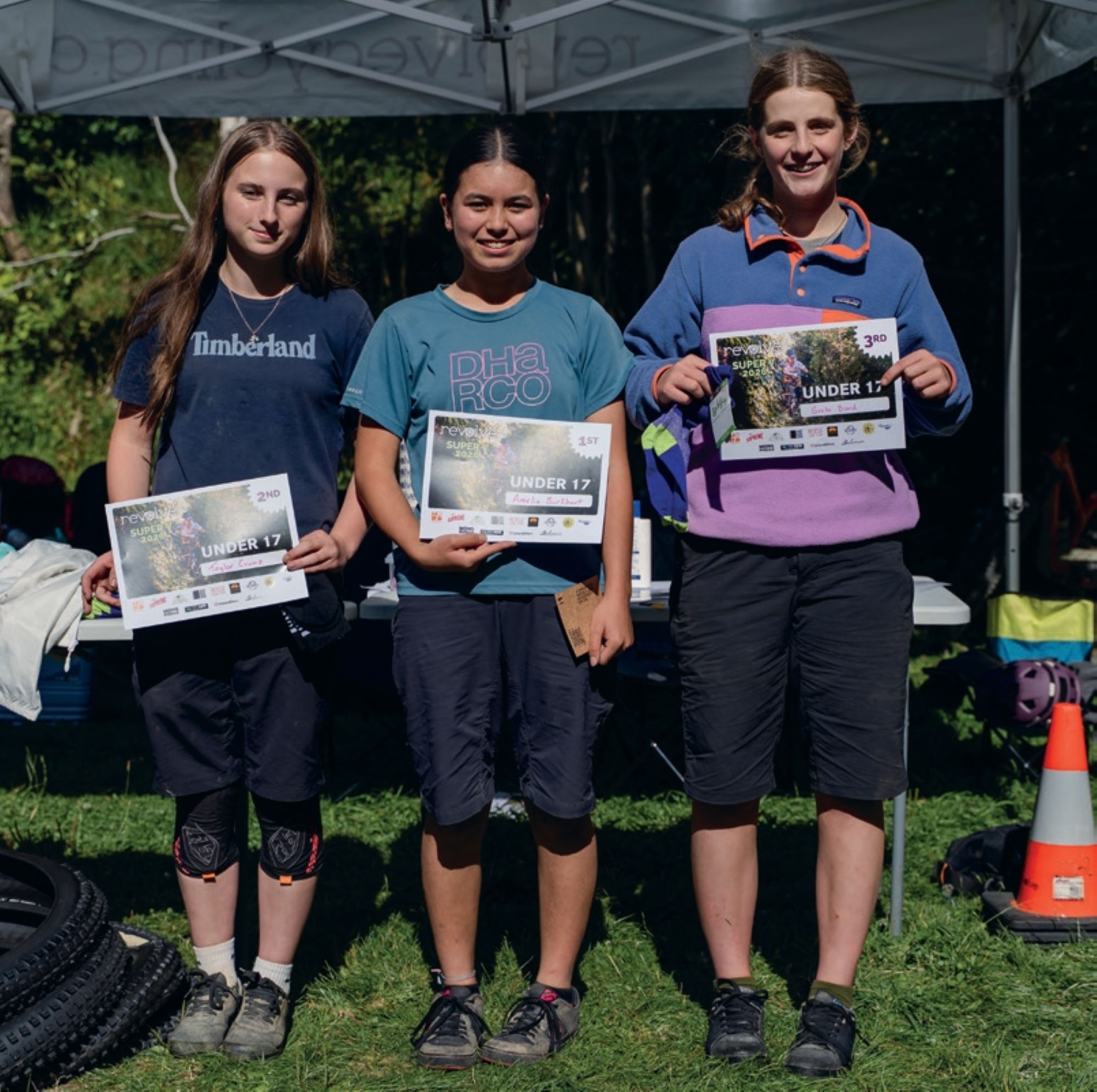
There were full podiums across almost every category – from Under 13 to over 60 – which is something we’ve always been proud of. You had younger riders absolutely sending it, but also women who came into the sport later in life lining up and racing just as hard.
The racing itself was tight too, with the top over-18 rider just one second off the podium full of super speedy teens. At the same time, there was the usual unpredictability that comes with mountain biking – a crash from a top rider, mechanical dramas, having to pass because some of us still aren’t great at owning our speed, and those ‘what if’ moments that are all part of the deal.
But Super V has never really been just about the race runs.
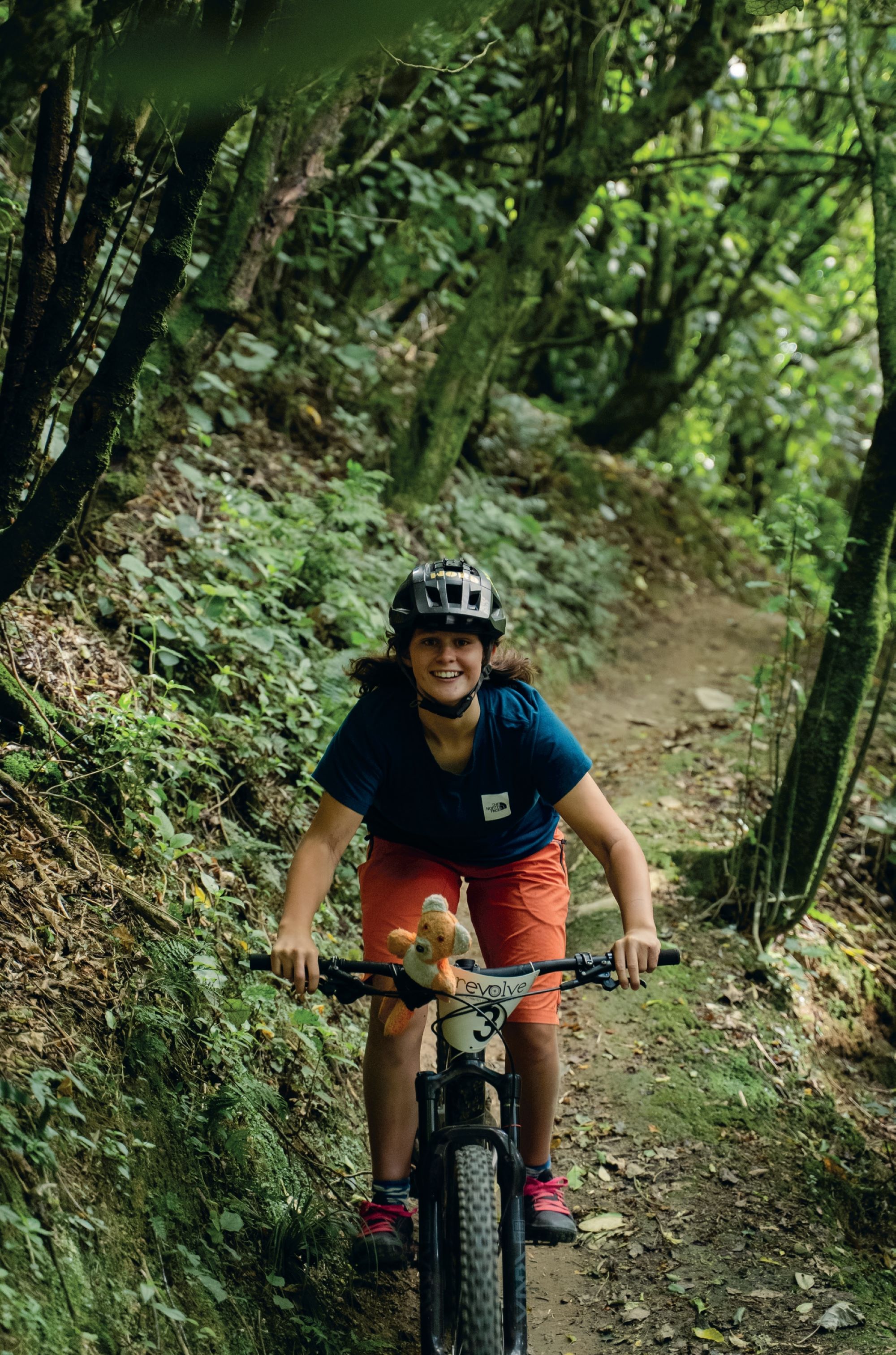
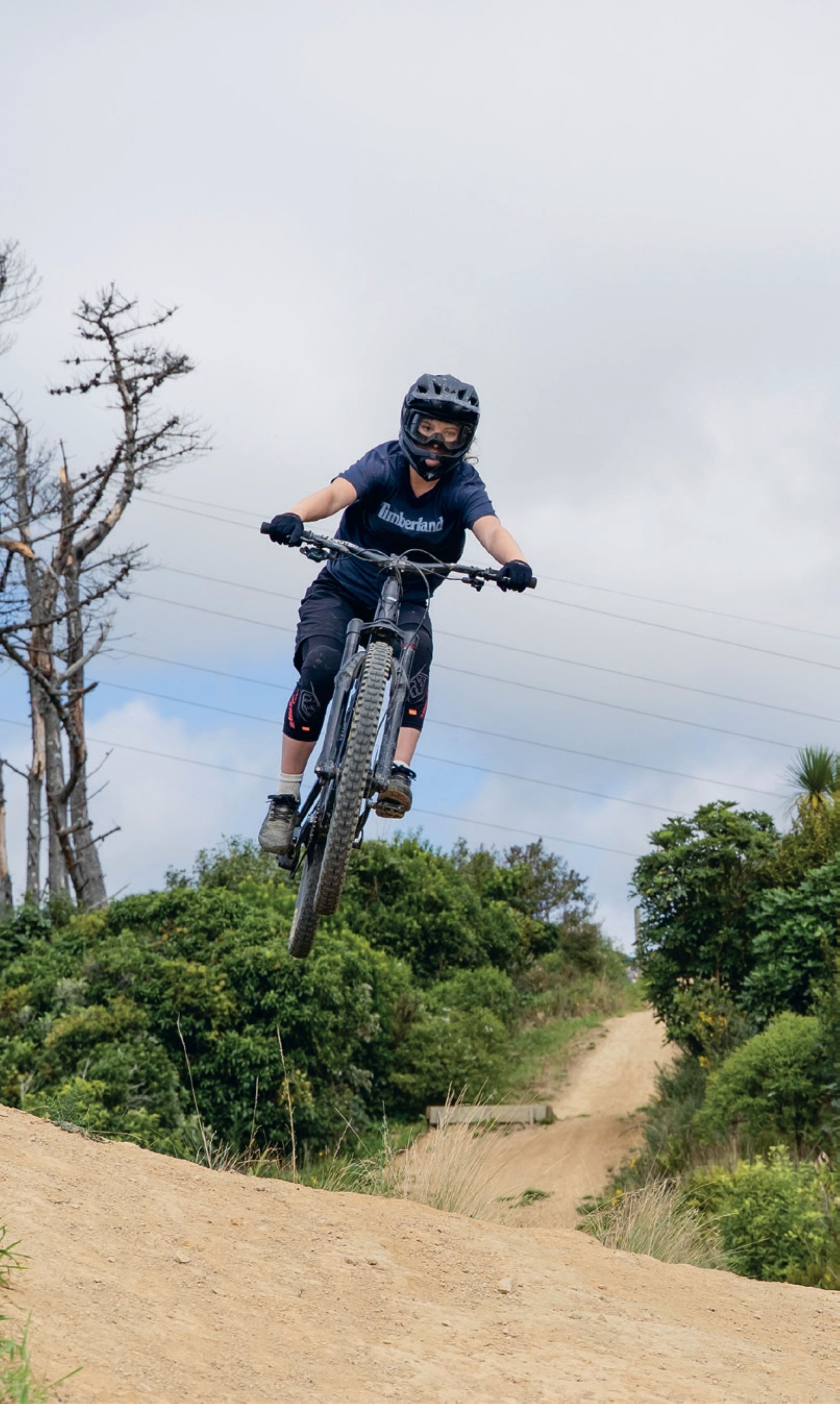
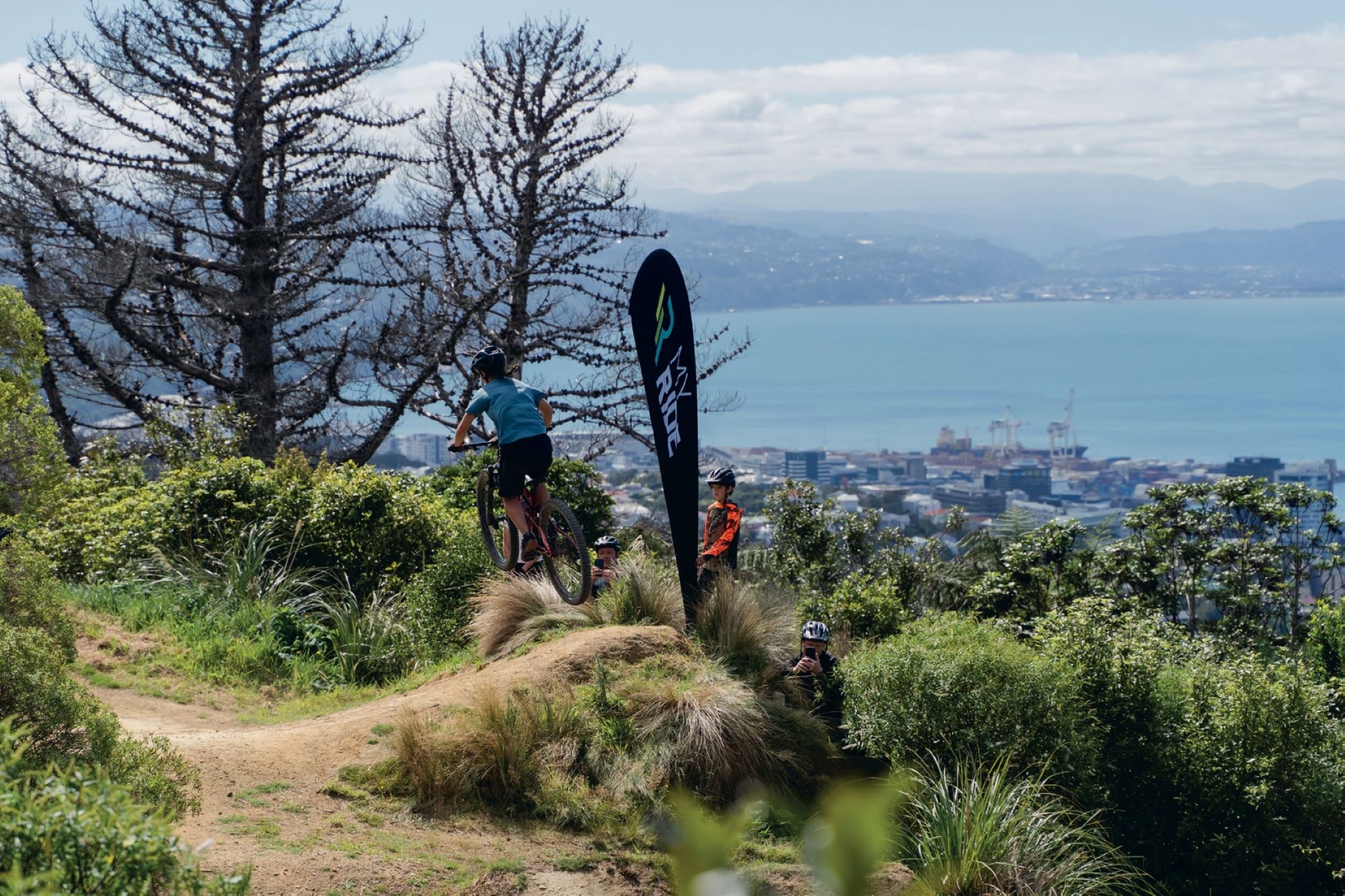
The Jump Jam, inspired by Juliana Bicycles and now run by local bike shop MyRide, has become a highlight and this year was no exception. Set at the top of the Roller Coaster jumps line overlooking the harbour, with three different levels of challenge, it provides the perfect mix of opportunity, support and just the right amount of peer pressure. While Open Women have dominated in previous years, this year saw the younger riders taking it to the next level. Watching riders step up to features they’d never hit before –tentatively at first, then full send by the end – captures the shared progression of the day, where everyone is pushing at their own level but feeding off the same energy. It’s one of the best parts of the day, and the crowd of riders watching is testament to the excitement. The competition’s top prize – a beautiful, handcrafted Jump Jam necklace – isn’t a bad addition to the bragging rights earned on the day.
Then there are the lighter moments – the Fancy Finishes, the Whoopsie Award (designed as a condolence for the biggest crash), the Spirit of Revolve Awards and the epic spot prizes. It all adds up to something a bit different from your standard race day.
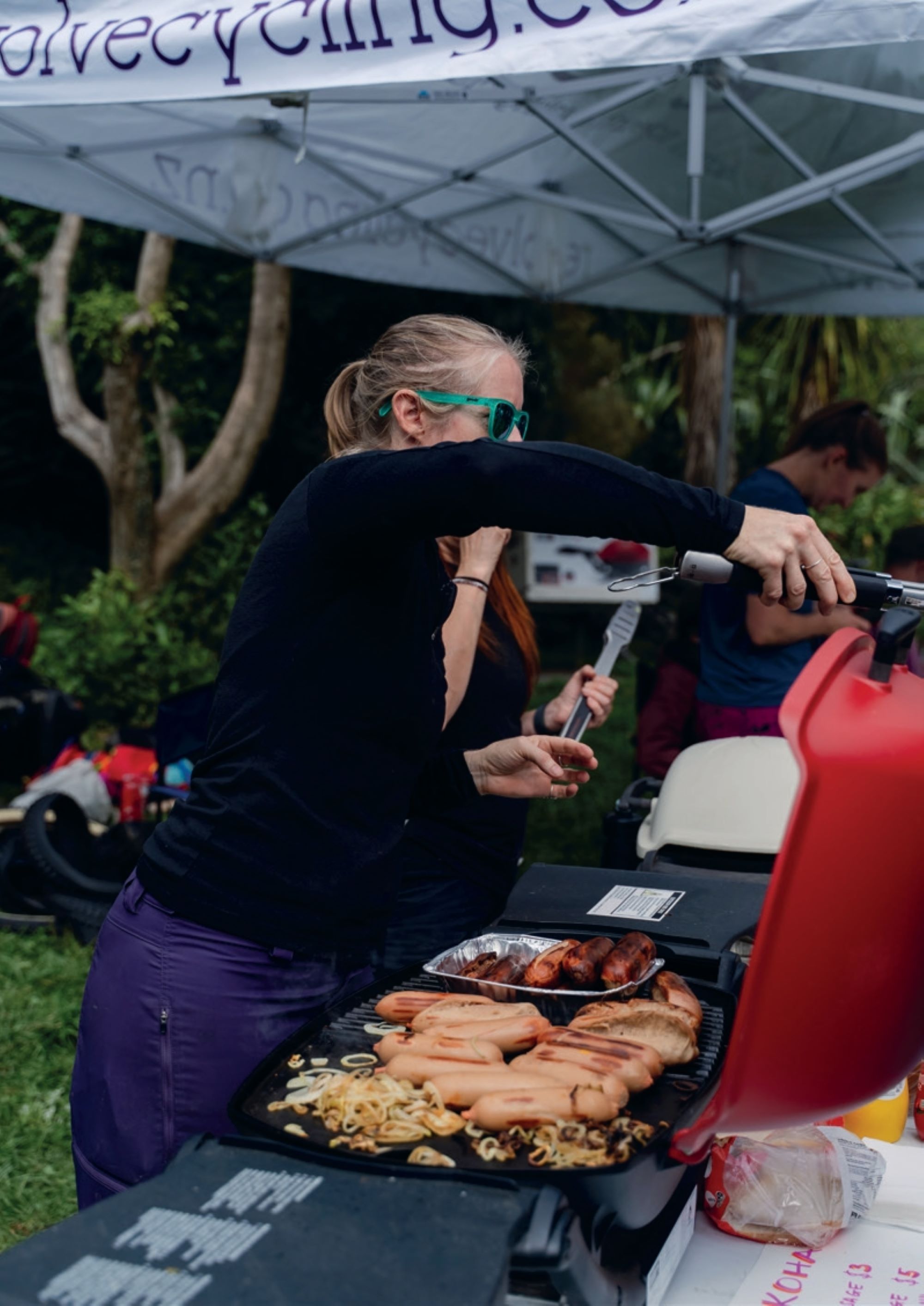
A big part of that is the team who quietly make it happen. From shuttle drivers and marshals to mechanics and organisers, there’s a whole crew behind the scenes keeping things running smoothly. We’re also always conscious of giving something back, which is why part of every entry goes directly to the trail builders – in this case, the Brooklyn Trail Builders – along with whatever we can add from the sausage sizzle.
That connection to the trails, and the people who build and maintain them, is something that’s always been important to us.
Because at the heart of Super V is Revolve.
The Revolve revolution
Revolve Cycling started back in 2009, and over time it’s grown into the longest-running women’s cycling club in New Zealand. What began as a small group of women looking for others to ride with has evolved into a community that’s introduced thousands of riders to both road and mountain biking.
Over the past 16 years, we’ve run more than 50 women-only events, guided over 1,500 rides, and connected with more than 5,000 riders through our wider network. But the numbers only tell part of the story.
For a lot of women, myself included, mountain biking didn’t start in childhood. It started later – often with a fair bit of hesitation, and usually without a clear pathway in. Clubs like Revolve filled that gap. They created a space where it felt okay to be new, to learn, and to build confidence without pressure.
That’s something I still see now, both through Revolve and my coaching with teenage girls through WORD (Wellington Off Road Department). The difference is that the pathway into the sport looks very different today, and that change is reflected at an event that attracts both.
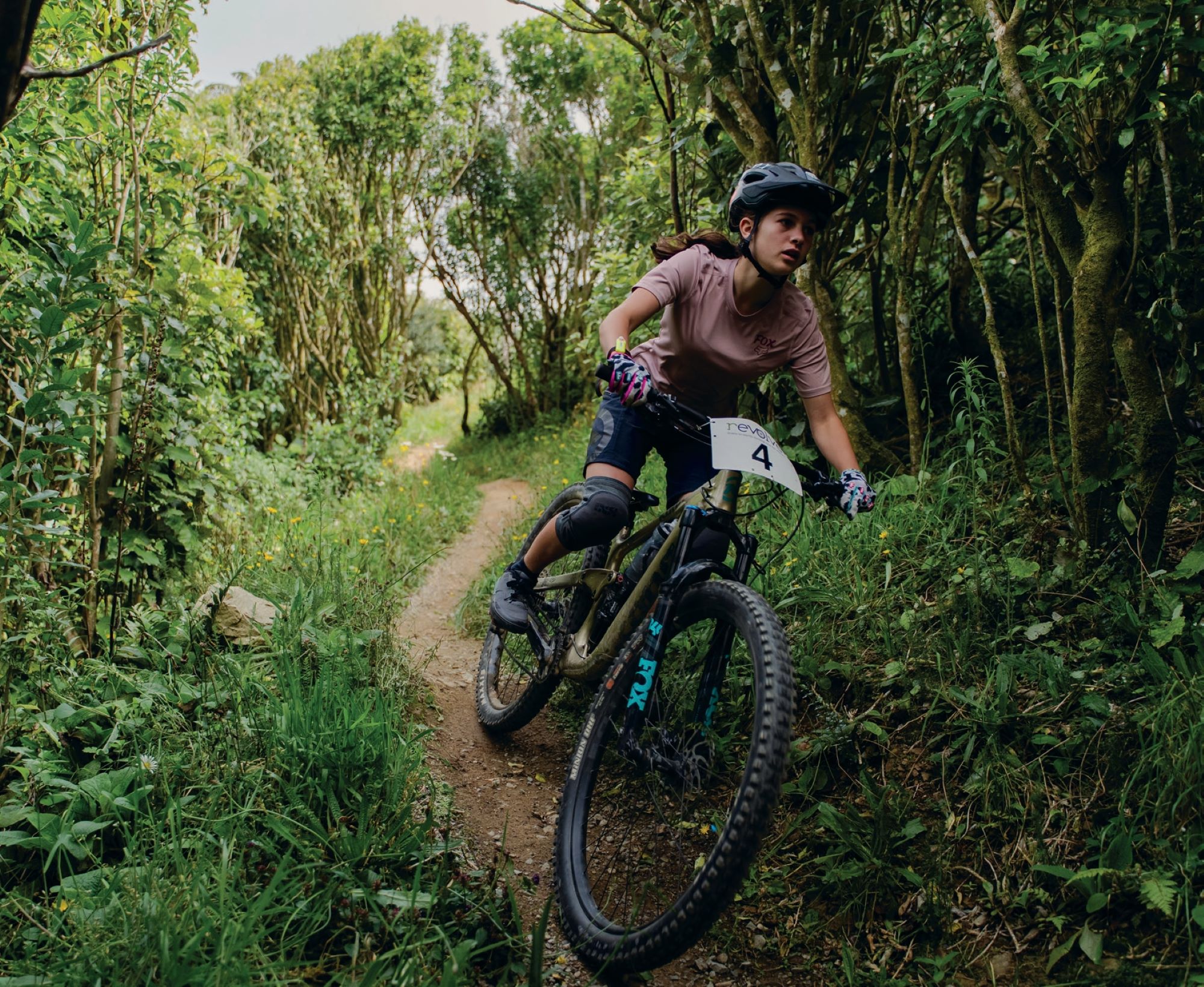
Looking around at Super V this year, it was impossible not to notice how many younger riders were there. Not just participating, but genuinely competitive – technically strong, confident, and riding at a level that reflects how much the sport has progressed.
It’s incredibly exciting to see and, at the same time, does shift the dynamic slightly.
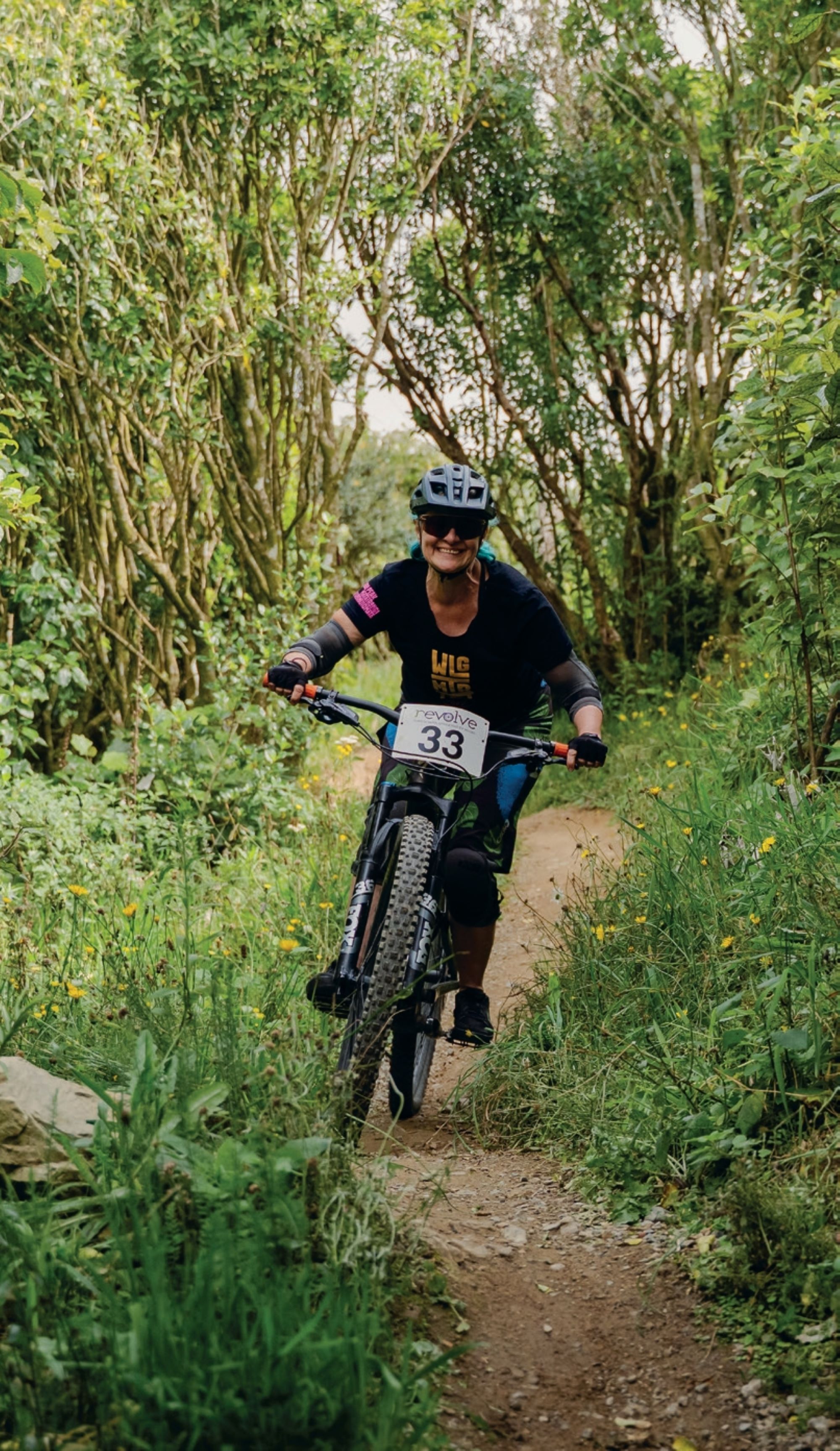
Revolve has always been a space designed for adult women, many of whom came into riding later in life. For that group, having an environment that feels welcoming and non-intimidating is a big part of what keeps them coming back.
As more under-18 riders start showing up – and doing really well – the lines between those groups start to blur.
It’s not a negative thing. If anything, it’s a sign that the sport is growing in the right direction, and when checking in with the over-18s at the event, they were nothing but thrilled about the age range. That said, it does raise questions about how we continue to support both ends of that spectrum.
How do we keep that original “have a go” energy alive, while also making space for a generation of riders who are progressing faster than ever?
How do we make sure that someone turning up to their first event still feels like they belong, even as the overall level continues to rise?
There’s no neat answer to that, and maybe there doesn’t need to be.
Because if Super V shows anything, it’s that there’s room for all of it.
Standing at the finish line this year, watching riders come through – some racing for podiums, others just stoked to have made it down – it was clear that the core of it hasn’t changed.
People are still showing up for the same reasons.
To challenge themselves. To connect with others. To be part of something that feels supportive, a little bit nerve-wracking, and a lot of fun.
That’s what Revolve set out to create back in 2009 and, 13 years into Super V, it’s still exactly what keeps people coming back.
Meagan Robertson has been the president of Revolve Cycling in Wellington since 2016, and coached WORD since 2013.
Slack Boy at your service
Words Rob Lee
Images Caleb Smith
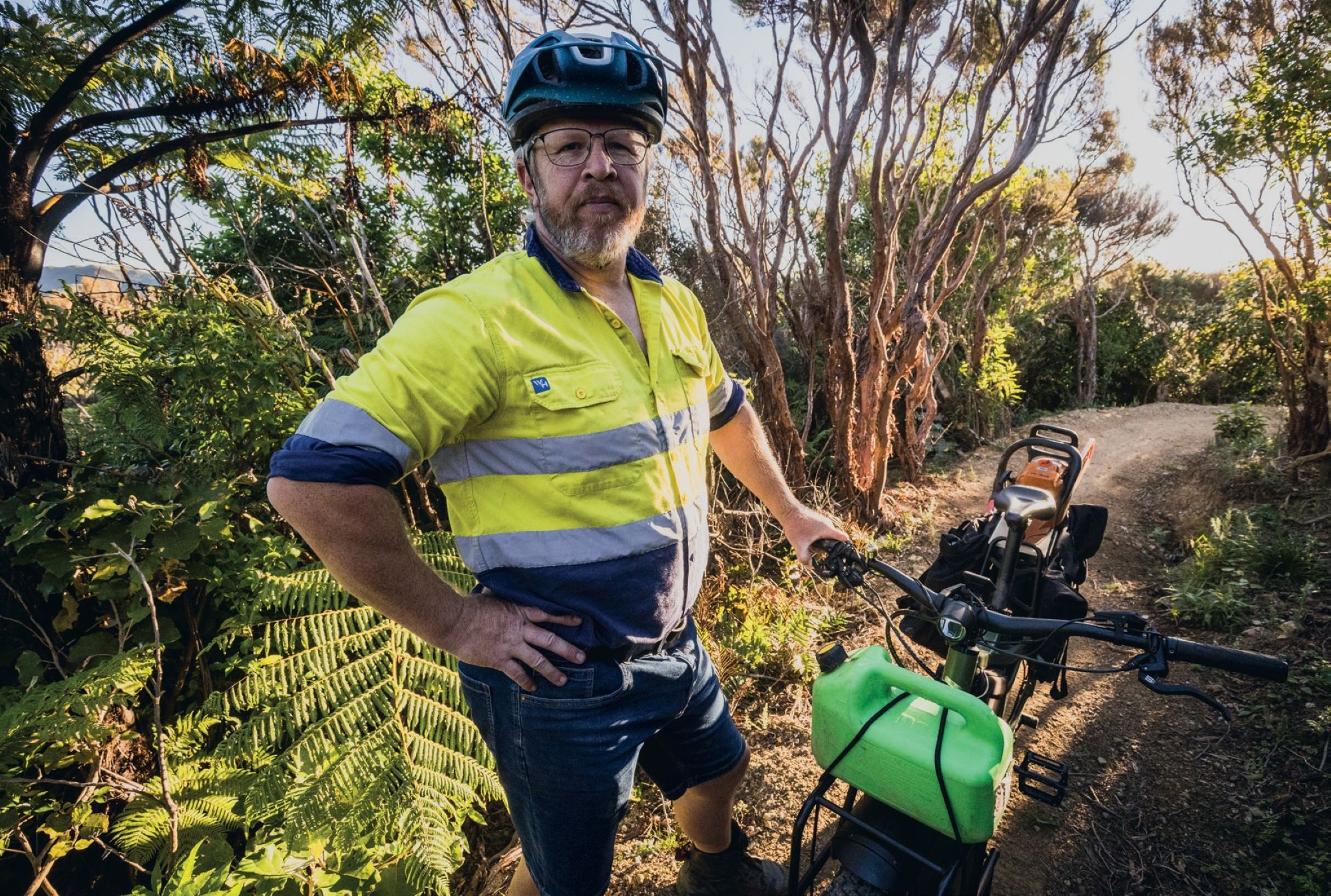
There aren’t many parts of the Wellington cycling scene that Ricky Pincott hasn’t touched in some shape or form over the past 30 years.
His many years of riding and racing bikes, building trails and former co-ownership of the long-time Karoribased bike shop, Mud Cycles, means he’s been able to bring a wideranging and informed perspective to all things bike-related.
Ricky, 48, is perhaps better known as ‘Slack Boy’, a nickname that’s stuck ever since his early flatting days. His house mates were setting him up on IRC Chat (an early online group messaging platform) and needed to give him an online name or ‘handle’. They considered his chores in the kitchen to be, well, pretty bloody slack, and there it began!
Born and bred in Wellington’s Upper Hutt, Ricky’s first foray into cycling was on a BMX, trick riding and “trying to be cool”.
Not long after, still a fresh-faced 13-year-old, he badgered his parents for his first mountain bike, eventually getting a 19-inch Diamondback Ascent, which he’d ride and race with his mates, Wayne Hiscock and Paul Fiest. The nearby Cannon Point and Akatarawa hills and valleys were both his daily playground and training ground – if he and Wayne weren’t busy playing backyard cricket.
Since then, local, regional and some national racing punctuated much of Ricky’s life, competitive in a range of disciplines including XC, enduro and downhill (to pro-elite level), and hardtail DH. Too many bikes to mention came and went from his stable during those years.
He still counts beating Wayne Hiscock in an XC race in Levin, aged 16, as his crowning glory, largely because the course had no hills in it. “I’ve held onto that desperately, because he (Wayne) was so much better than me. He’s such a genetic freak,” Ricky says.
At 17, Ricky headed to Tūrangi, where he completed a year-long outdoor recreation polytech course, giving him an even greater taste for the outdoors. He also held a very part-time job adjusting brakes and waxing skis at the Tūrangi ski and bike hire shop.
It was around this time he developed an interest in trail building, downloading (very slowly) early Pinkbike-type videos on an old 56K modem, showcasing what was happening overseas with builds, mostly on Vancouver’s north shore.
His local stomping ground of Cannon Point was where he built his first “sneaky little tracks”, aged 18, purely for his own enjoyment. Thirty years on, one of them is still ridable today.
In 1998, Ricky moved into Wellington City and began a relationship with Mud Cycles in Karori. He bought a flash new Diamondback V-link 3.1 off them for DH racing, becoming a sponsored rider. Little did he know, he’d one day go on to co-own Muds’ with his flatmate and fellow trail builder Dave Waugh.
A series of jobs and opportunities peppered the next eight years, mostly in the cycle courier industry – on and off the bike – and where he first met Ali Quinn (now Director and co-owner of Zerode).
Then, aged 30 and working as a postie, he was diagnosed with ankylosing spondylitis (AS) – a chronic inflammatory arthritis that primarily affects the spine, causing vertebrae to fuse over time and leading to stiffness, pain, and reduced mobility. A brutal two years of pain characterised this time in his life.
Ironically, riding bikes was one of the few things he could do that was bearable. Not wanting a future gulping steroids and anti-inflammatories, he did some research and happened upon a no starch diet that helped him immensely after just two weeks. He lost weight, felt better and was able to return to XC racing and DH.
During this time, Ricky also volunteered at Mud Cycles before a fulltime mechanic’s job came up at Burkes Cycles in Kilbirnie, where he stayed for two years.
Ricky’s DH racing in 1999 and 2000 were memorable, to him at least, for two things (and not just because they still wore Lycra).
Firstly, a pedal slip when landing a huge drop saw his butt dragging dramatically on the rear tyre – caught on Saturn cable TV at the time – and immortalised as the “botty grinder” incident.
Then, in 2000, racing for the first time as a pro-elite in the nationals, he had a massive over-the-bars in Hokitika, smashing both wrists. Coming back too soon after those injuries, he raced toward the back of the pro-elite field with the likes of James Dodds (Dodzy).
“I was good enough to get into pro-elite, but not good enough to be in pro-elite,” he says with a wry smile. “I was really fit from being a cycle courier so had the pedal power, but not the skills.” Despite this, he continued on in the hardtail DH class until the mid 2000s.
In between bike couriering and racing, Ricky did volunteer trail building as time allowed, with the iconic grade 5 ‘Trickle Falls’ at Mākara Peak MTB Park being his first ‘proper’ full trail, completed in 2001.
He also helped out with other Mākara trails, including being part of the design and build of the grade 6 ‘Yeah Gnar’, the nearby ‘Deliverance’ (another old school favourite), and other Wellington classics such as ‘Jail Brake’ in Miramar with Dave Waugh. He also volunteered his time to sit on the Mākara Peak Committee.
While working at Burkes Cycles, and building ‘Jail Brake’, Dodzy and Jeff Carter (Southstar Trails) invited Ricky to go and help dig the first trails at Nelson-Tasman’s now infamous Wairoa Gorge. What was supposed to be a part-time gig while taking leave from his job, turned into a fulltime job that saw him relocate south in 2010 for the next two years.
“That was absolutely amazing,” he says. “It was epic. Just the scale and scope of everything. The terrain was so gnarly and wild and it was all hand-built while I was there.”
Then a phone call came out of the blue from Dave Waugh, asking if he was keen to partner up and buy Mud Cycles. Turns out he was keen… for the next decade.
“I went into Muds’ as a minority owner and was there for 10 years,” he says.
Customers who had their bikes repaired by Ricky at Muds’ would get their bikes back with a sticker on it stating: ‘Serviced/Tuned by Slack Boy’.
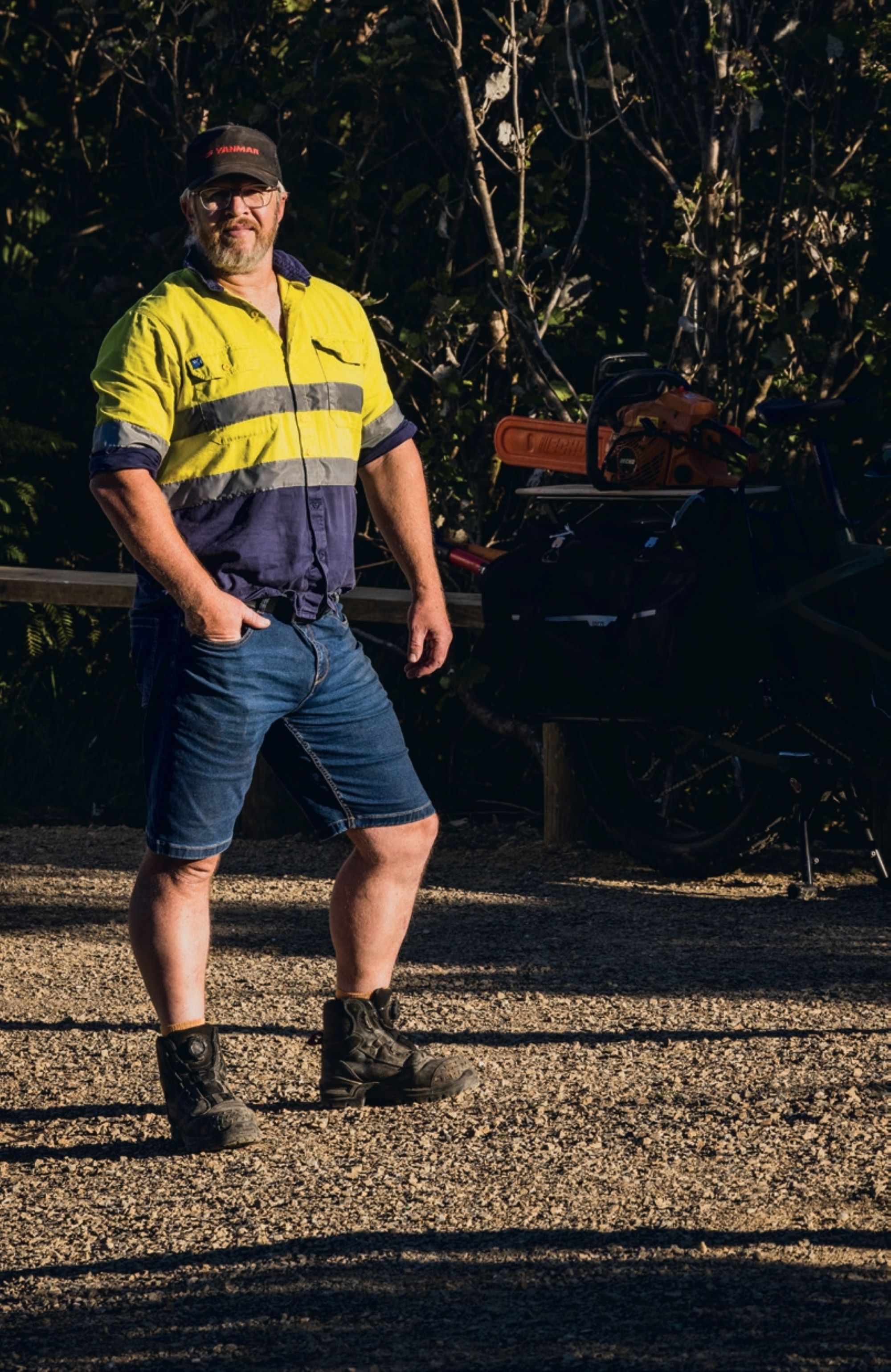
TRAIL DOCTORING
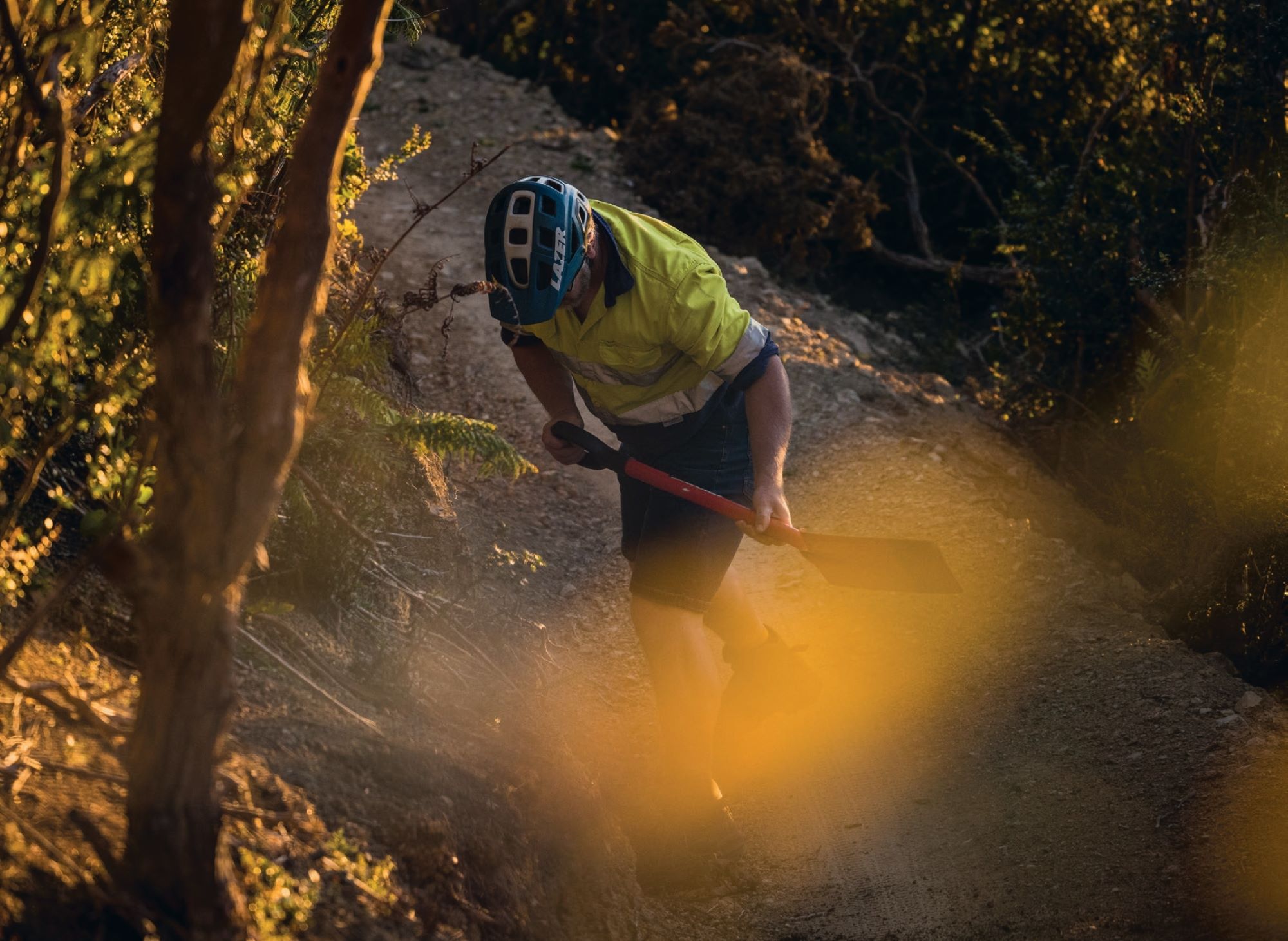
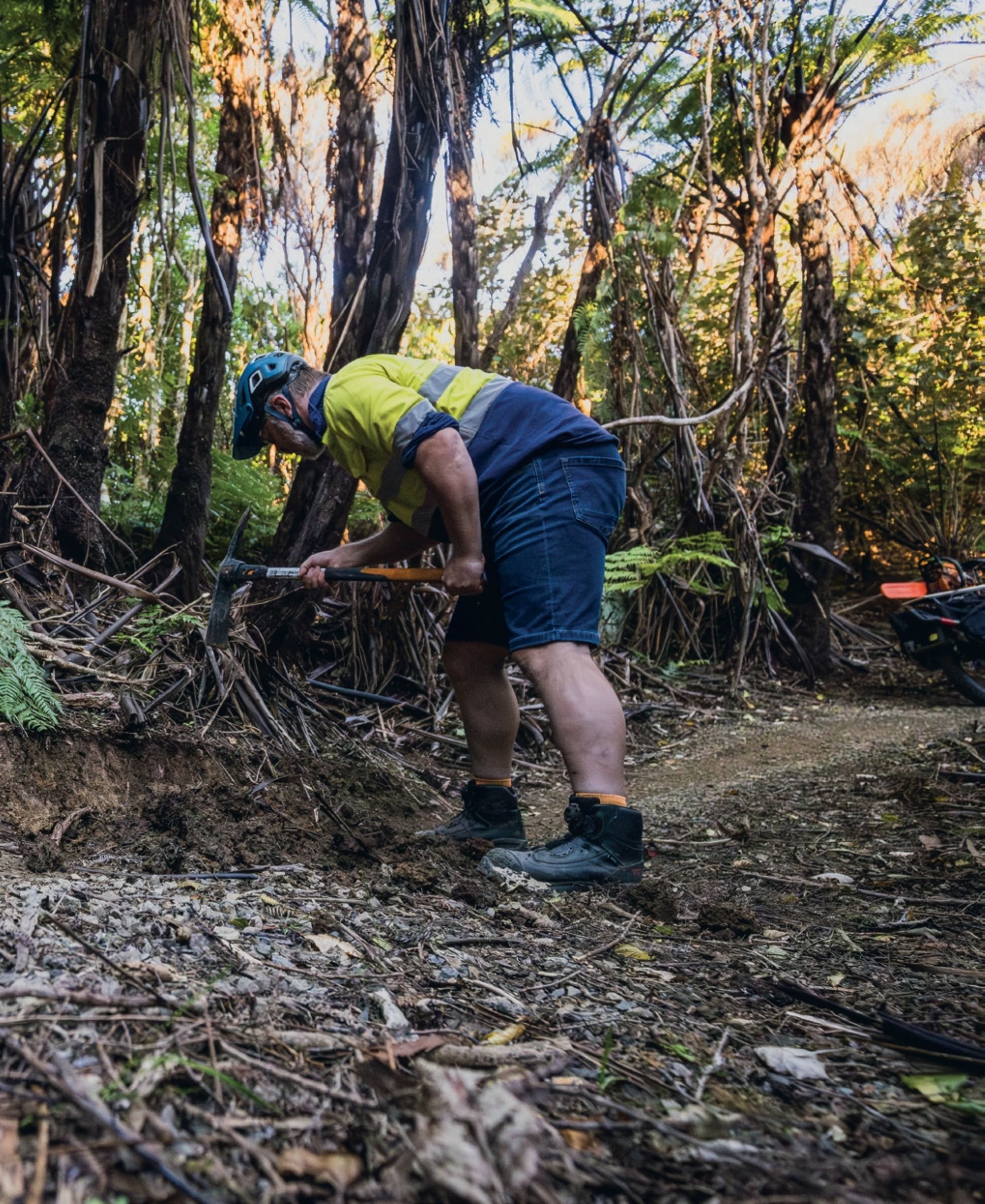
Toward the end of his time at Mud Cycles, Ricky helped out local trail building company Thomas Lindup’s TGL Contracting, to the point where he decided trail building was his future. He sold out of Muds’ in 2021, and continued on with TGL until 2023 when he formed his own company, drawing on his nickname to start “Slack Trails”.
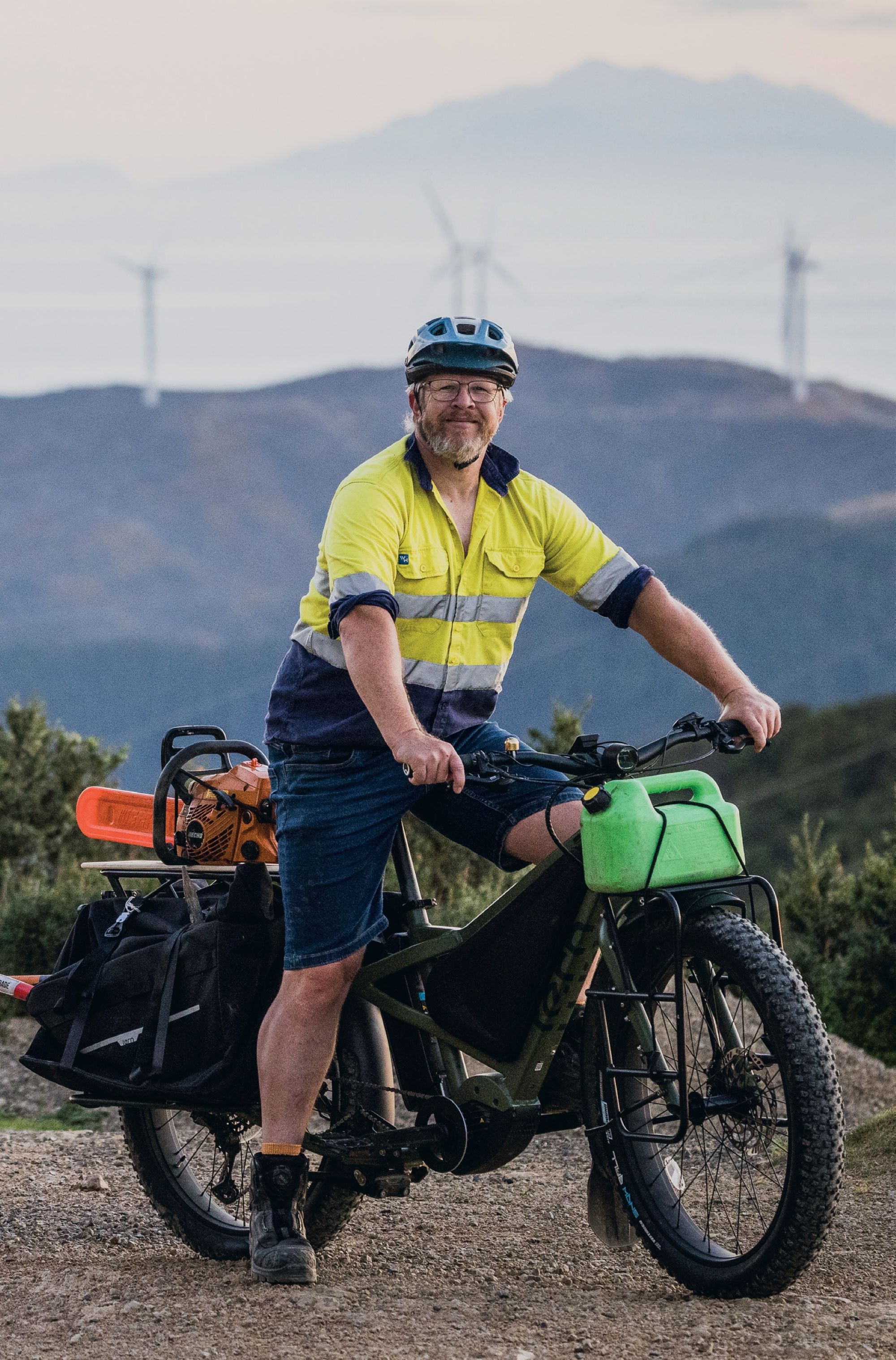
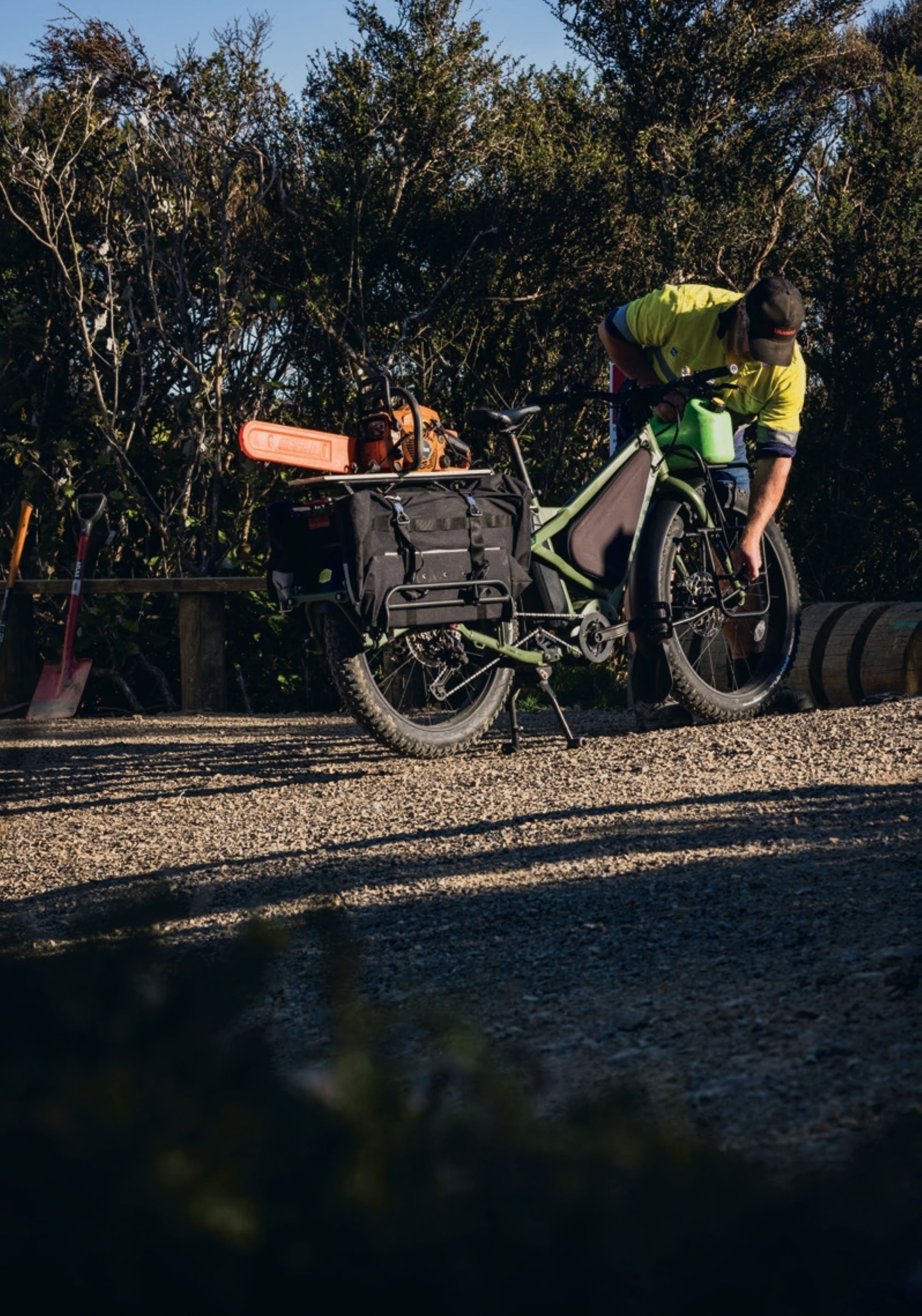
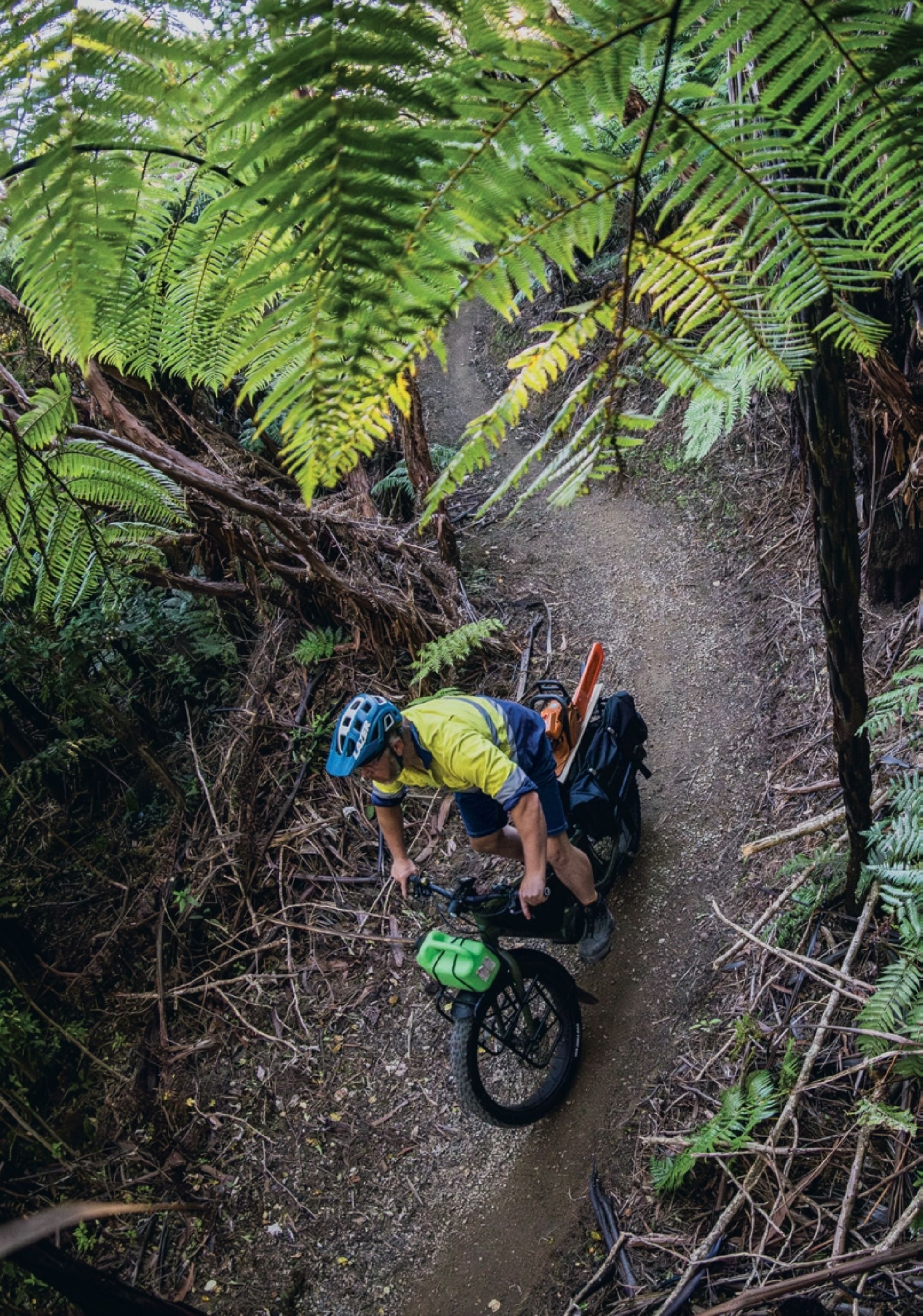
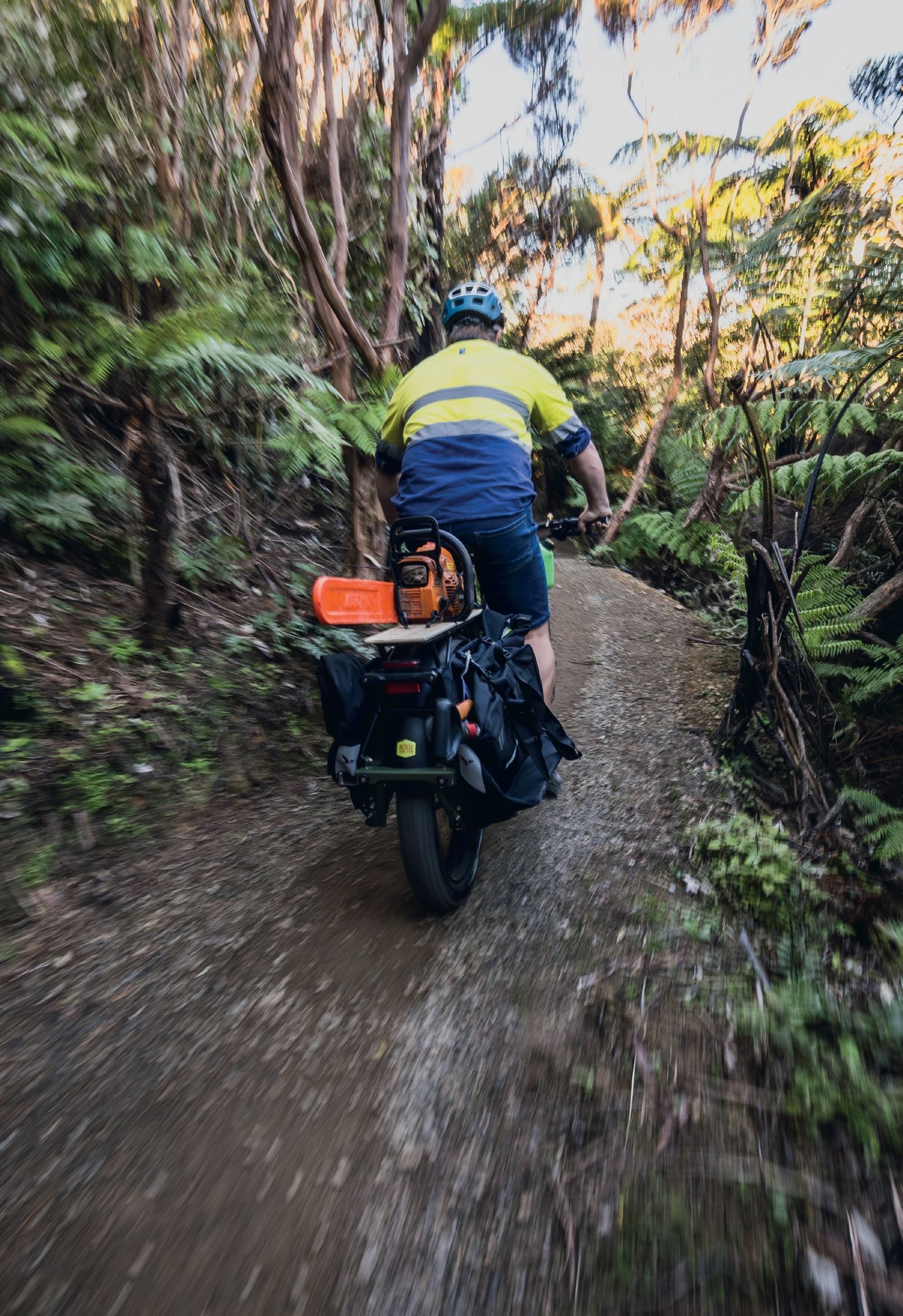
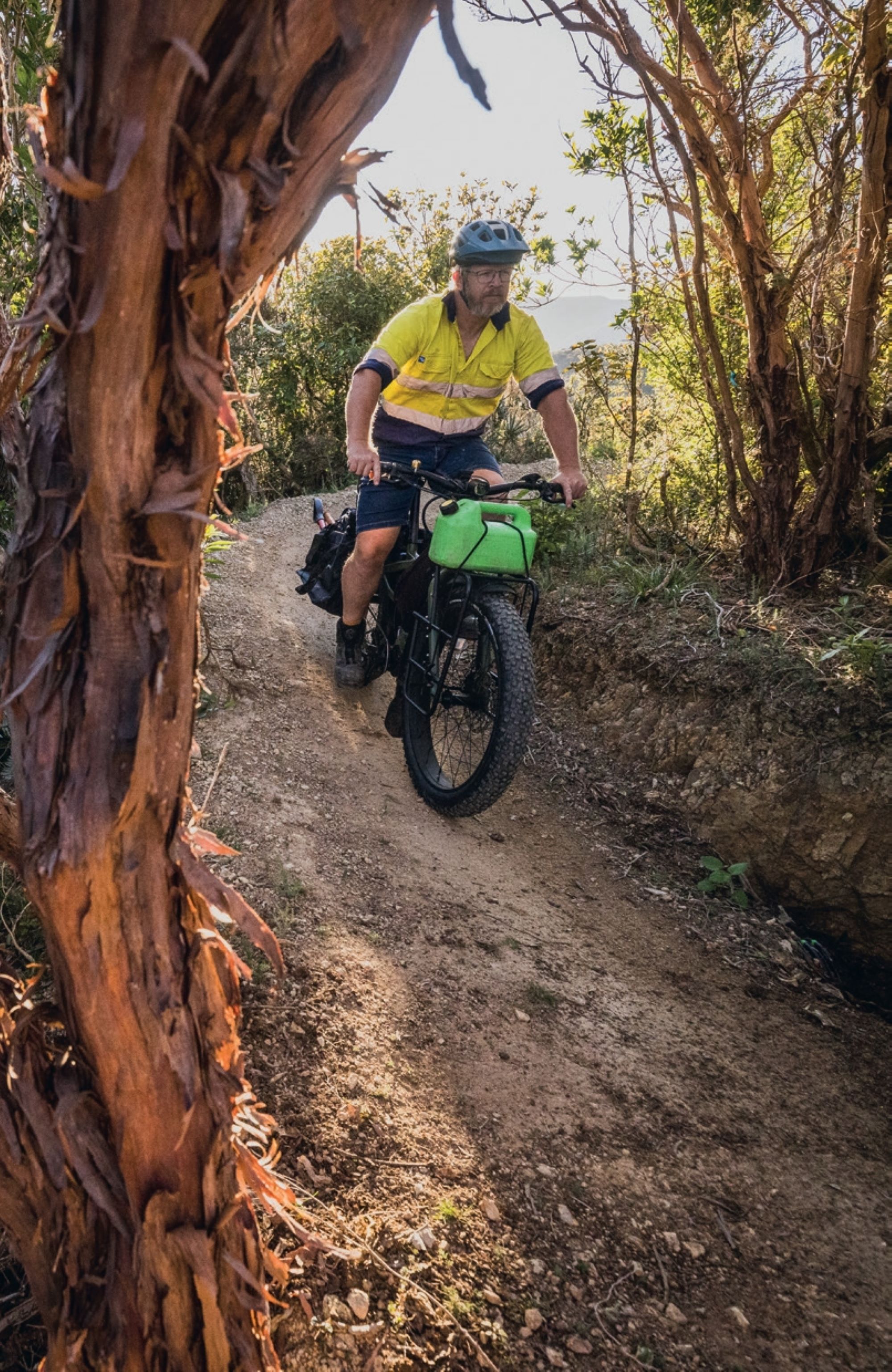
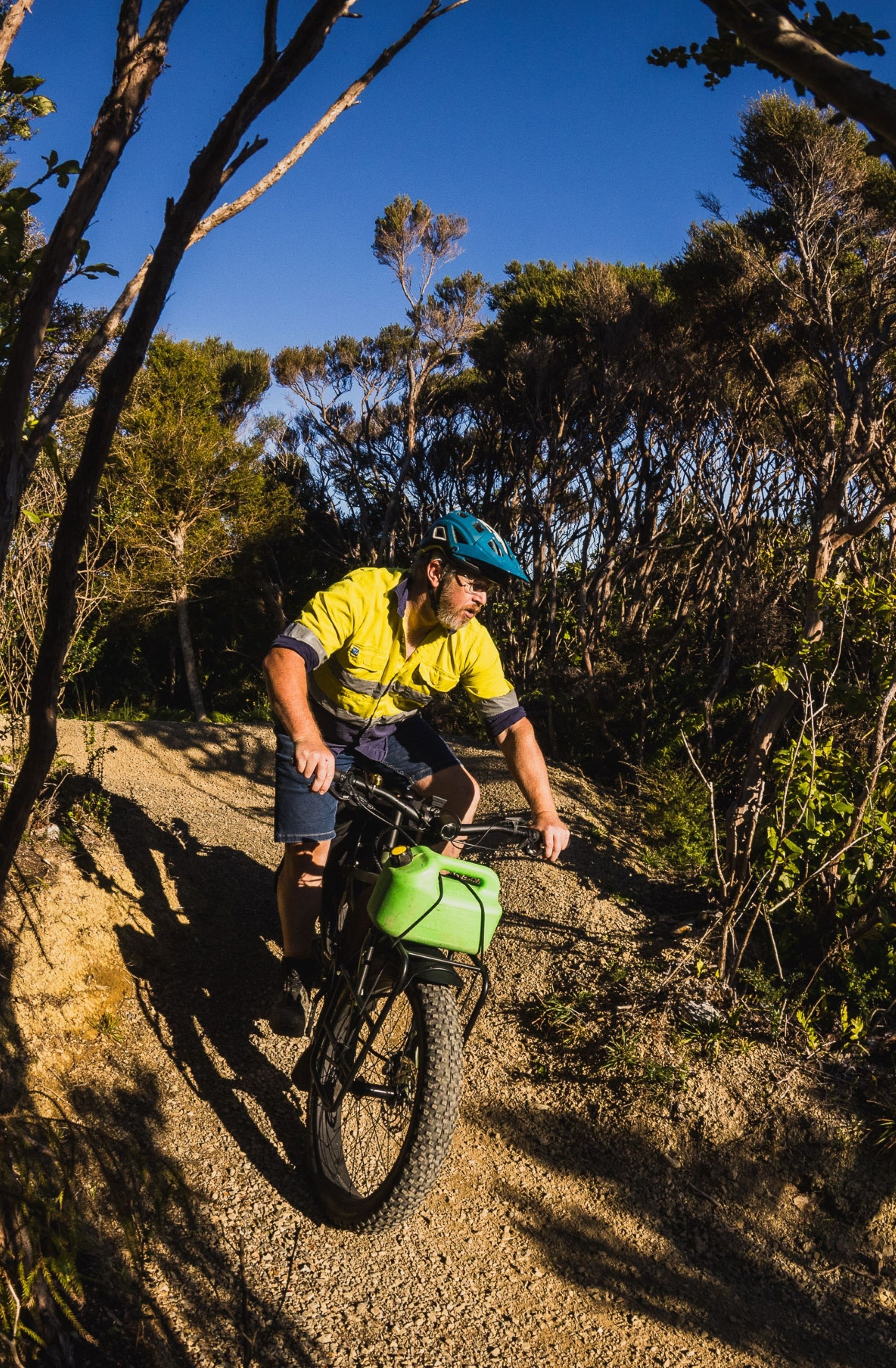
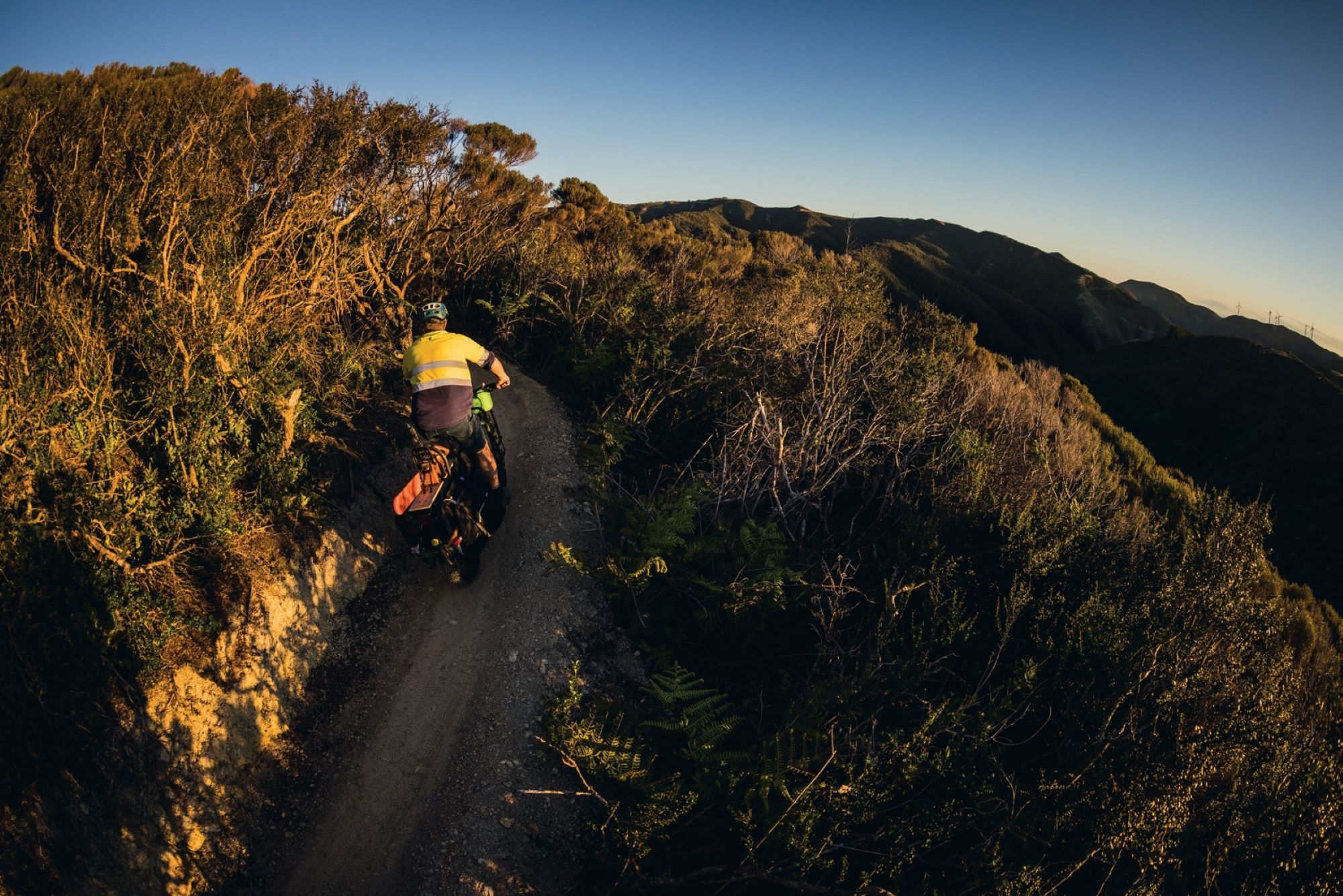
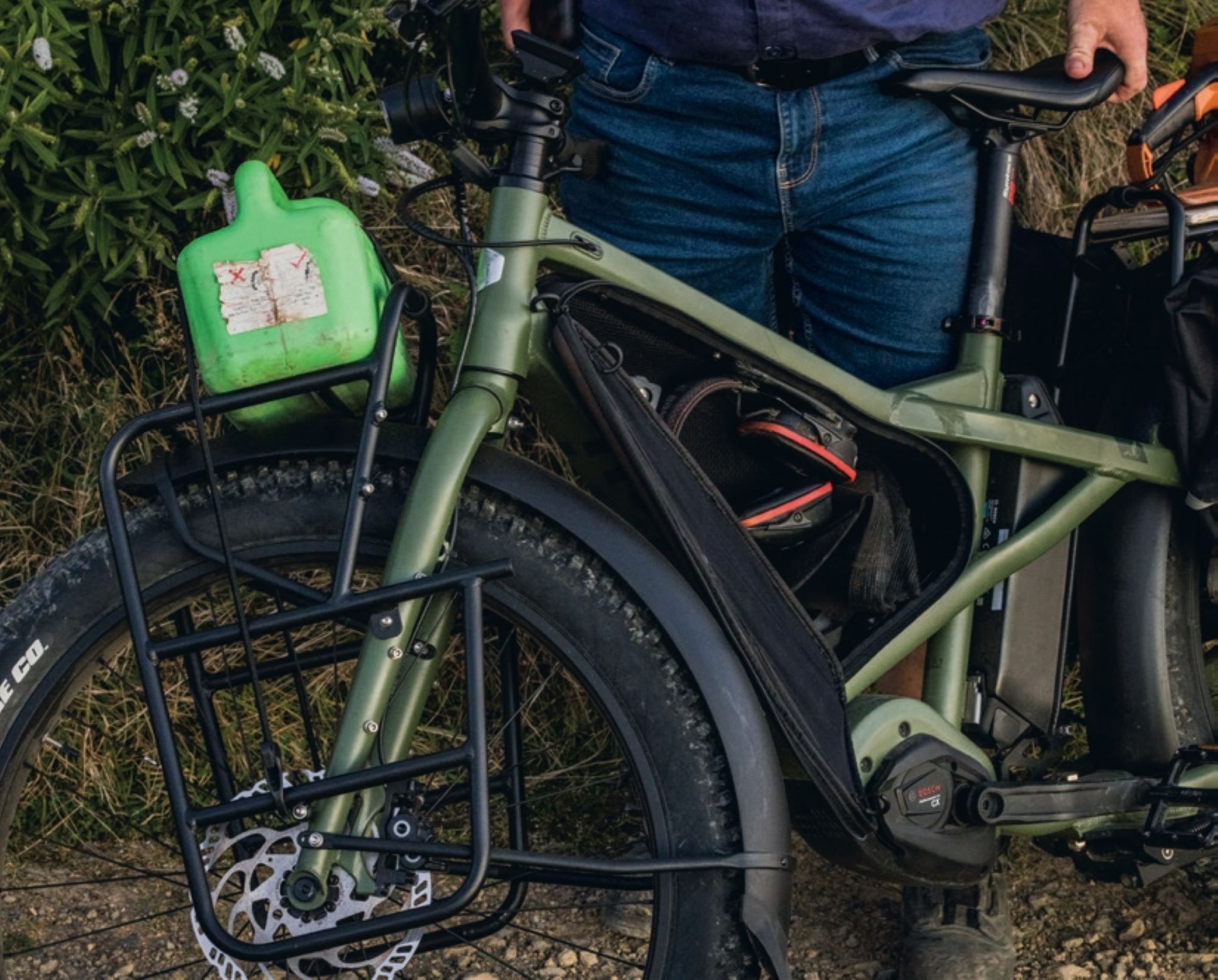
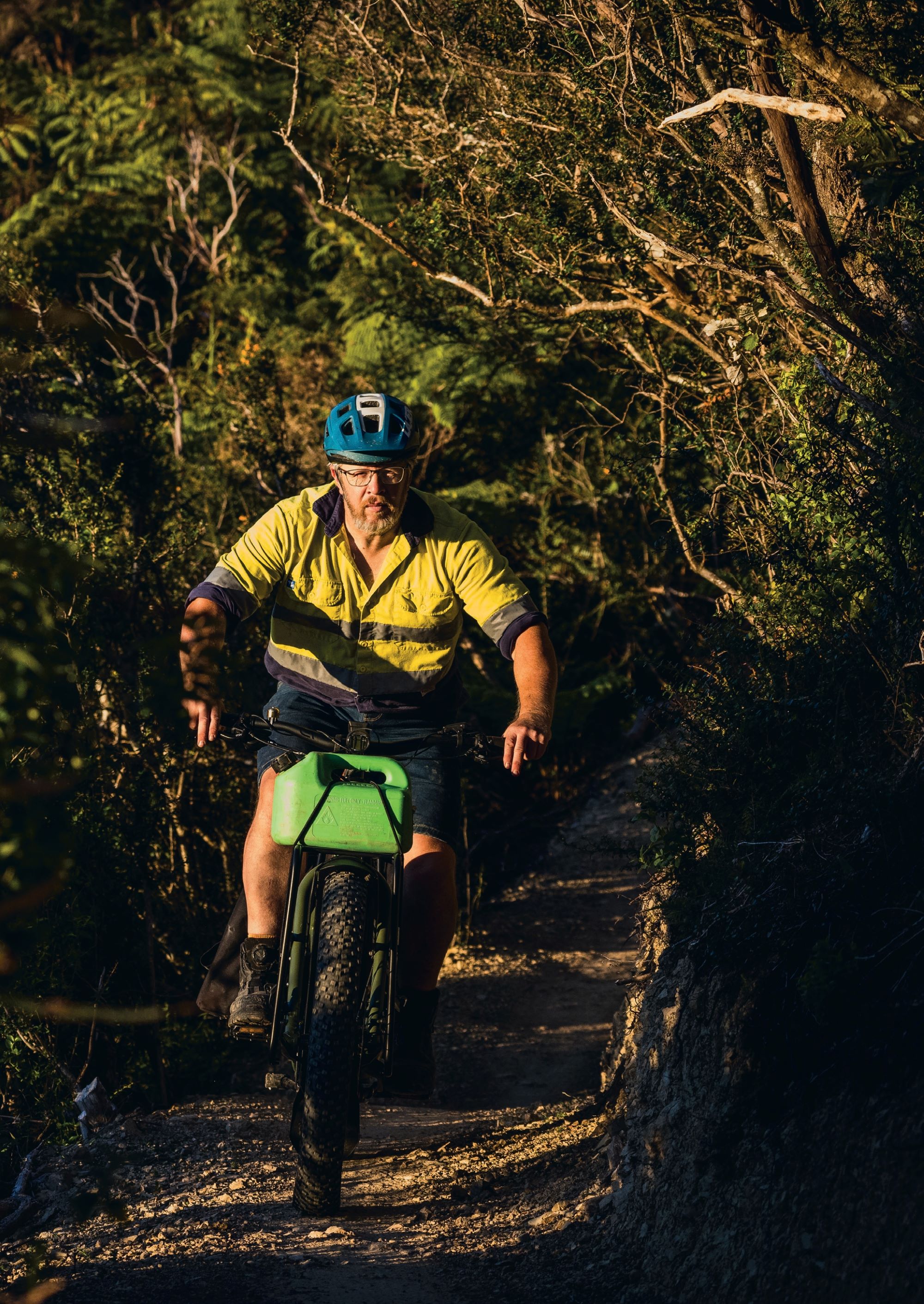
In the absence of owning a ute, one of the first tools of his new trade was a Boschpowered Orbea Wild eBike, with a trailer for hauling the necessary trail building equipment and fuel for machinery.
He rates eBikes as super handy for general access to remote worksites and times when you need to drop fuel or water stores down a long trail ahead of a big weed whacking or spraying session, eliminating the need to carry those liquids with you or returning to base to top up.
When NZ MTB Magazine caught up with Ricky, he’d taken possession of a rugged new Tern Orox, a heavy-duty, fat-tyred, all-terrain e-cargo bike, to try out for a few weeks. Sourced from Bicycle Junction in Wellington’s inner-city Marion Street, the Orox is capable of carrying heavy loads and two batteries for extra range. It’s driven by a Bosch Performance Line CX motor.
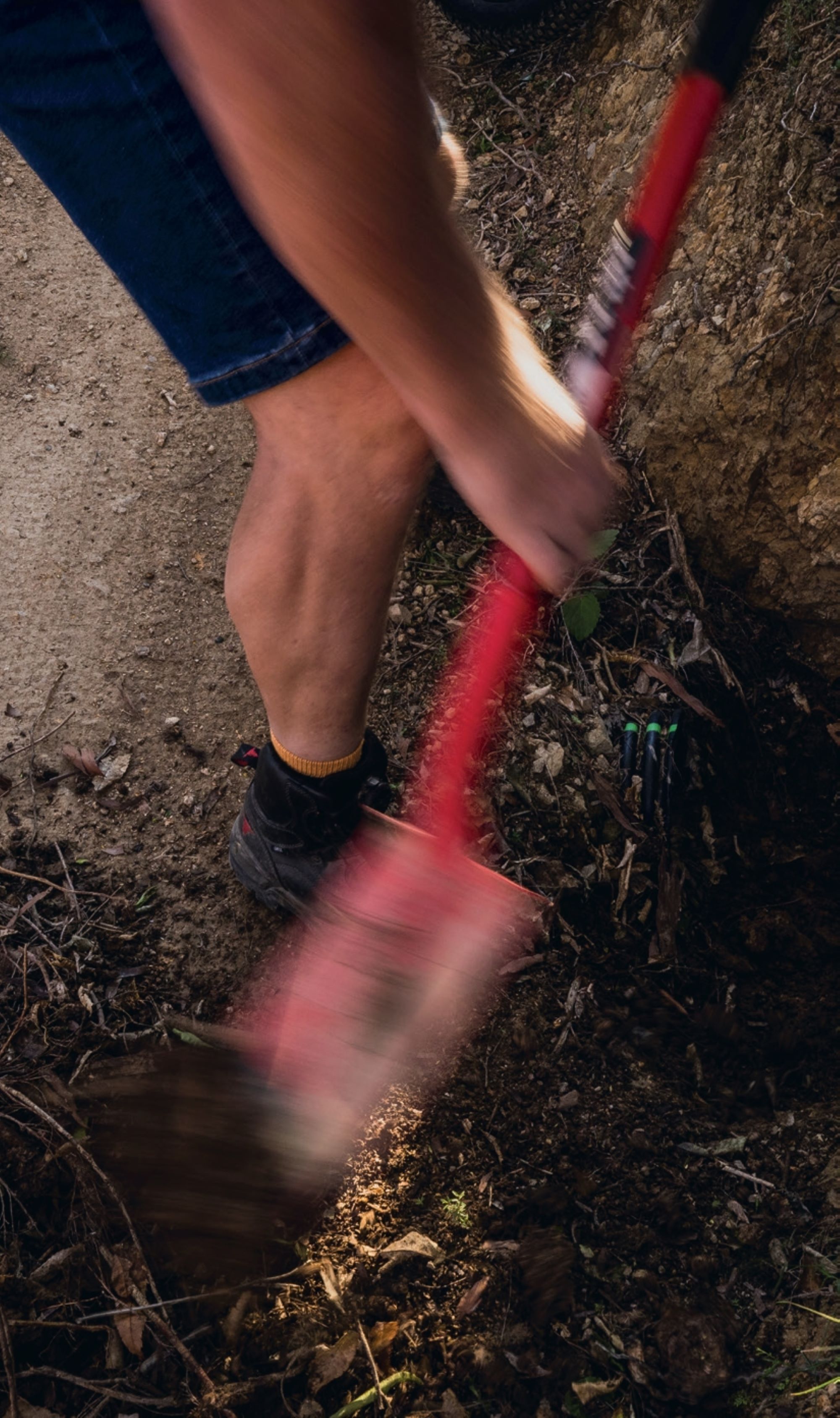
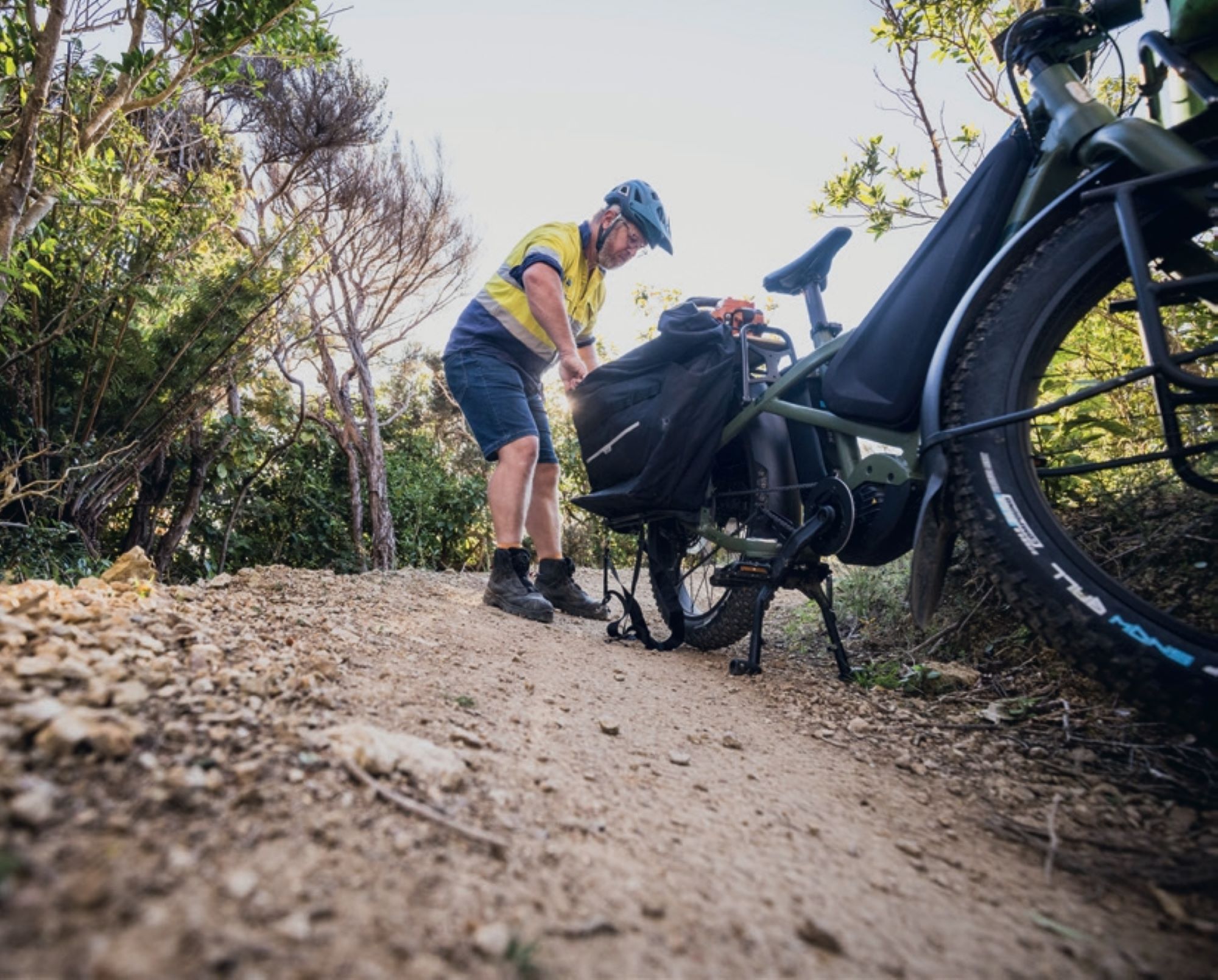
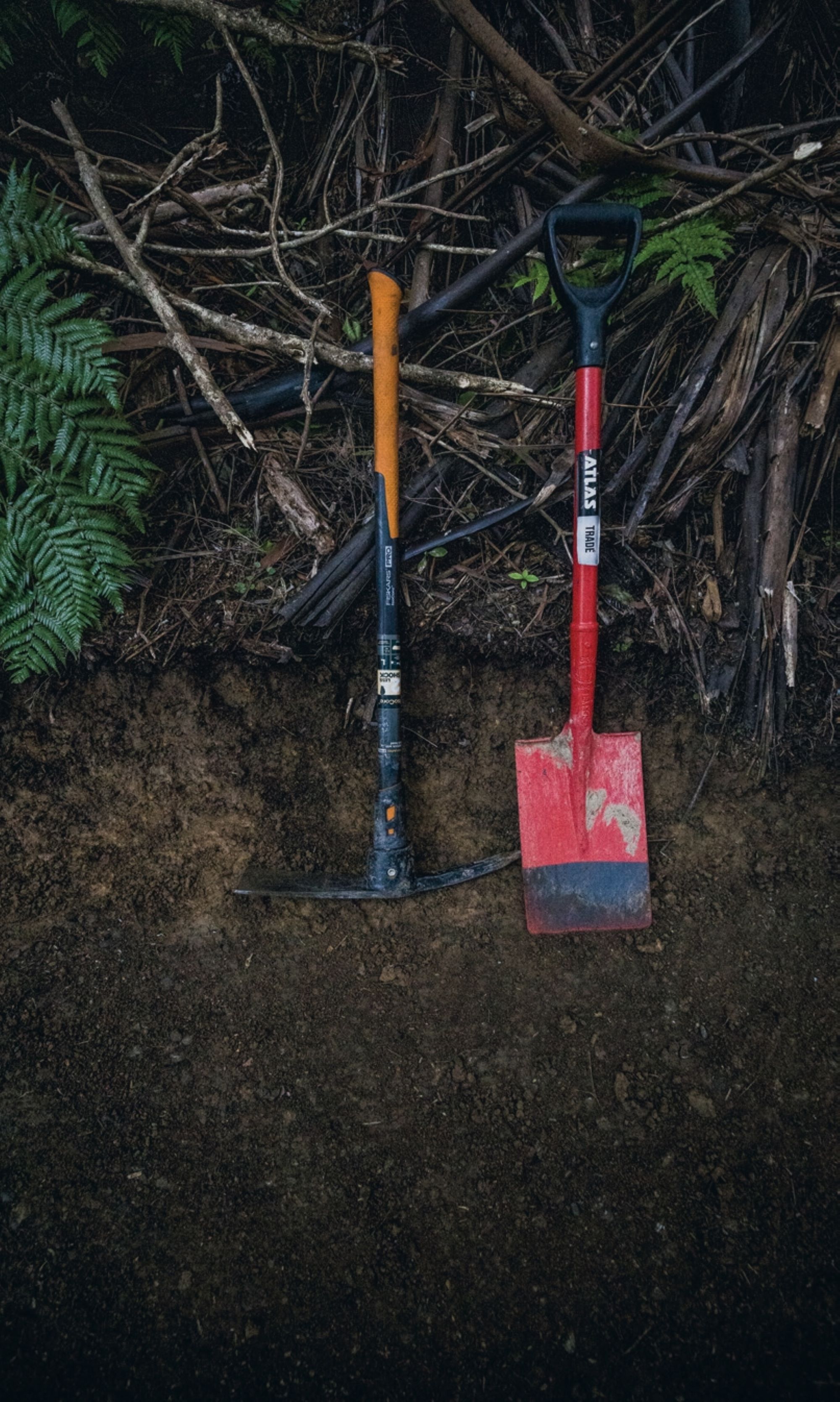
Today, largely for efficiency, Ricky’s tools include a 1.2 tonne digger, a self-loading track barrow, compactors and, of course, all the hand tools required for finishing and shaping jobs all over the Wellington region – all of which offer up vastly different terrain and soil types.
“I’ve made a study of trail building since I was 18 and have always been interested in it,” Ricky says. “I’ve learned a massive amount and I’ve made a crap tonne of mistakes, but the big thing is trying to learn from those and not make the same mistakes repeatedly.”
These days, knowing what water and braking does to a trail is always front of mind when he’s building.
“Braking can be almost as destructive as water. So I think about where braking spots are and how compression of bikes under braking and cornering forces work, because that moves the dirt around… trying to minimise low points in the compressive part of a turn.”
Using bigger gauge drainage pipes more often in an attempt to control water and the old trick of grade reversals before corners, for example, can help mitigate some of the trail damage caused by water and dragging brakes.
He reckons trail building is sometimes like archeology, where if you dig deep enough on a repair or maintenance job, you might unearth the original trail, perfectly preserved under layers of silt and foul-smelling compost from years of decayed leaf litter.
Ricky says he’s “super proud” of the part he’s played and continues to play in the Wellington cycling scene and further afield, and he’s more than happy to share what he’s learned with other trail builders and volunteer groups.
His current workload includes a weekly maintenance day in the now 27-yearold Mākara Peak MTB Park, with the park’s fulltime Ranger, Mark Kent.
“It’s awesome seeing the change that’s happened over the years. The sense of community in mountain biking and trail building in Wellington and New Zealand is just amazing.”
His ideal build is one where the trail caters to the widest range of users and their different riding speeds and abilities, providing something entertaining for the majority.
“Seeing people really enjoying the trails, that’s what keeps me going to be honest.”
He also admits his happy place is “playing on toys”, whether it be his fleet of mountain bikes, a motorbike, a 4WD vehicle or the work tools. “It’s every little boys’ dream to have a digger isn’t it?”
You can’t argue that when a childhood dream becomes reality, that’s a good place to be.
SLACK BOY – FUN FACTS
Favourite trail he’s built
‘Alaskan Pipeline’, Wairoa Gorge.
Favourite trail he’s not built
‘Creamed Rice’, Wairoa Gorge.
Favourite trail riding area
Wairoa Gorge.
Biggest bugbear (among many)
Having to repair or maintain trails where organic material was left in the trail when it was first built.
Matt Walker: Chapters of Life
Words Lester Perry
Images Sven Martin
For most people, life is split into distinct chapters. The pages turn as we transition from one chapter or season to another.
As we grow and develop, some of these pages turn for us with the structure of life: we’re born, school begins, school ends, real life begins, and eventually death comes. We have little control over each end of our lives; those chapters are chosen for us. The middle part – the meat-and-potatoes of the story – is ours to write: a new town, a new job, relationships. Generally, we have some control over what happens in this part of our lives.
Elite mountain bikers have chapters, too. Some they choose, some are chosen for them. The start of a career is chosen, perhaps gradual at first, but eventually a page is turned, and they become serious about the sport as a career. Full-time training, full-time recovery, sponsors and, if they’re lucky, a long and enjoyable career. Some choose to go out on top; others have the choice made for them by injury, a lack of sponsors, or factors they simply can’t control.
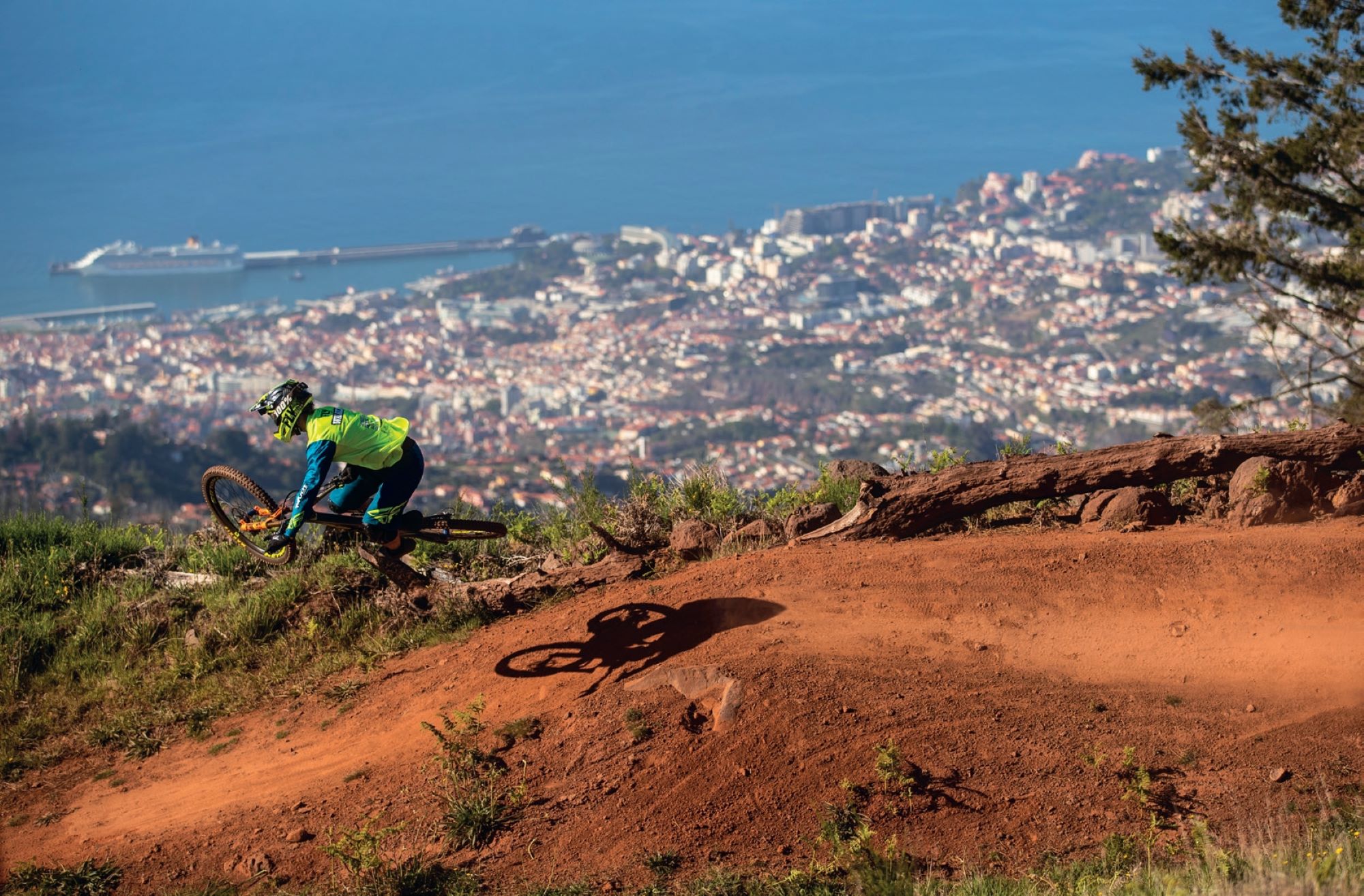
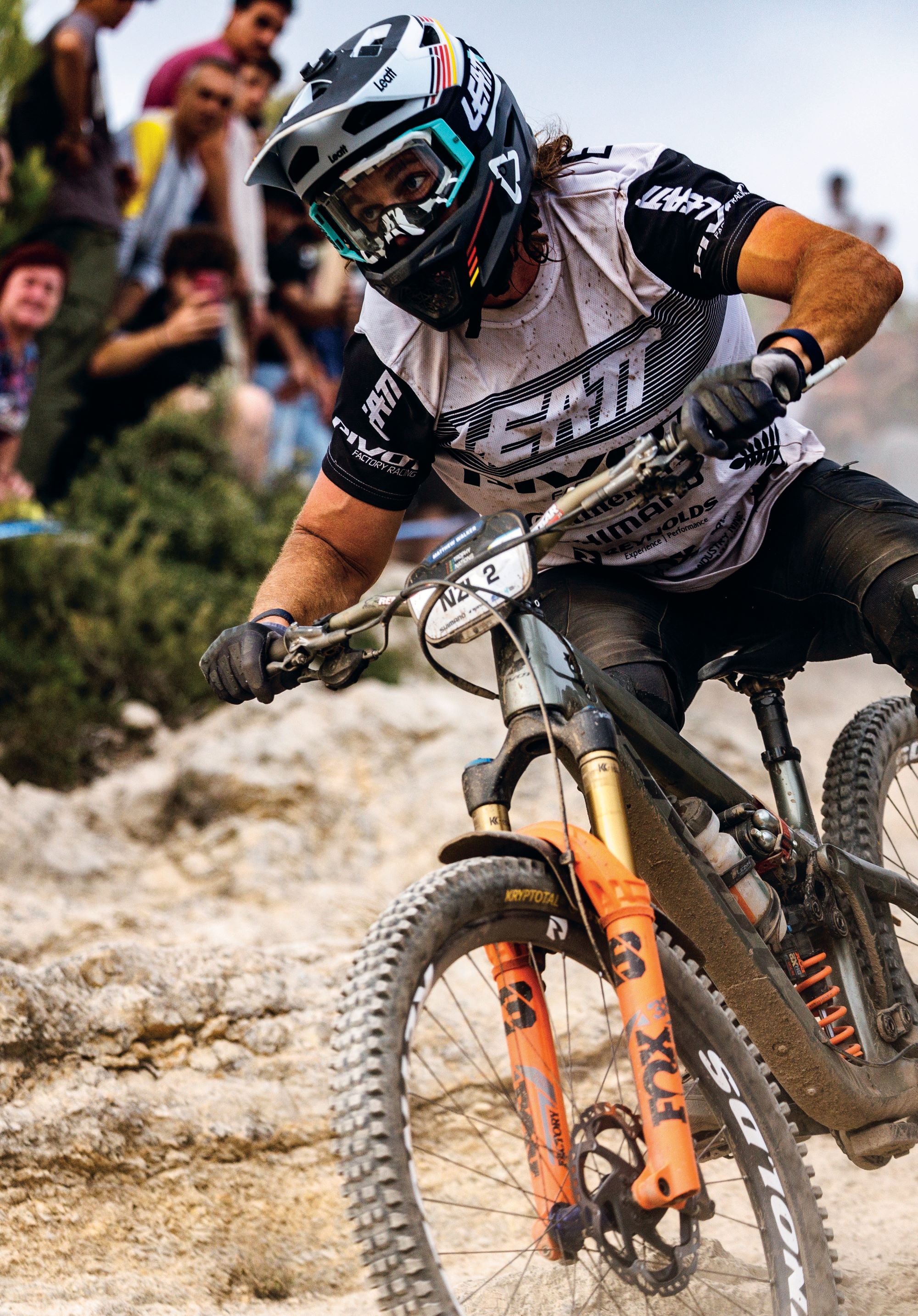
Matt Walker, AKA ‘Waxer’, a 35-year-old downhill and enduro mountain bike racer, now based in Queenstown, knows all too well about chapters; his life and career have many. Although he’s only partway through writing his story, the tale so far is an interesting one, full of twists, turns, victories, and failures.
In August 2025, Matt announced his retirement from the top level of the sport and in doing so completed the chapter of his elite-level competitive career.
Chapter 1 – The Beginnings
Originally hailing from Kawerau, a small logging town in the Bay of Plenty, Matt began life on two wheels, fanging around on a BMX. His sister, Sarah, saw Matt having a good time on the bike and wanted a piece of the action too. She dove headfirst into the BMX world, eventually working her way to the top of the sport and the Olympic podium. While Sarah stuck primarily with the little wheels throughout her career, Matt graduated to big wheels and chased the MTB dream.
Gravity was his focus, and by 2007, his BMXesque style stood out amongst his competitors. Matt’s fluid style and effortless flair were always a target for photographers at races. A mid-pack finish in the U19 National Downhill Championship in January on the infamous Fringed Hill, Nelson, had given a taste of success and he wanted more. In the following twelve months, Matt had jumped the ditch a couple of times, claimed a podium at an Aussie National Series round, and hit the ground running in 2008 with a third-place finish in the U19 Downhill National Champs at Long Gully, Wellington.
“My best memories are probably from some of the early NZDH and national series days, road tripping around NZ with mates, getting up to mischief and riding lots of bikes. There were so many good tracks, and the scene was just full of good people. A lot of them I’m still really good mates with now! We are lucky here in NZ with the culture of riding and type of people it attracts. After travelling the world to ride, I see just how lucky we are here in NZ to have so many worldclass places to ride right on our doorsteps.”
Chapter 2 – The OE
In 2008, a new chapter began as Matt headed to Europe to chase the World Cup Downhill Series. It was the classic Kiwi OE, with a competitive twist – chasing downhill and fourcross races. Like most Kiwis who followed that path, the first season racing on the world stage was a tough one. The learning curve was steep, and the results were unheard of.
“I learnt Europe was a big change, mentally more than physically. I found it hard to ride how I knew I could. It’s far too easy to put extra pressure on yourself, and it means you ride tight or overthink some of the basics. Figuring out how to deal with the mindset and the pressure of being on the world stage took me longer than I wanted, but I got there in the end!”
In the years following that first European stint, Matt became a mainstay at races throughout NZ but also jumped the ditch regularly to mix it up in Australia. Good results were sporadic for a couple of years following the first World Cup campaign. By 2011, though, he was on the podium more consistently, and whenever the National Series visited his then-adopted hometown of Rotorua, he was a sure shot for a win, or at least a podium.
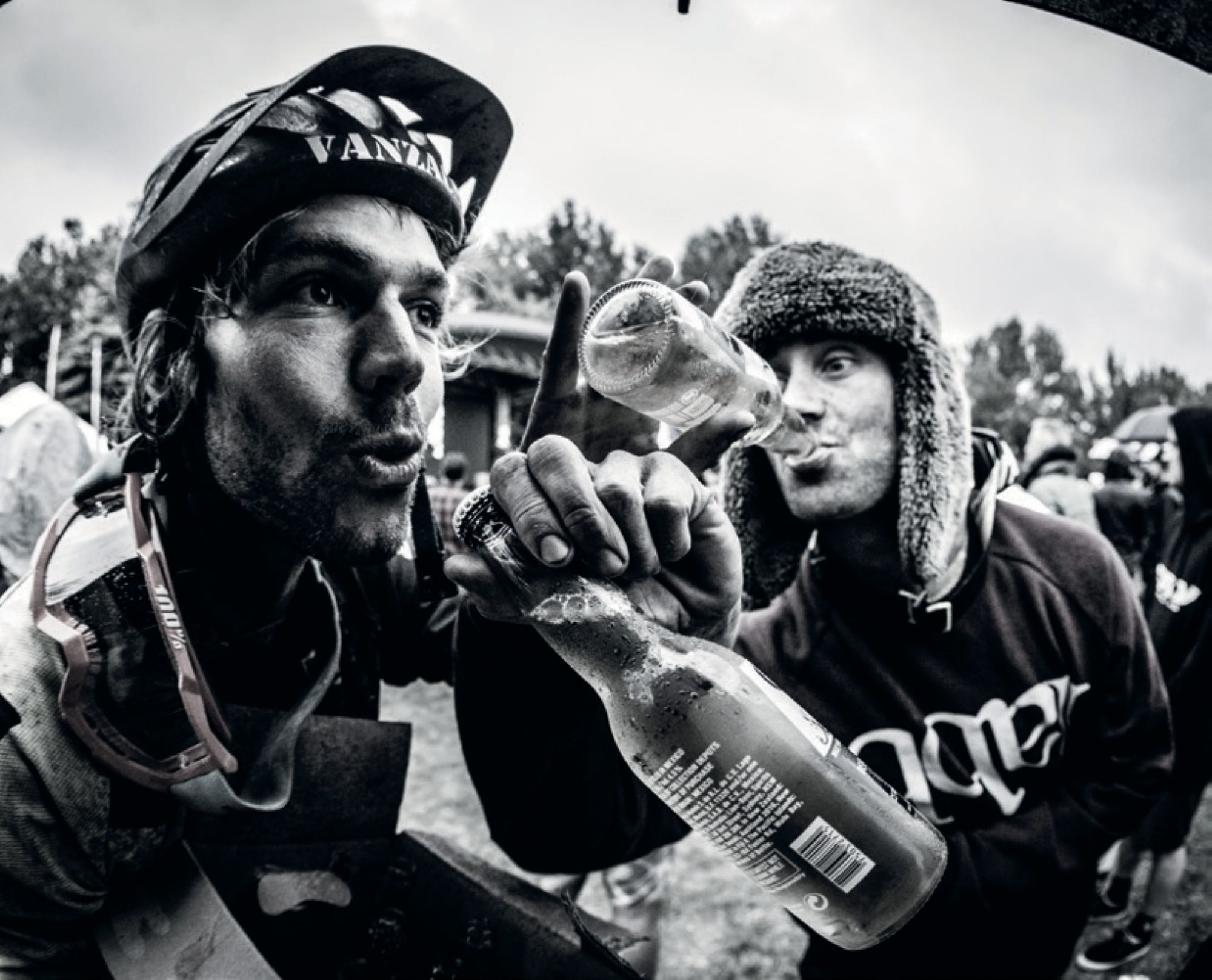
By 2013, Matt was ready to take on the World again. Together with a handful of mates, now known as ‘the Vanzacs’ (because of their trans-Tasman makeup), loaded a van and hit the road, crossing the continent chasing races and the best riding they could find. Christened ‘The Marae’, the van had its name written across the front in black masking tape. ‘The Marae’ became a meeting point for privateers squatting in the pits of World Cup venues. Times were good, riding was loose and fun times were many, as were the tricks they learned to maximise their dollars while living on the road.
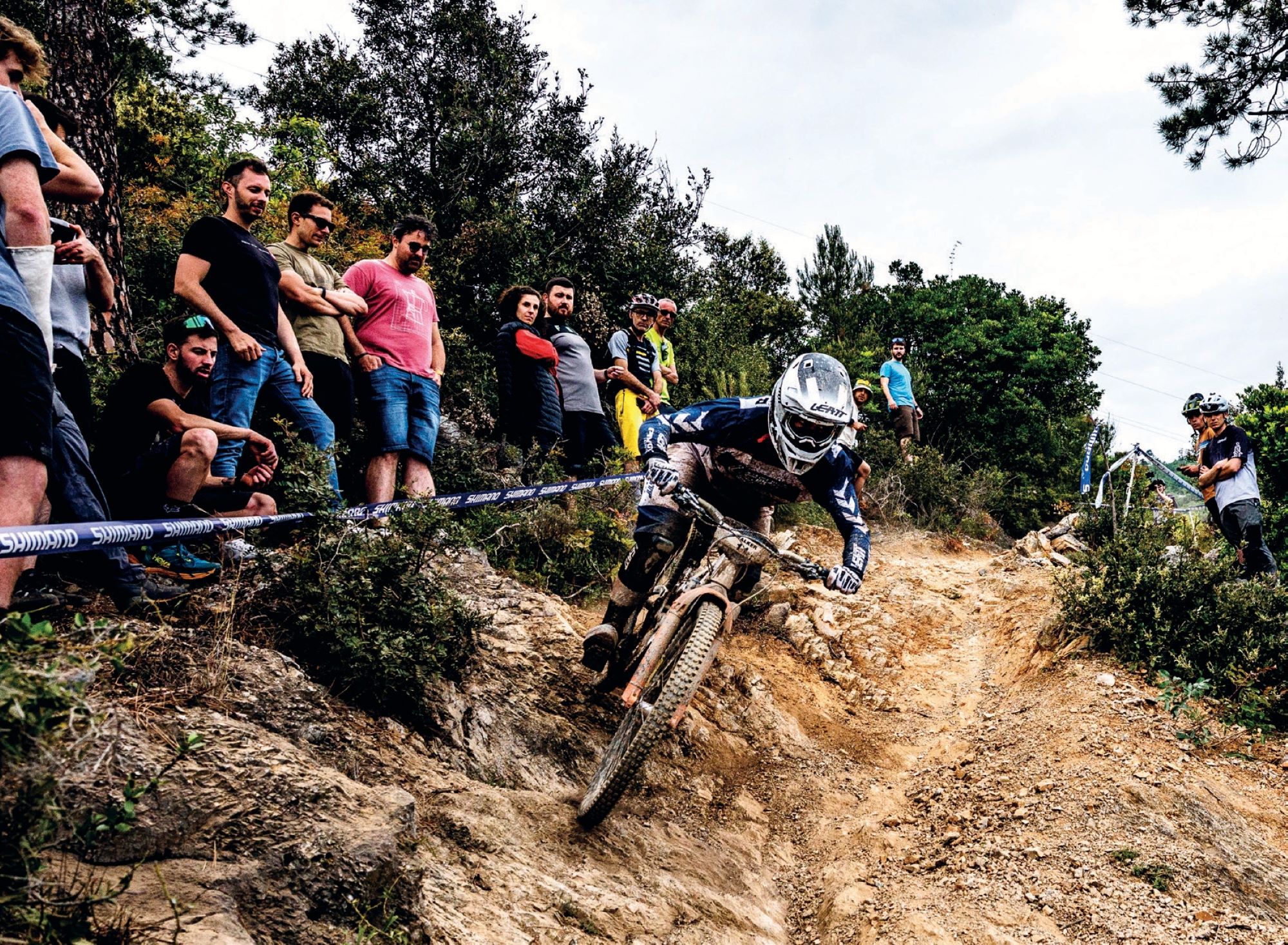
Chapter 3 – The step up
In 2016, at age 25, Matt signed with the Cube Global Squad team, alongside Greg Williamson from Scotland. The duo targeted World Cup downhill races, Crankworx series events, European Cups, and some Enduro World Series (EWS) races.
Crankworx Rotorua 2016, the first round of the global series, was a big moment for Matt. Solid results over the week, including a win in the Crankworx Toa Enduro, had him finish the festival leading the King of Crankworx competition.
A month later, Matt was again on the podium, this time in 2nd place at the EWS Rotorua, finishing between Kiwi brothers, Wyn (who won by three seconds) and Eddie Masters in 3rd, roughly three seconds behind. A historical Kiwi 1-2-3 at a worldclass event, the trio beating the world’s best.
Unfortunately, before Crankworx round two, where he would defend the ‘King’ lead, injury struck and he was out for some time. A broken finger required surgery, then he was back on the bike and crashed again, breaking a collarbone. He came back from that, then soon after, it was a broken shoulder blade sidelining him. Matt’s resilience, mental strength and neversay-die attitude kept him fighting through all the injuries of his lengthy racing career.
“Some of the biggest challenges were returning to racing from the smaller, ‘stupid’ crashes that you get injured from. At least when it was a proper hugey, you almost feel like you deserved the injuries, but when it was a small awkward crash that sidelines you for a while, it definitely reminds you how easy things go wrong and I found that it made me too cautious when coming back into racing, which can be so frustrating.”
“It’s funny ‘cause I would tend to come back really strong and focused after a big injury. First race back from a full season off after a knee reconstruction, I got a 4th at an EWS. Then the season after a shoulder surgery and breaking my neck, I won a round. The worst for me were probably the ongoing niggling injuries that just impacted my racing, but I didn’t want to sound like it was an excuse, so I just sucked it up. One season it got to the point where I had a shoulder that would just dislocate while riding and racing. It would be super frustrating to have these things impact my ability to take chances or ride how I’d want to, but I learned to deal with it and was lucky to have a good support network when I got home to get surgeries booked in and done. But, it meant I didn’t get to race much in NZ which was something I always wanted to do more of!”
Finally, not long before Crankworx Rotorua 2017, Matt was finally back on the bike training again. A win in the Air DH and consistency across the other events saw him again leave the event with the King of Crankworx crown atop his head. Matt’s dominant performances across all formats confirm that he’s one of the best on a bike, regardless of what event he’s lined up for.
“One of my proudest moments was in 2018 when I gambled on myself, and it paid off. I’d done a few urban races and gone pretty well, and I knew prize money was great at them. I didn’t have enough money at the time for flights and couldn’t get any brands on board to help me get there. So, I sold my van for plane tickets to Chile for the Valparaiso street race. I went there broke, knowing I needed a 4th or better to cover my flights and buy a car again. Had an insane trip, made a few mistakes in the finals, but still got 2nd, so covered my flights and a van upgrade when I got home!”
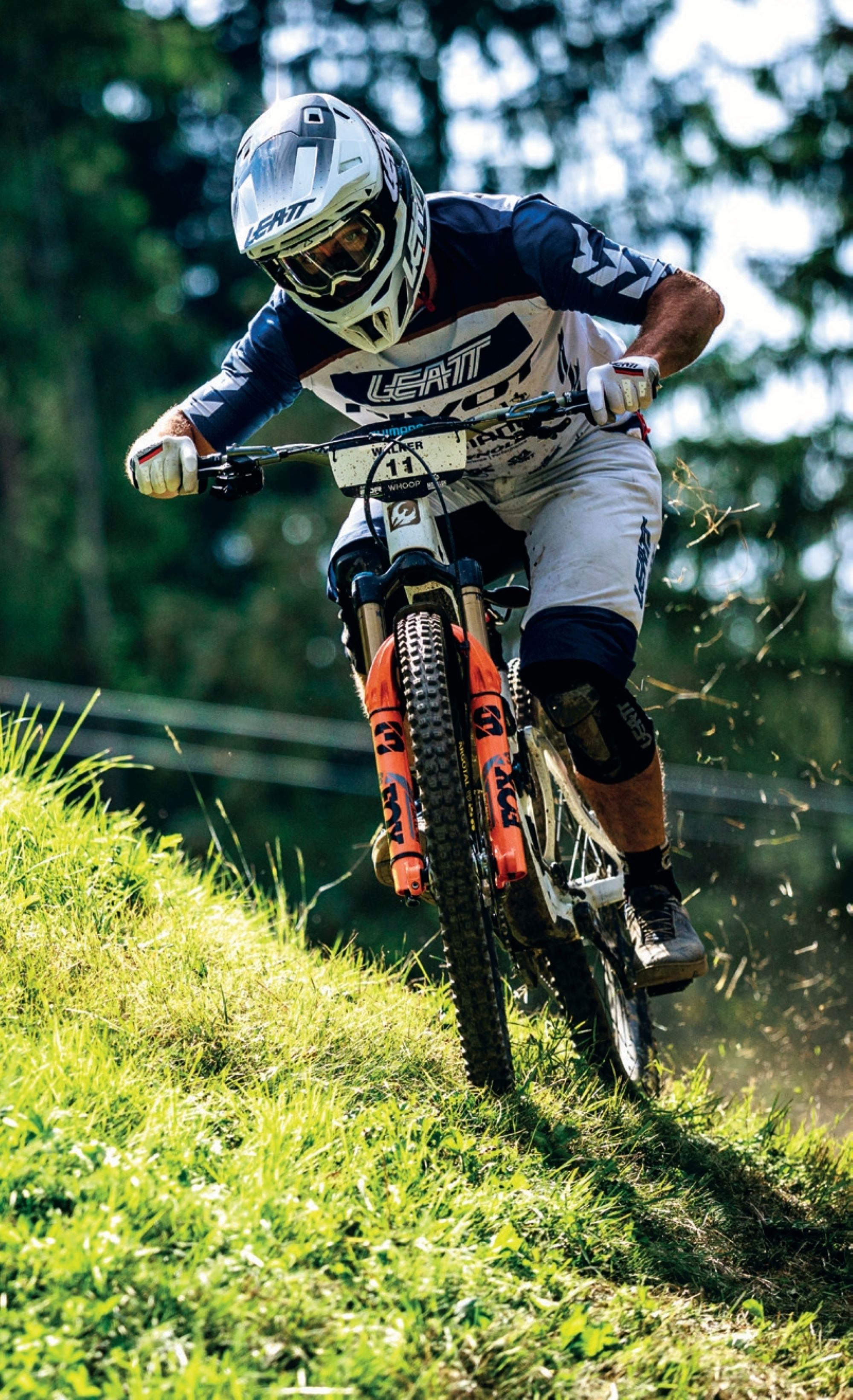
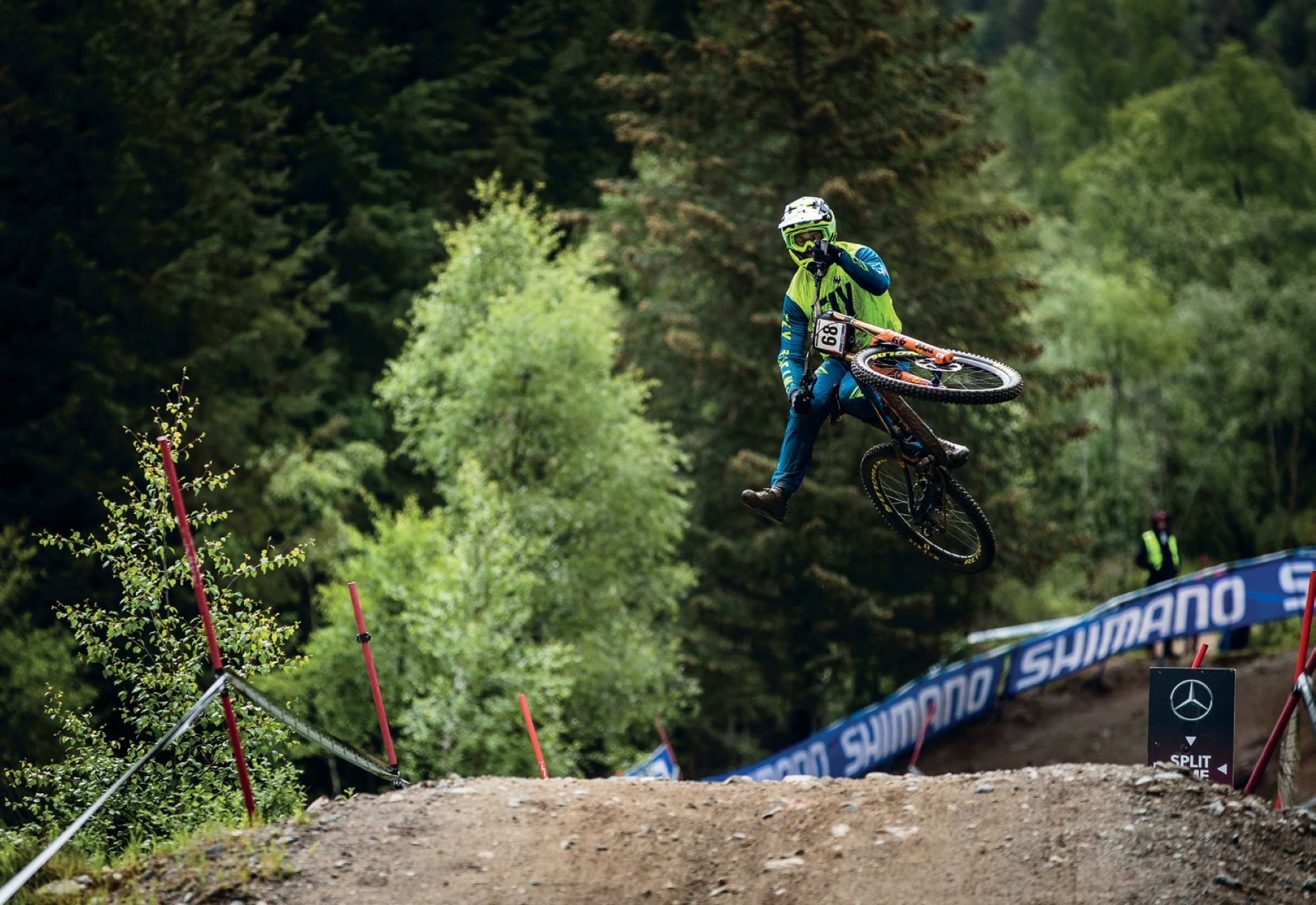
Chapter 4 – A career cemented
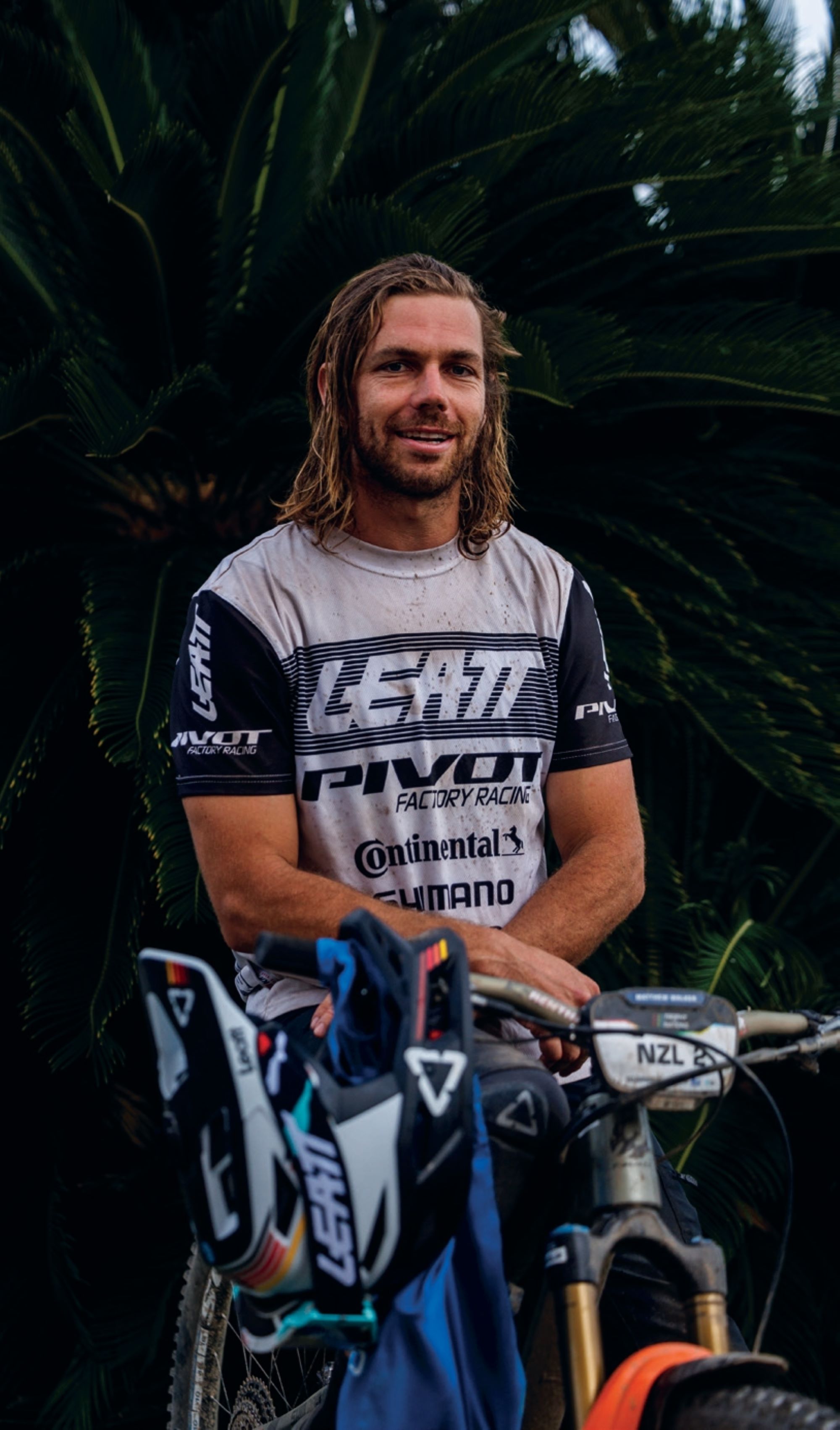
At the start of 2019, Matt added to his story, signing with Pivot Factory Racing and joining Kiwi Eddie Masters to race a mix of EWS and Downhill races across the globe. Factory support, a proper pit setup and a bunch of mates to travel with: the dream!
By 2019, Matt’s best results were coming from EWS races. This racing style played to his many strengths, requiring an obscene level of skills and bike handling, but also a huge level of athleticism, all managed by a cool head; all things Matt has in spades. Although he was excelling at Enduro, he was still racing World Cup downhill and even though his results weren’t as strong, he was generally still qualifying for the finals – a feat in itself.
Red Bull Hardline, in Wales, offers up one of the gnarliest courses on the planet. In 2019, Matt was selected to ride, finishing 10th while his team manager, Bernard Kerr, took the win. A huge day for Pivot Factory Racing!
“Looking back at the highlights (of his career), for sure ticking off Hardline and some of the EWS adventures that we had were massive. Huge days on the bike where you weren’t even sure you were going to be able to finish the race, going to crazy locations and riding, then racing some of the best tracks I’ve ever ridden. But I’d say the highlight has always been the mates I got to share it all with. There was always a good, strong Kiwi crew, which meant even if the race didn’t go so well, there was always a good time to be had!”
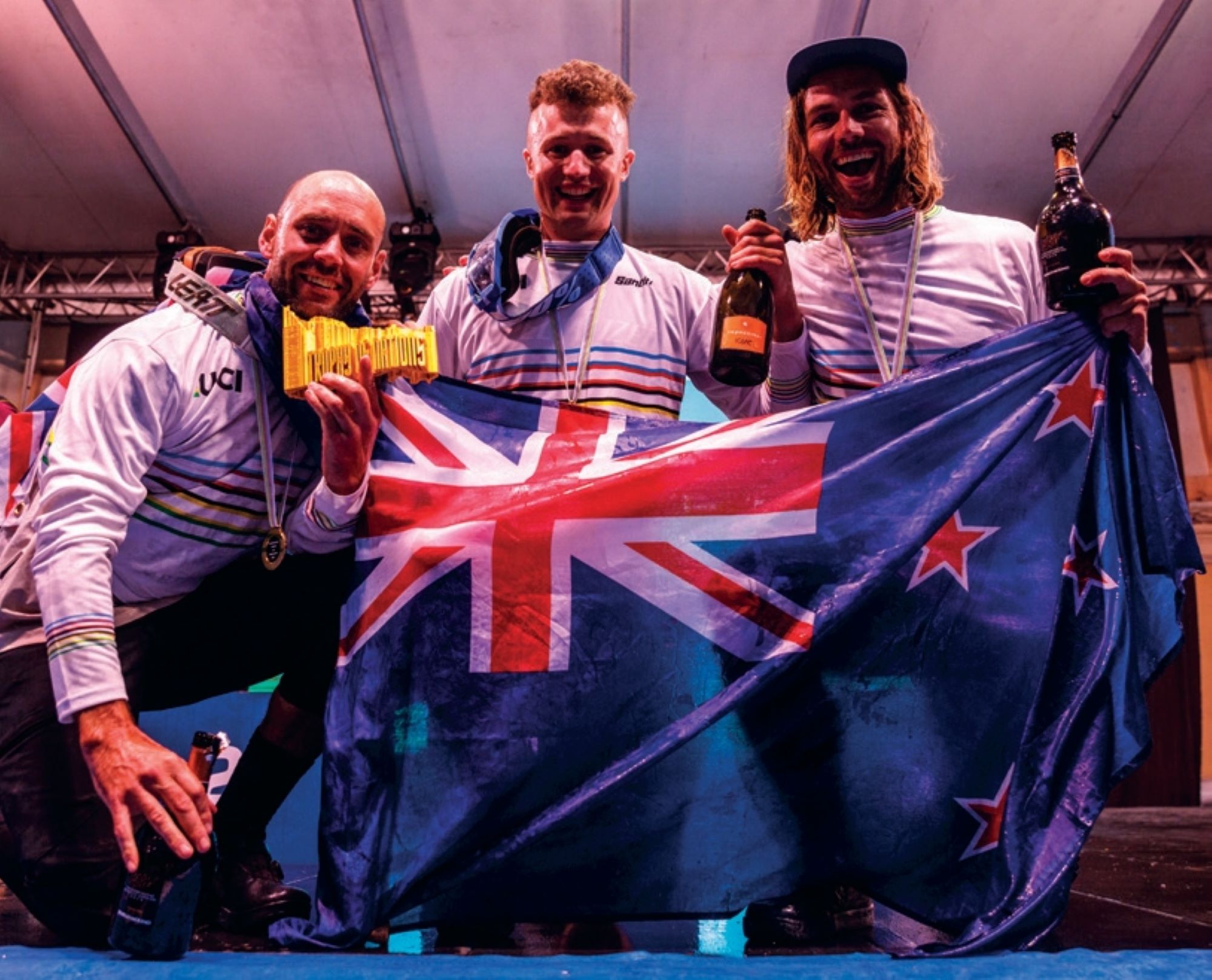
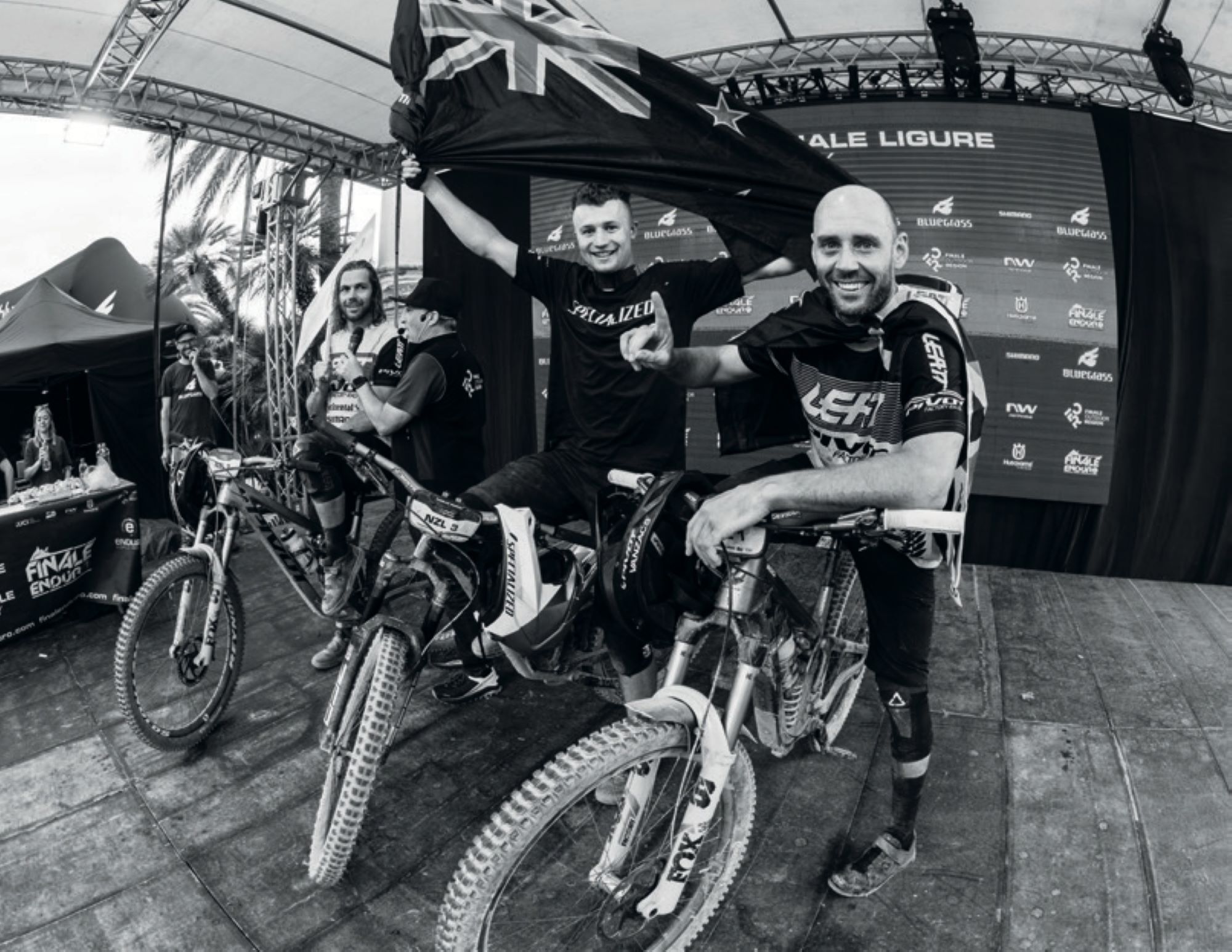
In 2022, Matt teamed up with friends Charlie Murray and Ed Masters to chase the ‘Trophy Of Nations’, competing against 27 other nations for the coveted title. Riders tackle the course as a team of three, all riding together on the trail. The Kiwis sealed the deal and came out on top!
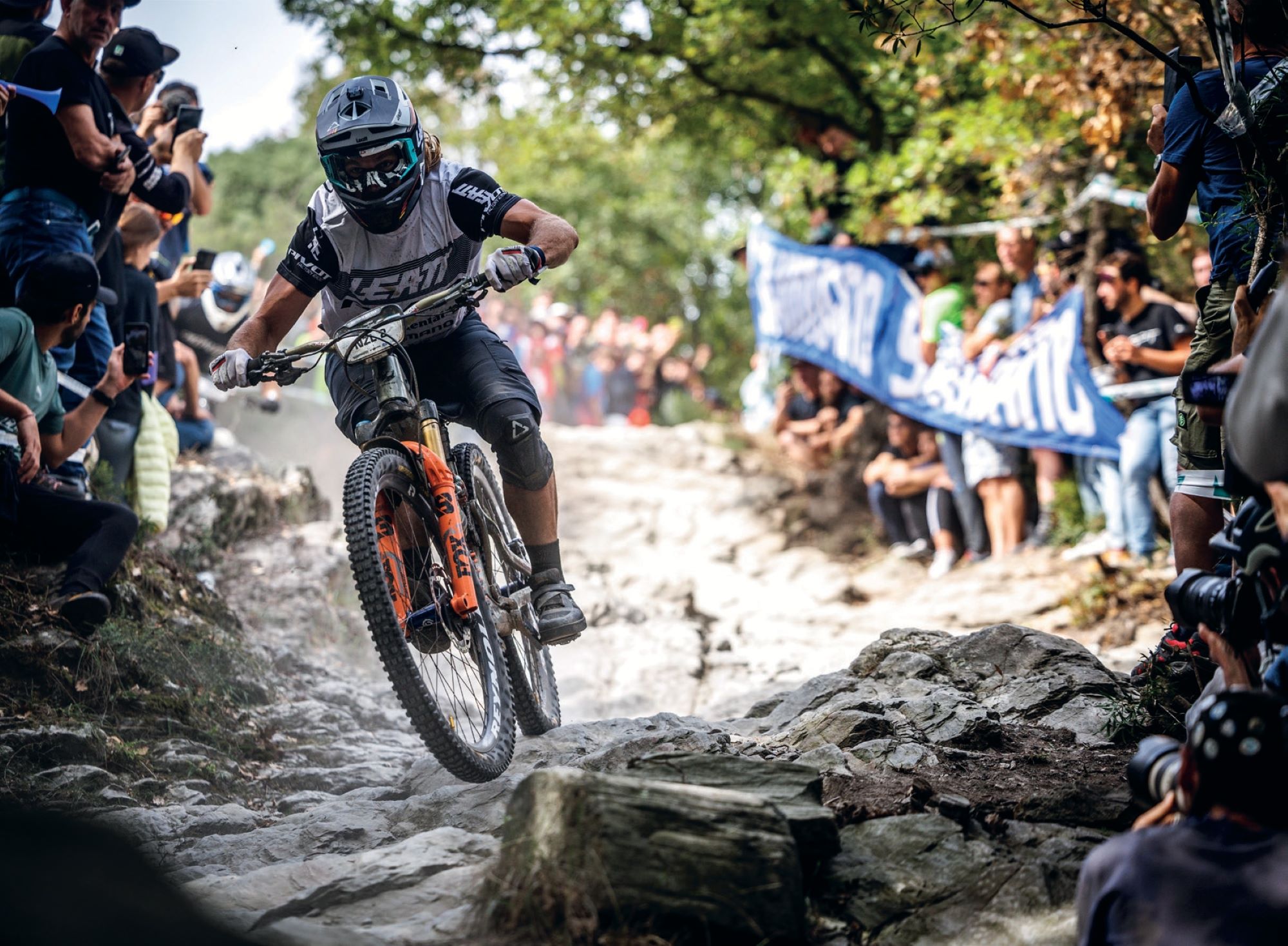
The EWS Val De Fassa round in 2023 was where Matt stamped his authority at the top of the sport. He won the race overall, taking the final two stages on the way to the top step of the podium. While others faded in the heat of the monstrous day in the Italian mountains, he only got stronger – another historical moment in NZ mountain biking involving Mr Walker.
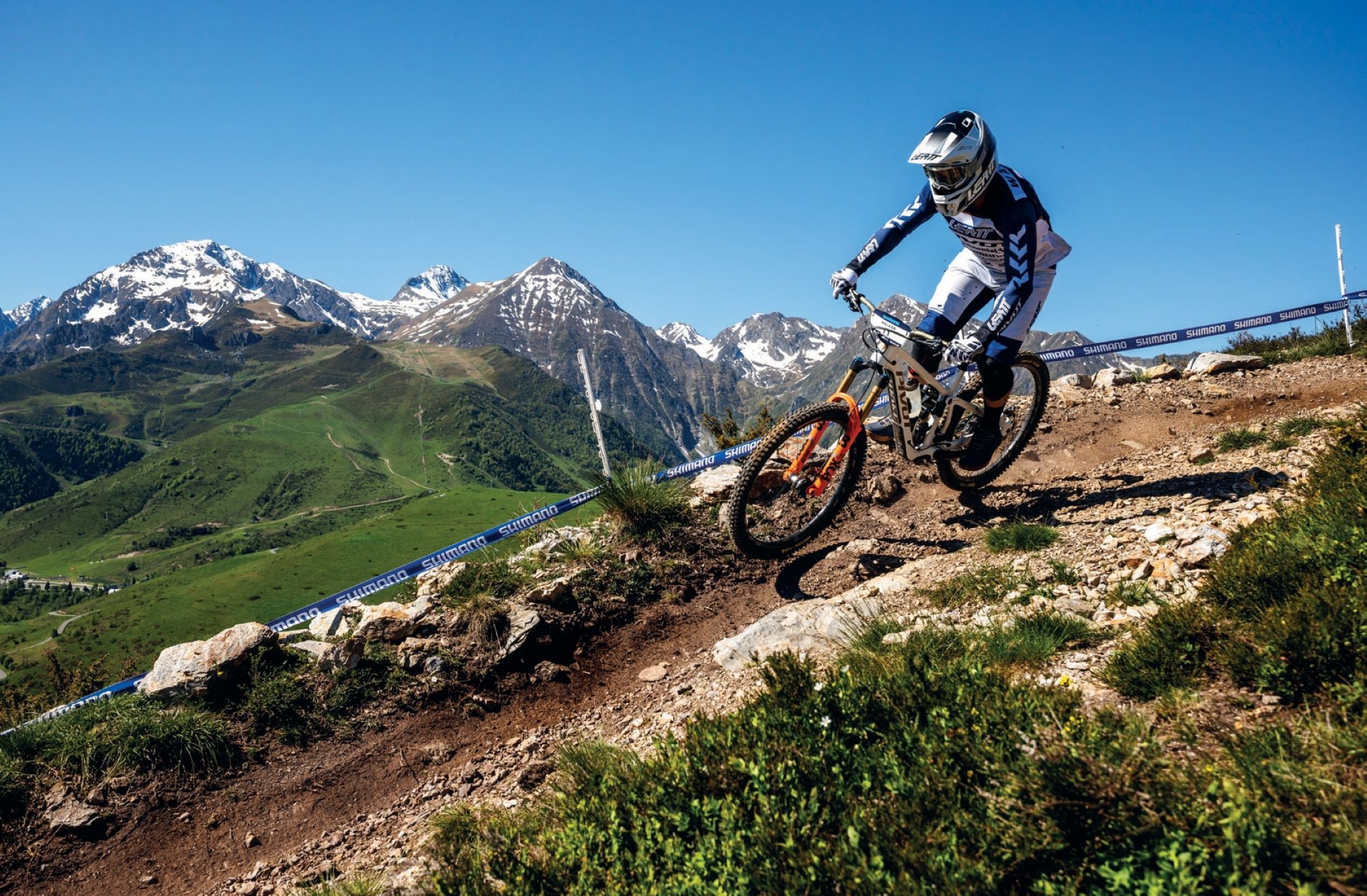
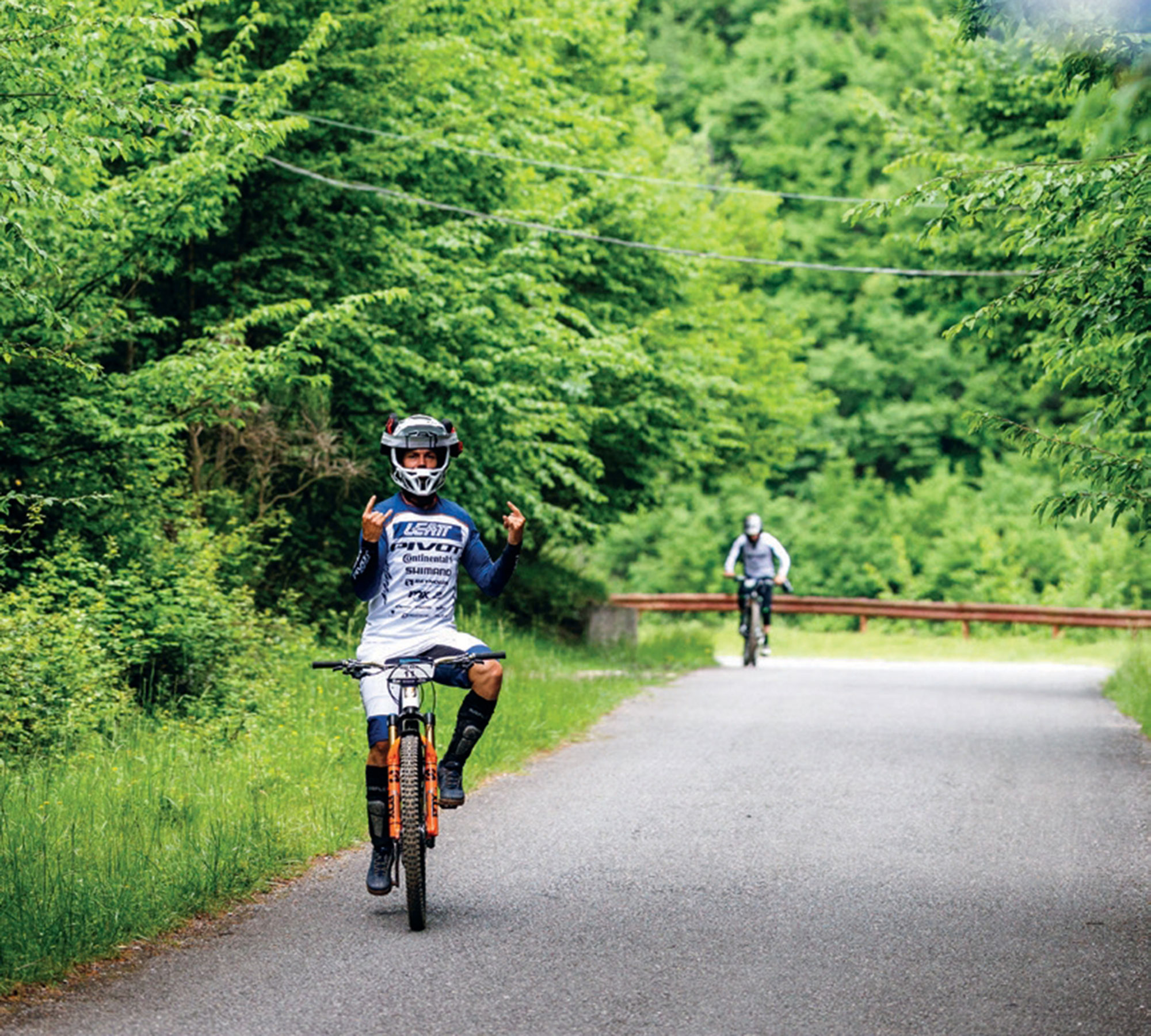
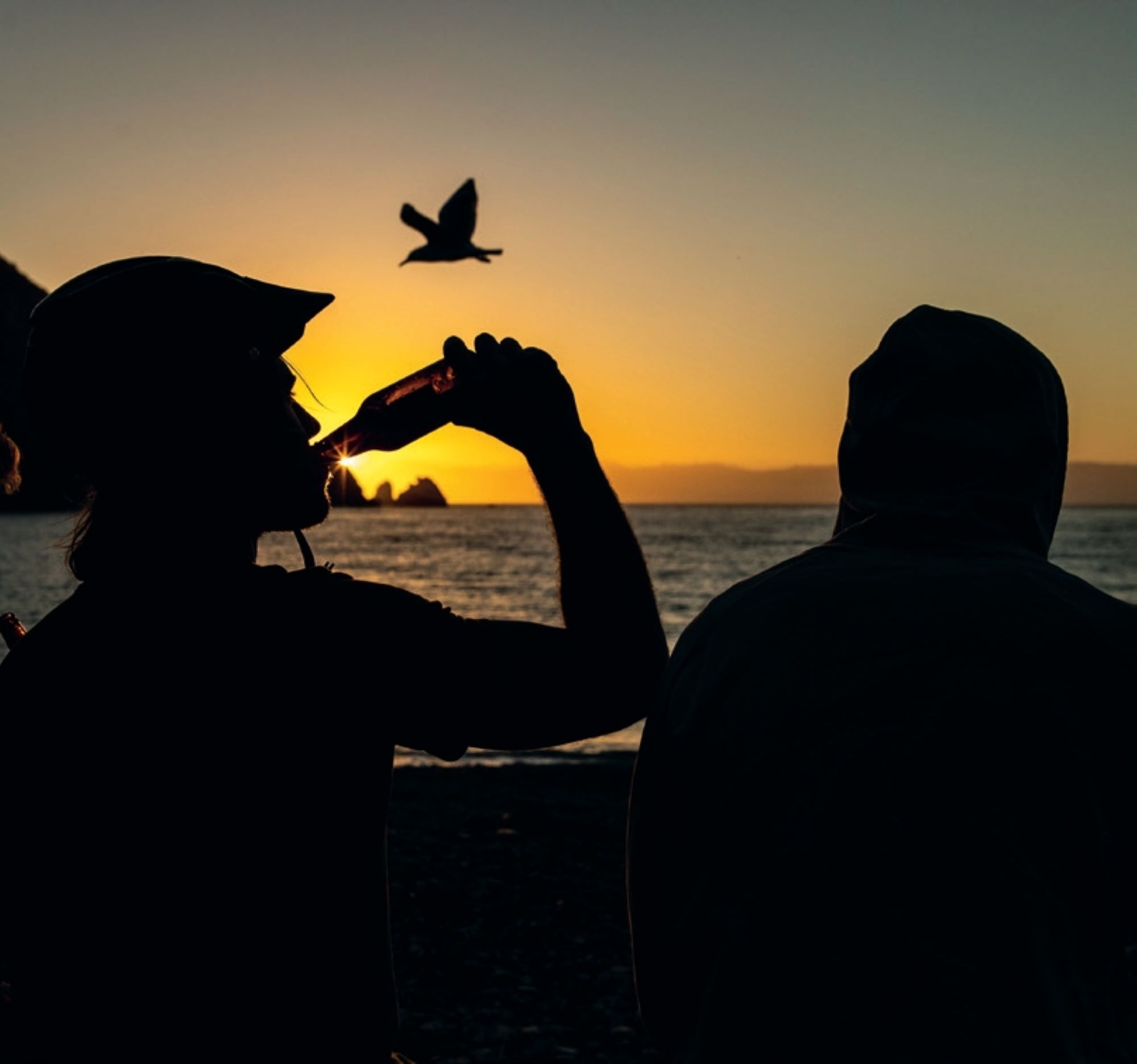
Chapter 5 – The wind down
It’s no secret that the last few years have been challenging for Matt. Remaining at the top became increasingly difficult, even outside of the injuries.
“The depth of talent and level of commitment needed to be competitive is insane. Today, you need to put in some serious work on fitness, bike setup, mental approach and all the little things in between, just to gain 0.1 of a second here and there, because every bit counts! When you’re on the right side of those time gaps, you’ll be thanking yourself for not giving up on those intervals during training.”
Now he’s moving on from the sport, Matt has a few thoughts on the state of affairs in World Cup Downhill and Enduro:
“I’d like to see the top end go back to more riders and racers involved each week in Downhill. They are trying to make it very “elite”, which I get in a way, but the sport itself is too varied to have only 20-30 guys racing. As it is, someone could podium one week, not make finals the next, but if more riders were allowed to learn by racing in conditions or on a track that may not suit their current skill set, it can benefit and grow. Not everyone is going to nail it on the first try. Some need time to learn and adapt!
“Enduro needs to get out of the shadow of being at DH venues and go back to what made it great to be at, and great to watch. New venues, great tracks, good racing and lots of variety. I find it frustrating; they had the formula and it was booming, the industry supported it, the riders loved it, now it feels like they (the organisers) are taking the easy option, cutting corners to save some spending. I do have high hopes for enduro making a good comeback, and at the end of the day, it’s what 90% of mountain bikers do, so it should be everywhere.” Between working on various car projects in the garage, Matt’s been focusing on building a life with riding still as part of it, just not all-consuming.
“I’ve had a few months off the bike and social media, but getting back into it all now! A goal with retiring was to turn bikes into a hobby again, which means riding for fun and because I want to, not because I have to. Lately, I’ve been riding heaps and enjoying it more than ever! As for work, I have just started working towards my commercial helicopter license, so I will see where that takes me!”
Matt has confirmed his status as a legend of the sport in NZ and although he’s often flown under the radar, he’s been going about his business and getting the job done. When adversity struck so many times, he just put his head down and got on with the job, bouncing back thanks to his mental strength and resiliance. No doubt these are all things he’ll draw on as he continues to write the next chapters of his story.
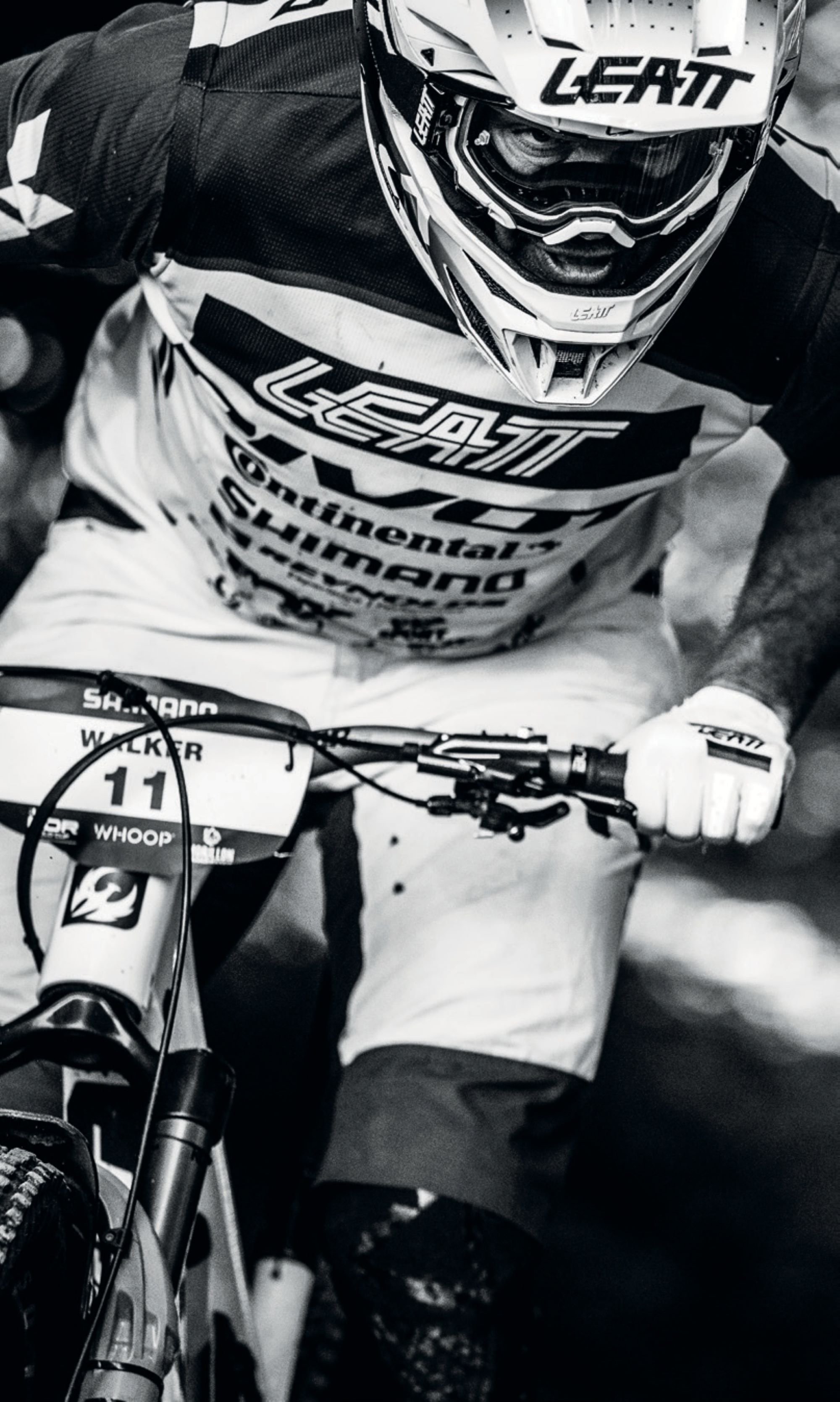
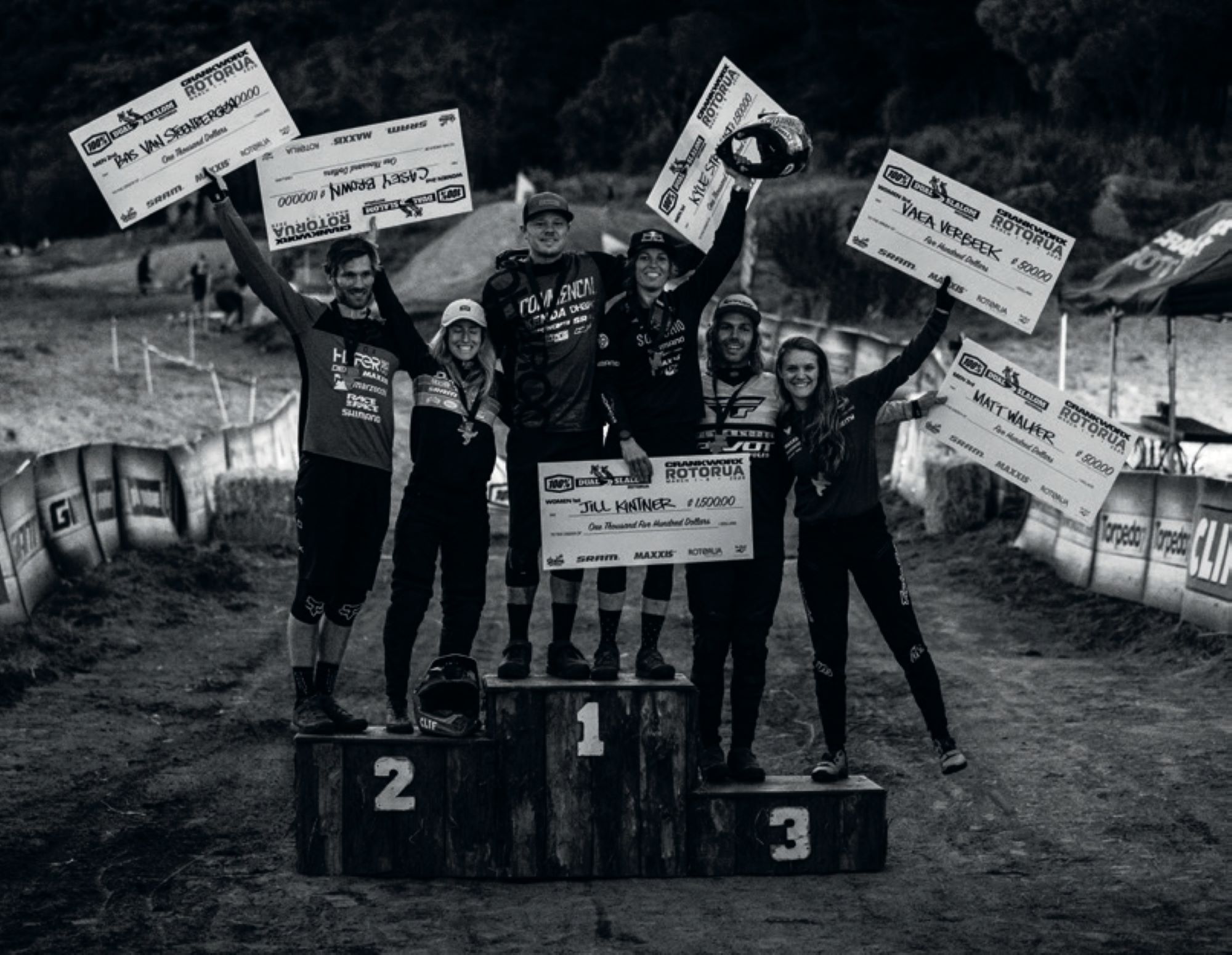
We got in contact with Matt’s longtime teammate and friend, Eddie Masters, to get some thoughts on him:
One of my all-time favourite Matt Walker stories is from 2013. We were travelling together in our van, ‘The Marae’ and had ended up at the IXS Cup in Pila. Funnily enough, Wax was riding for Pivot NZ at the time and so was my brother, Wyn. During practice, Wyn managed to break his mech hanger and didn’t have a spare. Kiwis being Kiwis, we hatched a plan that Wax would fake a crash and DNF the seeding run while Wyn would seed at full pace, and that way Wax would come down first, and Wyn would be near the end, meaning both could share one hanger. Wax’s ‘crash’ was pretty spectacular! Right at the finish, he slid out after the last drop, spinning multiple times and then proceeding to collapse, needing assistance off the course. The plan worked to perfection, and on race day, Wax dropped in first and put down a heater. He sat in the hot seat right up until the last few riders. Deleting about seven Red Bulls in the process, whilst wearing a novelty sombrero, he ended the day in second place and took home a decent pay cheque – but, more importantly, a funny story that has stood the test of time.
It’s been an absolute pleasure to spend the bulk of my career travelling the world with Wax. We managed to ride the fine line of fun and fast for so many years, and I honestly think that neither of us would have made it so far or hung on for so long if it weren’t for being teammates. Holy shit, we have had some laughs, and those moments on and off the track are memories that will last a lifetime. One of the best to ever do it, and most definitely one of the best to do it with!”
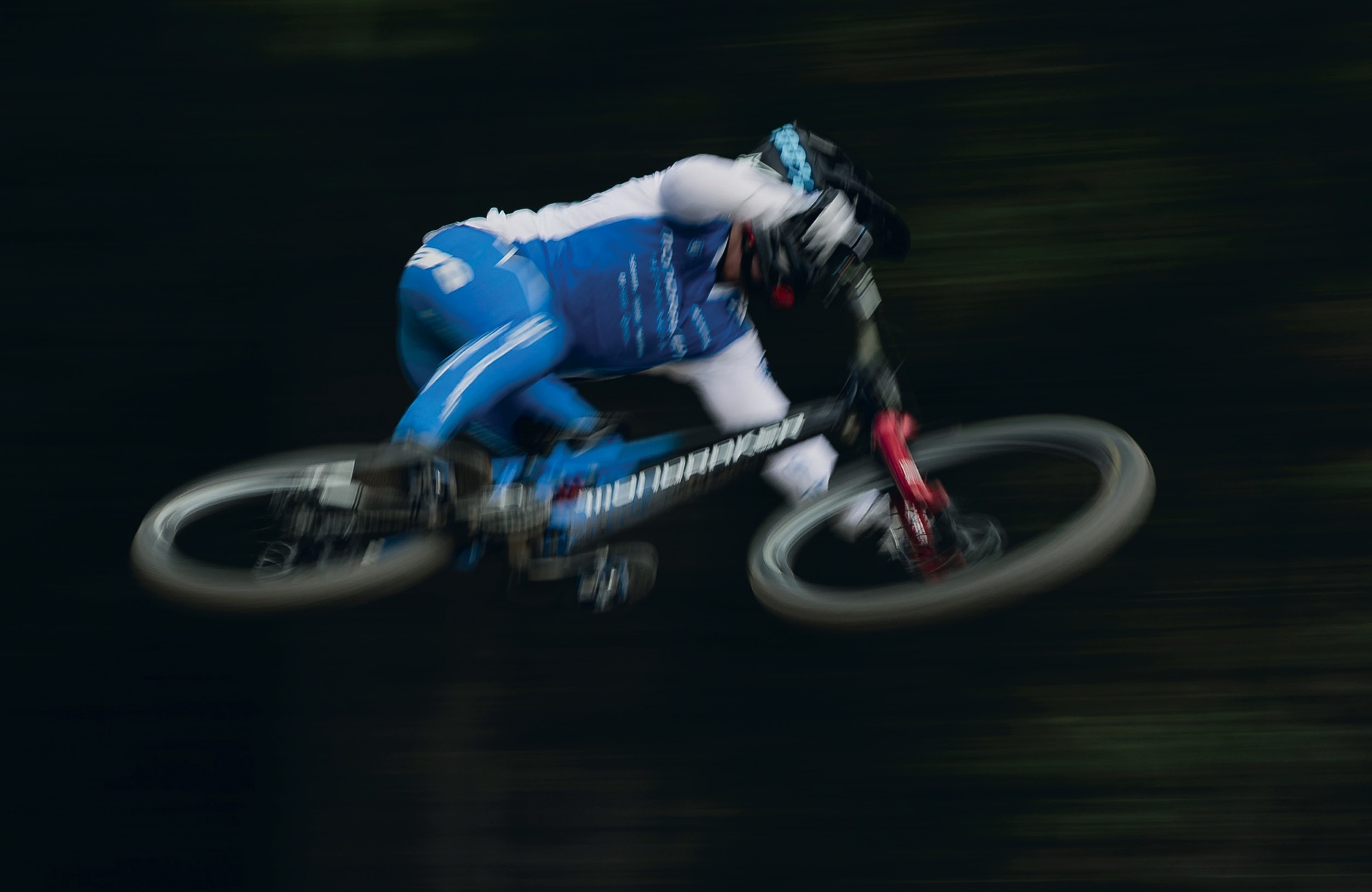
Oli Clark - King of the Hill
Words Riley McLay
Images Riley McLay, Sven Martin & Cameron Mackenzie
The pointy end of World Cup downhill racing just got a whole lot pointier! Arguably, the most talented class of male junior riders ever is graduating to the elite ranks in 2026. Among them, Kiwi Oli Clark, who will be on a mission to establish himself as a consistent contender for the podium for years to come.
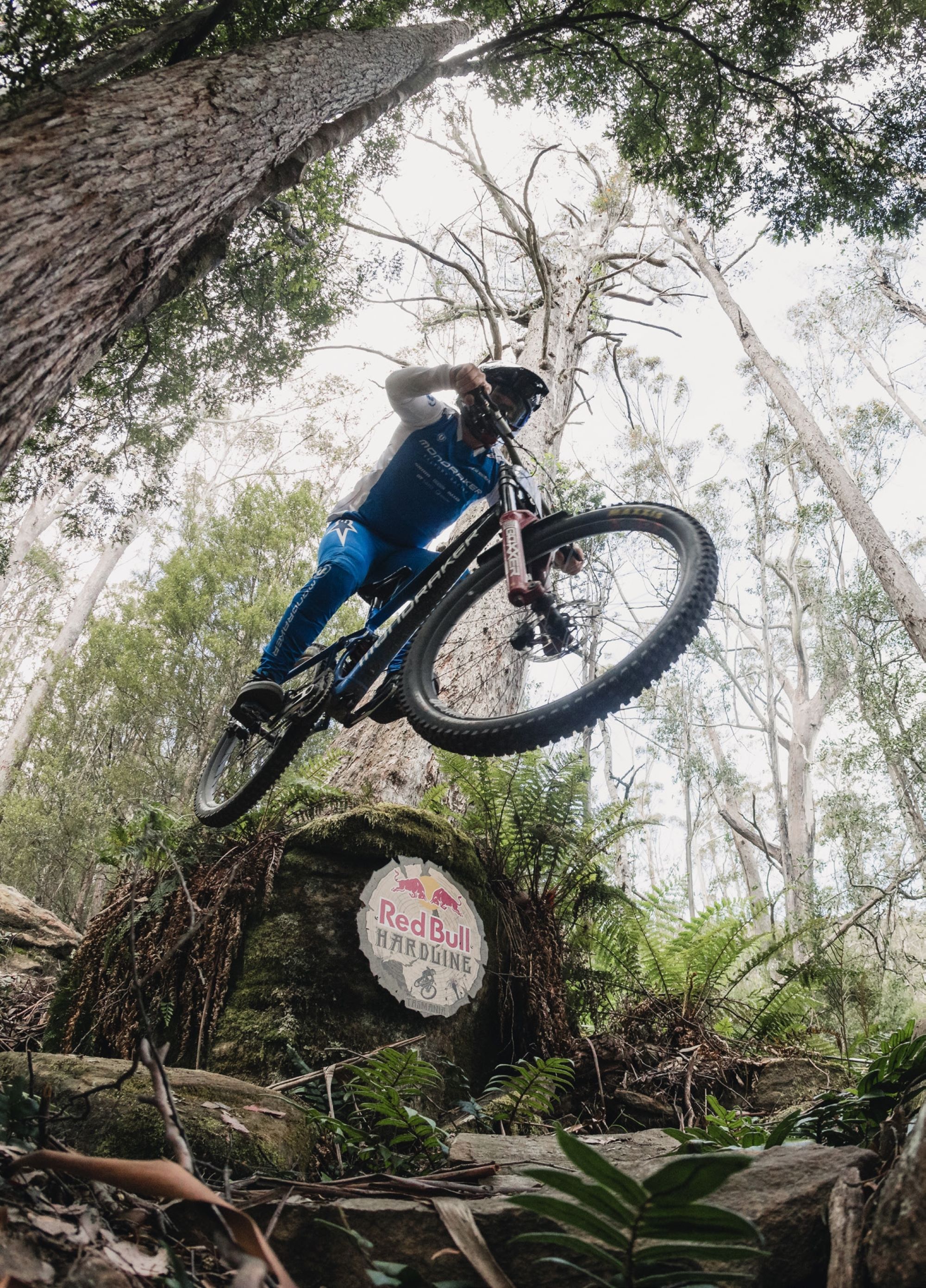
2025 was a breakout year for Oli, highlighted by his first World Cup win at Leogang and a string of impressive results, including a 4th at the World Championships, 6th overall in the junior standings, as well as two strong showings at both Red Bull Hardline Wales and Tasmania.
Despite the inevitable ups and downs of downhill racing, Oli has already built a strong foundation for success at such a young age, along with a grounded perspective to his racing.
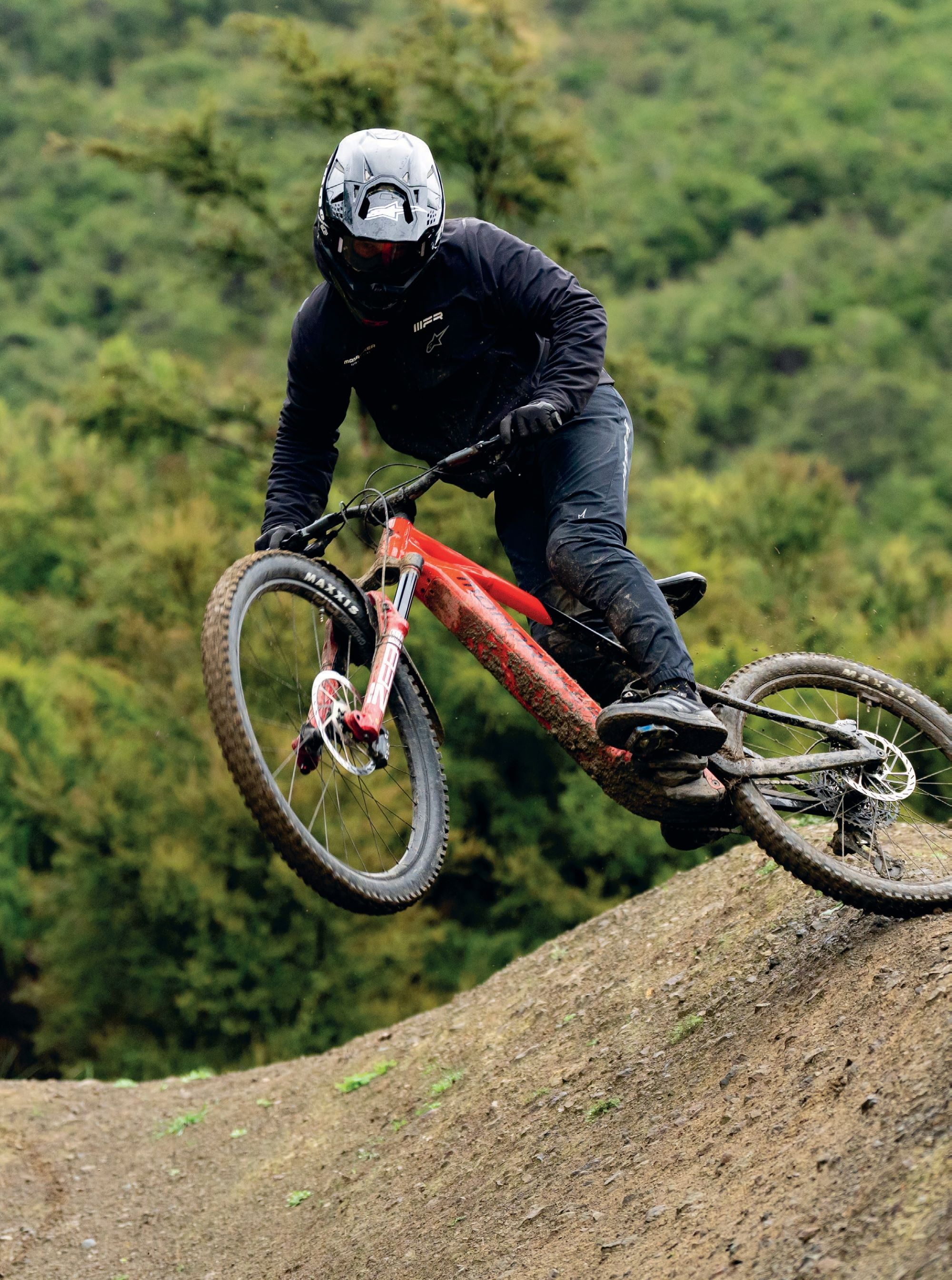
Heading into 2026, Oli’s dedication has paid off with a high-profile factory team signing to Mondraker Factory Racing. Joining an already star-studded line-up featuring Rónán Dunne and Ryan Pinkerton, he’s ready to carry his red-hot form into the elite ranks.
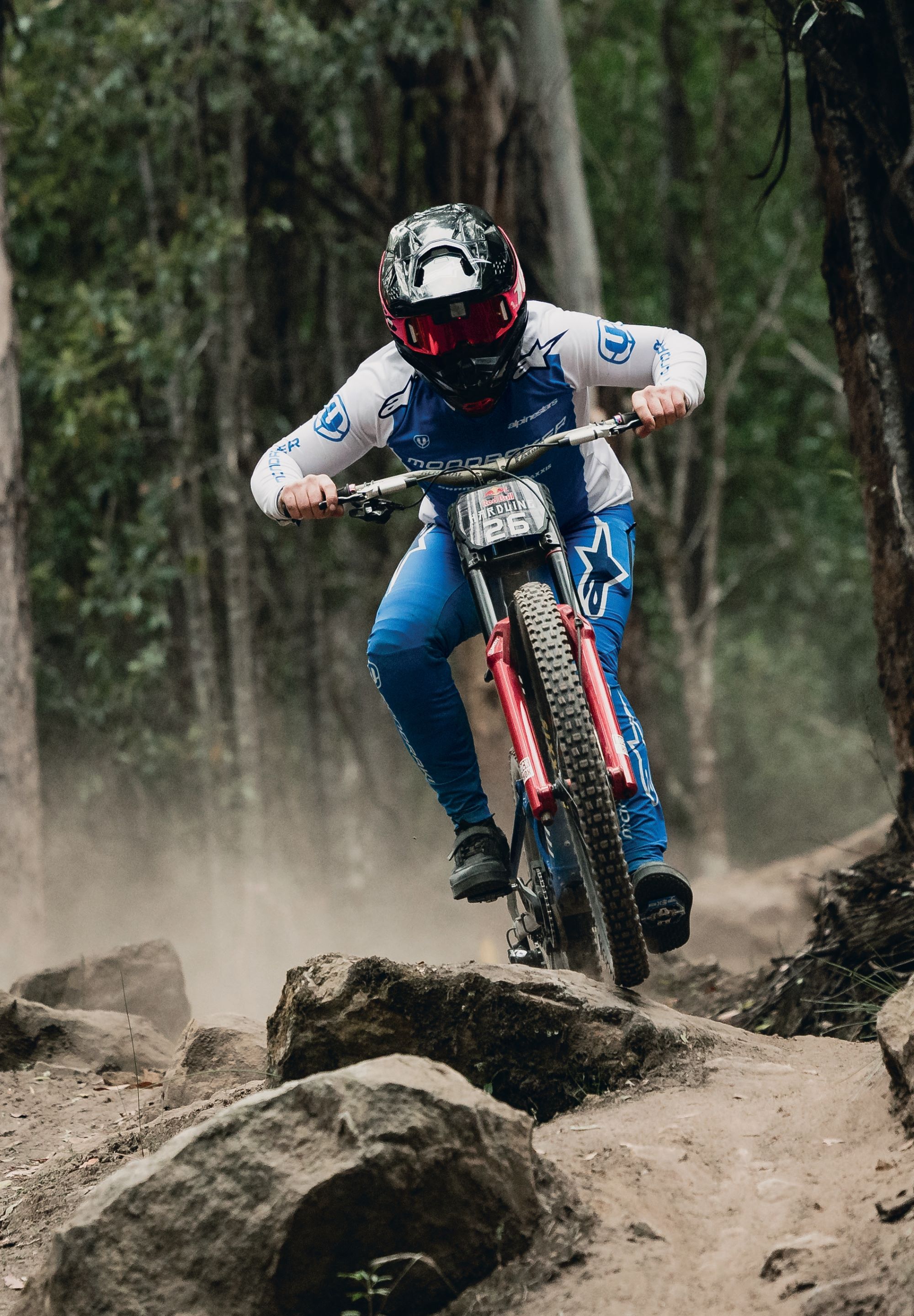
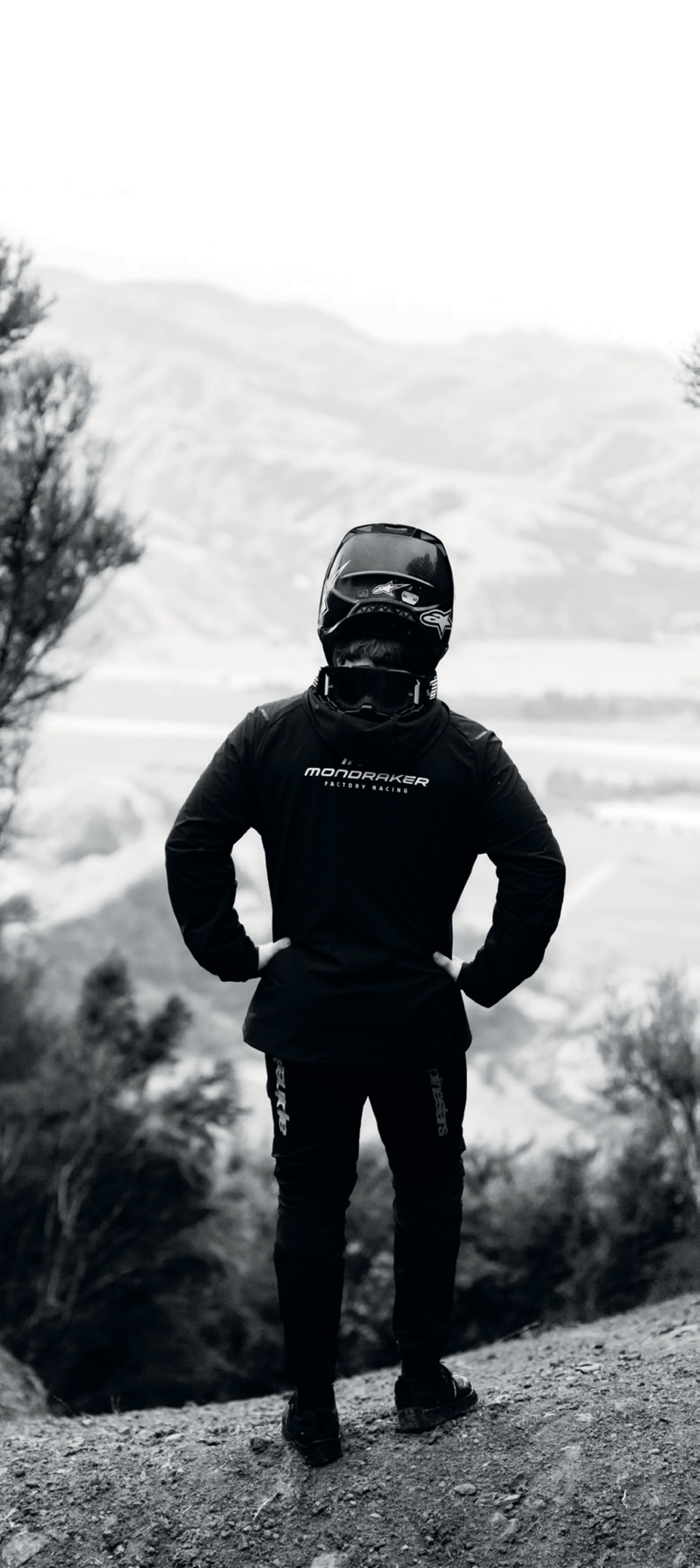
We had the pleasure of catching up with Oli ahead of the 2026 World Cup season to hear about the early days of racing, what he wants to get out of his racing, and how he’s preparing to make the step up to the elite category.
Let’s start at the very beginning. What was your first introduction to bikes and how have they shaped your early life?
I’ve always been into bikes, ever since I was little. My cousins rode motorbikes, mainly enduro, and that was always something I wanted to get into. I’m originally from Methven, but we moved to Blenheim when I was still pretty young. At school, I had a few mates who started riding, so I ended up taking my sister’s bike out that she got for Christmas that year. It was an Avanti, I can’t actually remember what model, just a hardtail. It was a cheap bike, but we thought it was expensive. We started going out riding together, and it just escalated from there.
What was your first taste of racing?
I was just riding with mates at first and really enjoying it. Then I kind of slowed down on the motorbiking side and started riding bikes more. I got my first full suspension. It was a Liv Hail and went straight to clips. There was a Nelson Winter Series and a few club races around Marlborough at that time. The first race I did was an enduro, and I thought it was a race to the finish, like racing all the transitions as well, so I ended up being the first one done. The Nelson Winter Series was the main one where everything kind of kicked off. I did those for about three or four years, then started moving into nationals.
When did you realize you had the potential to take your riding more seriously?
It was just for fun the whole time, really. There were a couple of boys travelling and doing nationals, so I started jumping in with them and travelling to the races. I did the national series for a couple of years and started getting some good results, keeping up with some of the older boys. That’s when I kind of decided to stick at it.
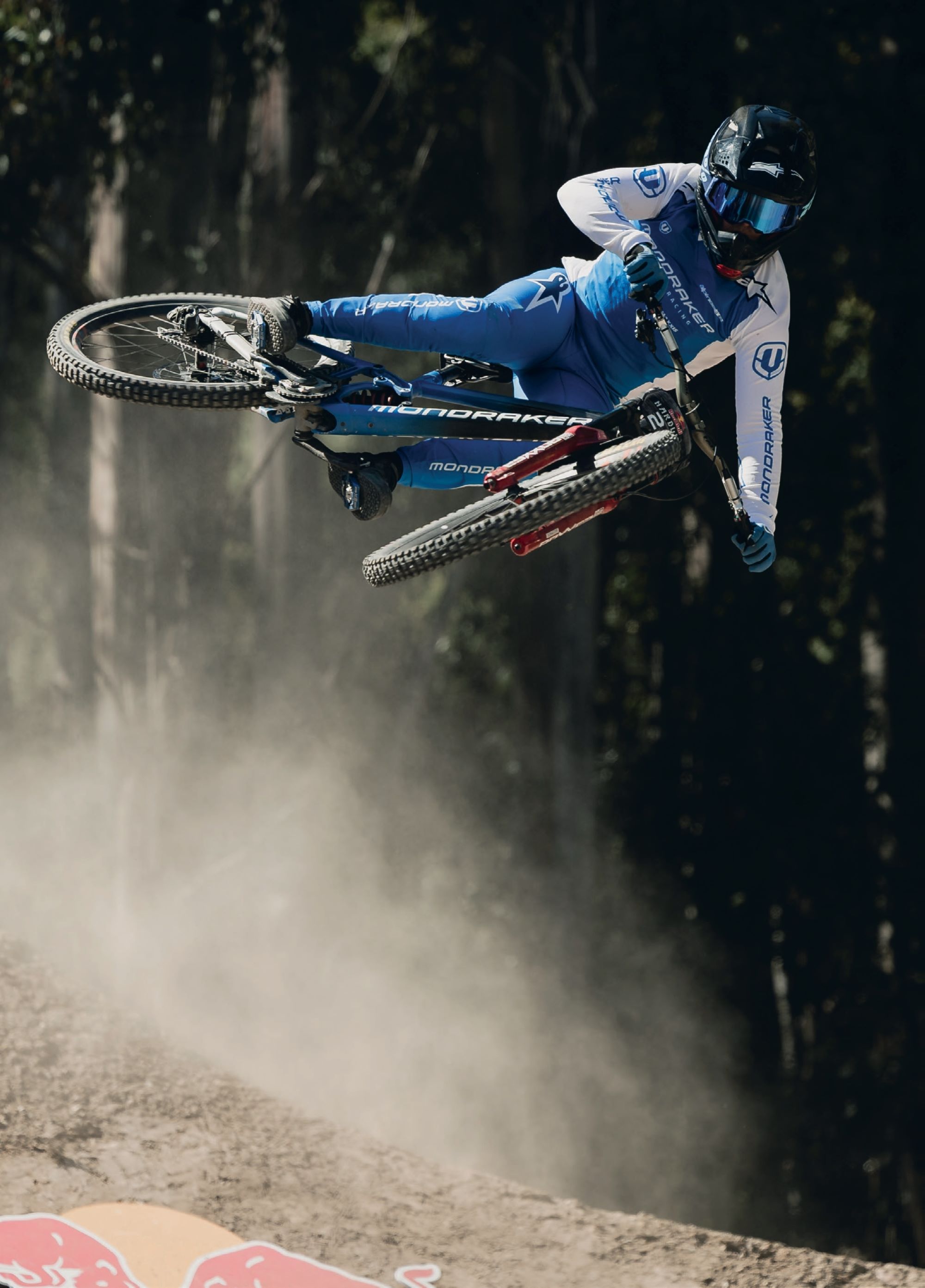
Were there any riders you looked up to or used as inspiration to see what a path in racing could look like?
I didn’t really know many people at the time. Justin Leov was around when we lived in Blenheim, so I rode with him quite a bit at his place. Then there were the boys in Nelson; Sammy G, Shannon Hewetson, and Kieran Bennett. I always looked up to them. You’d see them all the time at races. In between their race runs, they’d change into a fresh kit and everything. I thought that was pretty cool. I was like, I want to have that one day.
Was there anyone who stood out as a mentor or helped guide you through the racing scene?
Justin definitely helped a lot, but I didn’t really have anyone specifically mentoring me. I never really had coaching or anything, it was more just figuring it out myself. Mum and dad never really pushed me either. They just supported me with whatever I wanted to do. No matter what, they were always behind me. Progression just came from riding with faster people and gradually getting better. You sort of move up that way, just keeping at it. There’s always been faster riders, so you’re always chasing and pushing to keep up.
What was your first opportunity to get race support, and what did that look like?
When I moved from Blenheim to Kaikōura, we approached one of the local bike shops to see if they could help out a little bit. I ended up buying a Specialized through one of their sales reps. Dwayne from Coastal Sports wanted to help out as much as they could and said they could get me on this ambassador program. We ended up working with the same sales rep I bought the bike from on the program. That was my first real support and led to me getting my first-ever downhill bike. I had only ridden a downhill bike a little bit before that. The team at Middle Hill had an old Glory that I rode on for a couple of races. Morgan and Genevieve were so keen to help me out, which was pretty cool.
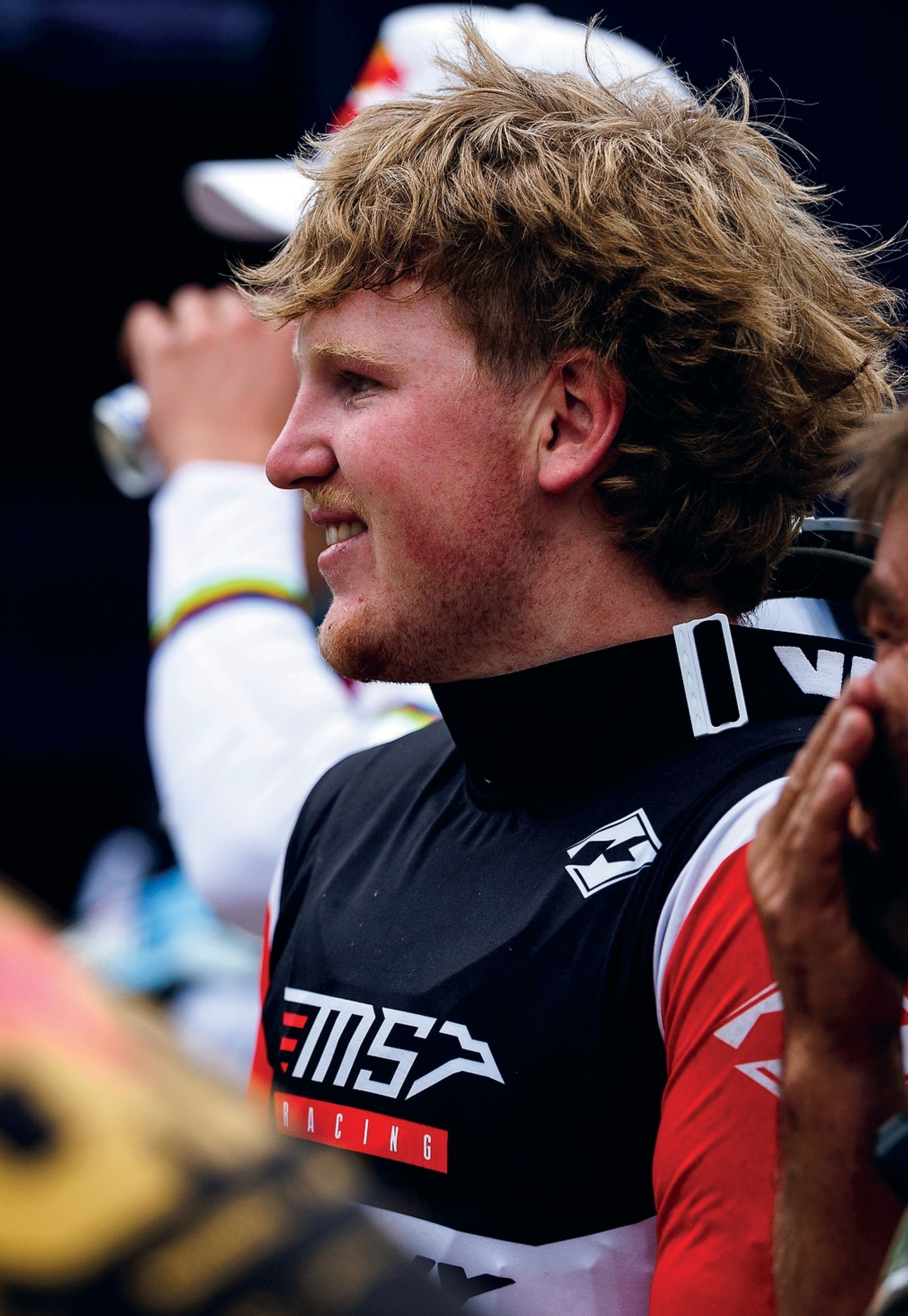
What was your intro to Middle Hill?
When we moved to Kaikōura, there wasn’t really any riding. We found out that they were keen to build something at Middle Hill, so we started heading up and digging with them. Most days after school, and all weekend, just digging with dad and I. That’s kind of where that whole relationship began. I’ve been up there ever since I started, and they’ve helped me heaps. Morgan was also a really good rider and I looked up to him a lot, always chasing him around.
Can you give us a quick overview of your progression during your first two years in the junior category?
The first year going overseas, we were just trying to find a team that would make things as easy as possible, and Unior seemed like the best fit. The original connection actually goes back to around my 13th birthday, when I did a YT Mob camp at Jentree. That really opened doors to meeting pros and seeing how they had mechanics and chefs, all that kind of setup. I thought that was pretty cool. They ran us through some race simulations, too. The guy managing the YT Mob at the time, Martin (Whiteley), who’s now my manager, was there and I stayed in touch with him ever since. Eventually, he helped me get onto Unior. That year was a real learning experience. The results weren’t amazing, but there was so much I could learn from. For my first year in junior, it was probably the best thing for me. In my second year, Unior had to stop because of all the team changes. They couldn’t afford to enter as a team anymore. I was kind of stuck with nothing and no spots opening up anywhere. Then I connected with Ali from Zerode and asked if there was any chance I could get one of their bikes. I’d ridden one before and really loved it, so I was super keen to ride it again. They did as much as they could to help me. Ali started talking with MS and got me hooked up with them, so i was going to go over and have a bit of support for races, but as I started doing well, that support elevated.
Looking back, how did your outlook or preparation change going into your second junior season, and how do you reflect on the progress you made?
I was kind of left with nothing, so when that opportunity came, it was huge. At the time, I was working on trail building, trying to save up some money, and train as well. I was also preparing for the worst-case scenario, figuring I’d have to cover everything myself. I went over with some savings so I could get by and manage travel costs. Once I got the support, though, things really started to click. I got a coach for the gym, a coach for riding and that helped me heaps with all my fitness. It wasn’t a make-or-break season exactly, but I knew I had to do well to keep going.
Otherwise, it would’ve been really hard to afford more than a couple of years on my own. Coming from New Zealand, the dollar is worth about half of theirs, so we had to spend nearly double what they would have to spend to do the same thing.
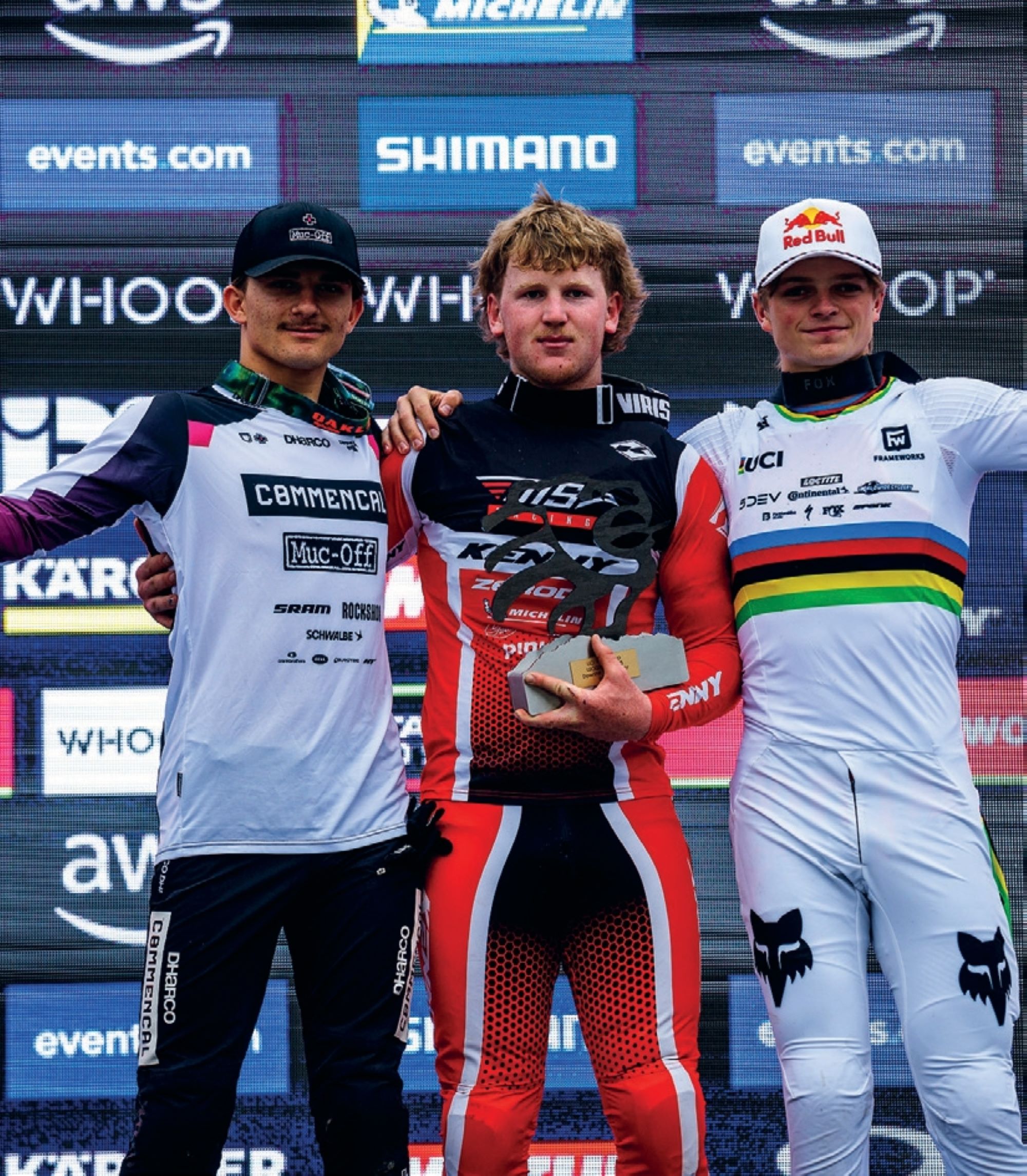
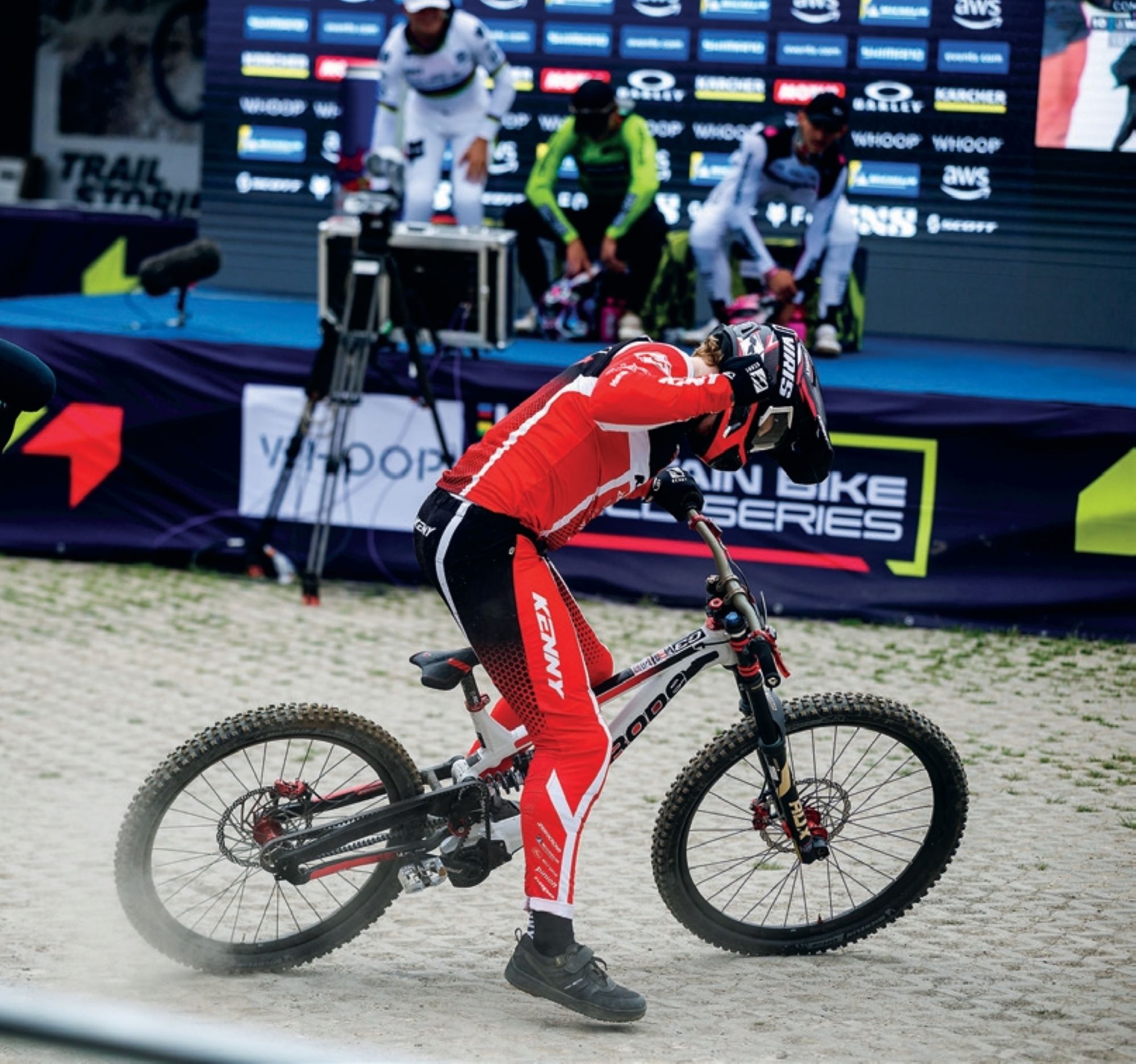
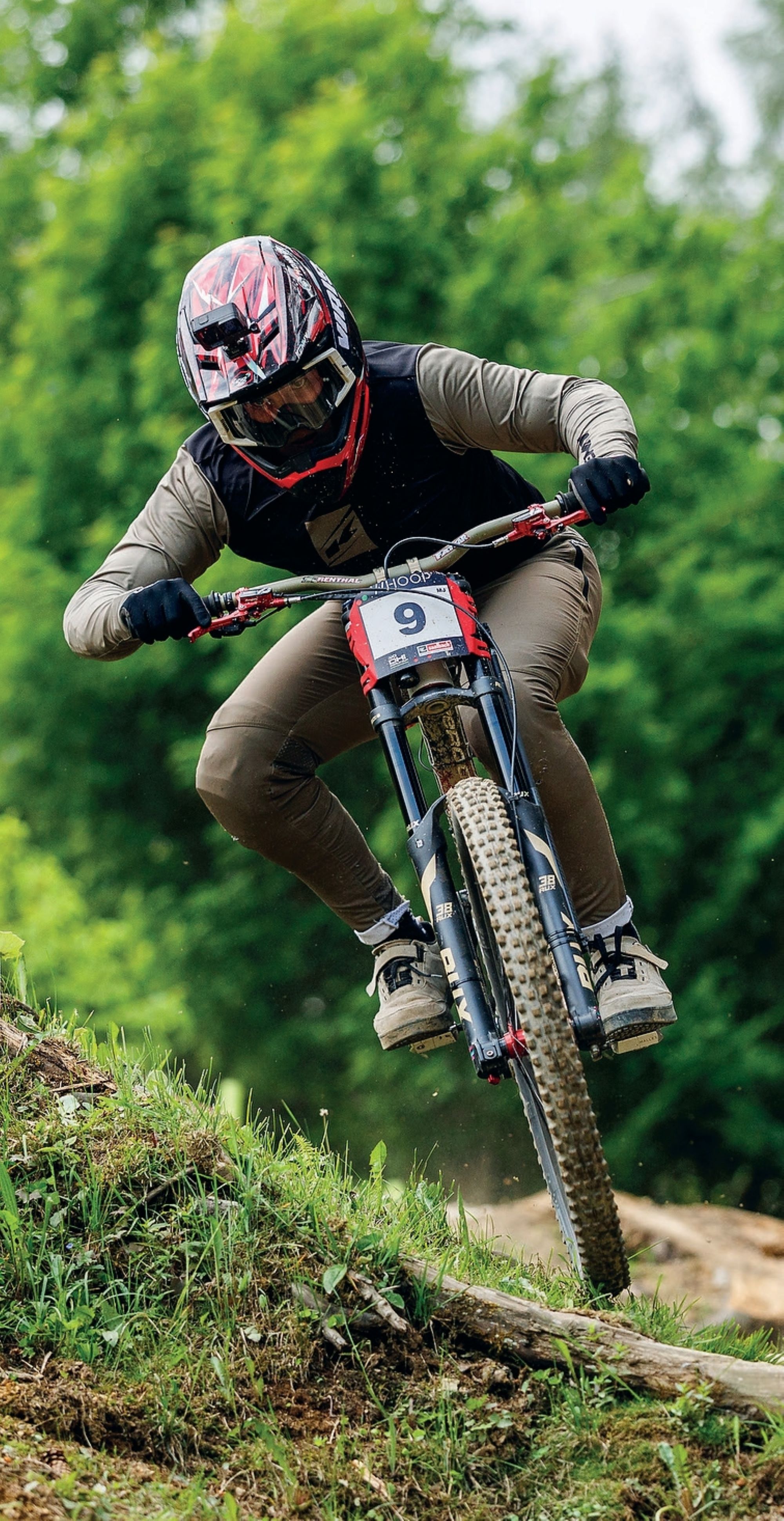
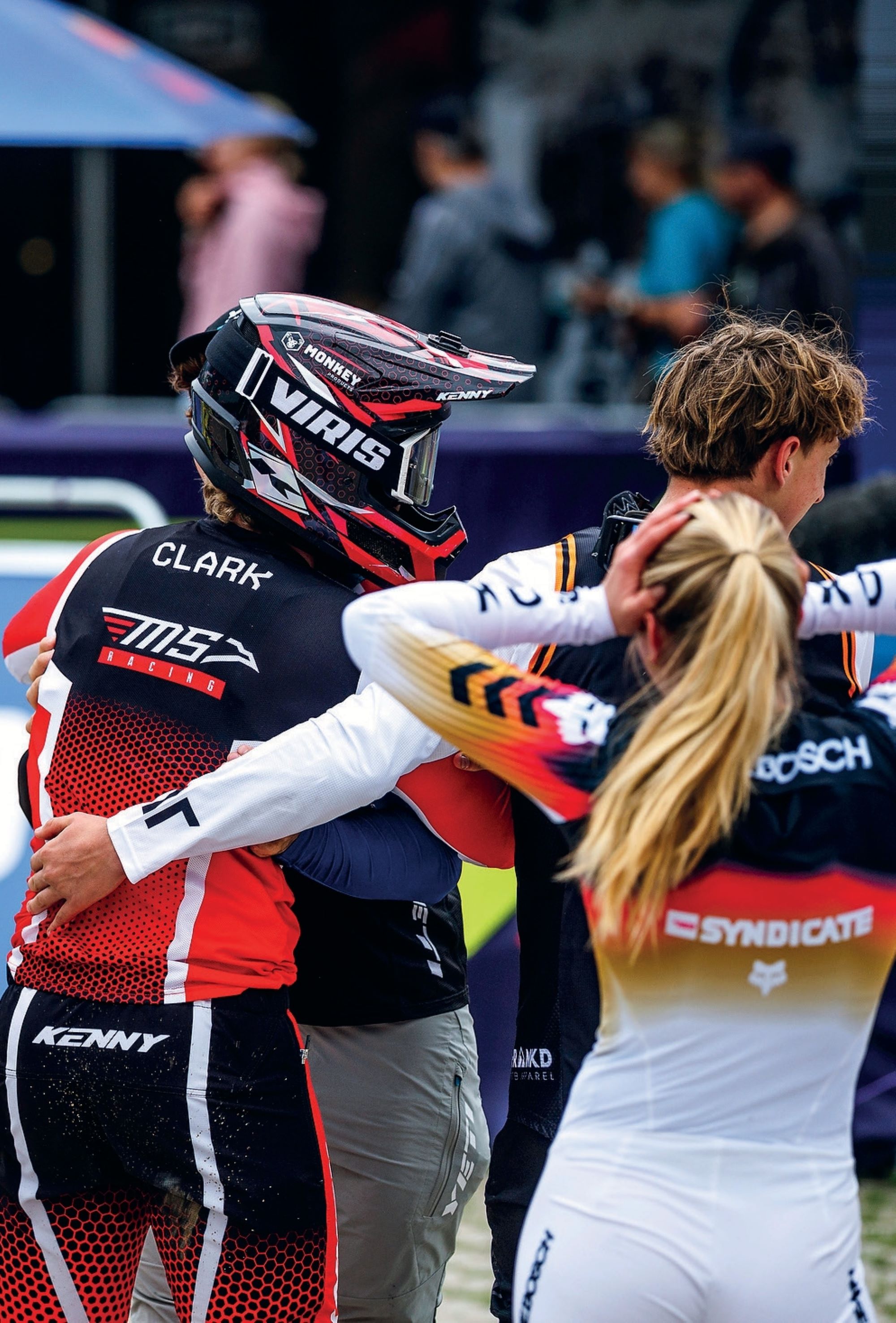
Coming up alongside a batch of high-level New Zealand talent in the junior field, how did you maintain perspective and keep a level head while making the jump to international racing?
Well, I think because we were all just riding together, having fun, and pushing each other. The first year, I kind of thought I’d go over and get some good results, but obviously, there was still a lot of work to be done. Tyler (Waite), who I was competing with back in New Zealand, was doing really well, so I knew I could too. It was just a few little things that didn’t go in my favor. But yeah, being all from NZ, pushing each other, that’s really why we are where we are today.
How did it feel in your second junior year to be right in the mix with arguably the best generational talent ever seen in the category, and did you have any expectations going in?
Oh, I was pretty surprised to be honest. I had done heaps of training and was just trying my best. But really, I just went out there to have fun. I thought, I’ve done everything I can to be here, so just enjoy it. I didn’t really have any expectations. I was just like, ‘go have fun,’ because that’s when I ride my best. Of course, I wanted to do well and there were goals, but mostly I just went with the flow.
Your win in Leogang was obviously a standout moment in 2025. Can you walk us through your preparation going into that race, and what it felt like to take the win?
I’d done a little bit of riding there with the team in Leogang before the race, but I wasn’t really expecting much going in. I rode heaps with Tuhoto, and we were pushing each other, doing laps together. Poland was the first race of the year; I got third there. Then at Loudonville, I was feeling really good. I was doing well in the splits, but I got a flat tire, which was frustrating. I wanted to prove something, but I was mostly just enjoying it. At Leogang, I didn’t feel like I was riding my best. During qualifying, I told my manager I’d done an average run, not very good, but then I ended up qualifying first. I thought, okay, maybe I could do something here. Being up there was pretty nerve-wracking. You’re the last one on the hill in your category, everyone else has already gone down. It’s pretty surreal. Then I came down first, and the feeling was crazy. It’s hard to describe, honestly you just have to be there to get it.
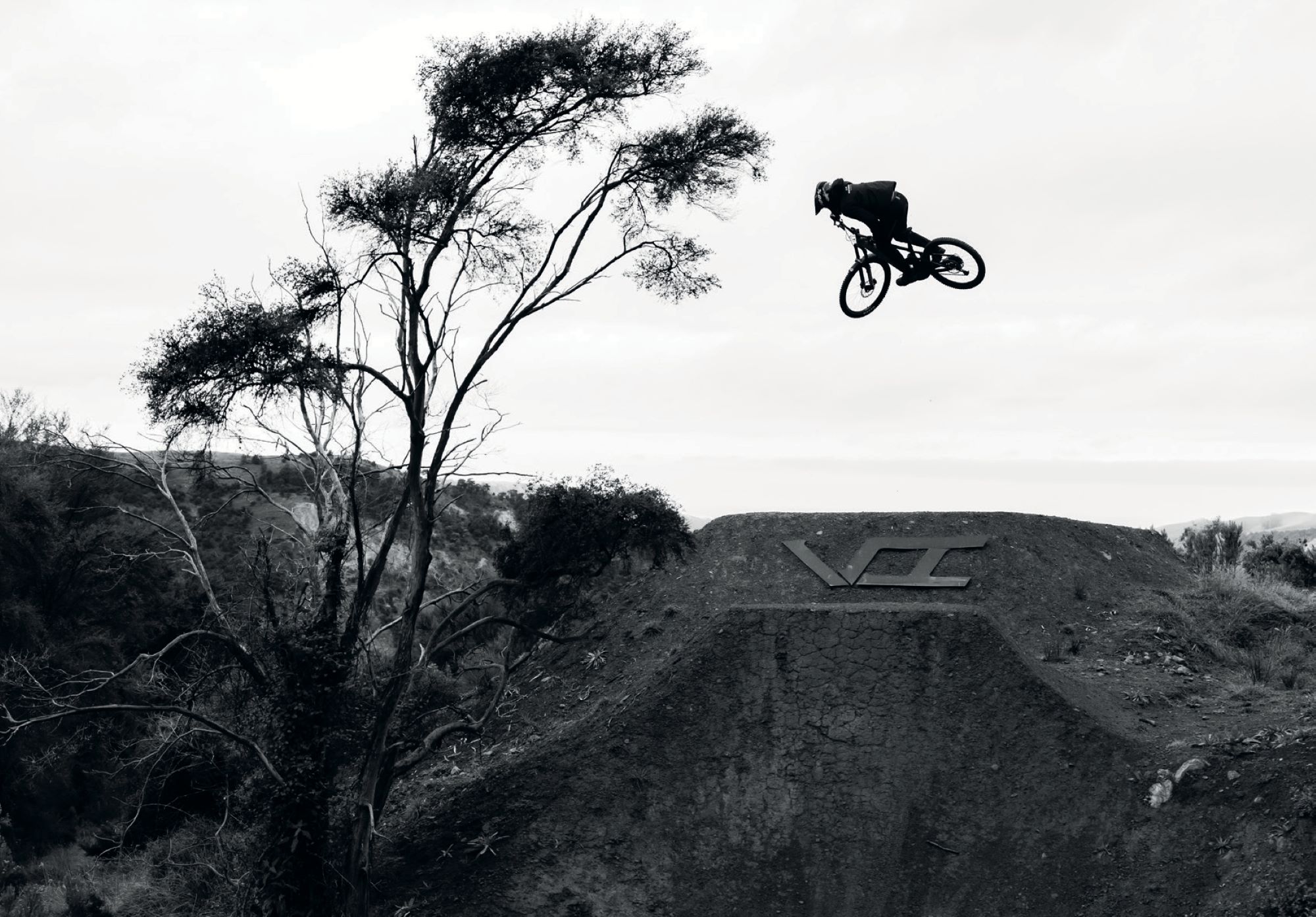
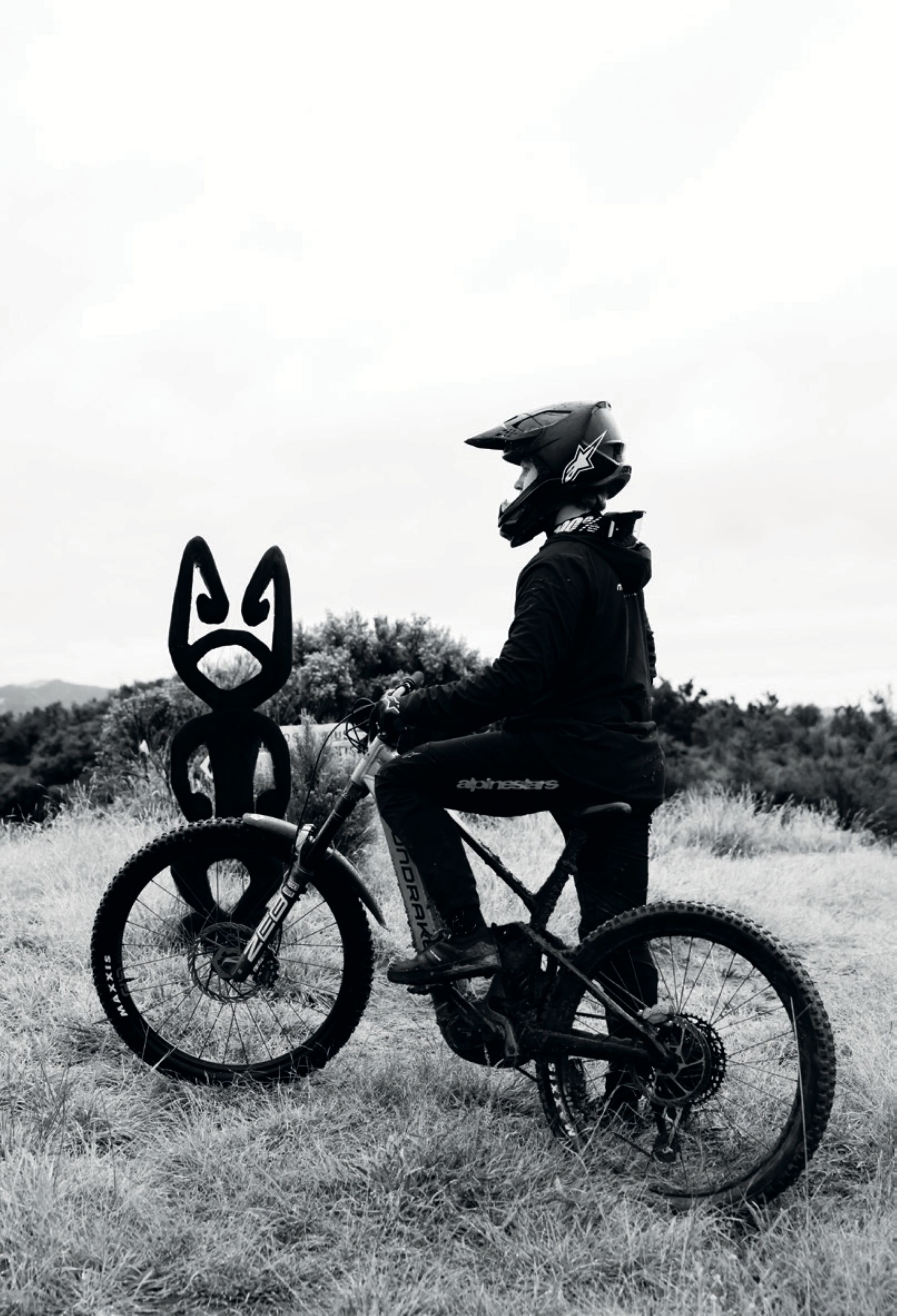
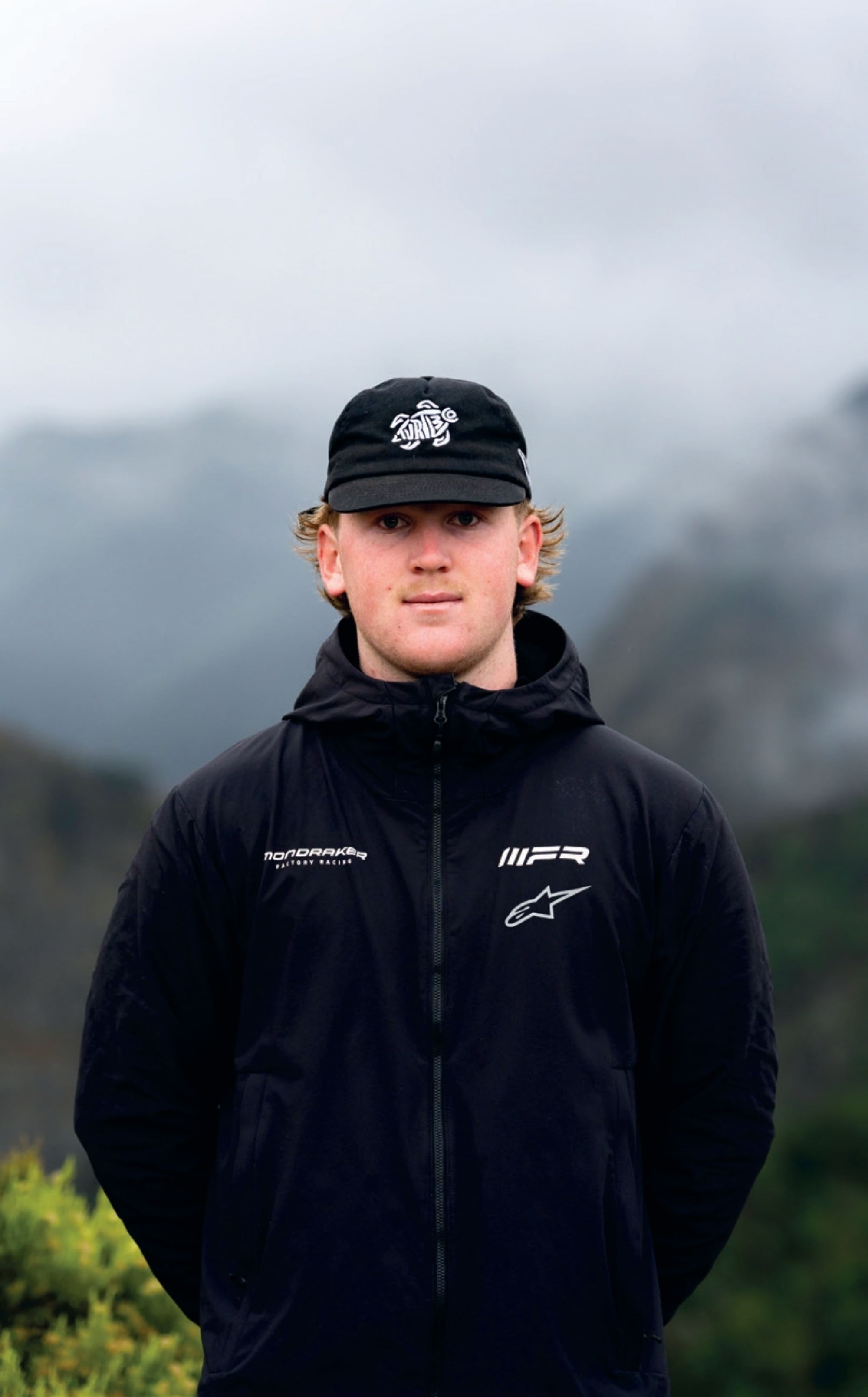
Heading into this season, signing with Mondraker Factory Racing is a huge accomplishment in itself. Does that take some pressure off, or does it raise expectations knowing you now have that level of support?
There isn’t really much pressure from anyone else from the team, it’s more the pressure I put on myself. As long as I’m doing everything I can back home to prepare, I just need to go over and do the same thing, go have fun. That’s why I started riding, and that’s why I’m here. I don’t really see it as a job, it’s still about having fun.
Your career has come together quickly, with a World Cup win and two Hardline appearances. Have you had a chance to reflect on what you’ve achieved?
I don’t really like to look back. I just want to keep moving forward and keep progressing. The motivation for me is always wanting to be better. I’d say I’m quite a competitive person. At the same time, I enjoy doing lots of other things. But when I come back to biking, I still find the enjoyment in it. It’s not just about results, you have to have fun, and the more you do it, the better you get.
How does your approach for a Hardline race compare to a World Cup week?
It’s such a different event. Everyone’s more relaxed, or at least the vibe was, the event is changing a lot. People are there to help each other out and just have fun. It’s a really cool atmosphere. For me, riding those Hardline races is so much fun. The nerves, it’s like scary, but once you’re on it, it’s so fun. I love big jumps and steep stuff. That’s what I ride at home at Middle Hill. We built a track there similar with some huge jumps, which was the only one to ride. That track’s gone now, but that’s the stuff I really enjoy. At World Cups, it’s super serious. Everyone kind of keeps to themselves and their goal is to win. You’ve got lines spotters all over the track. You watch those guys – they know exactly what they’re doing – and they’ve got it dialed. If you want to win, that’s what you have to aim for. The sport is definitely changing. Downhill used to be more about just riding. There were heaps of different lines. Now, you can’t really do anything on the track that other teams don’t know about. Everyone’s basically on the same line on race day, which I think is a bit silly.
What’s it like having riders like Ronan and Ryan on the team this year, and what do you think you can learn from them heading into your first elite season?
We’re all pretty young, but those boys have done some really impressive things. Ronan trains completely differently from anyone else. He’s out there doing 15 laps a day, and no one else is doing that. Ryan trains super differently too. They both have different styles and, for me, I can just look at both of them, pick the bits I want, and learn from them. They’re also really willing to help, which is great. For me this year, I think the main focus is just getting some good consistency. Qualifying for every race would be a solid start. After that, we’ll see what needs to be worked on.
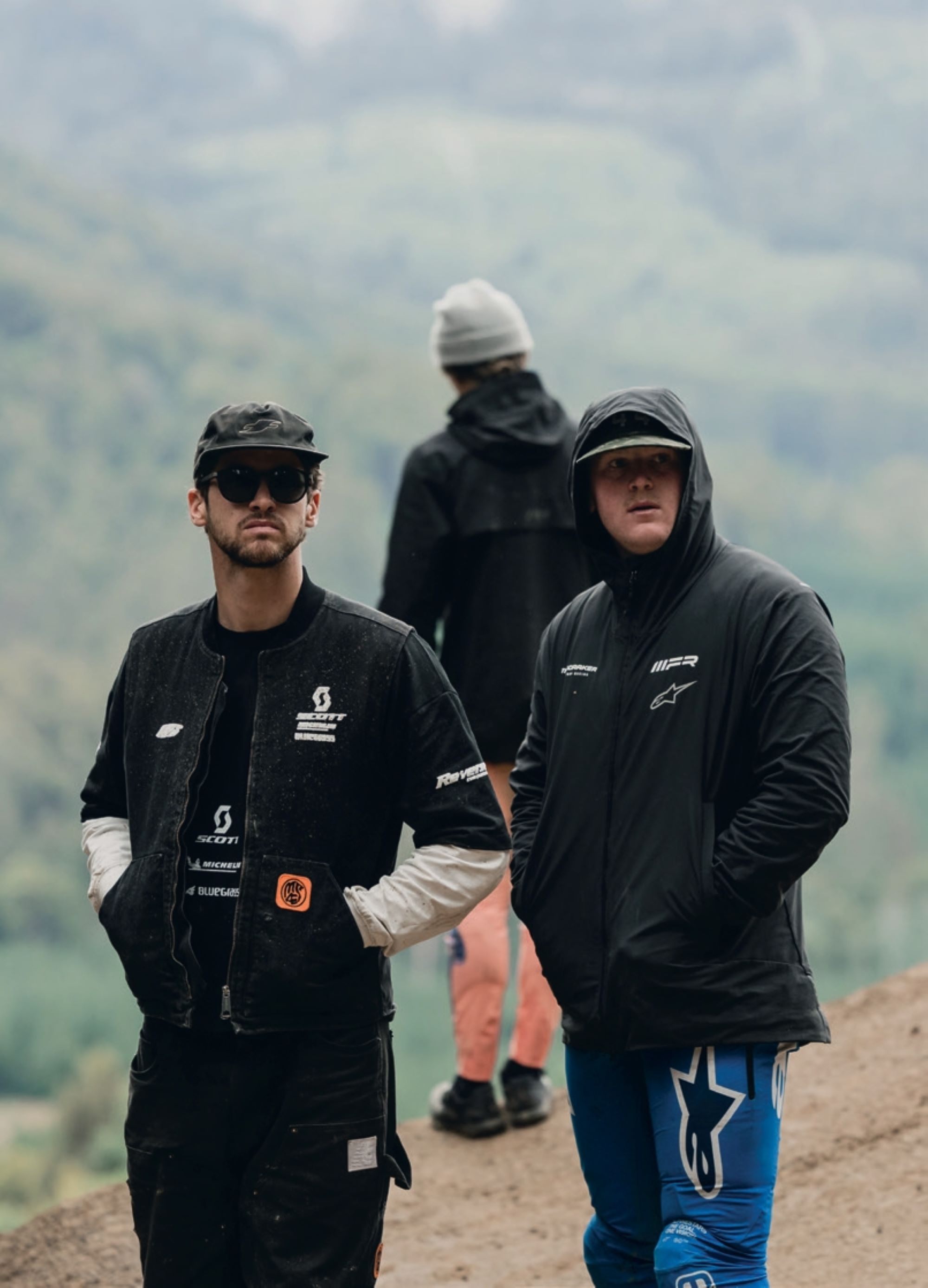
How do you see the current state of the New Zealand downhill scene, and what do you think is needed to take it to the next level?
I’m very disappointed, to be honest. This year has been pretty horrible. When I was under 15 and under 17, we used to have five or six national rounds, plus separate national champs. Now, we’ve had what, like one national round, Crankworx combined with national champs, and then the little Crankworx, which is a Continental race. So basically, we’ve only had three races. It’s pretty disappointing. I think they need to put a lot more work into it. I get that organising it all takes a toll and some people don’t want to deal with it. Having so many races played a big part in our age group’s success. The more you race, the more experience you get, and the better you become.
What advice would you give to young riders in New Zealand who want to focus their efforts on reaching the international level?
I think it’s really just about riding with your mates, having fun, and finding people who are faster and better (than you) so you can learn from them. You can get as much coaching as you like, but it doesn’t compare to actually going to races and experiencing it. No coach can really teach you how to deal with the nerves and all that. It’s just experience and time. Some people pick it up faster than others, but it’s all about sticking with it.
How does it feel to see Middle Hill gaining recognition, with more exposure and projects like the Vale line bringing attention to the local scene?
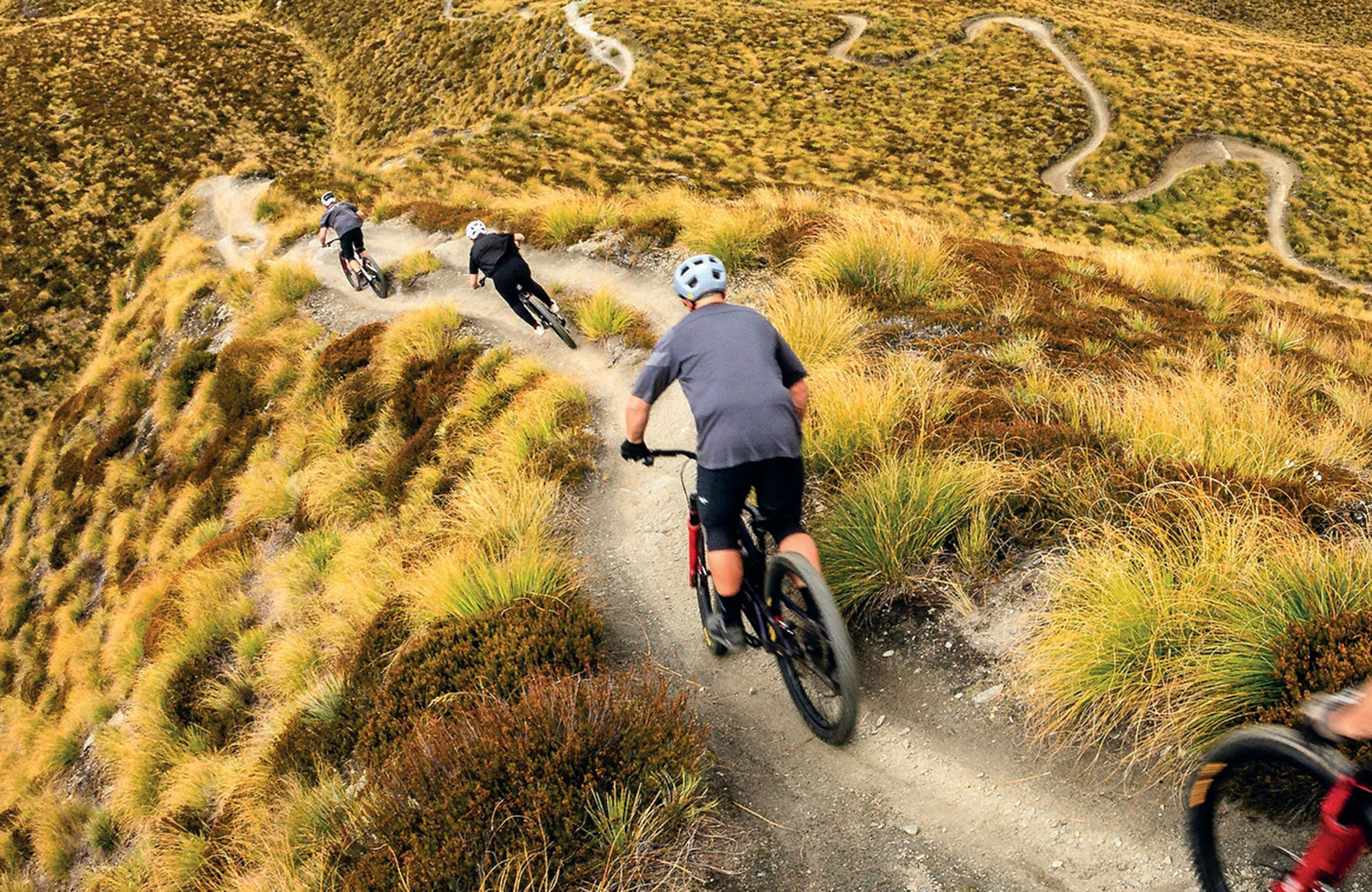
It’s pretty cool to see how much it’s grown. They started from nothing, maybe six or seven years ago? And now it’s really taken off. Right now, not many people are traveling, with the world, economy and everything, it’s tough. But hopefully we’ll start to see more people coming through, more pros visiting, and more events happening. It’s been awesome to be part of it. There weren’t many bikes coming through town before, but now they’re stopping, hanging around, and people are really frothing for more. That’s really cool to see. I think we really need to push for it to grow even more. If we can get a few more trails and properly put it on the map as a mountain bike destination, it could be huge. They’ve got a camp and everything you need. It’s such a good place for a weekend ride. Hopefully, we see more of that in the future.
Cheers for your time, Oli, and best of luck for the 2026 season. We’ll all be cheering you on!
Ride Camp: SRAM/RockShox
Words Liam Friary
Images Sven Martin & Callum Wood
One of the greatest advantages to being a mountain bike magazine owner and editor is, essentially, getting to do it all. It’s not a ‘real job’, and you get to ride some of the best products, bikes and locations in the world. However, there’s a lot more actual work that goes on behind the scenes. Of course, this isn’t your typical 9-to-5, and I wouldn’t want it to be.
When the call confirmed the rumours that the SRAM/RockShox media camp would be taking place in Queenstown early this year, I cleared my diary, did the chores, asked my wife nicely, and packed my bags. It’s not often we get a global bike media camp on our side of the world, and for the most part there’s been a lot less of them since the pandemic – often, they’re based in the northern hemisphere and, with budgets tightened in recent times, there’s frankly less dosh to throw about. I sound like a privileged dick at this point, but I don’t take this position lightly. I’m eternally grateful for all the ride experiences that have come via writing for this publication.
Often in the bike trade there’s not a lot of information passed around when these camps are announced – and that’s for a good reason, as most of these products aren’t going to be out in the wild for months. So, there’s a bit of blind patience when heading in. You know most things will be sorted, but above all else you’ll ride somewhere and probably have a bed, so you just have to have faith. After I departed from Auckland’s sprawl, coffee was served and the short flight from Auckland was a luxury compared to the long-haul flights for most of the other mountain bike editors and SRAM staff, who’d flown in from North America and Europe. I watched the landscape change as we headed south, and before I knew it, tussock mountains were being carefully navigated for the landing. Sheesh, the tourism machine doesn’t stop in Queenstown! I hustled through the crowd of people and waited for my oversized baggage to come out. Outside the airport, I met an editor from German Mountain Bike magazine, Chris Pauls, and we quickly got yarning about bikes, the industry, magazines, and all that. We loaded our gear into the shuttle van, ducked and weaved our way around traffic, and got dropped at a rather fancy house in Queenstown. I immediately noticed the garages were full of bikes, forks, shocks and parts, with a workshop tent out front. The crew greeted us, showed us our rooms, then we started building our bikes.
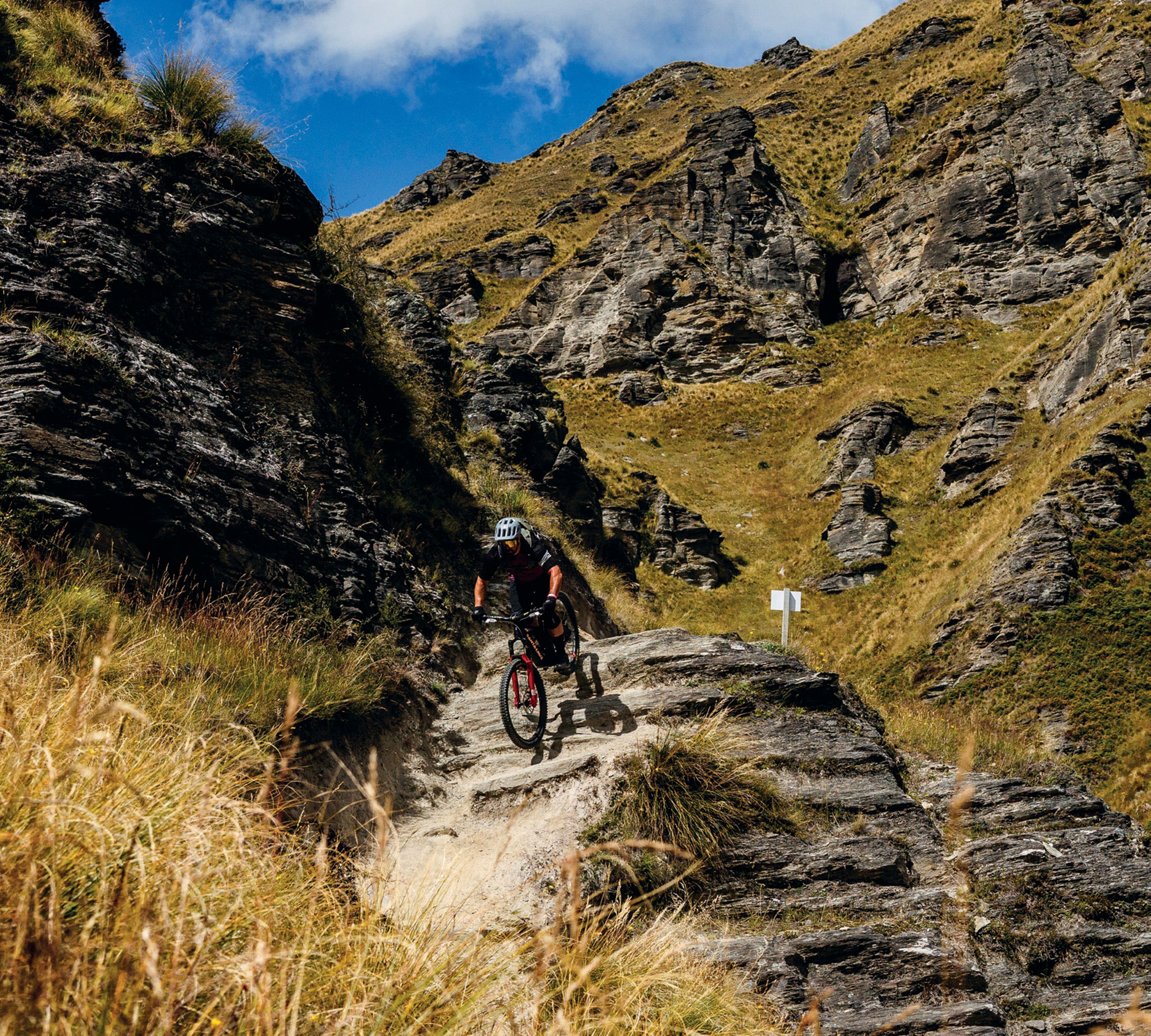
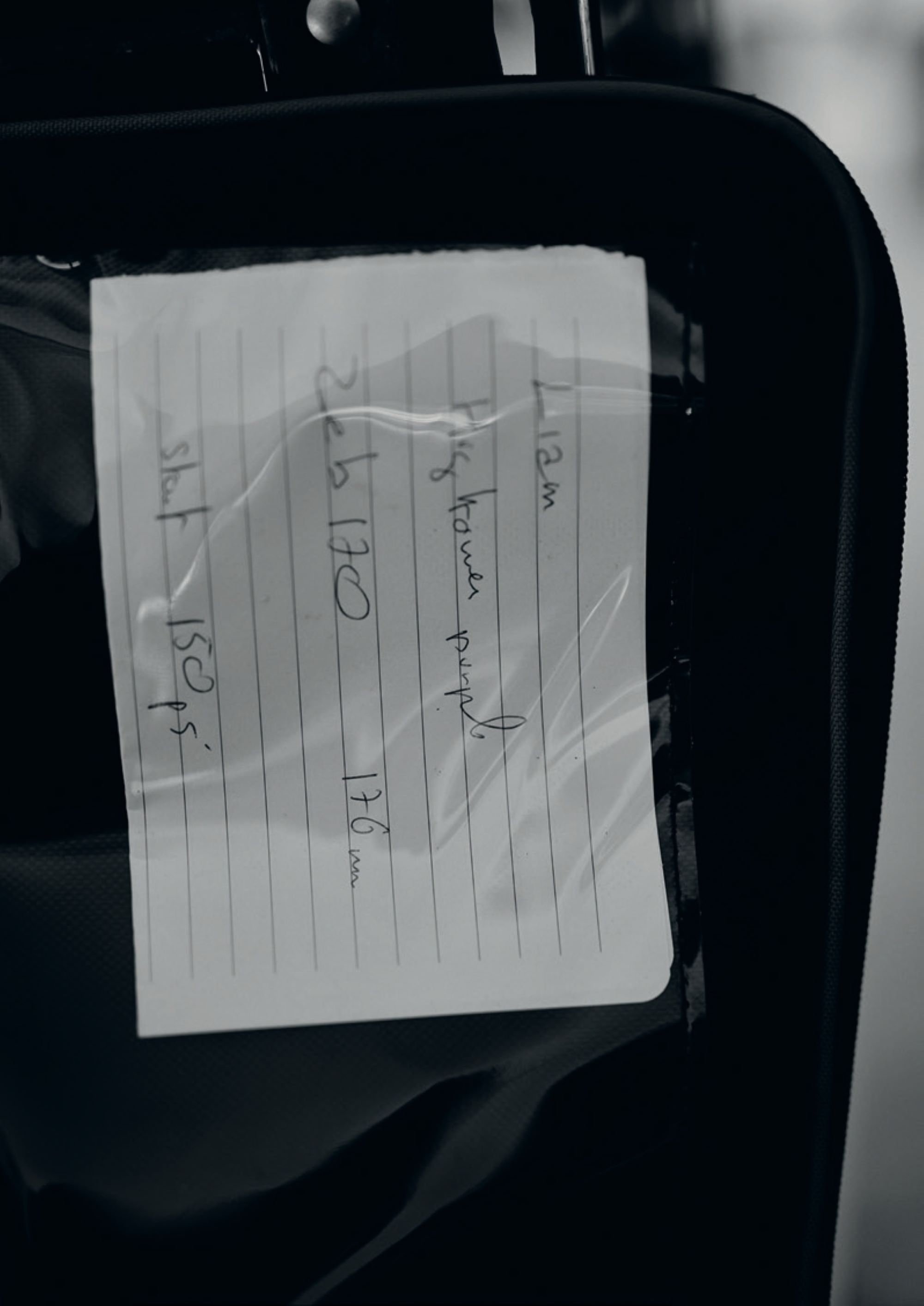
Nine new products. That’s why they needed a full media camp, and that number set the tone for what was ahead. Split across trail and DH, our focus was the trail riding lineup: new RockShox Zeb fork and Vivid shock, SRAM Maven brakes, Ochain, plus updates to the Rockshox Lyrik fork and Super Deluxe shock. We were asked to bring our own trail bikes, running whatever suspension we’d been on, which made for an honest baseline. The first day at Coronet Peak was a warm-up. At the base station, five degrees flashed in red above the chairlift. I jumped out of the van and zipped my jacket up to my chin. The mountains and most of the trails were completely buried in mist as we loaded onto the lift. Cutting laps on our current set-ups, no upgrades, just shaking off the jet lag for the European crew and getting a feel for the terrain. Thankfully the valley floor was warmer, and we could ditch the jackets for tee-shirts as the day went on. The trails did their job. Dirt Serpent, Rude Rock, Morning Glory and Hot Rod top to bottom had everyone frothing, most of them riding New Zealand dirt for the first time. There’s something about watching someone discover a trail they’ve never ridden before. The whoops coming out of the corners said everything. By the arvo, the sun was out in full force, and the endless mountain views made it hard to keep our attention on the trail. The party trains were long, the vibes were high, and back at the residence that evening we ate well, the Remarkables going pink then dark across the valley as we swapped stories about the day. A bloody good start.
The next day, the real work began. Into Queenstown Mountain Bike Park, Skyline Gondola spinning us up lap after lap on the same trails. The plan was straightforward: ride your own bike as is, swap the fork for the new RockShox Zeb, run a-b-a comparisons, then do the same for the rear shock. Clean, controlled, honest. And you need that familiarity, because the second you’re chasing feel on unfamiliar trails, the data falls apart. The old Lyrik was comfortable territory. The new Zeb wasn’t long on there before I was pushing harder than I probably should have. That’s exactly how you find out what a fork is made of, and how I ended up on the deck. A sit-out, head check, and a hand wrap from Flynn George, my SRAM first aid homie, and I was back into it after some food and a bit of downtime. Flynn is also the main person behind the O-Ring; his title is SRAM Product Manager, MTB Drivetrain. SRAM employees are like Swiss army knives, multiple hats always on the go. By the afternoon we were lapping in the dappled light, the Zeb clearly doing its thing, so we flipped the rear shock out for the Vivid Air and did a final lap with the full upgraded setup. The traction was there, the plushness was there, and the fork had that planted stiffness that lets you plough through technical terrain without second-guessing it. Bikes washed, beers served, I sat with it for a moment. The privilege of a day like that doesn’t escape you.
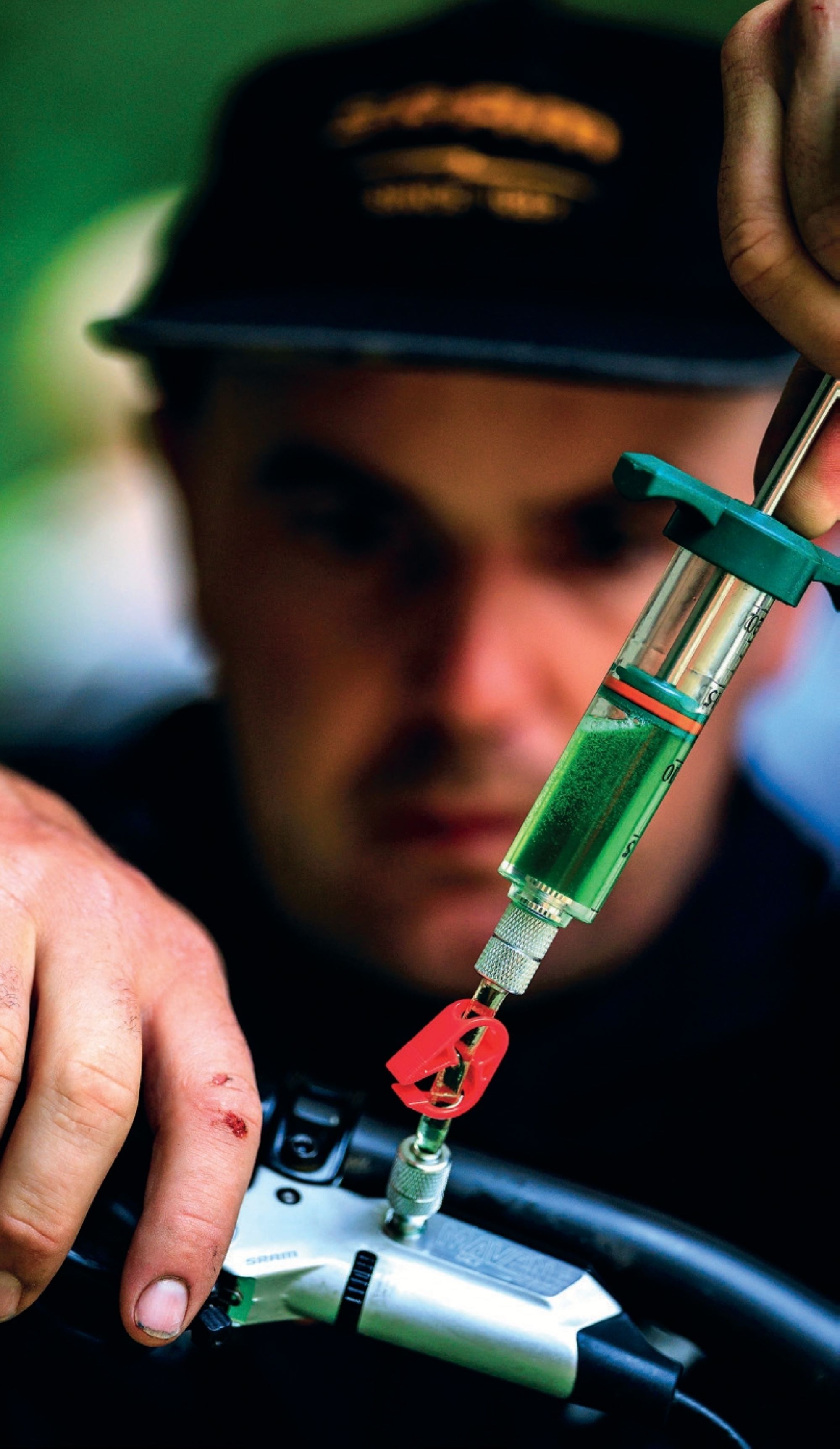
Back to the park the next morning, and something had shifted. The Skyline lifties were quizzing us each lap. They’d clocked the new gear and wanted to know all about it. But what I noticed more was the feeling on trail. The trails were familiar now in the best possible way, that comfortable aggression where you stop thinking and just ride. The small group of editors matched with SRAM staff spread out across the network, picking lines that pushed us, really asking questions of the suspension. The answers kept coming back good. It helped that I spent time riding and hanging with the RockShox Design Engineer, Denys Mayles, who had been making the new rear shocks for the last four years. His knowledge was extensive and is often applied to World Cup Downhill racers and teams, so having him talk about and dial in the tune was next level. Over dinner, I helped him sort out a legit South Island mountain bike road trip itinerary as his wife was flying out in a few days’ time. I think being able to meet the people behind the scenes, riding and hanging with them, is often overlooked in this digital age. In the end we go back to our own little worlds as mates, connected through bikes.
The day after, we crossed to Coronet Peak. Bags dumped at the base, straight into laps. Coronet has its own character. That was also true of Alex Rafferty, SRAM MTB Communications Manager, whose energy didn’t relent once. He was the general in charge of the whole affair and led us all without flustering. Boy, could he shred; without ego, which was true for staff and media on this camp, which was nice. A former cyclist competing in road and mountain biking, Alex is ingrained in the sport and developed an MTB leadership awards programme, a skills coaching company, and enduro events before joining SRAM. Coronet has exposure and flow in the same breath, ridge lines that drop away sharply enough to keep your attention, the kind of riding that reminds you why this corner of the South Island is something else. By afternoon, the crew had loosened into something more than a media group. People were calling lines for each other, waiting at trail junctions, riding like they’d known each other longer than a few days. The legs were heavy by the time we rolled back into town. Nobody mentioned an early night. In fact, Alex led us astray – well past midnight.
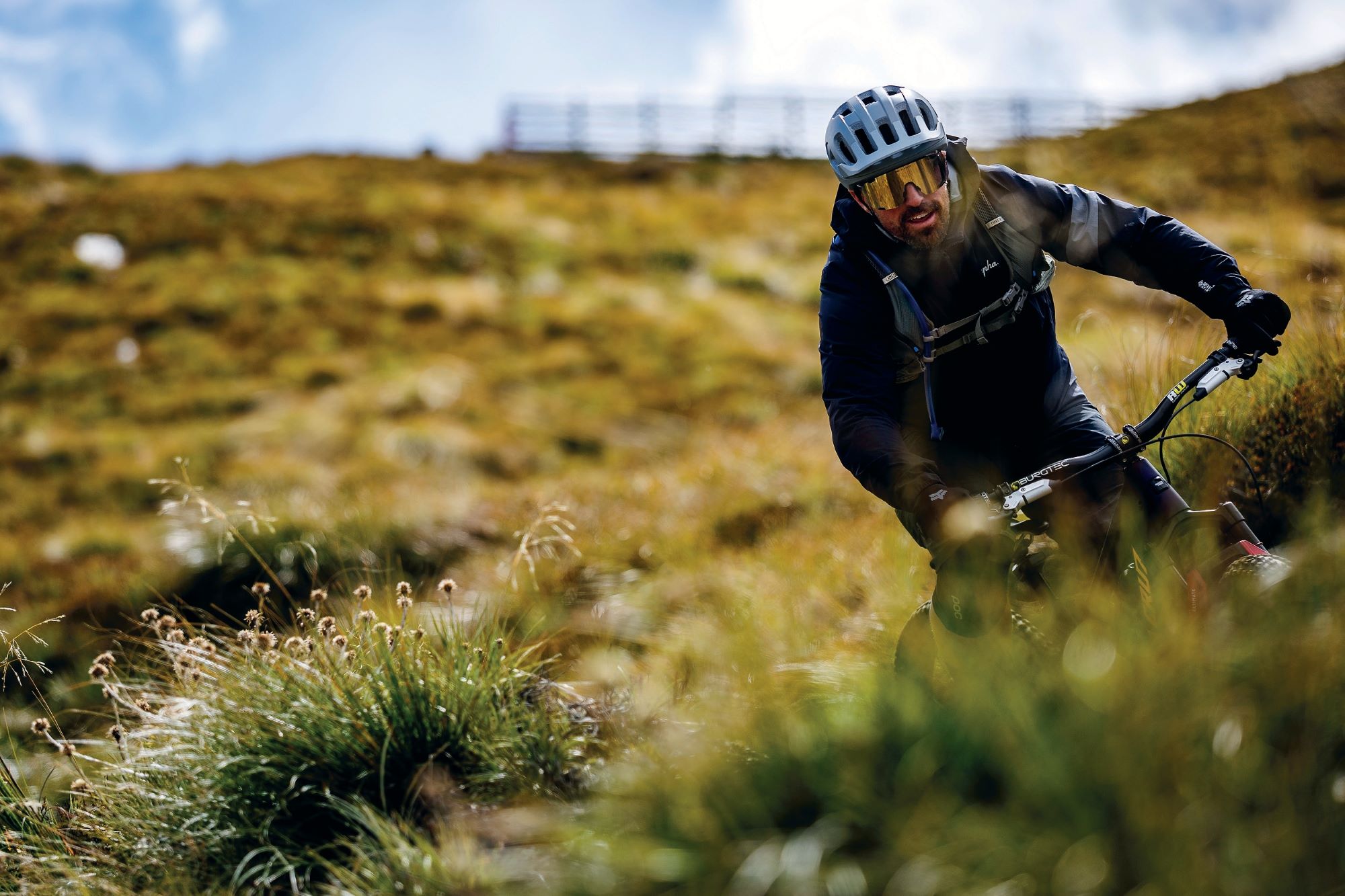
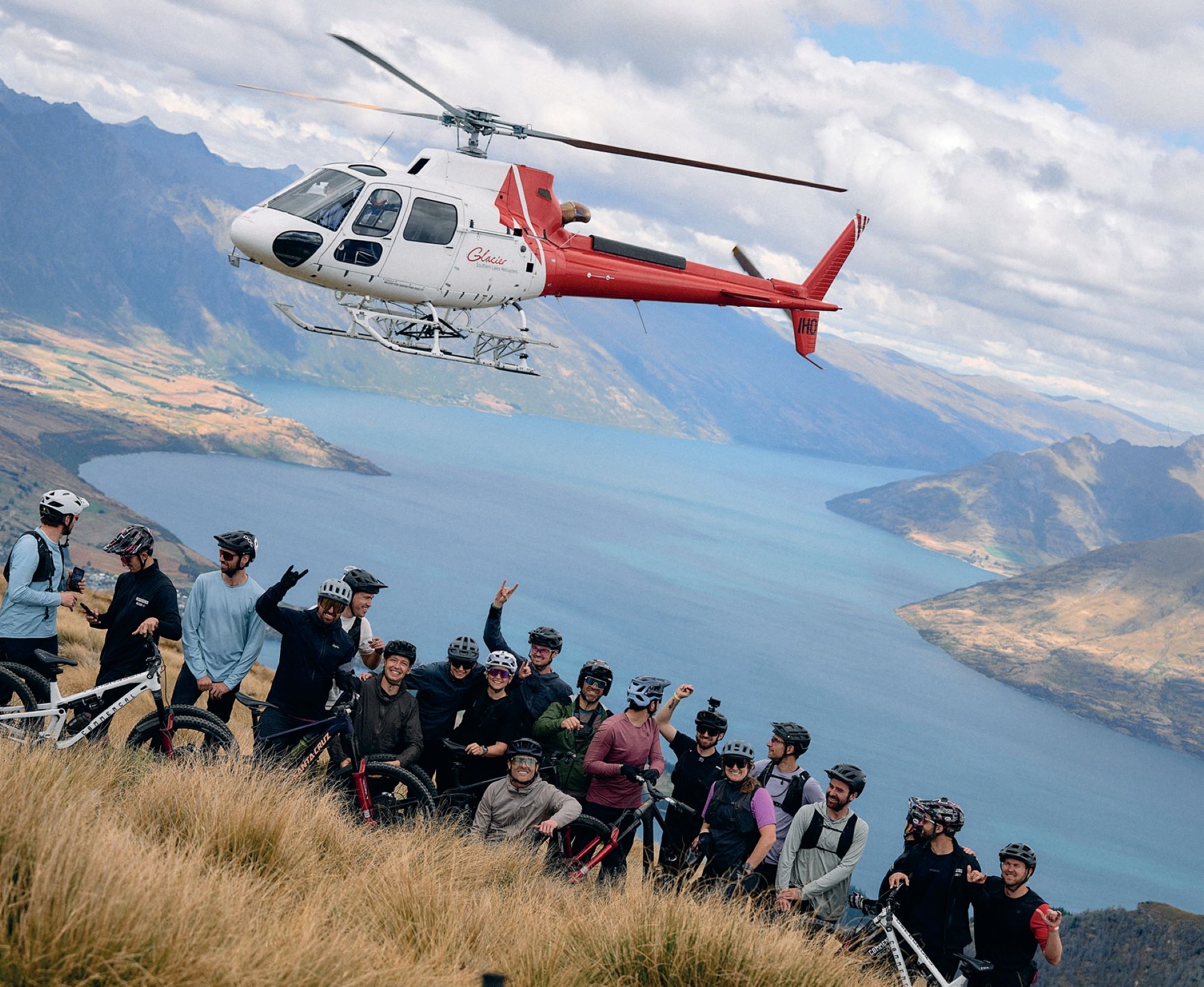
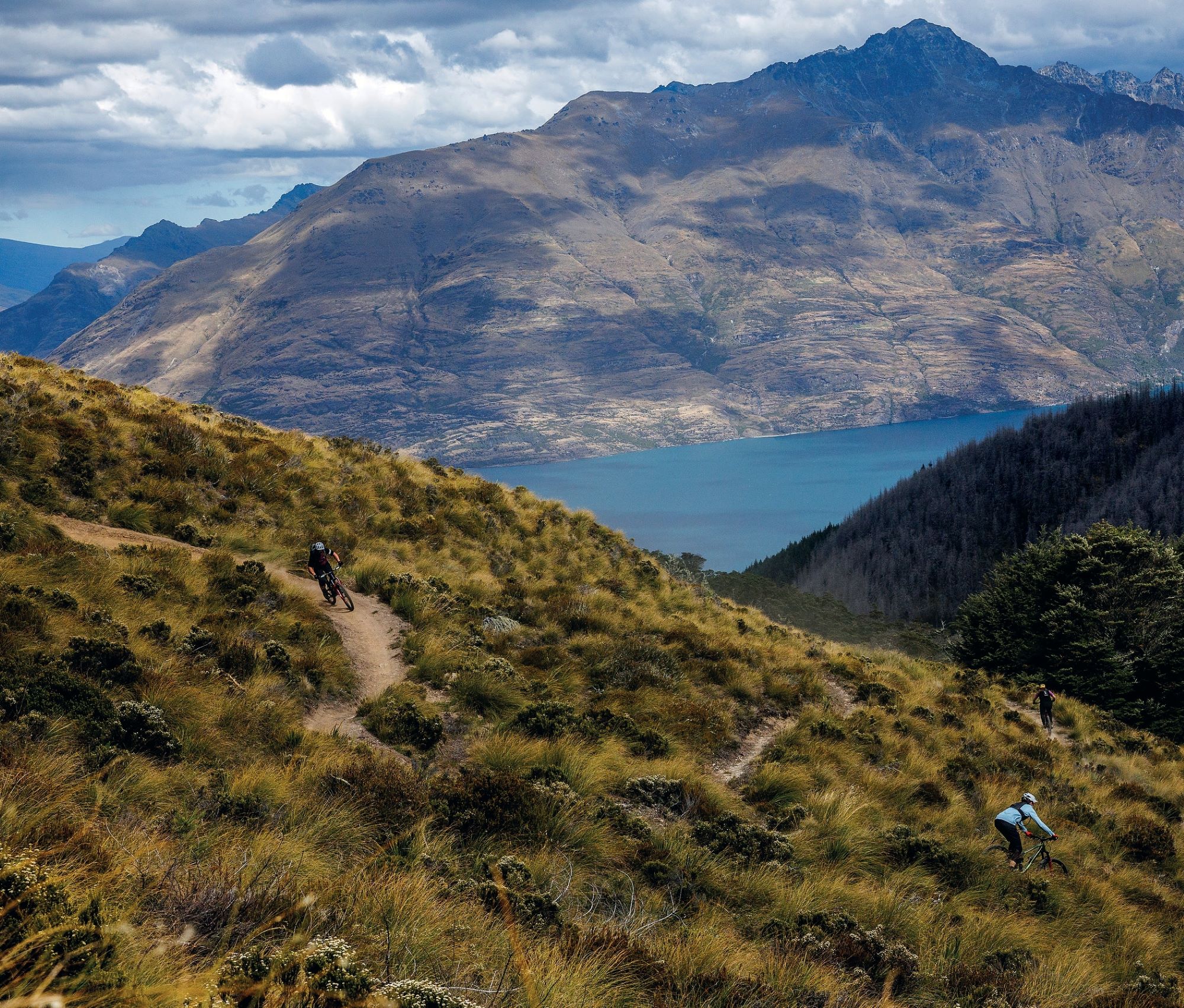
The next day dawned; I drew the curtains and felt a touch dusty but was thankful for the late night burger I’d scoffed before bed. The final day was something else entirely. We shuttled to the top of Coronet, with the Remarkables standing proudly in the early sun across the valley. From the chairlift at the top of Coronet, we dropped into Dirt Serpent, then Rude Rock, and finally into Pack, Track and Sack, which threaded our way down into the raw, exposed terrain of Skippers Canyon. The group was having fun as we pulled up at each junction to ensure riders didn’t get lost. In the valley, the midday heat was out in full force as we waited in the tussock field for a helicopter that would take us up to Bowen Peak. Already depleted from the long descent and the week’s riding, we yarned away while we waited for our lift to arrive. Wow, what a spectacular flight up to Bowen Peak! As we twisted in, out and above the mountains, the view was expansive; and as we got dropped on the peak, Lake Wakatipu was glistening in all its glory, shrouded by tall mountains. There, the real adventure began, lacing together epic singletrack descent into Ben Lomond’s Missing Link in one big alpine chunk, which was loose, committing, and relentlessly steep in sections. It demanded everything the suspension and brakes had given us all week and then some. Stitching all these trails together was all-time and with each one you grew in confidence. My only gripe was a sore hand from my earlier crash but that was all my own fault. We traversed, then started pedalling across to the Fernhill Loop, buried in the lush eech forest, before dropping into BluGazi as the final descent into Queenstown. It was a 2,400-metre descent that none of us will forget quickly. We rolled into Atlas still dusty, still buzzing, and thoroughly earned every beer that followed. Some weeks of work are harder to leave behind than others.
Of course, the camp was for all the new products, and that’s why we were there. But, for me, whilst the riding was great and perhaps one of my best weeks, it was more about the people I met on the camp. All of us editors, journalists, YouTubers and others work from our little corners, basements, offices, and try to ride as much as possible, but we don’t tend to interact with one another much. We all have a huge passion for bikes and media, so it’s nice to spend time and learn from one another, as most of the ups and downs we face are somewhat similar. The SRAM/ RockShox staff and product managers were all a pleasure to hang with, and their utmost passion for riding bikes shone through in every aspect. It wasn’t just the marketing managers spouting off about the new product; it was the people that had spent years in research and development bringing these products to market. They knew them inside out and had lived and breathed the product cycle for eons – and, of course, they’re already onto the next product. Watch this space!
Finding Balance
Words Liam Friary
Image Cameron Mackenzie
For me, the act of getting into the outdoors is more about self-preservation than anything else. I do my best to limit the amount of digital media and news I consume – but shit, there are a few things that aren’t in balance at present.
I find the balance can be restored by riding bikes in the outdoors – or anything else that takes me outside, for that matter. Sometimes I’m alone but more often than not I’m with others. Being with other people can help you unravel the mess in your head. I did this recently and found that talking candidly whilst pedalling a push bike is quite satisfying. As they say, “a problem shared is a problem halved”. These bike chats are often far-flung, like some of the places we ride. I’m grateful to those people whose ear I chew off whilst they’re trying to enjoy a mountain bike ride.
This happened recently, down in Rotorua. On the way down, I sent Gaz a message and said I’d be in town for a few days and could ride either that afternoon or the next morning. He immediately responded and said; “tomorrow morning looks good. Or both!” A few exchanges later, the last message read: “Let me know as soon as you get here.” I pulled up at Waipa, threw on my gear, got my bike out and Gaz arrived ready to ride. We started talking immediately and didn’t stop for the two-hour ride nor post-ride beers. I think we both solved the world’s problems, but probably mainly our internal thoughts, during that session. I put my rooftop tent up in the dark, ate a wrap filled with tuna, and turned in happy to not speak again for a moment. The next morning, the same programme followed but we replaced beers with coffee. I pulled away feeling quite cooked from the ride but like a weight had been lifted. The ride exhausted me physically, and the chats helped me clear space mentally. There’s something about doing completing a hard task that allows the mind to be open. Perhaps it’s the uninterrupted space that comes from it or the stimulus when thinking about the line choice in front of you. But whatever it is, I need more of it. The balance often gets out of kilter, but for me it’s about going back to the basics of outdoor pursuits, with mates.
Revel Ritual
Words Max Hides
Images Cameron Mackenzie
RRP $13,099
Distributor Revel Bikes
It’s not too often you get the chance to ride something genuinely unfamiliar; a bike you’ve never seen in the carpark, let alone thrown a leg over. When the call came in to review Revel’s Ritual, a quick Google image search was swiftly replaced with baited clock-watching as the hours until I could finally hit the trails wound down.
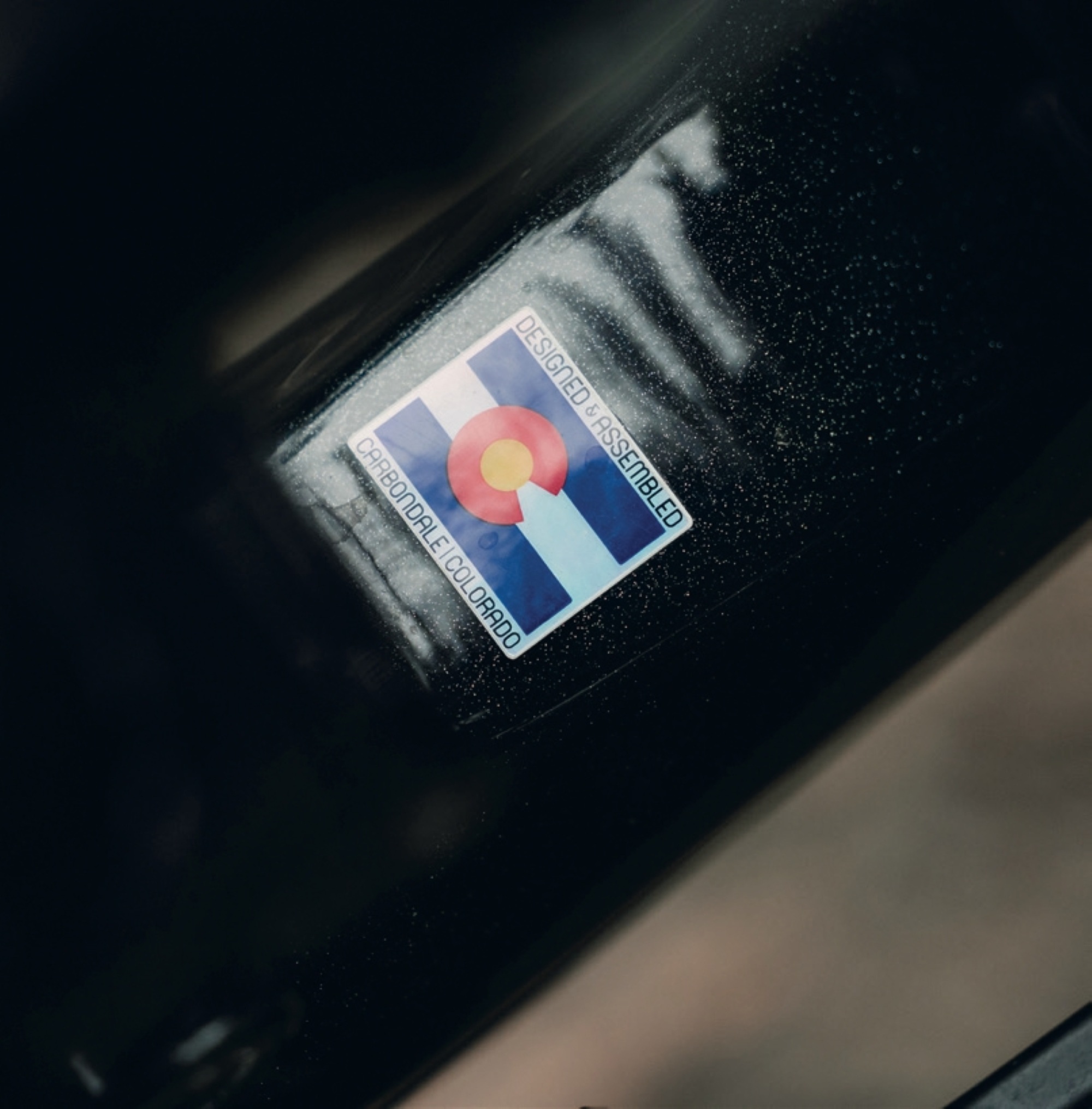
Whilst Revel may not be a name you’ve heard thrown around much in the local scene, that’s all about to change. After a turbulent few years, the Colorado-based brand has reset with purpose, is back under original ownership and is ready to push forward. With a strong line-up of nononsense bikes spanning everything from shorttravel pedallers through to long-travel electricallyassisted options, it won’t be long before we see more of them floating around our local trails.
The Ritual is Revel’s long-travel, enduro-ready brawler. It’s their biggest and most capable machine in the range. Boasting 170mm of travel up front and 165mm in the rear, it immediately screams confidence, and that feeling continues once you’re on trail, especially as the gradient tips down and the track comes to life.
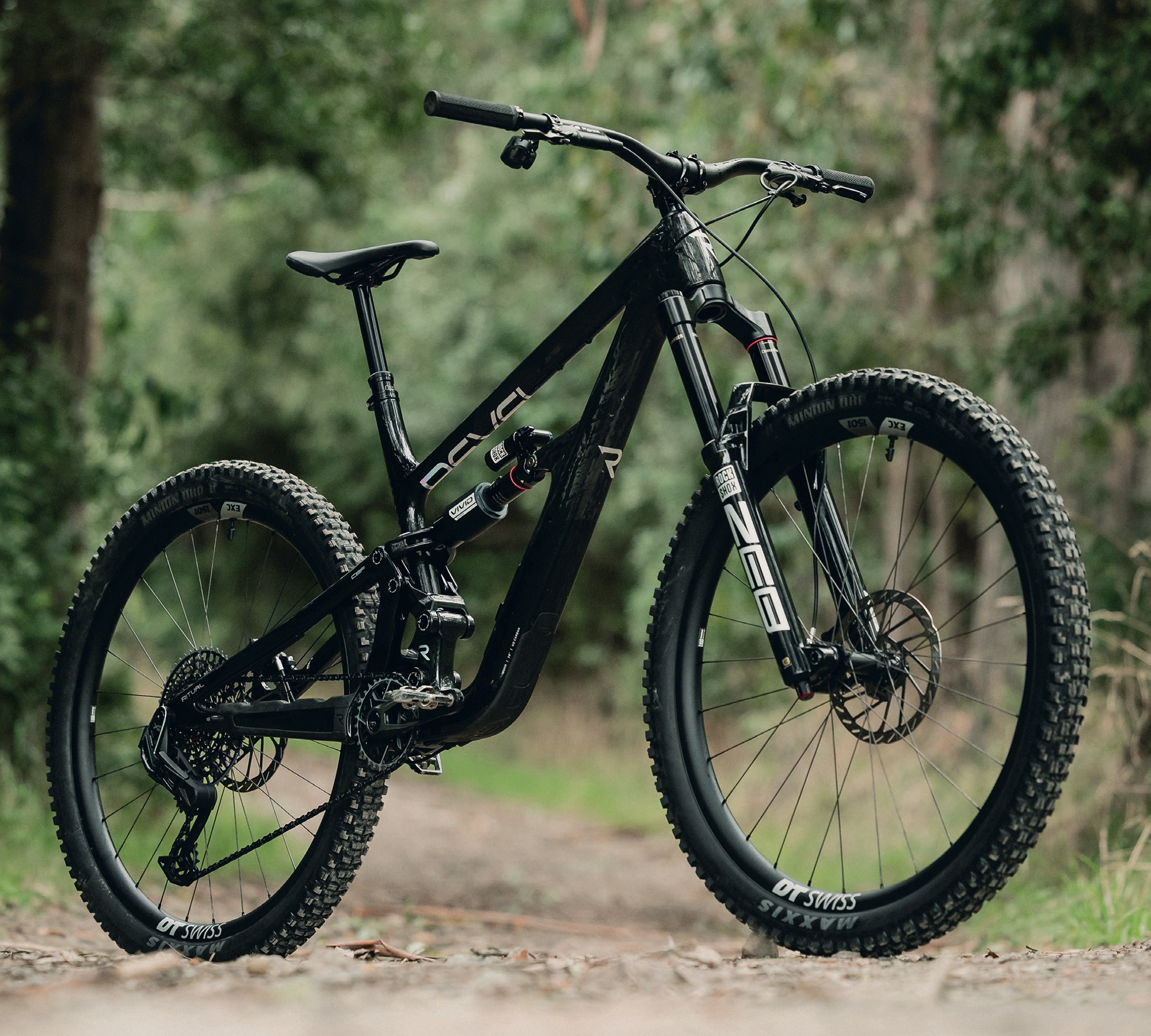
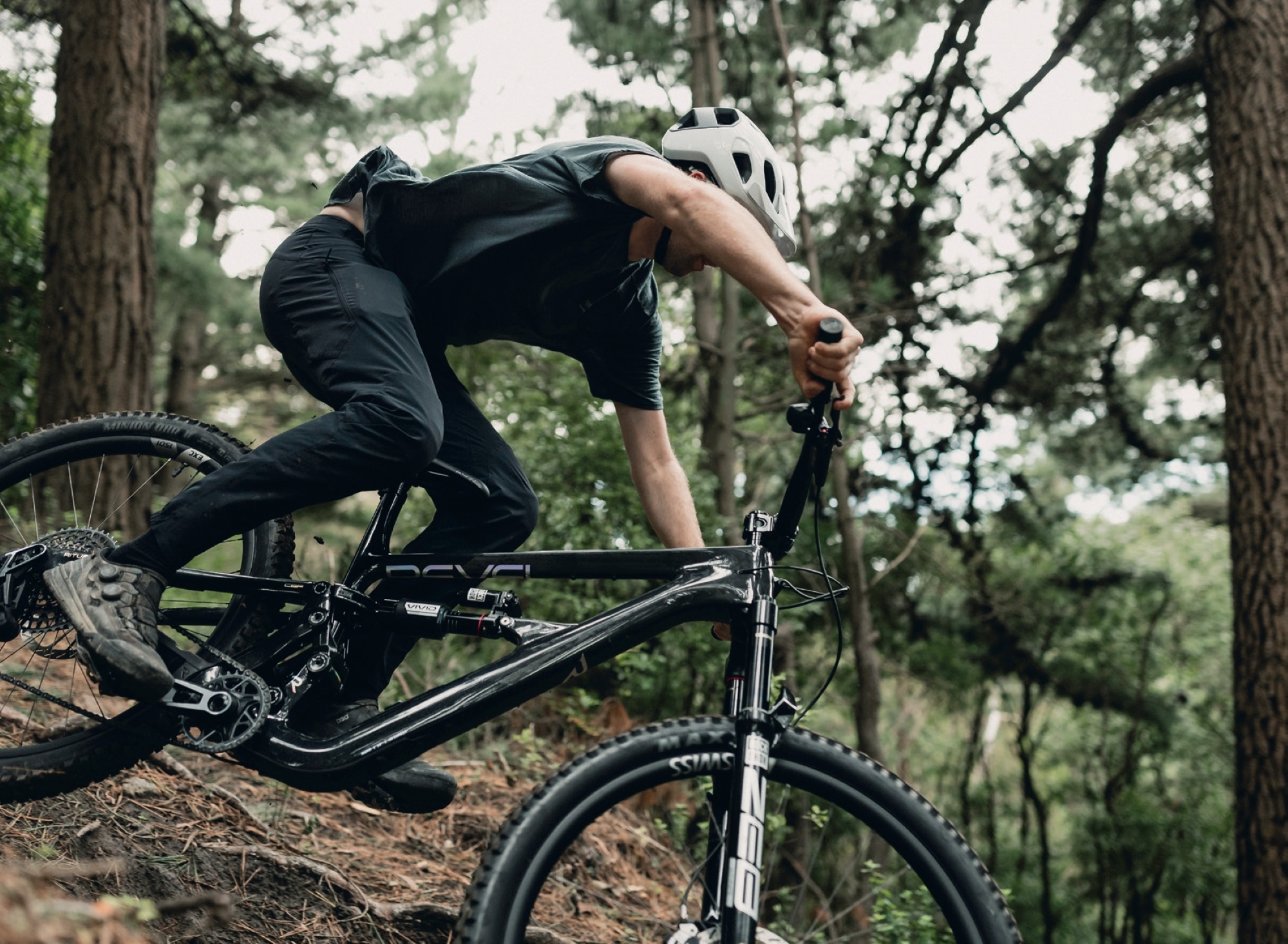
Whilst I try not to judge a book by its cover, it’s hard not to take notice of the Ritual the moment you lay hands on it. The test bike arrived in Revel’s ‘Space X’ colourway, and while it could be dismissed as just another black bike, it’s actually a split-tone metallic black and raw carbon combo that catches the light beautifully, highlighting the quality of the build throughout.
At 183cm, I regularly find myself caught between sizes. I tend to go slightly smaller when in doubt, but I can move an XL around without too much issue. This Ritual was an XL, and whilst it looked imposing standing still, once aboard it fitted my long, lanky build surprisingly well. Worth noting: Revel only offer the Ritual in a full 29” configuration for Large frames and above. Small and Medium frames come as a mullet setup (29” front, 27” rear), and there’s no cross-compatibility between the two – Revel are clear on their website that converting larger frames to mullet will void your warranty.
Geometry & Suspension
Revel haven’t gone crazy with the geometry here, which I think is entirely the right call given the intended use. The numbers on the XL are sensible and well-considered: a 64-degree head angle, 77-degree seat tube angle, 508mm reach, 1298mm wheelbase and 441mm chainstays. On paper it sounds like a big bike, and it is, but it’s a balanced one.
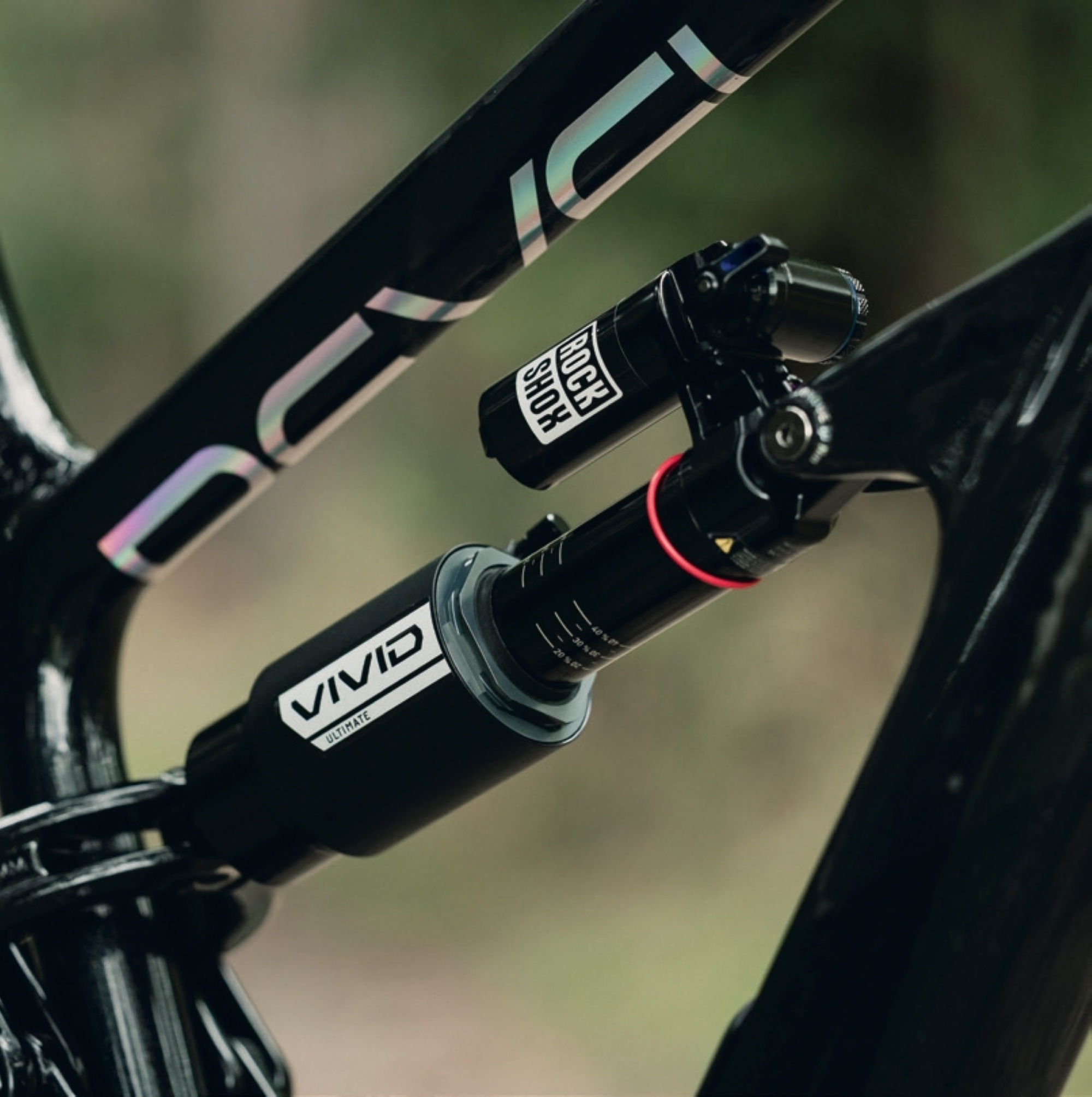
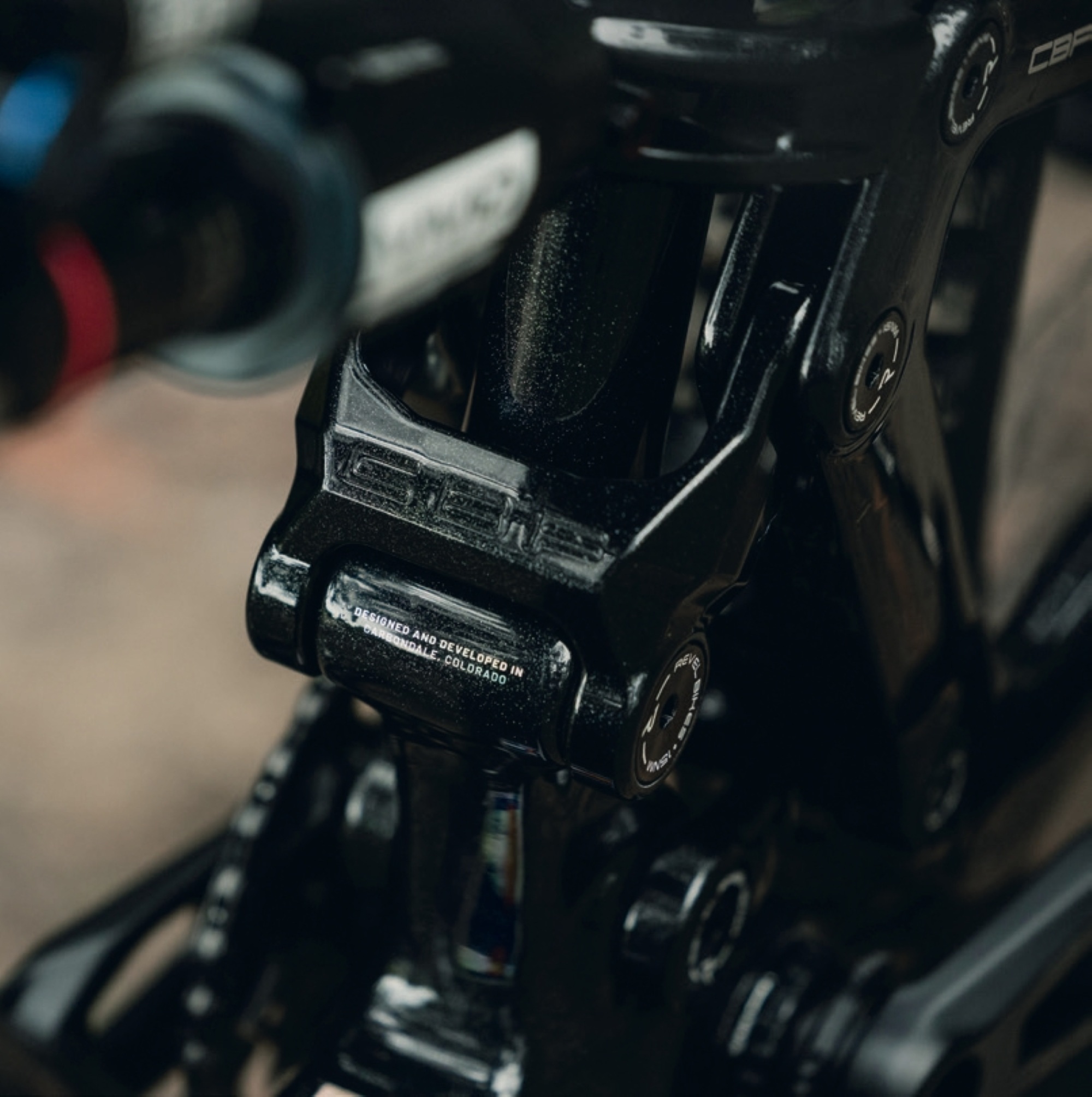
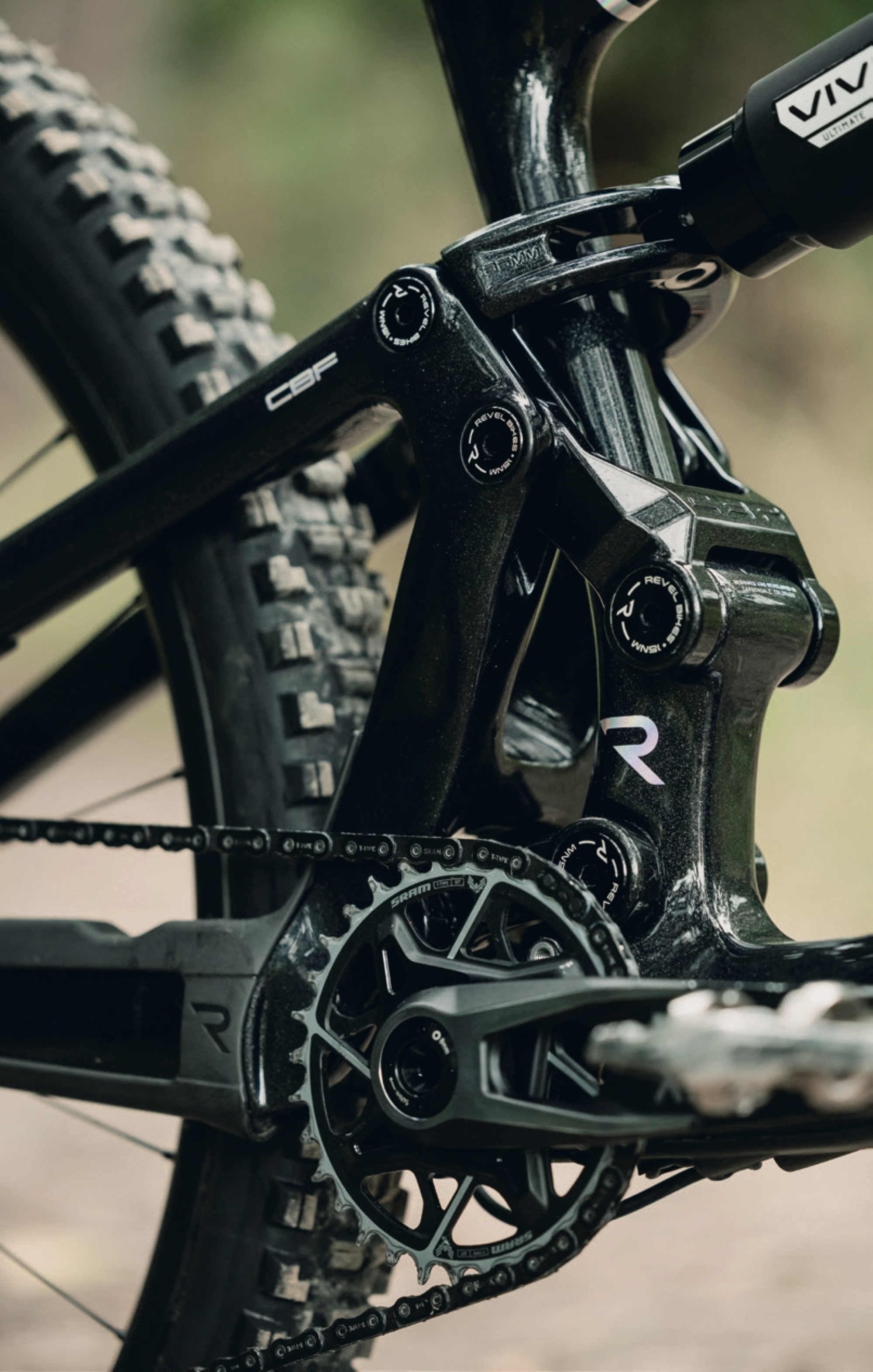
The suspension design centres on a horizontally mounted shock housed in the middle of the frame, part of what Revel call their CBF (Conforming Body Frame) pivot system. Unlocked, it pedals with minimal bob; locked into climb mode, it’s rock solid. It’s no XC bike, but it sure as hell climbs like one. Open the shock back up and blast down something steep, and the bike becomes planted, controlled, and almost eerily stable in the rough. The suspension design is executed so well that even with zero setup dialled in, the first lap down Spudz’s at Victoria Park had nothing coming out of my mouth but laughter.
Frame & Build Quality
The bikes are built with durability firmly in mind, designed to go the distance whether you’re a weekend warrior, a park rat, or an enduro racer. The fully carbon frame is lightweight yet strong, and Revel haven’t cut corners on the pivots. It’s all alloy down there, built burly and stiff with longevity in mind. Given how grim a Christchurch winter can get, the quality bearing protection is a strong play.
Size-specific chainstays across the range means each frame size gets a suspension tune matched to its geometry, so everyone – regardless of size – gets a balanced ride. And, in a nice practical touch, every bike in the range comes with inframe storage, so you can stash a jacket, tools, or a bag of lollies for those longer days out.
The Ritual is also dual-crown compatible for those who are park inclined, with the only caveat being that the axle-to-crown measurement can’t exceed 596mm. Setting this up singlespeed with a dual crown and smashing laps with your mates sounds like an absolutely brilliant time.
Build Kit
The test bike was the second-tier build, not the flagship, but still very well specced. It came kitted out with a RockShox Zeb Ultimate fork and Vivid Ultimate rear shock, SRAM XO Transmission, Maven Silver brakes, DT Swiss carbon wheels, Maxxis tyres, and OneUp/Revel finishing kit. One standout feature across all three complete builds is that every single one comes with the top-of-the-line RockShox Zeb fork and Vivid Air rear shock. So regardless of which build you go for, the suspension is sorted. At $13,175 NZD for the second-tier build, it’s well priced relative to the competition.
For those not sold on the complete builds, Revel also offer the Ritual as a frameset only, including the RockShox Vivid Ultimate rear shock, FSA Orbit headset and seat clamp, so you can build it up exactly how you want. Helpfully, Revel have also left cable ports in the frame for those not ready to commit to electronic shifting. Your old 11-speed XT gathering dust in the garage? It’ll slot right in.
Components
This was my first time back on the full SRAM/ RockShox package since 2020 and whilst we all want to forget that year, I was excited to run the new stuff. The Maven Silver brakes are, without question, the most powerful brakes I’ve ridden; one squeeze and you’re stopped, before you’ve even fully committed to the idea. The trade-off is modulation, which is noticeably lacking. For context, the Code RSC’s I ran back in 2017 had some of the best brake feel I’ve experienced; the Mavens are a step back in that regard. SRAM have since released a lever upgrade kit to address this, which is worth looking into if you’re after more nuance.
The XO Transmission groupset is, as the name suggests, like having AI in your drivetrain: exceptional when it’s working, frustrating when it isn’t. I had a few teething issues early on but once resolved, the shifting was seamless. Personally, I’d spec the Eagle 90 option – Revel offer this as an alternative build configuration on their website, and if I were buying, that’s the route I’d take.
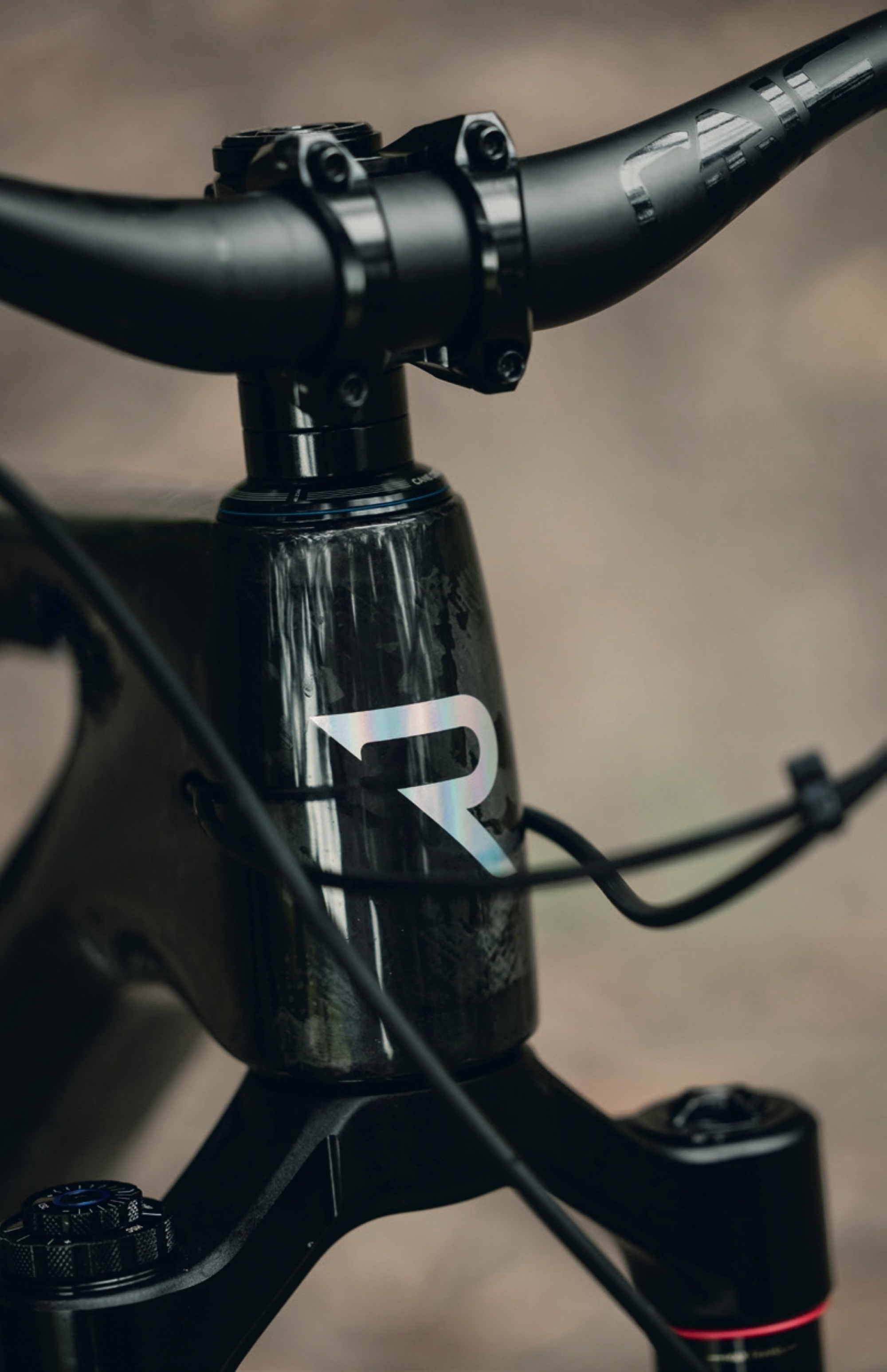
I’ll always have a soft spot for DT Swiss wheels, and the XMC 1501 carbon wheelset doesn’t disappoint. Stiff but compliant, laced to a pair of 240EXP hubs, smooth, reliable, and they sound great. Paired with a Maxxis Minion DHF and DHR II in EXO+ casing, it’s a confidence-inspiring combo when things get loose and loamy. Revel’s in-house grips and stem, paired with a OneUp alloy bar, give a solid feel at the contact points. For a tall rider, the specced 240mm OneUp dropper post is a welcome touch – getting the seat well out of the way on descents makes a real difference.
The Ride
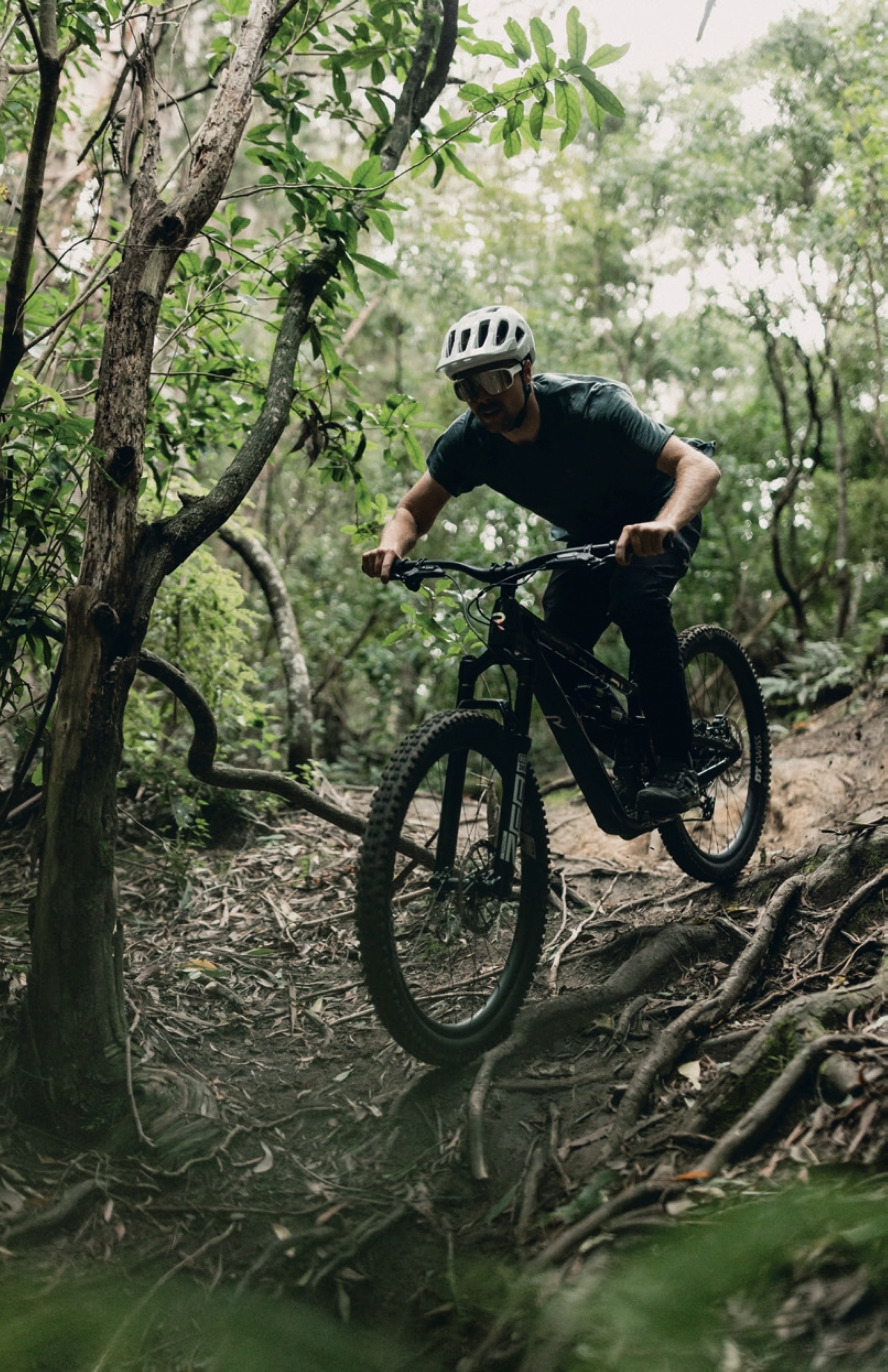
The Ritual rides at one speed, and that speed is flat out. It wants you to pin it, hit everything with conviction, and trust the bike to sort itself out underneath you. Fast and loose, but never out of control or, rather, being just on the edge of control while everything still feels weirdly perfect.
Living in Christchurch, we’re spoilt for good terrain. Christchurch Adventure Park, Victoria Park, Craigieburn, we’ve got a heap of options. On the trails I know best, the Ritual felt right at home from the first ride. The steep, tight, fast lines around town that can punish a bike with too long a wheelbase just felt smooth and composed. The weight, too, was a surprise, for an XL enduro rig, it’s substantially lighter than my own bike, and that matters over a full day in the hills.
On a few of my regular loops in Christchurch and Craigieburn, I found myself riding up more than I normally would, the geometry places you in a great climbing position, and the CBF suspension design keeps pedalling efficient without feeling dead. Lock out the shock on longer fire road climbs and it pedals away. The inner grom in me got well and truly awakened on the descents, jumping everything, taking high lines, riding faster than I have in years without once feeling like the bike was going to spit me off.
My only real gripes with the package are minor. The stock grips are a bit rough and on the thin side. Only being able to fit a small drink bottle is a real consideration – if I’m spending a full day out pedalling, I’m going to be a thirsty human. The bars are a touch wide stock, but that’s a two-minute fix. If I were buying this for myself, I’d size down to the Large, opt for the Eagle 90 build, and spec up to DT Swiss carbon wheels.
Final Thoughts
My main takeaway from time on the Ritual is that it has opened my mind to what a modern enduro bike is capable of. For a long time, I’ve held the view that 140/120mm is all you need around Canterbury, and that a lot of it is in the bike’s geometry. Boy, was I wrong. The Ritual has proven that big travel can equal big fun, when it’s packaged in something this efficient, this light, and this capable across varied terrain.
Whilst the drivetrain gave me a few headaches along the way, I could absolutely see the Ritual earning a permanent spot in my fleet. A bike that can comfortably handle all-day epics, satisfy long-suppressed enduro ambitions, and still climb as well as many short-travel bikes I’ve loved? That’s a compelling offer. It’s the perfect N+1 for the confused bike-a-holic. When you’re next in the market for an enduro rig, put the Ritual on your radar. I’ll be saving my pennies for a frameset and maybe, just maybe, I’ll come out of enduro retirement to do it justice.
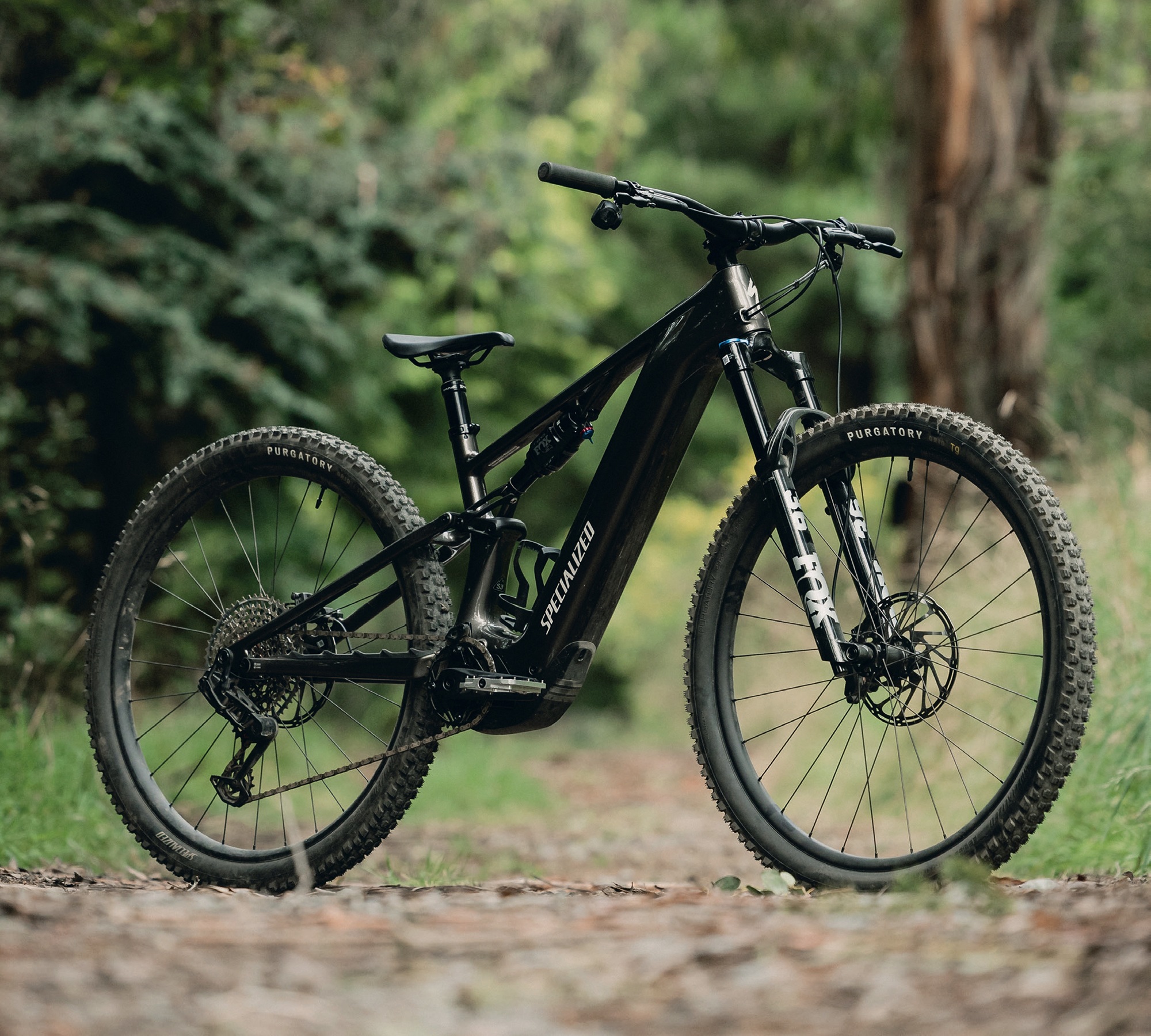
Specialized Turbo Levo R Comp
Words Georgia Petrie
Images Cameron Mackenzie
RRP $13,900
Distributor Specialized NZ
The past few years have been an interesting time in the eBike market. There’s been somewhat of an assumption that those who want full power and big batteries want as much as travel as they can get their hands on.
But what if you don’t fancy the idea of riding bum-clenching terrain every time you get on your bike, however, still want the power and battery capacity to rip ten different intermediate trails after work, or a backcountry weekend mission? A beast like Specialized’s Levo 4 offers all that, but it’s more travel than most people likely need.
Until now, short travel eMTBs have largely fallen into two camps: the SL (Superlight) category; boasting light builds, but often limited by their battery capacity – or the value category; which offers up more range by way of bigger batteries, but often comes with heavier, less refined components.
This gap in the market makes a strong case for a shorter travel eMTB that keeps the benefits of a powerful motor and large battery, while being lighter, nimbler, and more responsive. Why opt for a sporty seven-seater when a hot hatch would meet your needs just as well?
Cue the Specialized Levo R, pairing 130mm of rear travel and a 140mm fork with the same full-power motor and battery system as it’s big brother, the Levo 4. The R stands for ‘Rally’, alluding to the bike’s nimble, playful and agile nature, and its release caught me surprise. This is the type of bike people tend to overlook in favour of more travel because, “why not?”. When in reality, this is exactly the type of bike most people need, and I think it’ll be a huge hit with the majority of riders.
It’s “just right”, hitting the sweet spot of having “just enough” travel to point you down even the most demanding singletrack, and “more than enough” battery and power to tackle anything, from after-work hot laps to backcountry overnighters.
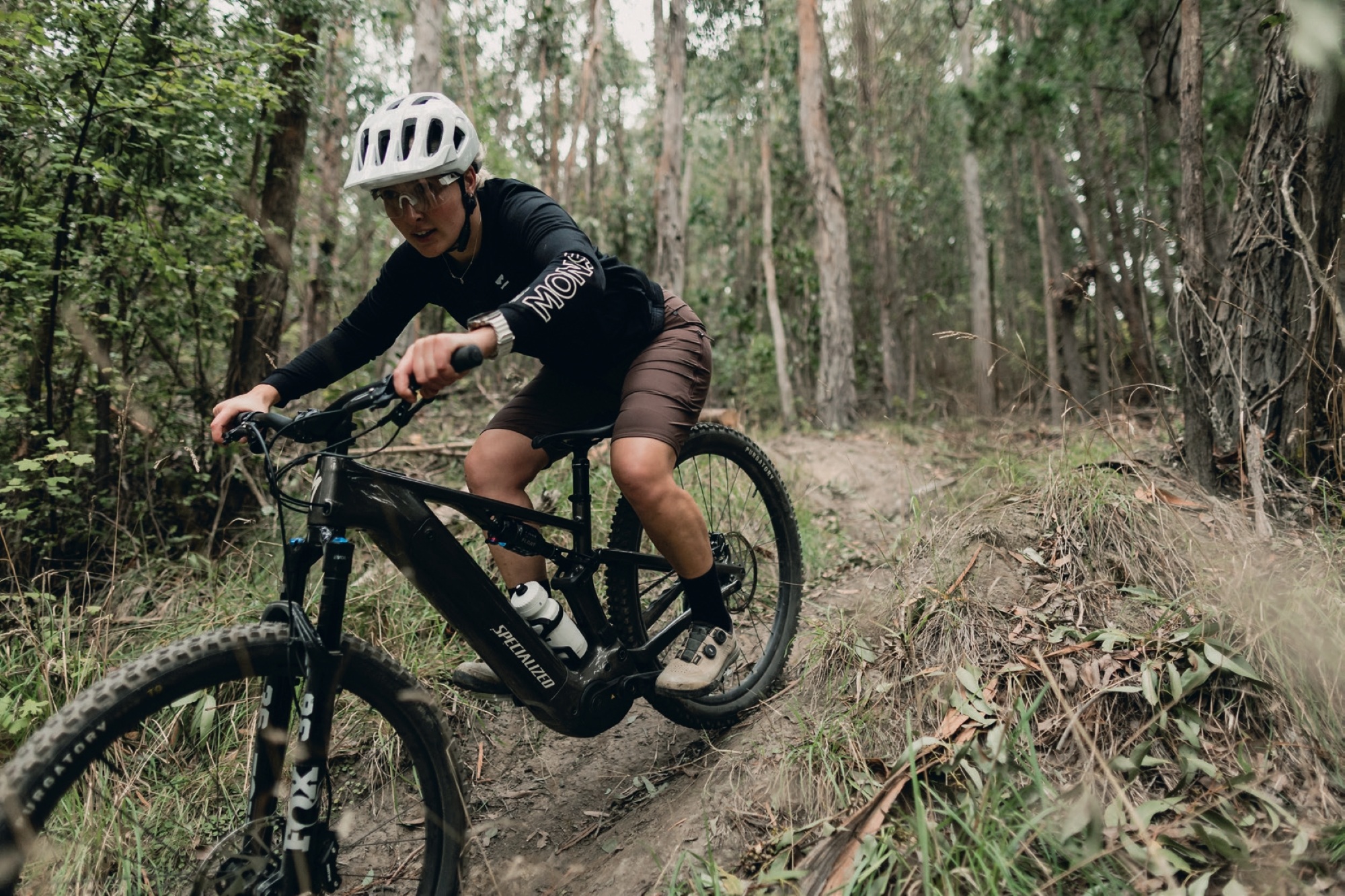
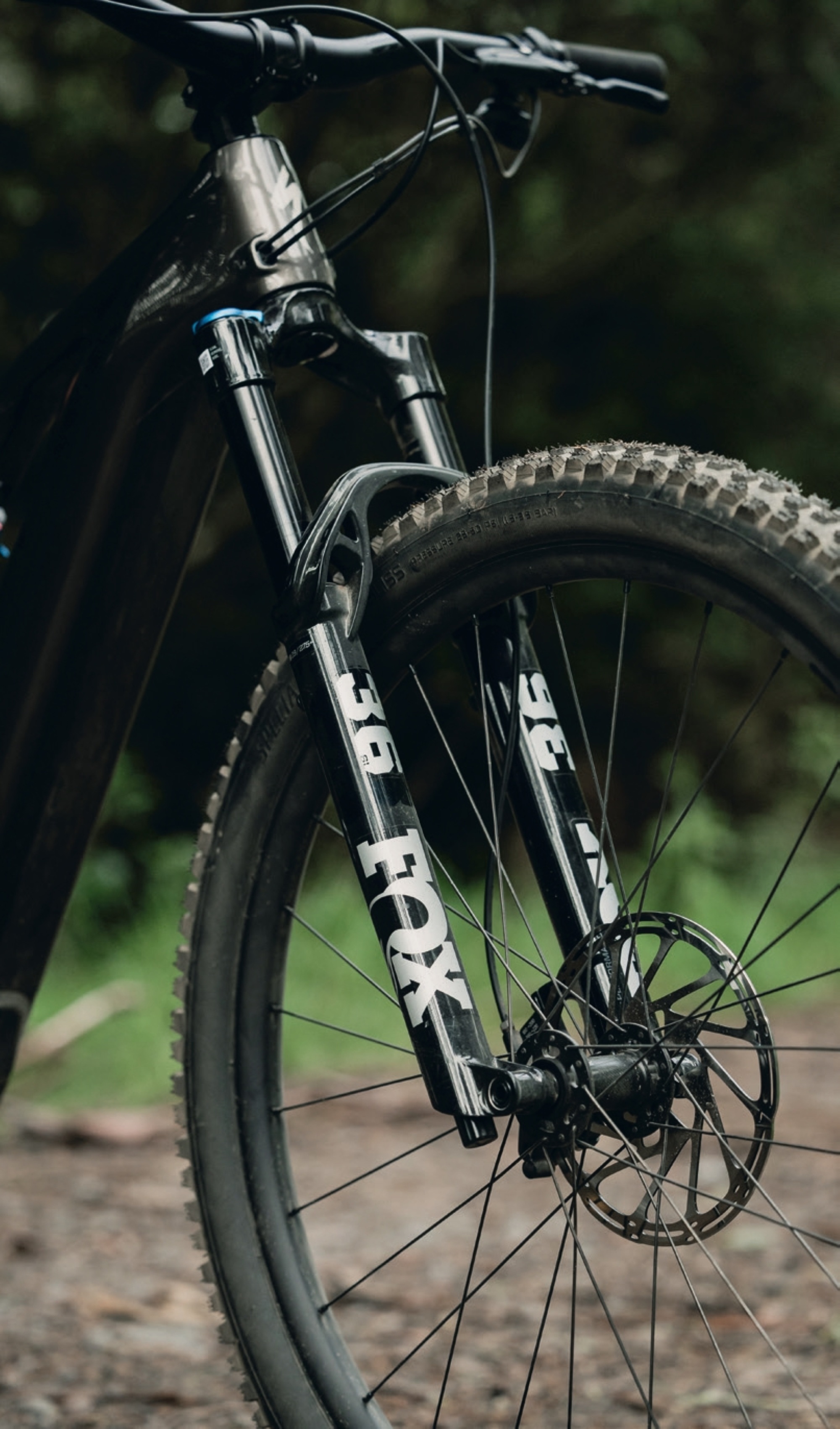
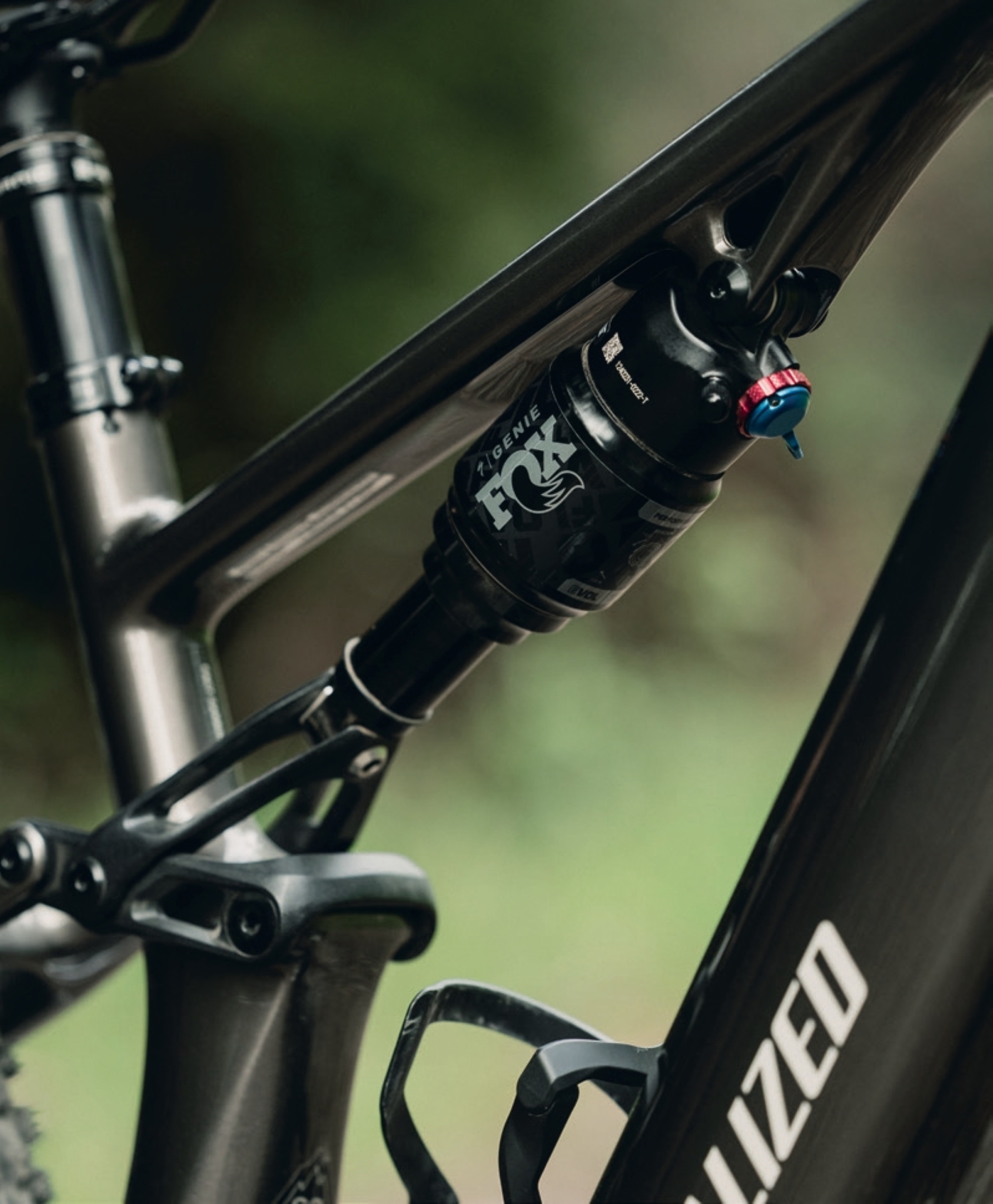
eBike & Frame Features
The Levo R Comp is powered by Specialized’s fresh-to-market 3.1 motor. The release of this motor was highly anticipated, and for good reason: this thing is no joke, thanks to a recent over-the-air firmware update, offering a hefty 105Nm of torque and 850W of peak power. Paired with a whopping 840Wh removable battery, this is a seriously grunty package. There’s a range of different battery configurations on offer too – a smaller, lighter 600Wh battery and a 280Wh range extender, which can be used either alongside a battery or on its own for those days where you still want to get your riding fix, without the weight penalty.
When paired with the 840Wh battery, that’s a massive 1,120Wh total battery capacity. This is a huge amount of grunt that rivals the likes of Bosch’s Perfomance Line CX, sporting 100Nm torque + 750W peak power, and runs very close to Avinox’s M1 system, which sports 120Nm of torque and a peak power output of 1000W. When it comes to weight, the 3.1 motor comes in at 2.9kg, which is a touch heavier than the Performance Line CX at side at 2.9kg and the Avinox at 2.5kg.
After spending some time on a range of different drive units, my initial reaction to the 3.1 drive unit was, well, nothing…! The motor is so quiet, I had to do a double take to make sure it was even working when I set off on an after-work lap. Power delivery is exceptionally smooth, and the ‘jerk’ you often feel when you put the power down on high-torque drive units has been replaced with a much more gradual propulsion which feels far more natural, and commensurate with the feeling of pedalling an acoustic bike, which was a pleasant surprise. It’s quite a different feel to Bosch’s Performance Line CX, which I’ve found to require a little more modulation on behalf of the rider to achieve the same level of gradual power delivery.
Once on the gas, the bike has absolutely no shortage of power, and it’s important to note that in New Zealand this bike has a top speed of 45kph, unlike other full power eMTBs which top out at 32kph. I felt this was a massive benefit to the Levo R, particularly as between its travel and weight combination, it’d make an excellent touring or adventure bike.
Commuting back home, or along the tops of the Port Hills to access more trail was a dream due to the combination of motor power, seemingly endless battery range and fast-rolling chassis. Range anxiety was out of the question with the 840Wh battery, particularly if you’re able to use Eco mode for the majority of the ride.
Similar to its predecessor, the motor has three power modes – Eco, Trail and Turbo. Each mode offers its own limitless scope of customisation, meaning the rider can tune each mode to their preferred ratio of support to peak power. Your preferred mode will depend on the terrain you ride, and the nature of your climbs. For us here in Christchurch, much of our climbing is on either sealed or dirt fire roads, with less emphasis on technical singletrack, so I found that 70% of my ride was spent climbing in Eco, and tended to toggle between Trail and Turbo depending upon how steep of an incline I’d encounter.
Specialized lead the charge when it came to top-tube displays with their previous generation Mastermind TCU, and the new iteration seen on the Levo R builds on that foundation. As expected, the updated MasterMind TCU provides an excellent user experience and is a welcome progression from the previous generation, with the extensive 2.2” high resolution screen offering an extensive range of data display options for riders. These can be fully customised via the Specialized App and toggled between via the handlebar remote, depending upon the key data points you’re wanting to highlight.
If you’re an Apple Watch user like me, the integration is superb – the App is available across both devices and connects with Apple FindMy, Strava and Apple Health seamlessly, which is a cleverly thought-out design feature. The remote itself took a moment to get used to, especially toggling between modes by flicking a switchlike mechanism as opposed to buttons. It took a couple of times accidentally dropping into Eco mode instead of Turbo on a few pinchy climbs to learn which way was up. My only gripe is that the remote is wired, which is a little out-of-theordinary in 2026 relative to competitors, bringing clutter to an otherwise clean wireless cockpit.
Like it’s big brother, the Levo R comes equipped with SWAT downtube storage, which is a feature that only Specialized have managed to incorporate into eMTB frames so far. Having had frame storage on my acoustic bike for the past few years, this is a welcome feature, especially given the bike’s potential to take your rides further afield.
Another special mention goes to the SWAT tool that’s integrated into the frame’s steerer tube. I’m a huge fan of steerer tube mounted tools for quick fix access on the trails and would always install one on my new bikes, so this is a welcome addition and a nice value-add feature. The bike also comes with Specialized’s stock 4amp charging unit which takes around three hours to charge the 840Wh battery to 80%, with the option to purchase a smart charger, charging the battery from zero to 80% in less than 60 minutes.
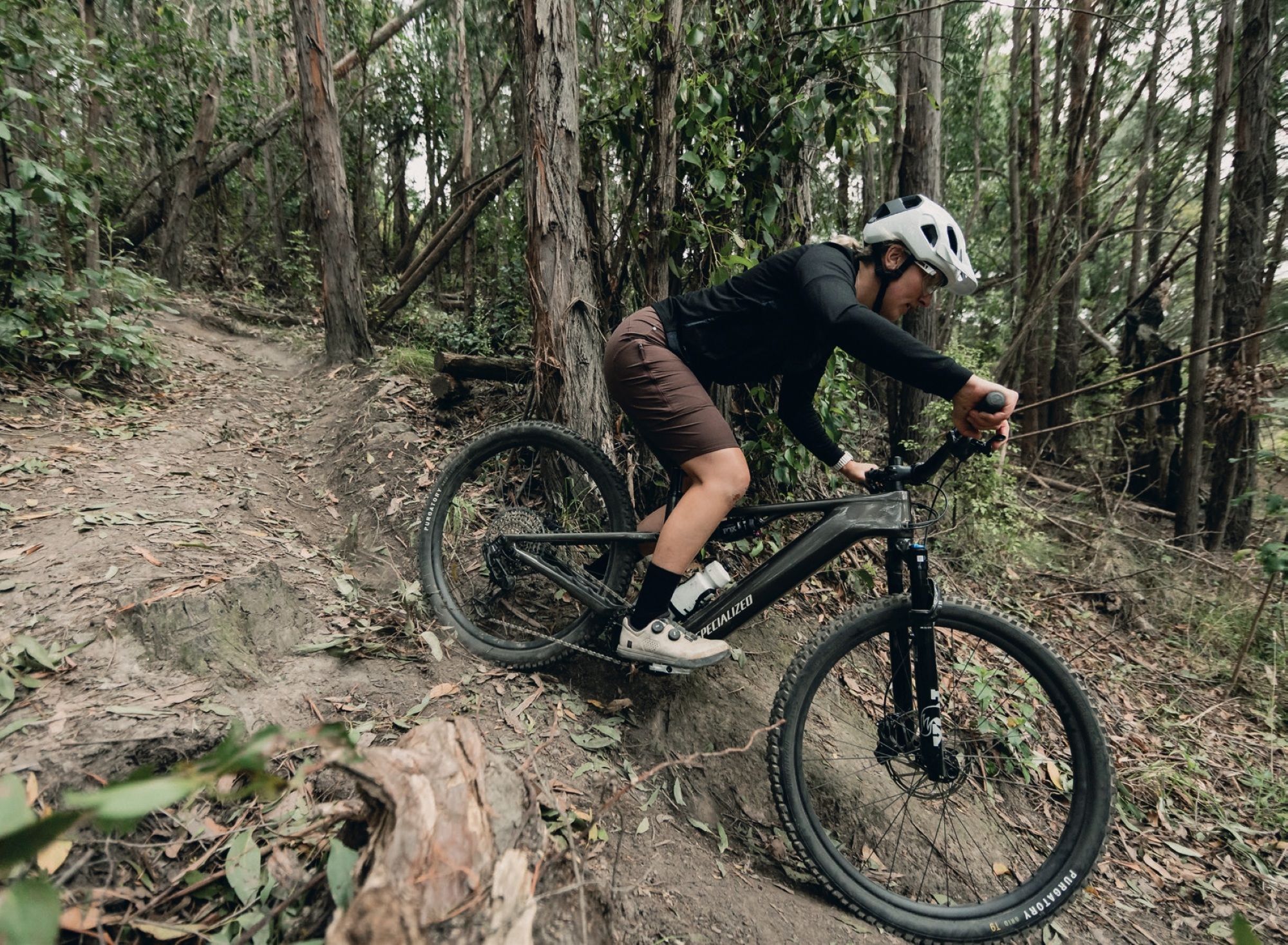
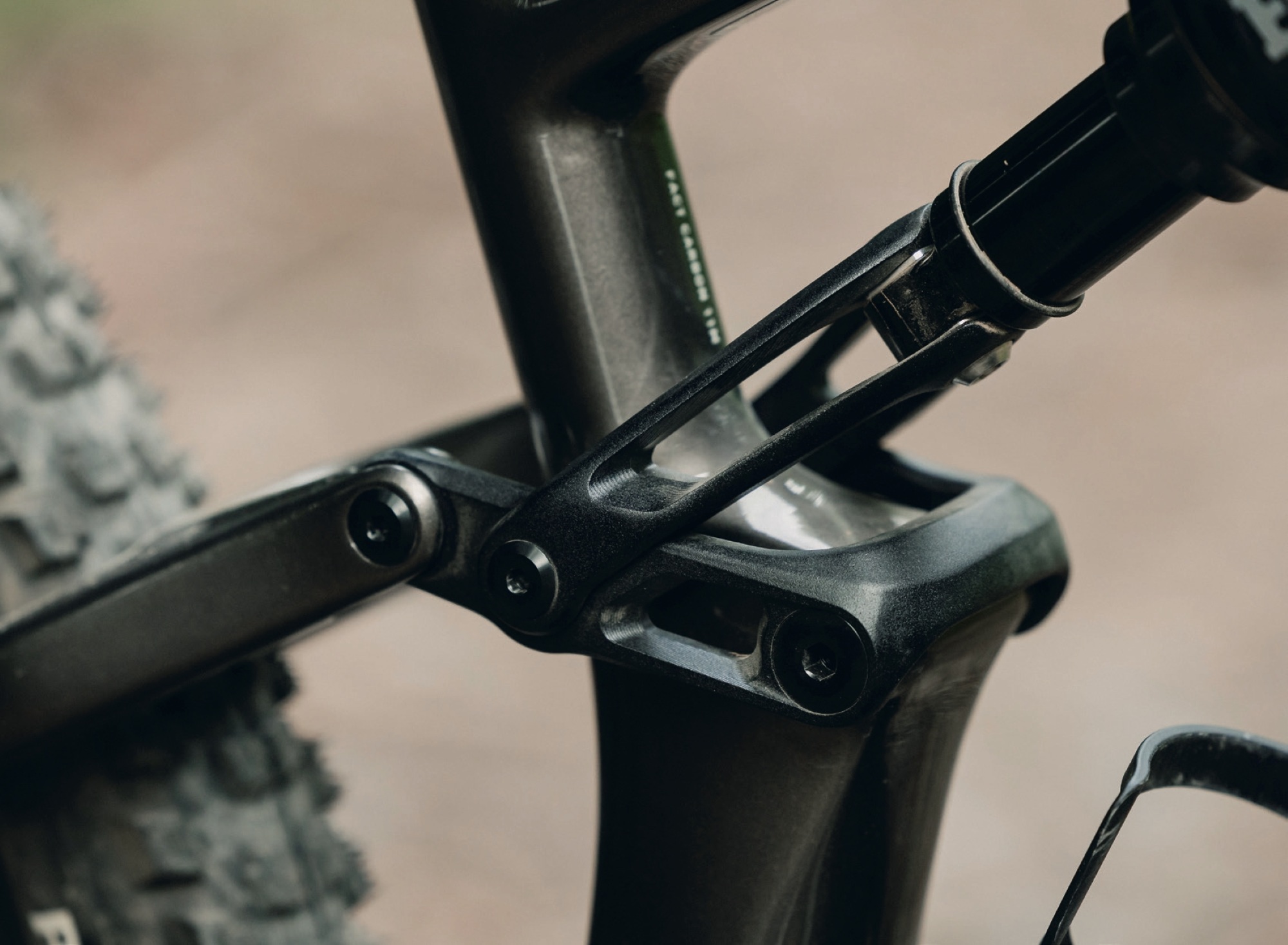
Climbing
Straight away, you can tell that the Levo R’s geometry favors pedalling efficiency; it’s a comfortable climber that took very little in the way of setup to align with my ideal bike fit. The steep seat angle and 29” wheels paired with fast-rolling Purgatory tyres made for excellent forward propulsion, meaning the bike maintained rolling speed well on flatter terrain and kept its speed superbly over punchy, technical ascents. Despite sharing the same drive unit, this is what really sets the Levo R apart from the Levo 4 and positions it quite uniquely in the eMTB market. It’s noticeably snappier on the climbs and feels quicker across the board.
That lively, responsive feel is further enhanced by the Fox Float Genie shock. The Genie’s performance was immediately noticeable, particularly on technical singletrack climbs. The shock remains active over small trail chatter, reacting to bumps like loose rocks, roots and holes, while still firming up enough to preserve efficiency and momentum. The Levo R delivers a level of nimbleness on climbs that longer travel, full-power eMTBs often struggle to match. I couldn’t help but smile as I rolled past riding mates on 170mm, gravity-focused bikes.
I didn’t find myself fighting to keep the front wheel grounded, even navigating the steepest of Christchurch’s pinchiest fire road climbs. The Levo R was my first experience using Fox’s new 36 SL Performance fork, and it remained stout on steep pitches without needing to reach for the lockout functionality. I did hit the limits of the Purgatory tyres on a couple of switchbacks due to the reduced sidewall grip relative to Specialized’s burlier tyre offerings, such as the Butcher or Eliminator. However, given the type of terrain the Levo R will favour, I do feel that I’d ultimately value the superior rolling capability of the Purgatory over increased grip, so this wasn’t a major.
The medley of SRAM’s price-focused GX/ S1000 components performed reliably under load albeit a little “clunky” at times, though that’s to be expected when trying to keep up with such a powerful drive unit. The derailleur is wired into the bike’s battery, alleviating the hassle of remembering to ensure your batteries are charged, although it does mean that should your battery run out of juice, so too will your derailleur, and you’ll inadvertently have yourself a singlespeed for the commute home.
Contact points are of course subjective, but I think I won’t be alone in saying I’d have appreciated a more compliant or in simple terms, soft, saddle. Particularly given the emphasis this may have on climbing, this was up there with one of the harshest out-of-the-box saddles I’ve ever used. I also felt that 800mm width bars was overkill and makes more sense on bikes with a more gravity-oriented focus, like the Levo 4.
On Christchurch Adventure Park’s technical uphill trail, I opted for Trail/Turbo the majority of the climb, with Turbo providing more than ample horsepower for tight, technical switchbacks, delivered in a way that was gradual enough to still retain control and weight over the front wheel.
Range testing is always an interesting one, because this largely depends on a range of factors, namely; rider weight, terrain and preferred ratio of support relative to effort. For me, even after climbing almost 1000m, including a 30-minute climb almost exclusively using Turbo, I still had 70% battery left at the top of the hill.
I often find that the more efficient and intuitive a motor is at delivering power, the less likely you are to require mode toggling and therefore preserve battery draw. Walk mode, which was fiddly to activate on the remote’s prior iteration, has been made significantly easier to access and provides a subtle push when needed, which is a pleasant change to the walk modes you see on other drive units which have a tendency to overdo the power delivery and pull your arms out of their sockets. The motor is also whisper quiet, giving off only the slightest hum even under load.
All-in-all, the Levo R is a superb climber, striking a near perfect balance between comfort and efficiency.
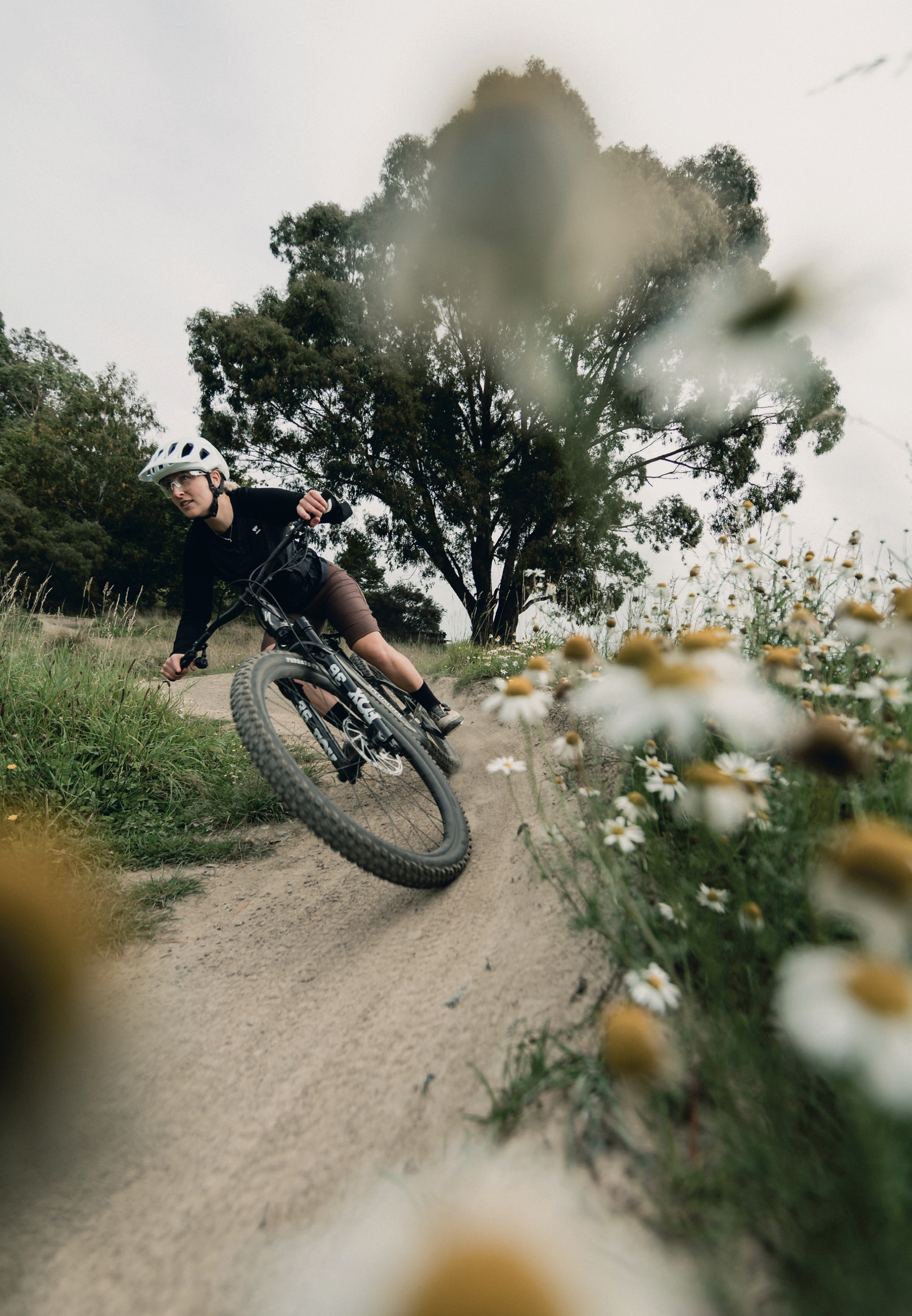
Descending
Before you say “but 140mm of travel isn’t enough for me”, I can assure you the Levo R punches well above its weight. Make no mistake, this is a capable descender that blurs the line between short-travel efficiency and big-bike confidence. Thanks to the fast-rolling tyres, 29” configuration and active suspension platform, the Levo R is quick to pick up speed and maintains it well, particularly on blue flow trails. The bike didn’t get hung up on small bumps or undulations, tracking reliably through chattery terrain and holding its line impressively well, in a way that requires less rider effort relative to longer travel eMTB’s. Make no mistake, this isn’t a burly 170mm travel beast that’s eager to tackle steep, double black trails, but it holds its own on technical blue trails, and I was pleasantly suprised at just how composed, stable and planted it was when my curiosity got the better of me and I gave it a crack descending steeper terrain, above its paygrade.
Thanks to the low bottom bracket coupled with a relatively long wheelbase, your weight is nicely centred at all times, offering a level of stability that far exceeds what you’d expect from a 130mm bike. The head angle is what I’d call “just right” – slack enough to remain pointed at high speed and when the gradient steepens on descents, but without compromised climbing capability – which, in my opinion, is the beauty of the 130mm travel range.
So far, my experience with 140mm travel bikes is limited to those specc’d with a Rockshox Pike or a Fox 34. The 36 SL was a highlight of the Levo R, greatly elevating the descending experience for bikes in this class; and, in particular, for eMTB’s, due to its stiff chassis. The fork made the bike a delight to descend on, remaining composed on rough terrain, under heavy breaking, and stout through braking bumps and those classic Christchurch rocks that really show their teeth in the depths of summer. It does a great job handling the weight of an eMTB and the damper is lively, working hard to offer great sensitivity on small bumps that you wouldn’t usually have on bikes of this travel and weight.
The rear end was equally impressive too. My experience with Genie shocks so far has been on longer travel Specialized bikes, and whilst I’ve been left feeling so-so about its performance in that segment, I think the Genie really shines on the Levo R due to its active nature and high-volume mid stroke. Thanks to its unique two-stage air chamber design, the rear end sits high in the travel and continues to provide support even once you near the end of the stroke, providing ample stability and reactivity.
Whilst I was suitably impressed with the bike’s suspension performance, I did feel these gains were negated at times by certain contact points, especially coupled with the bike’s weight. In theory, I can understand the rationale behind specc’ing SRAM’s Motive Bronze brakes. The Levo R identifies as light weight and nimble, and the Motive is positioned as well suited for a bike of this nature and travel.
In practice, there were multiple occasions where I felt like I was maxing out the brakes and, as a result, I’d start to lose the supple suspension feel as myself and the bike began stiffening up in an attempt to slow the bike down. This is compounded by the fact that the more the gradient points you downhill, the more the bike’s weight makes itself known, tending to propel you forward at a rate of knots, requiring you to drag the brakes in an effort to keep things under some level of control. I can’t help but feel that a bigger brake, such as SRAM’s Maven may have been a more suitable choice for a 22+ kg bike. Again though, given the target market, the Motive will likely be adequate.
Although the Levo R excels on wide-open, flowing trails, when the trail narrows and corners tighten up, the high front end combined with the full 29” wheeled setup can leave you feeling a little detached from the bike. My personal preference would be for an optional mullet configuration to cater for riders who are keen to retain a sense of nimbleness and reactivity when cornering; however, the decision for full 29” is understandable when considering the bike’s emphasis on efficiency, particularly when climbing.
Whilst efficient on the ascents, the long wheelbase can make for cumbersome cornering, and I found myself working hard to steer the bike round tighter switchbacks, particularly when coupled with the effort required to slow the bike down.
The chainstays can be altered using a twoposition flip chip, allowing you to switch the length between 441 mm (short) and 447 mm (long) which helps retain some sense of agility on tighter trails, though these are still almost 10mm longer than the likes of the Stumpjumper 15, which seems a little contradictory considering the Levo R’s “rally” concept.
While touchpoints are certainly subjective, I couldn’t fault Specialized’s bread-and-butter offerings, with 40mm rise bars and 50mm stem providing ample comfort and confidence on the descents. The X-Fusion Manic dropper post performed without issue, and I was pleasantly surprised at how trusting the Purgatory tyres were, particularly in Christchurch’s marbley dust. Lastly, the carbon chassis on our test bike was among the stiffest I’d ridden, which is on-par with many Specialized frames I’ve ridden in the past; however, as expected, it was balanced with comfort, affording compliance on the descents without adding harshness.
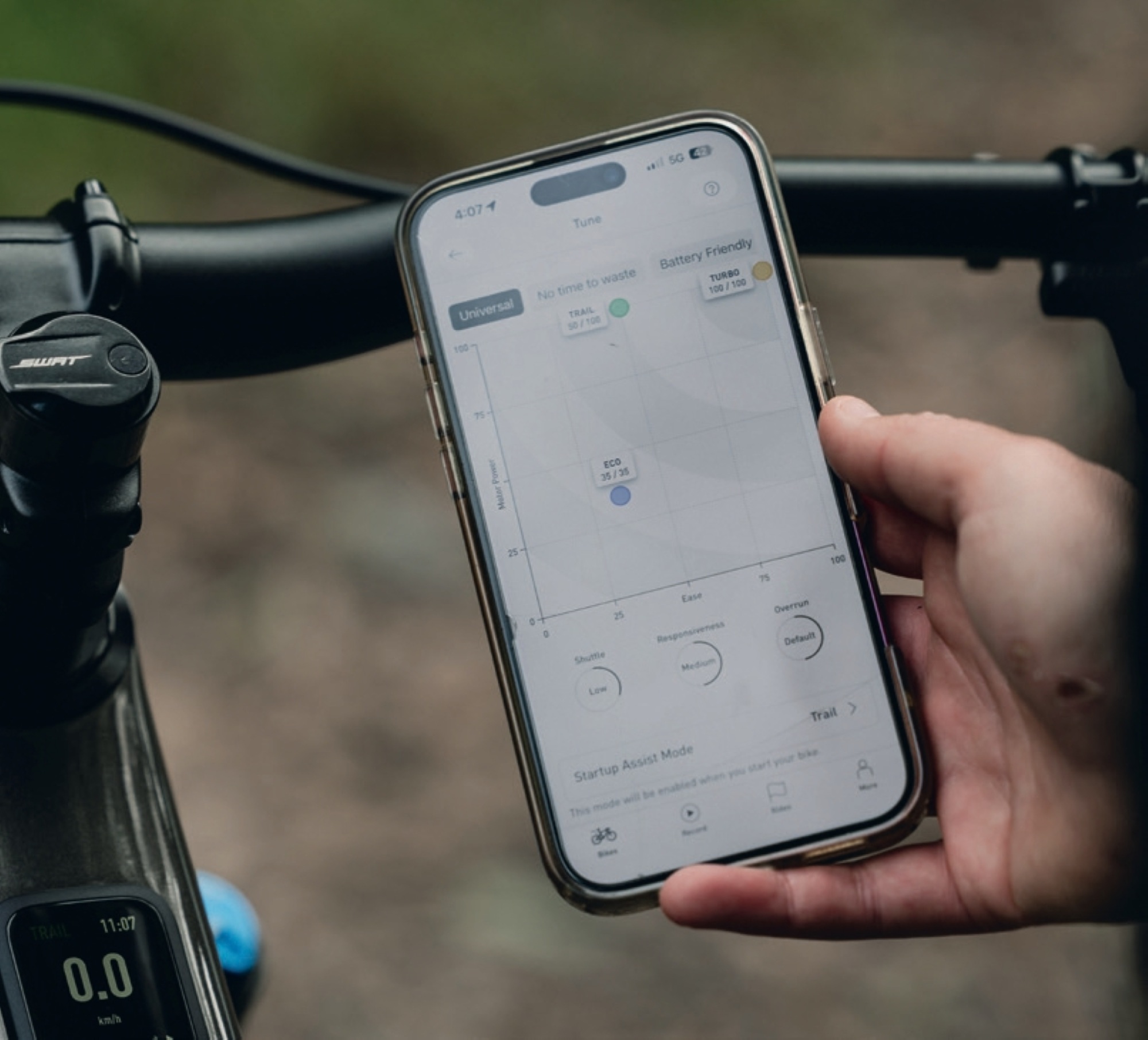
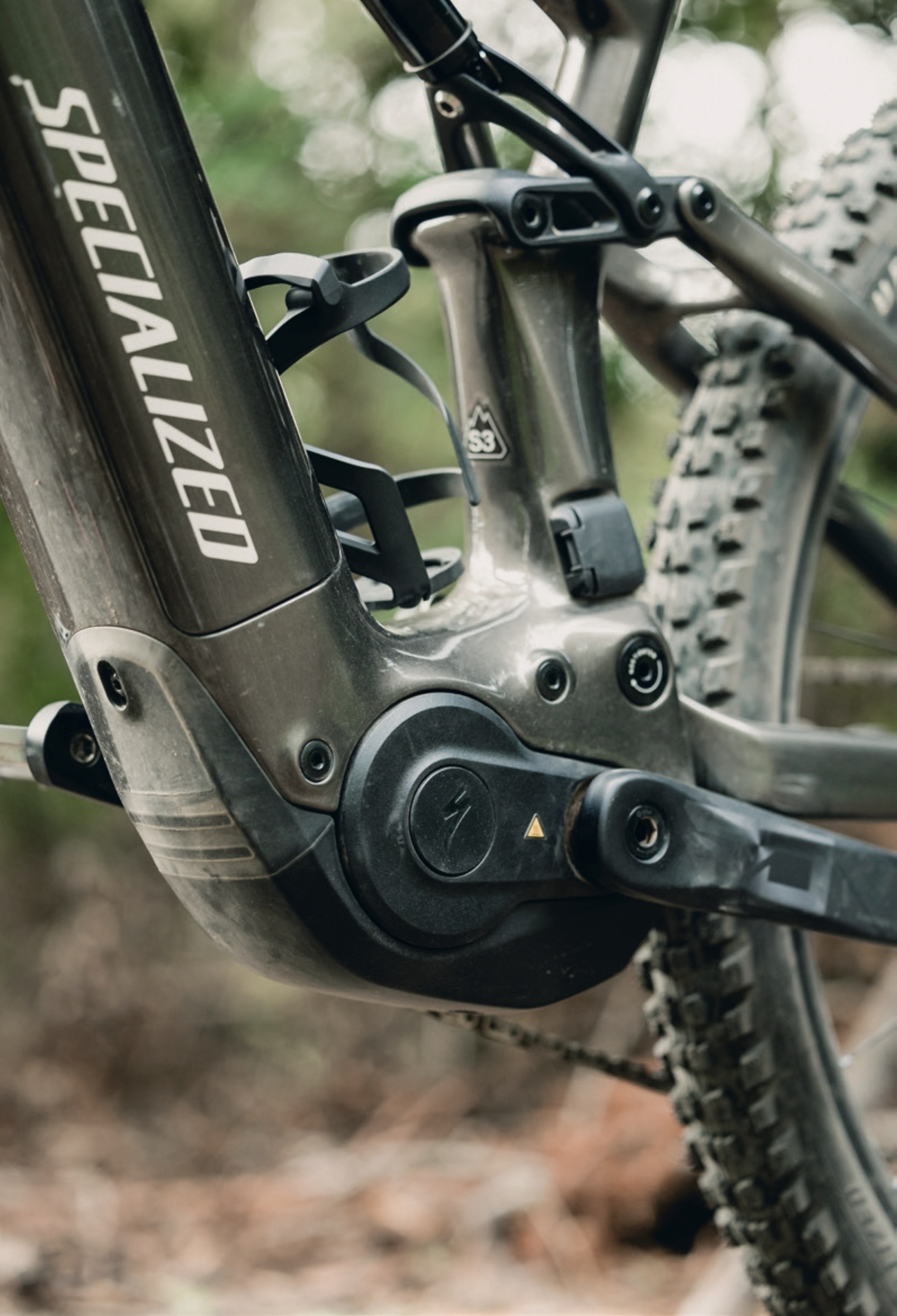
Final Thoughts
The Levo R creates a very strong case that there’s a gap in the market for shorter travel, full power eBikes – those that retain all the benefits of a big battery and powerful drive unit without the weight, and offer a more lively, nimble ride experience. I think this bike will appeal to a vast range of riders, and indeed it is the bike that many should realistically be on. Just because you can get more travel with the likes of the Levo 4, doesn’t necessarily mean you should.
After all, it’s easy to forget that whilst you and your mates might want an eBike that can do anything from sending jump lines to threading needles on the steeps of double black trails, this doesn’t exactly echo the wish list of your everyday rider, and that’s where the Levo R fills the current void of short travel and full power options. It’s hard to think of another brand catering for this market, and Specialized have certainly created a one-of-a-kind bike that creates a compelling case for full power eMTBs in this travel range.
With its confidence-inspiring downhill capability coupled with buttery-smooth power delivery on the climbs, the Levo R is a particularly strong option for those newer to mountain biking, and even more so, those seeking to branch into the world of eMTBs. Having said that, I do feel that perhaps Specialized have come up with a concept that’s for everybody and nobody all at once – it’s too little bike for the quintessential enduro rider, but lacks the weight savings and therefore nimbleness to meet the needs of an “all-rounder” trail rider.
The geometry and weight creates a smaller gap than one would expect between the Levo R and its Levo 4 big brother, so for me personally it’d be hard to justify the Levo R when I could have more travel and a mullet configuration for very little weight penalty, whilst retaining the same amount of power. That said, I think for many riders the Levo R will be the logical choice with its user-friendly power system and the advantages that quicker handling and nimble geometry offers.
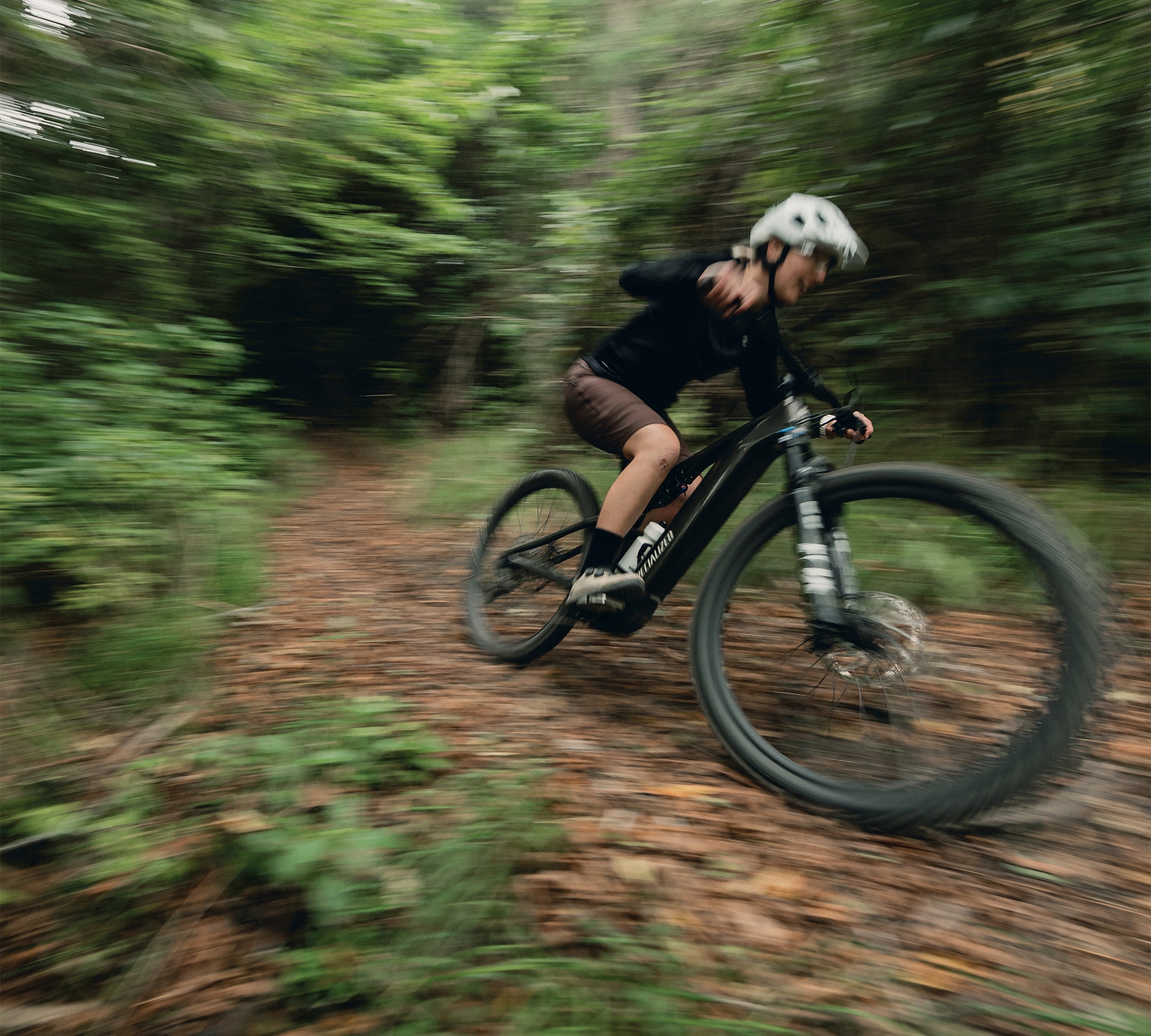
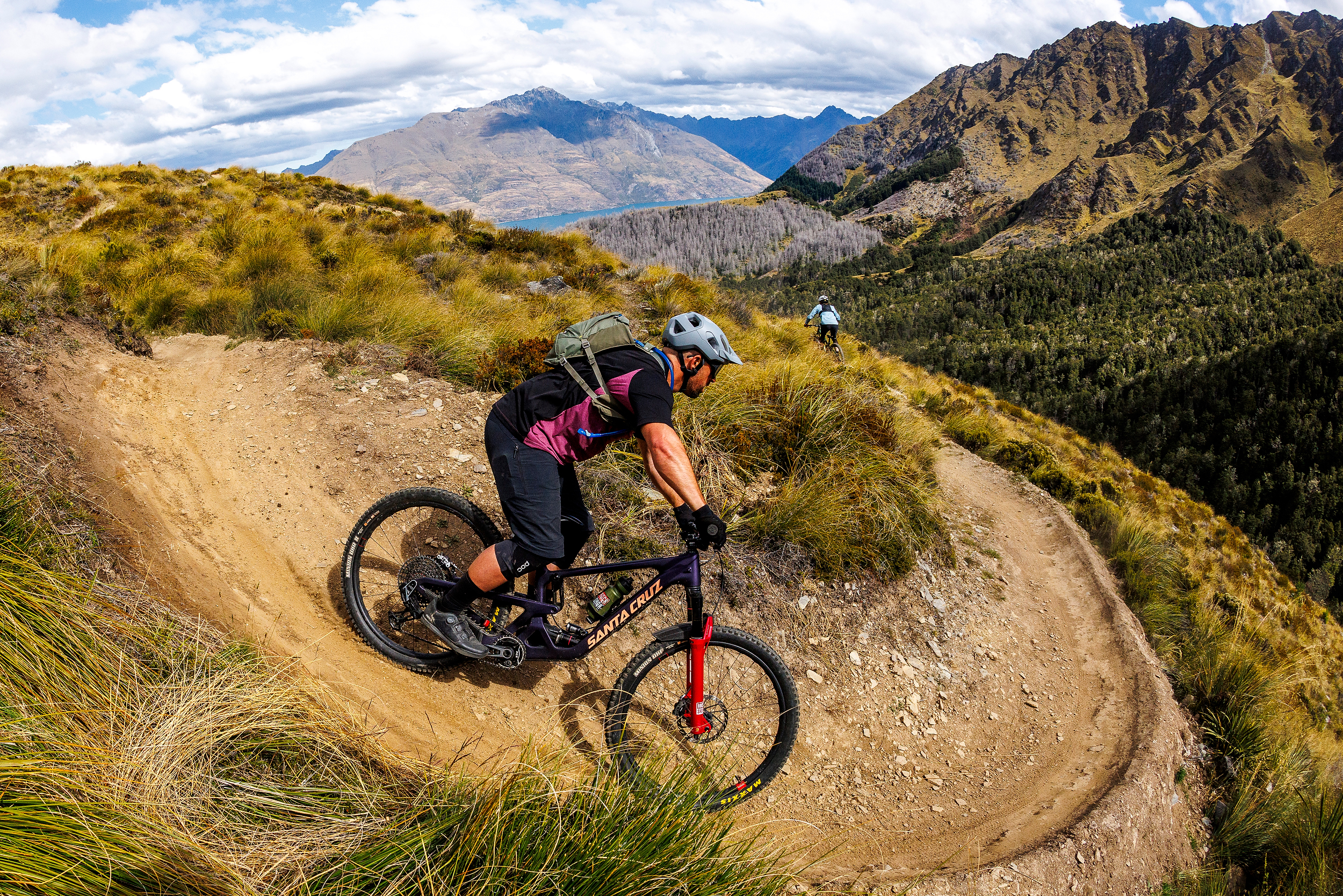
RockShox Zeb Ultimate
Words: Liam Friary
Images: Sven Martin & Callum Wood
Distributor: Worralls
RRP: $2495
Components, suspension and bikes are always going through a process of constant refinement. Often it can seem a bit like a ploy to get us all to consume more, and that’s a valid perspective.
But the thing is, often the refinement stems from the sport’s progression and riders getting faster and hitting harder.
This drive is mainly through the competitive elements of the sport, such as downhill and enduro, but there’s still a strong case for the everyday trail rider. There’s also continued progression with trails, bike parks, and terrain, and this often means riders demand more of their bikes, suspension and products.
The newly updated, burly RockShox Zeb falls into the progression category and draws direct inspiration from the RockShox Boxxer. This development stems from the latest advancements in world cup downhill racing, which have driven the suspension updates across the RockShox Zeb Lyrik Vivid and Super Deluxe models. Across this issue, I’ve shared some insights from a press camp I attended in February. Queenstown hosted editors from global mountain bike media outlets who spent a week riding RockShox’s new downhill and trail suspension. I rode a Santa Cruz Hightower equipped with a RockShox Lyrik fork and a FOX Float X Factory shock. We tested our current setups for a few days before switching between them using an a-b-a testing method. This involved cycling back and forth between our old suspension, specifically the previous generation RockShox Lyrik, and the new RockShox Zeb. The launch event included six days of riding followed by another month of ride testing on more familiar local trails.
The centrepiece of the new Zeb update is the new Linear XL air spring, and it’s worth understanding what it does rather than letting it blur into the spec sheet. It’s not a marketing name. It describes a specific engineering approach that changes how the fork feels through its travel, and it’s the main reason the new Zeb rides differently to the old one.
Most air springs are progressive by nature. That’s not a flaw, it’s physics. As you compress an air chamber the pressure rises, which means the further you push into the travel the harder the spring pushes back. The result is a spring curve that ramps up toward the end of the stroke. This gives you bottom-out resistance without needing a separate mechanical bumper, but it also means the fork feels different at twenty percent of travel than it does at eighty percent. Predictable it is not. You get a supple initial response that stiffens noticeably mid-stroke and firms up hard near the end. Riders learn to work with this but they’re always adjusting for it, consciously or not. A linear spring does roughly the same thing throughout its travel. The fork feels the same at twenty percent as it does at sixty. What you set up is what you get.
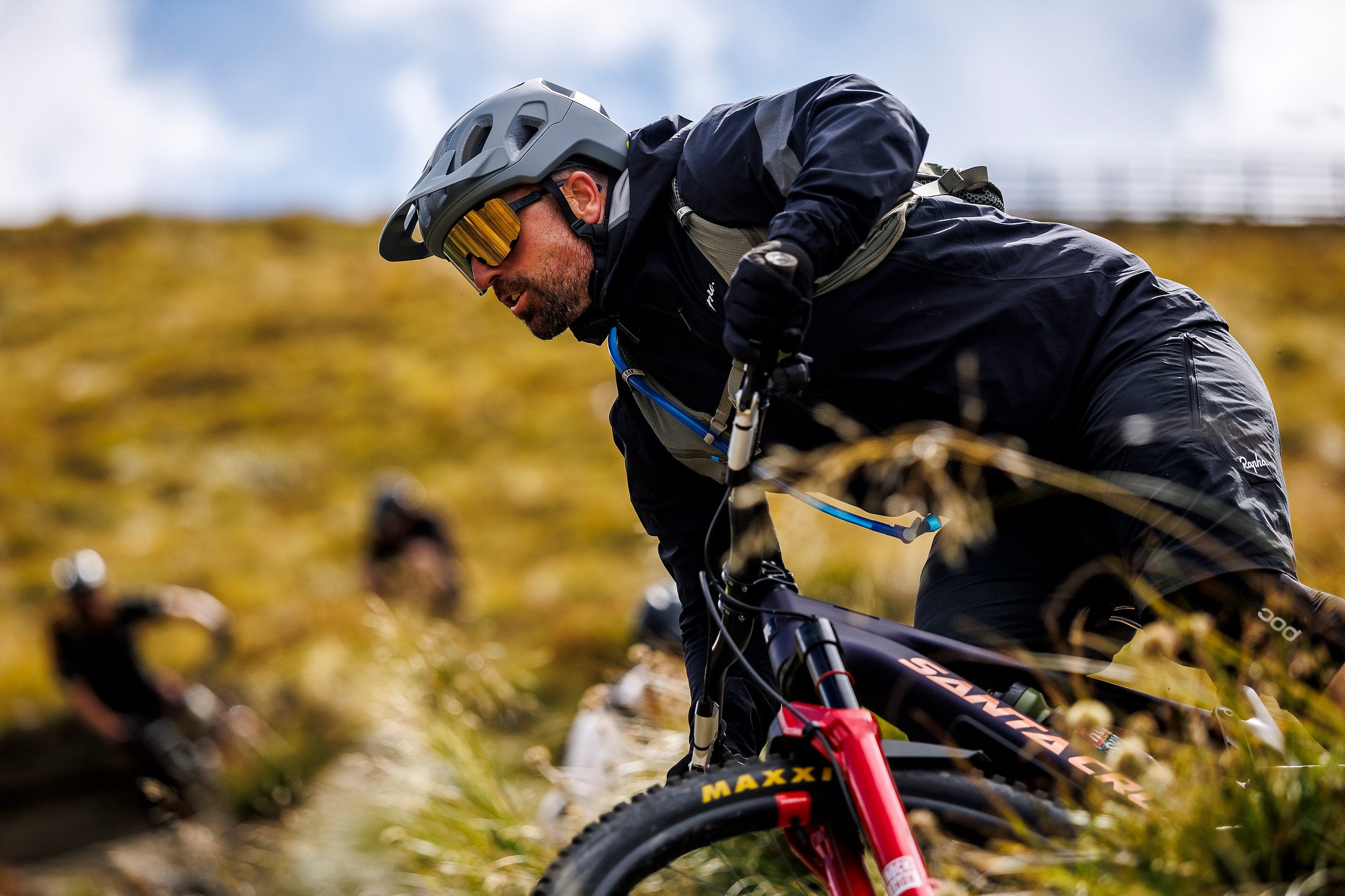
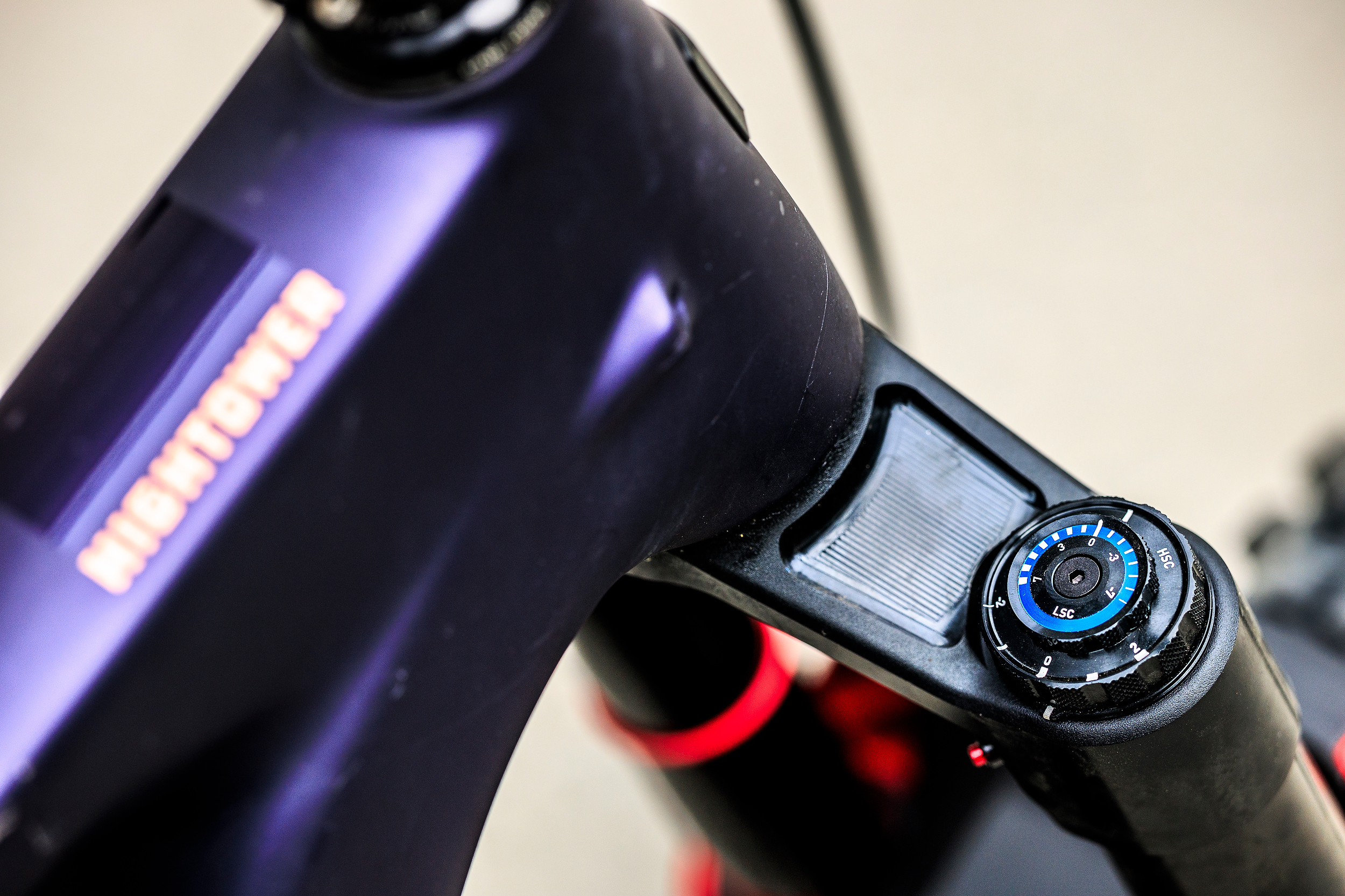
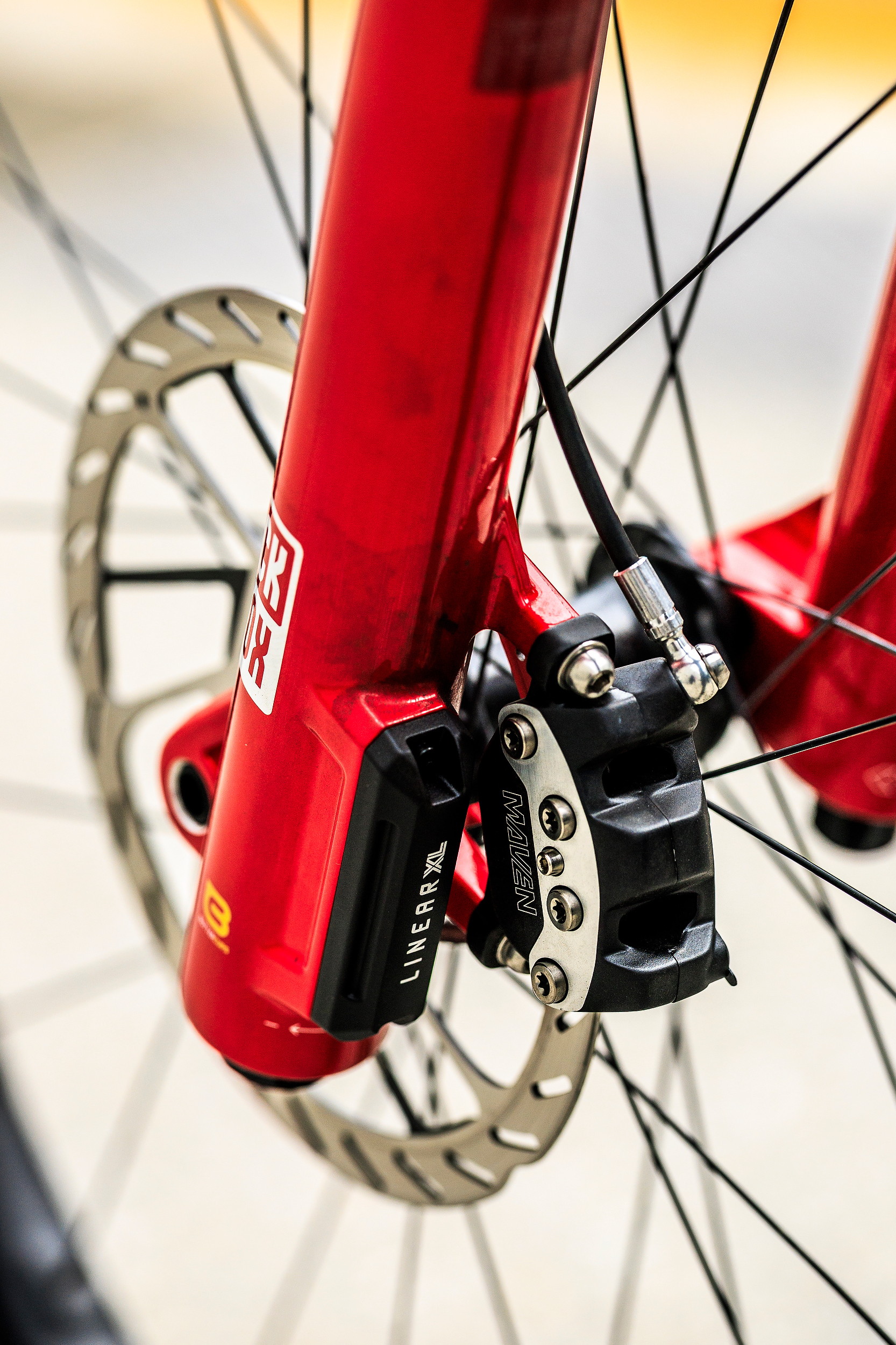
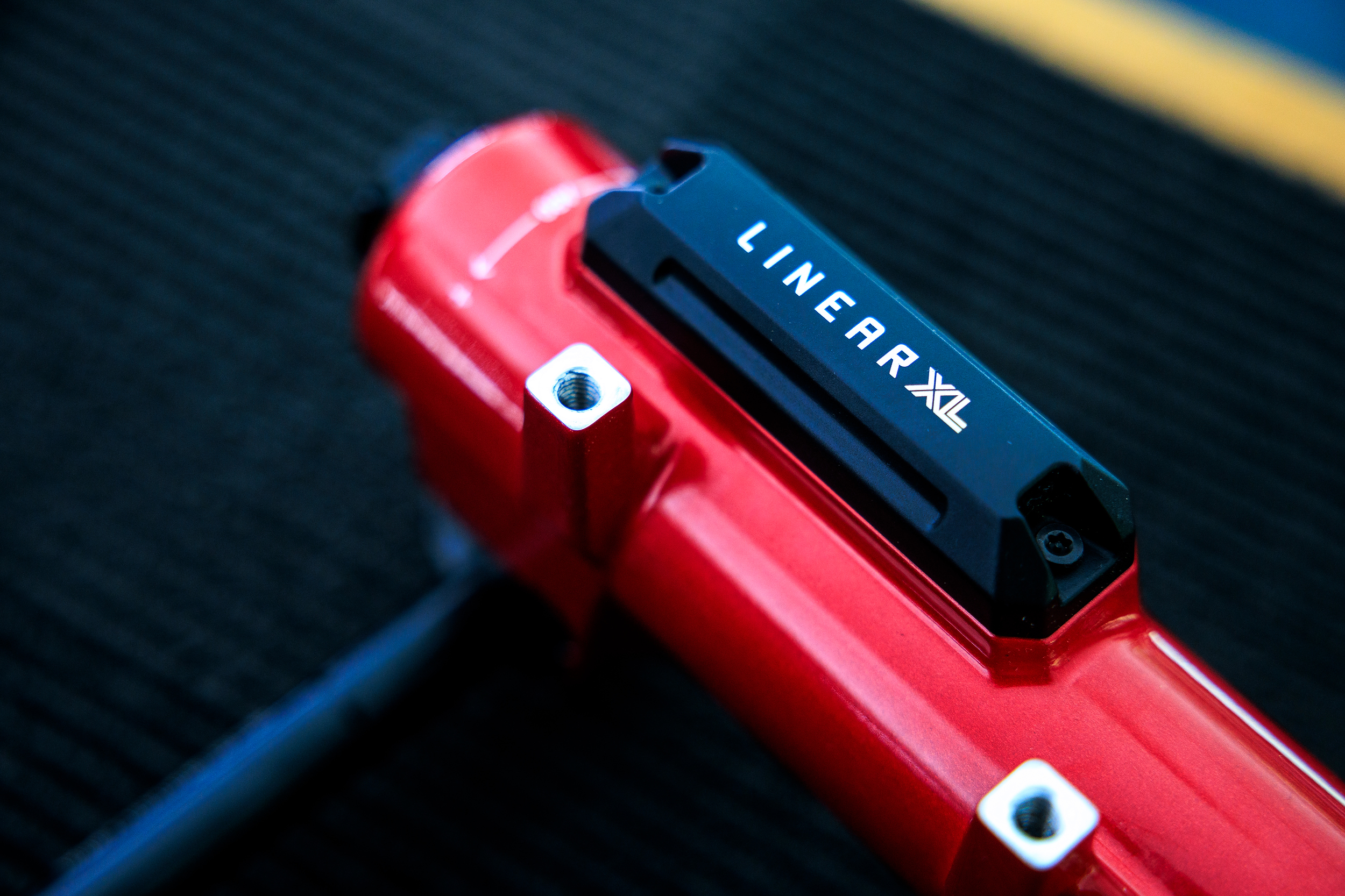
RockShox’s Linear XL system is an attempt to flatten that curve. The approach involves increasing the volume of both the positive and negative air chambers while simultaneously reducing the piston diameter and increasing the inner diameter of the shaft. Taken together these changes mean the fork runs at higher pressure but the rate the pressure increases as you compress through the travel is slower and more consistent. The Air Annex, an additional air chamber mounted on the side of the fork leg, adds further volume to the lower leg, reinforcing the flatter spring curve. The result is a spring that behaves more like a coil: predictable throughout the stroke rather than stiffening in stages.
RockShox also refined the fork’s lubrication and small-bump behaviour through two supporting technologies. ButterWagonTech introduces small indentations machined across the lower section of the stanchions, below the dust wipers, which draw oil upward during rebound. On every stroke out, oil is actively redistributed across the bushing contact area rather than relying on gravity alone. Less friction throughout the stroke, more consistent movement, less arm pump on long rough runs. Complementing this are the ButterCups – elastomers mounted on both the spring and damping sides that filter small impacts and high-frequency vibrations, taking the edge off chatter before it reaches your hands. Then there are the breather holes, two small drill holes in each stanchion just below the oil seal. In a big hit the air trapped in the casting has somewhere to go, distributing quickly and evenly rather than creating a pressure spike. Oil circulation improves too, keeping damping consistent under repeated hard impacts. Together these three details are about keeping the fork moving cleanly and, honestly, not letting friction and trapped air compromise the spring curve the Linear XL system is working to deliver.
The Linear XL spring doesn’t work in isolation. Because the spring is more linear, less progressive, the Charger 3.2 damper that pairs with it in the new Zeb is tuned more progressively to compensate. The damper picks up where the spring backs off. This is important to understand because putting a Charger 3.2 into an older fork would feel unusually firm — the damper is calibrated specifically for the flatter spring curve, not for the progressive curve of the previous generation. The system is designed to work as a matched pair. RockShox describe the goal as coil-spring feel without giving up air’s key advantage — tune it with a pump rather than swap a spring.
On trail the difference is in the consistency. With a progressive spring curve, you develop a sense of where the fork is in its travel and you ride accordingly, backing off slightly before the middle of the stroke stiffens, or driving harder knowing the end of travel will support you. With a more linear spring that calibration becomes simpler. The fork is doing roughly the same thing throughout. Put simply, you can stop thinking about where you are in the travel and start thinking about the trail in front of you, which is exactly where your attention should be. During the camp in Queenstown this was most noticeable on repeated laps of the same trails, the fork felt consistent in a way that let you push harder without having to relearn its behaviour each time. Compared to the previous generation Lyrik, the Zeb felt firmer and stiffer but still nimble. It could hit harder when asked to, which is partly a function of the increased travel (150mm Lyrik to 170mm Zeb), but across the stroke it felt plusher , which is the Linear XL story in a single ride impression. The weight increase is noticeable if you’re looking for it, but the performance gain makes it an easy trade. What stood out most was the grip in technical terrain at lower speeds, the kind of riding where a fork that sits high and active in its travel makes the difference between traction and washing out. The steep, chunky terrain of Queenstown tested the support end of that equation. Rotorua tested the suppleness end, root-littered trails where the fork needed to stay planted and small-bump sensitive at the same time. It held up well in both.
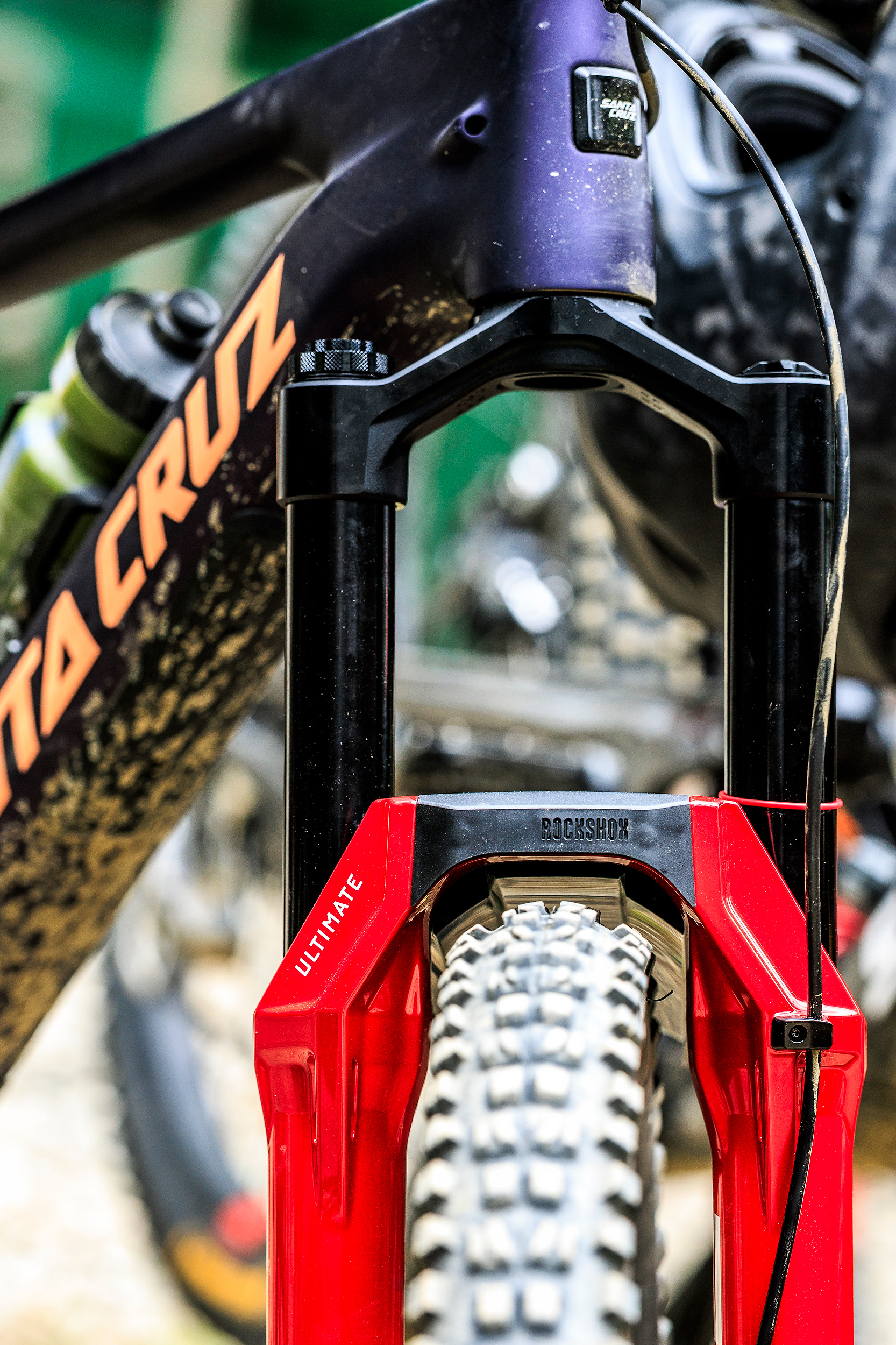
From the outset, the even and therefore more predictable spring curve immediately draws attention. The fork responds sensitively to small bumps and irregularities offering plenty of feedback. This is complemented by a progressive damping tune providing adequate support during hard compressions and fast berms. Even under heavy braking the front remains responsive without diving too deep, and the fork consistently rides pleasantly high in its travel.
The a-b-a testing format at the camp – old fork, new fork, old fork again on the same trails – is exactly the kind of structured comparison that makes this difference legible rather than just ‘felt’. The Zeb with the updated spring felt less variable through its travel. Less time spent managing the fork, more time spent riding the trail. And it performed well during the multiple runs in Queenstown. The solid chassis helped with confidence on steep tech terrain and behaved well in those relentless braking ruts. As for more pedalling on trails, the fork felt predictable and planted when transitioning to flatter or technical climbs. It was slacker than what I was used to but after a few rides it wasn’t a thing, and I liked having more travel on the descents so the payoff was well worth it. That said, I’d like to try the new RockShox Lyrik with similar internals of the Zeb for more all-mountain or pedalling days that I’m more used to.
RockShox has refined the setup with clearer, numbered adjuster dials and additional height indicators on the stanchions. One thing worth knowing: Linear XL runs higher setup pressures than the previous generation, so if the numbers on the pump look wrong, that’s why. The smaller piston needs more air to reach the same SAG — get it right and the spring rewards you. As usual, there are SAG markings and a sticker on the fork for quick base setup. It’s remarkable how much the adjuster dials affect the fork’s behaviour. The high-speed compression circuit, in particular, significantly influences the fork’s travel height. With just a few clicks, the setup can be easily adapted to various trails – from rough high-speed tracks to steep downhill sections, flowy bike park runs to loamy fern littered trails of Rotorua.
The new Zeb is a brawler’s dream, perfect for park laps, technical trails, steep shuts, swift descents and anything else thrown its way. It’s a solid companion for an enduro brawler or long-travel eMTB and I think it’d be a great fit. I’m eager to get an eMTB to fit the Zeb onto to see how it responds. It’s a classic evolution with a clear focus on a more linear and predictable spring curve. After my initial testing period, it responds sensitively, behaves predictably and maintains a pleasant travel height. The overhauled Zeb fork levels it up for today’s riders.
For more in-depth reviews on RockShox’s Vivid Air shock, sign up to our email newsletter, visit our website or follow us on Instagram.