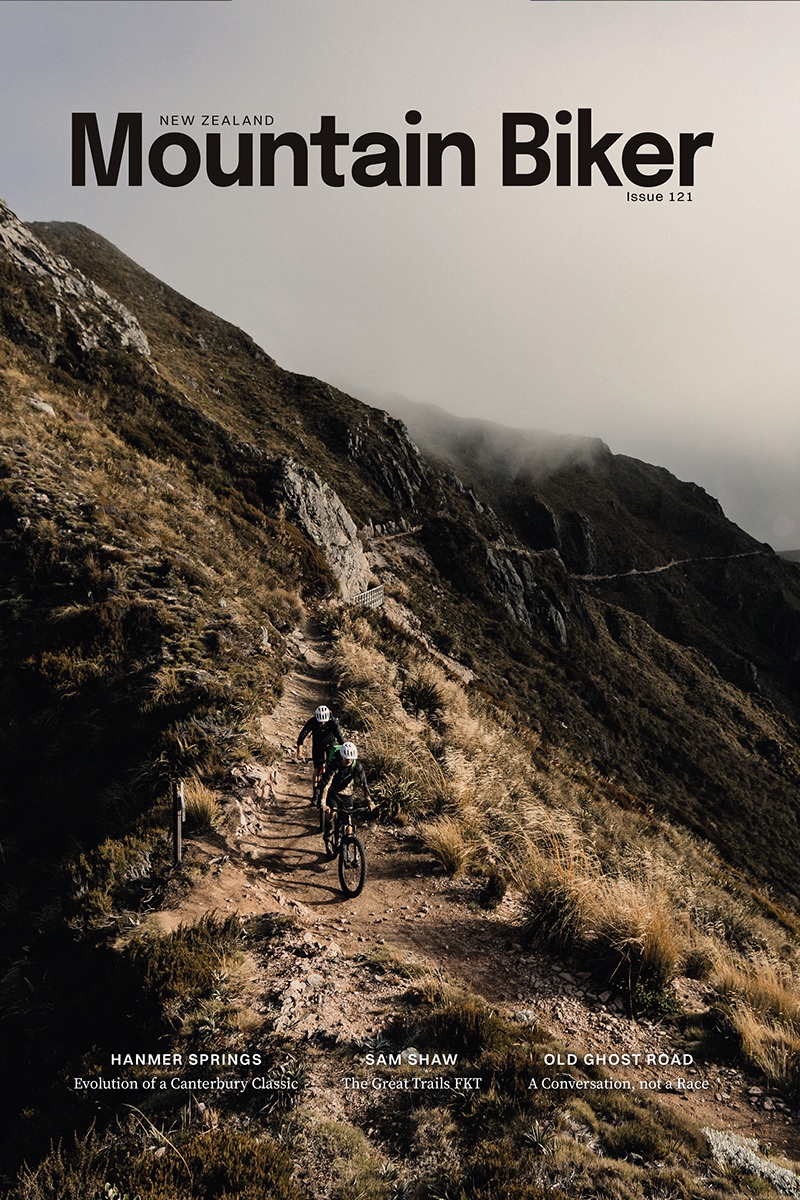
Sam Shaw: The Great Trails Ride FKT
Words: Ruairi O’Shea
Images: Jay French
Sam Shaw might be the most versatile bike rider in New Zealand. Scroll through his Instagram and you’ll see his recent highlights: top 10 placings at the biggest gravel races in the Southern Hemisphere, taking Lachlan Morton’s record for the Fastest Known Time (FKT) from Auckland to Wellington, and running the CouldBeKeen cycling collective in his adopted home of Wānaka.
And while Sam spends most of his time these days on a gravel bike, if you scroll back to 2021 there’s a social media clip that puts it all in context.
It’s Rotorua Mountain Bike Club’s Triple Crown Enduro. Sam enters the screen from the right, he takes off, pulls back on the handlebars, leans back, and completes a backflip as the crowd goes wild.
“Always been a dream to do a backie in a race run,” Sam says in the caption.
Sam grew up mountain biking in Rotorua and competed as an elite rider between the ages of 15 and 32 at everything from national series races and the youth Olympics to XCO World Cups and Enduro World Series events.
As Sam moved on from elite-level mountain biking and started building a more conventional life in Wānaka, riding a gravel bike offered the chance to continue to push himself without the frequent injuries that can come with pushing the limits on trails. Long days in the saddle training for 250-kilometre gravel races helped to tune Sam’s massive engine for a significant new goal: setting the fastest time to ride the length of Aotearoa.
“The underlying thing is that I always wanted to ride the length of New Zealand and set the fastest time and then I’ve just been finding all these other things to build up to it,” Sam explains.
Having taken the FKT for riding from Auckland to Wellington on the road in December 2025, Sam had planned an attempt at the record from Cape Reinga to Slope Point in May. But when key-supporter Brendan Clarke suffered an injury that ruled him out of the trip, Sam pivoted, eyeing up a self-supported attempt to beat Payson McElveen’s 2024 record for riding the Paparoa Track, Old Ghost Road, the Heaphy Track, and the two road sections in between.
Payson McElveen is a full-time athlete with a list of high-profile sponsors. When he took on the Great Trails Ride, he was camped out on the West Coast for a couple of weeks doing reconnaissance of the trails and able to pick the optimal time for the ride. Sam’s attempt would be more of a smash and grab.
An apprentice builder with a young family who trains on his 23-kilometre commute between Wānaka and Hāwea, Sam uses his annual leave for racing and FKT attempts.
Sam’s limited time, and the constraints of riding the three great trails on the route meant the date and start time chose itself.
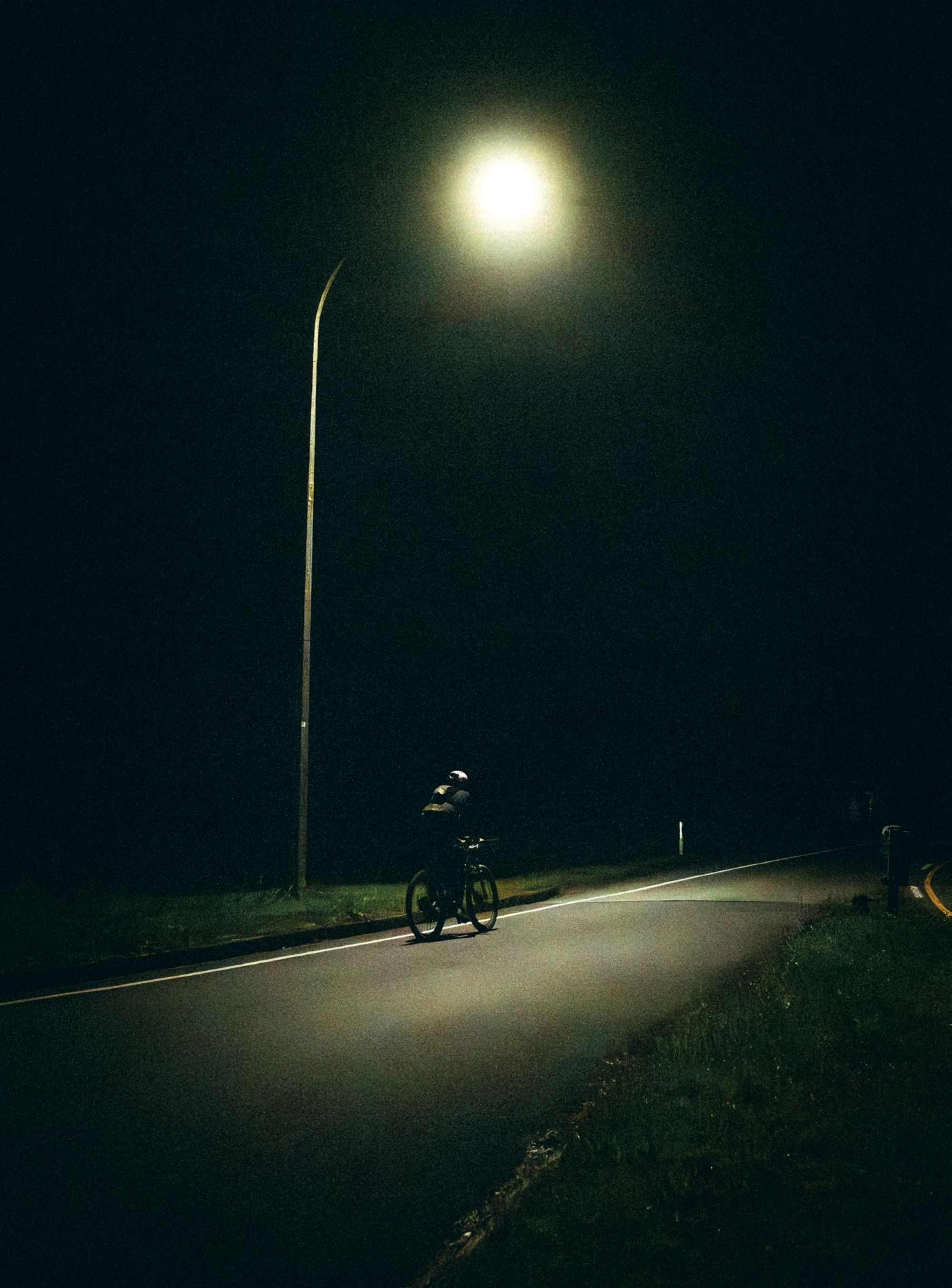
Riding at night is banned on both the Paparoa and Heaphy Tracks to protect nocturnal wildlife, and bikes are prohibited on the Heaphy Track until the winter season which opens on May 1. Sam – starting his ride on April 30 – would need to ride the Paparoa Track in an afternoon before, taking on the two road sections and the Old Ghost Road overnight to arrive at the Heaphy for daybreak as it opened to bikes.
Sam’s decision to take on the record self-supported also served to streamline the operation – he had a media crew to document the attempt but no outside assistance, not even stopping at a shop.
“Self-supported to me means that if there are people there, it has to be like they’re not there. It’s taking all your food, all your spares, and being able to fix anything that goes wrong. I’d talk to the crew if I saw them because they’re trying to get footage, but for me it’s about not using them to offload a jacket or pick up food,” Shaw says.
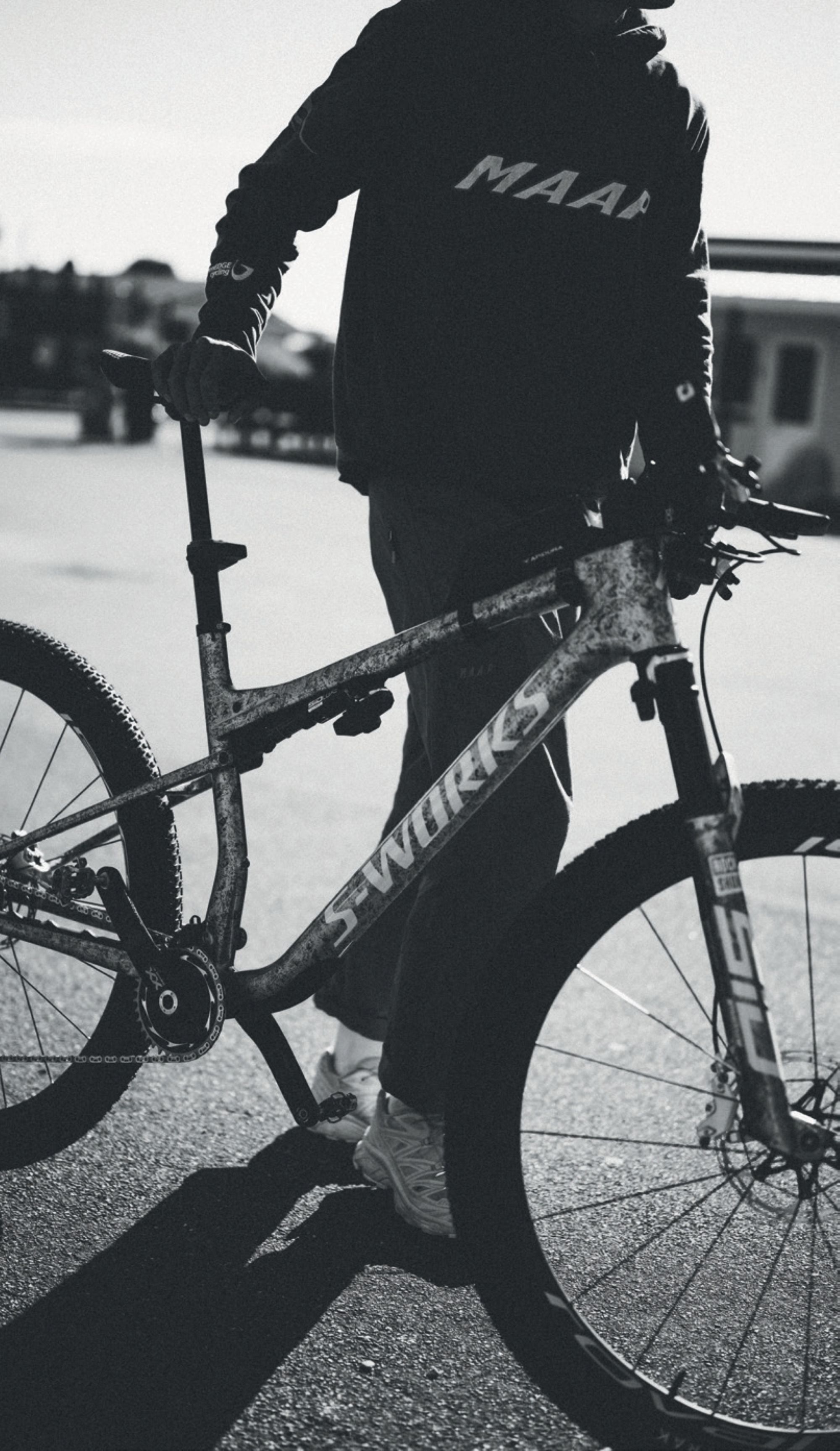
Finally, with everything else going so smoothly, Sam made a mockery of endurance sport’s golden rule of “nothing new on race day”, taking delivery of a new Specialized Epic nine hours before he was due to start.
“I was really frothing the new bike,” Sam says. “I’d been riding a Specialized Epic World Cup which had 70mm of travel at the back and 115mm in the front, but the Epic 9 has 120mm of travel at the front and back, and it has Flight Attendant which effectively learns how you ride while you’re riding and adjusts itself automatically.
“I was confident that we’d set it up the same, and it was just going to be way more comfortable to ride over that distance.”
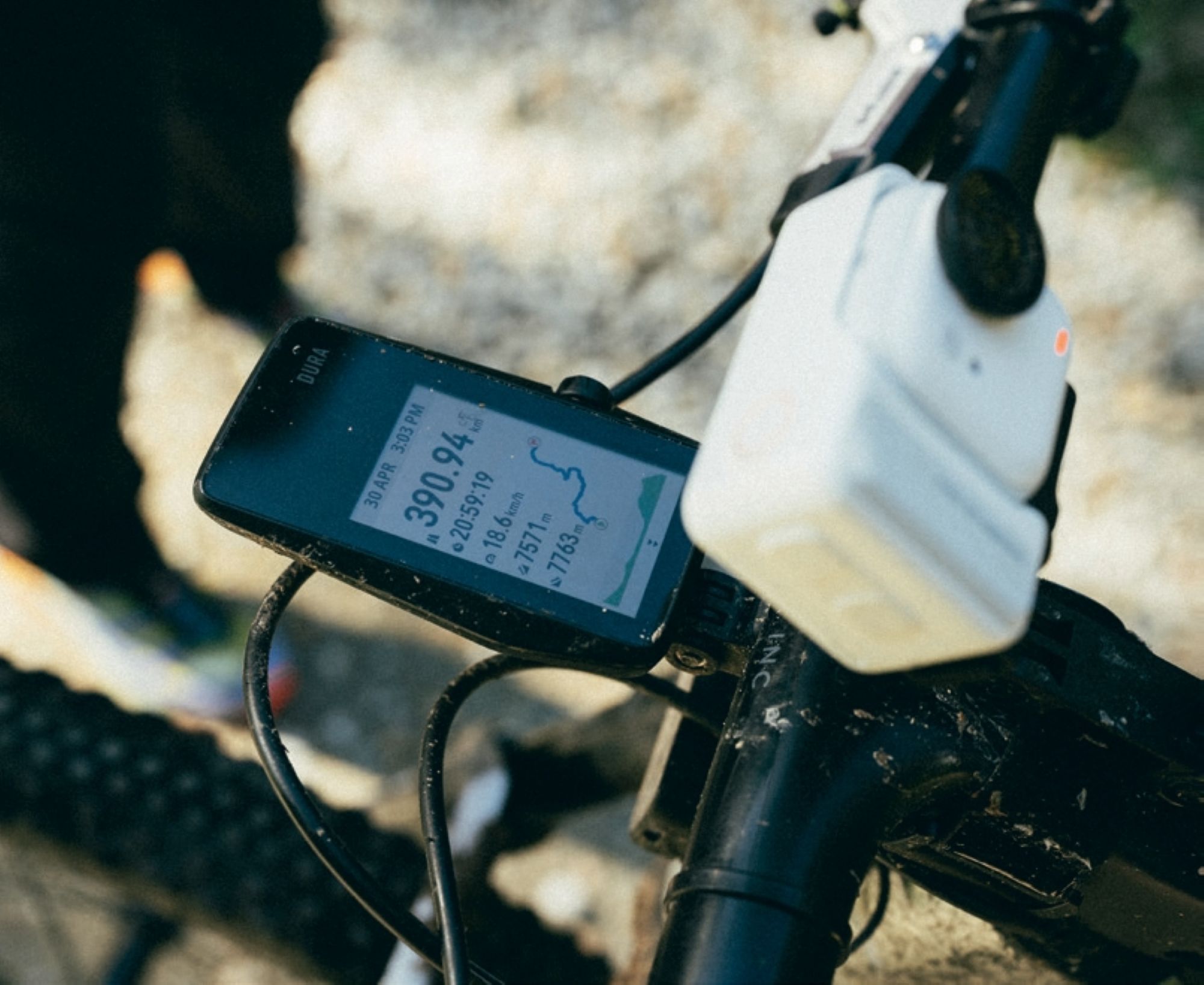
With the new bike ready, bottles full, and a backpack stuffed with pies, race fuel, and an extensive repair kit, Sam clipped in at 3.04pm and entered the 55km Paparoa Track.
Starting from the southern trailhead, the Paparoa Track starts with a steep 13km climb following in the footsteps of 19th- century gold prospectors. In 1864, gold was discovered in Blackball Creek, leading to the establishment of the town of Blackball, and the development of the Croesus Track – named for an ancient Turkish king known as a symbol of gold and prosperity – as miners traipsed through the bush in search of untold riches.
The discovery of a quartz reef high on the Paparoa Range in 1896 increased the intensification of mining but when significant quantities of gold failed to materialise over the next decade mining stopped and the trail fell into disuse.
The trail lived an unusual life over the next 70 years, first as the site of depression-era “make work” schemes involving further gold prospecting and the repair of the track’s bridges, before short-lived coal mining and logging efforts in the area. In 1970, Ces Clark, a Blackball resident and forest ranger, led an initiative to repair and revive the track. Sadly, Ces passed away while working on the trail. A hut built in 1986 now serves as a memorial to his dedication and hard work.
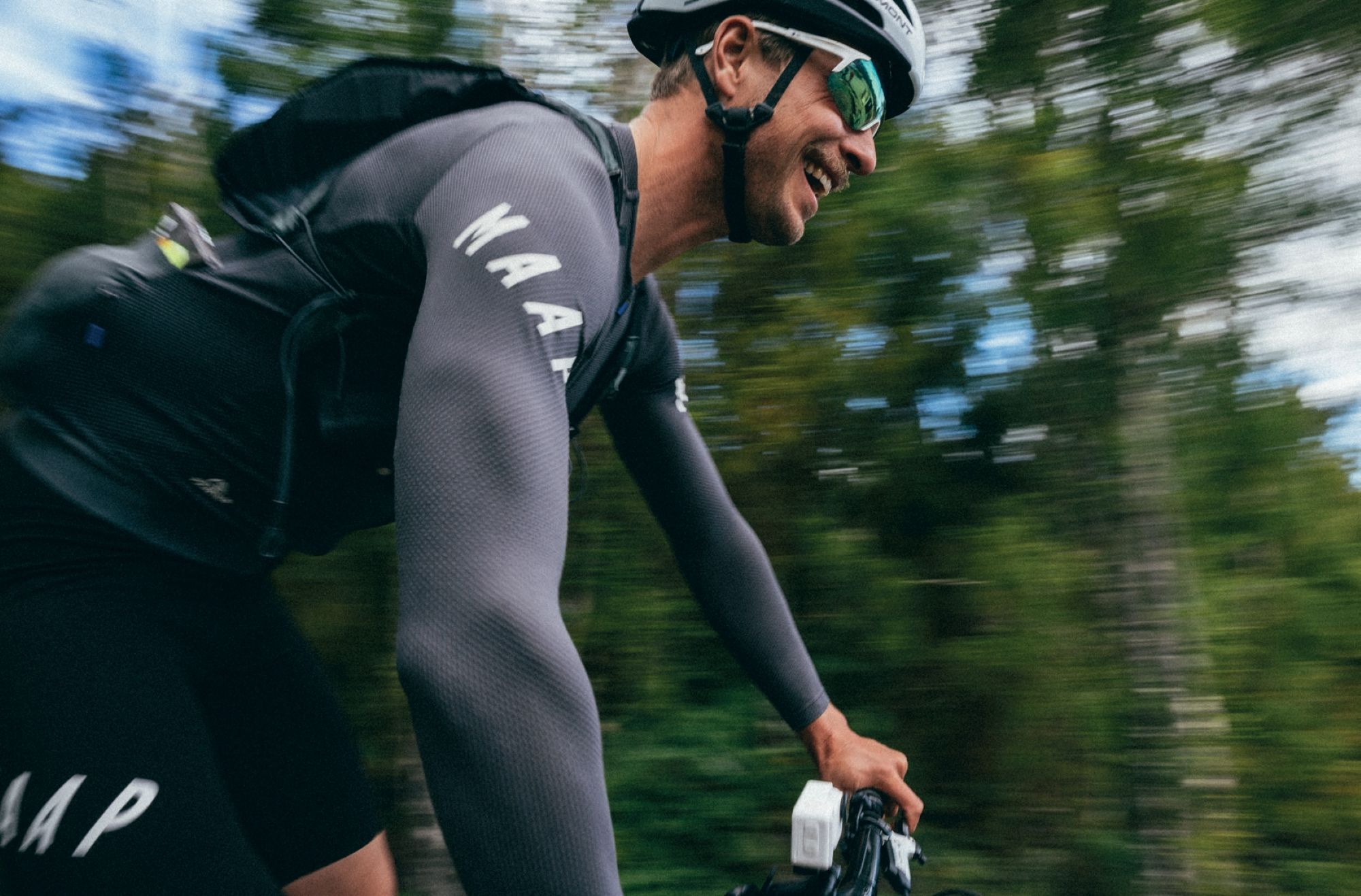
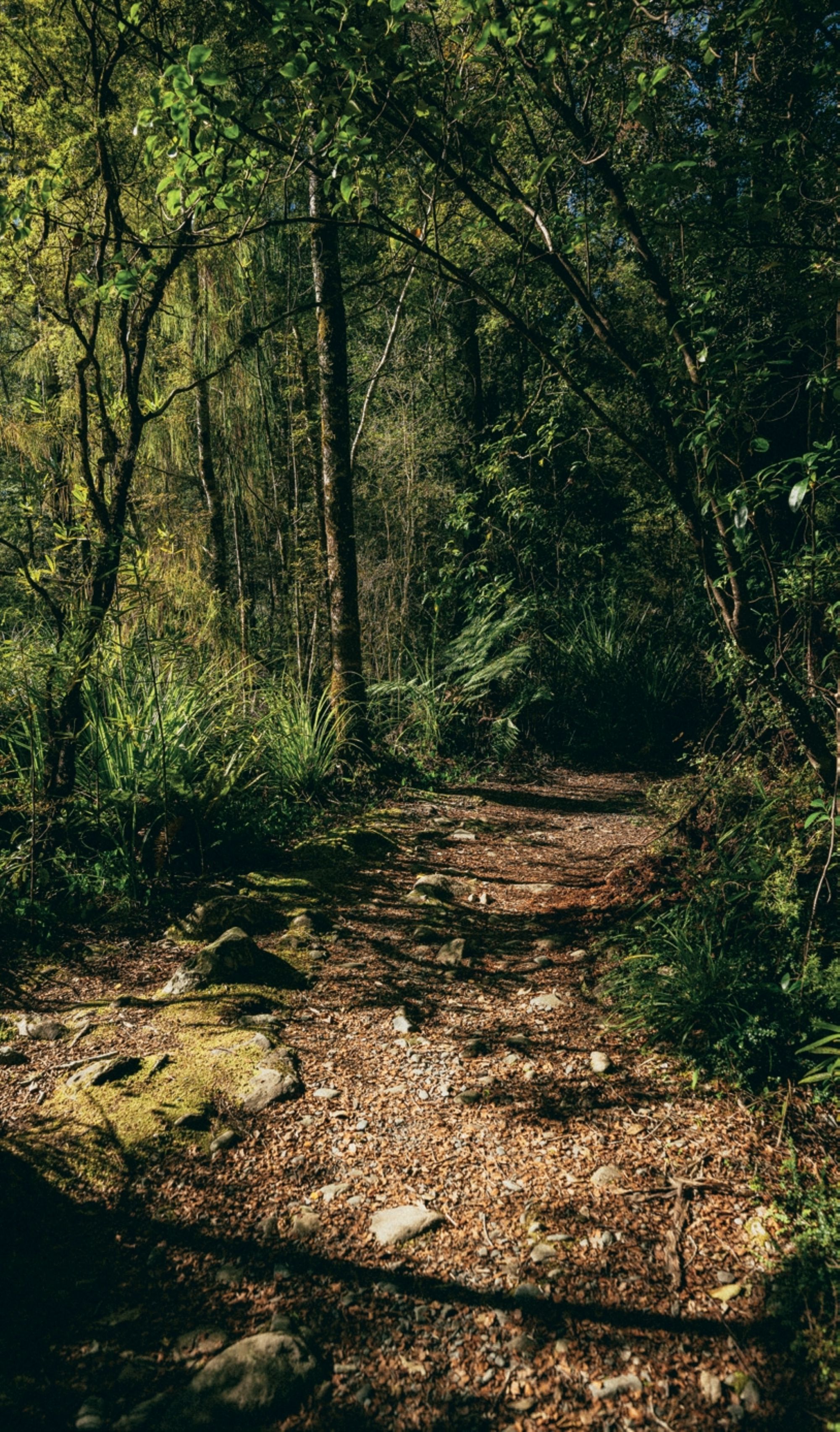
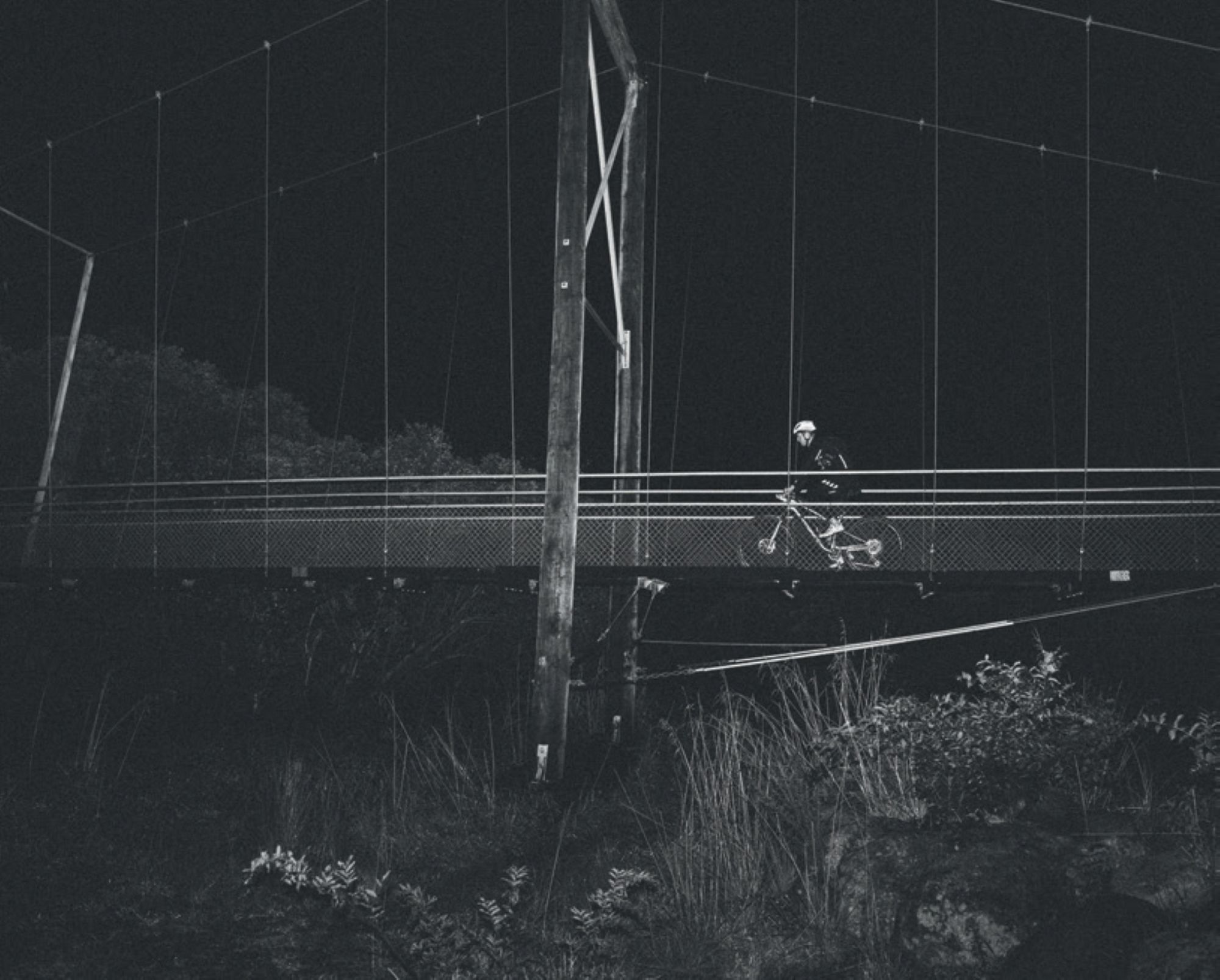
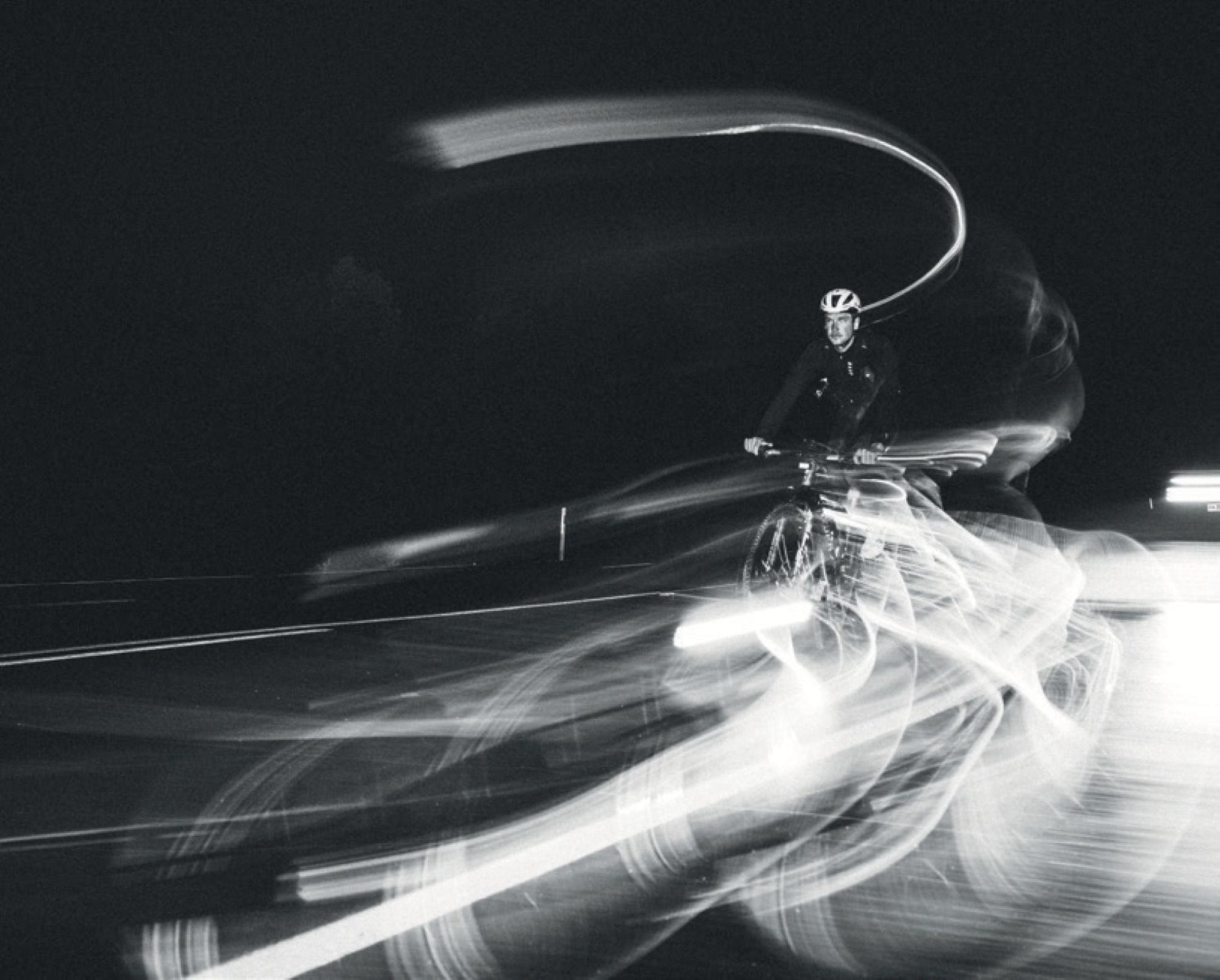
As Sam climbed toward Ces Clark Hut, the size of the challenge ahead became clear.
“About half an hour in I realised it was going to be stupidly hard,” Sam says. “I was averaging about 330 watts and I was still 380 kilometres away from finishing. Doing all these trails in one day – not to blow my own horn or whatever – it’s pretty f****** crazy.”
The first section of the Paparoa Track is a remnant of historical industry, but as Sam pushed past Ces Clark hut he was entering a memorial to a modern tragedy.
At about 3.44pm on November 19, 2010, an explosion in the Pike River Mine trapped 29 men underground, their fates still unknown when a series of further explosions in the week that followed ended any chance of survival. In the men’s memory, and in a bid to drive tourism to a region that had lost a significant source of income, families of the victims asked that a visitor centre be built, and a Great Trail with mountain biking be established linking the mining site with the town of Punakaiki.
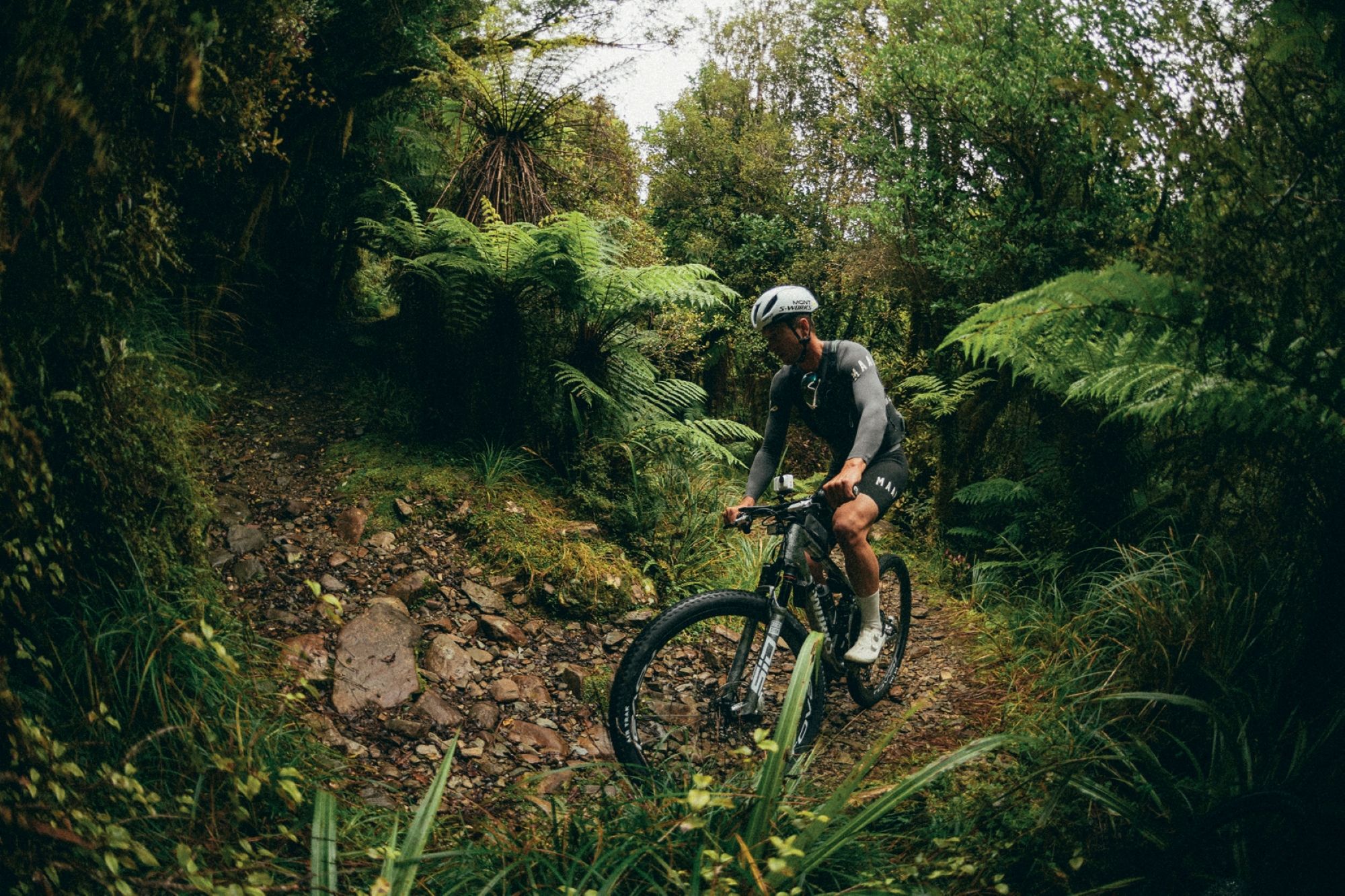
As Sam passed the site of the former mine, too focused on finding a smooth line on the flowy singletrack to think too much about its origins, the heavens opened. It would be heavy rain for much of the next four hours, making for a sketchy downhill and putting his preparation for a self-supported ride to the test.
After more than three and a half hours, Sam had completed the Paparoa Track, putting about 13 minutes into McElveen’s time.
The relative simplicity of the road sections means they were used as an opportunity to relax and refuel. However, as night fell, Sam’s front light began to flicker with the long, dark and high exposure Old Ghost Road ahead.
“The rain f***** my light, and it was short circuiting all the way from the end of the Paparoa to the start of the Old Ghost Road.”
Sam continued as his light faltered, reaching the Old Ghost Road at around 10.45pm. Just after midnight, the light flickered one last time and went out.
What could have been a disaster for Sam’s record attempt was mitigated by good preparation, with Sam packing a spare front light for this eventuality. “I got my headlight out, which wasn’t as good but did the job, and kept going.”
We’ll save you the history lesson on the Old Ghost Road, with our feature on page 12, looking at the trail in depth, but for Sam, riding the track at night was set to be a highlight of the ride.
“I love riding in the dark – everyone should do an overnight mission – and I was really excited about riding the Old Ghost Road through the night. It was the thing I was most excited about, but it was also the biggest worry. I was frothing for it, but obviously you just don’t know if it’s going to go well.
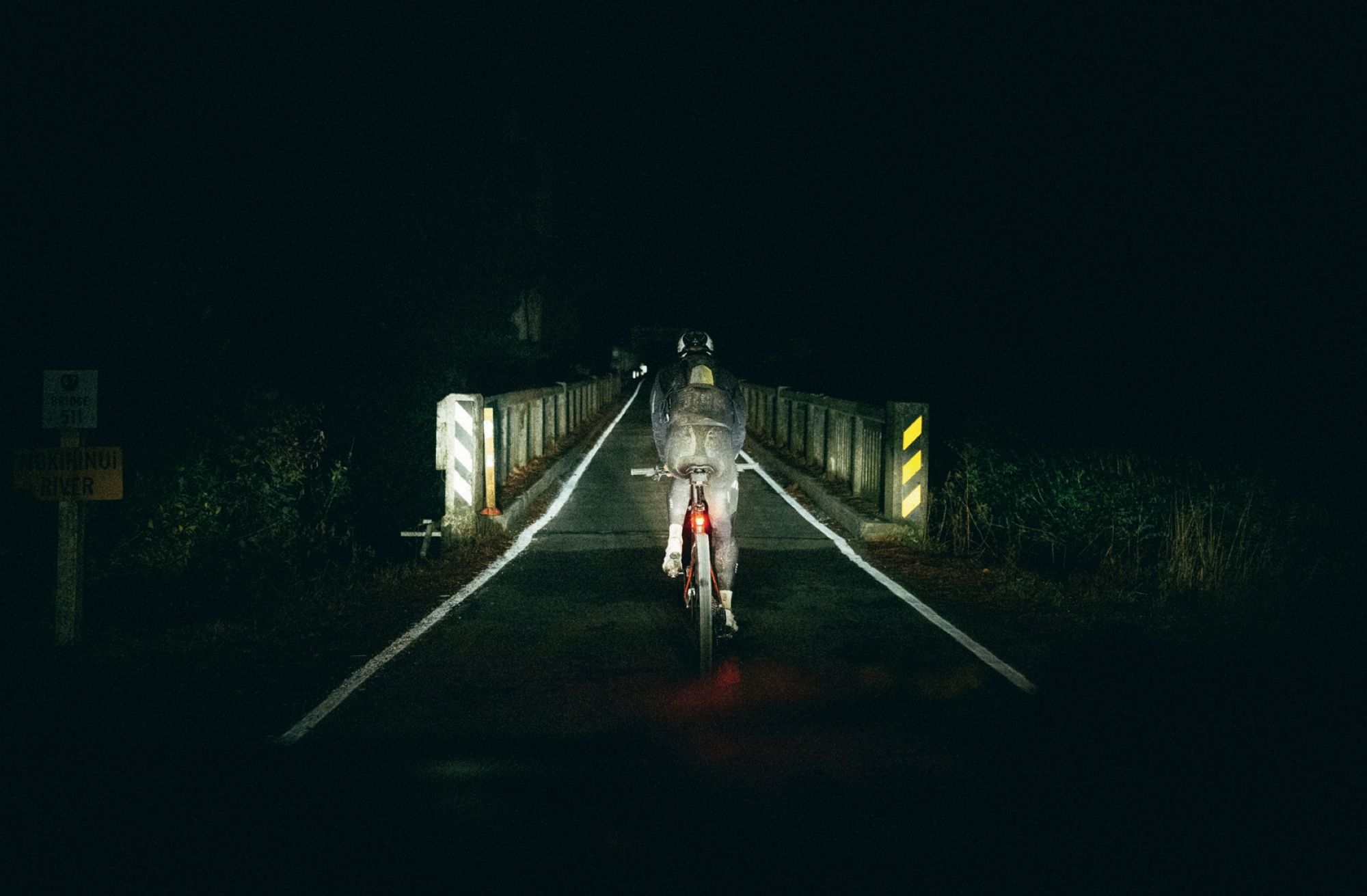
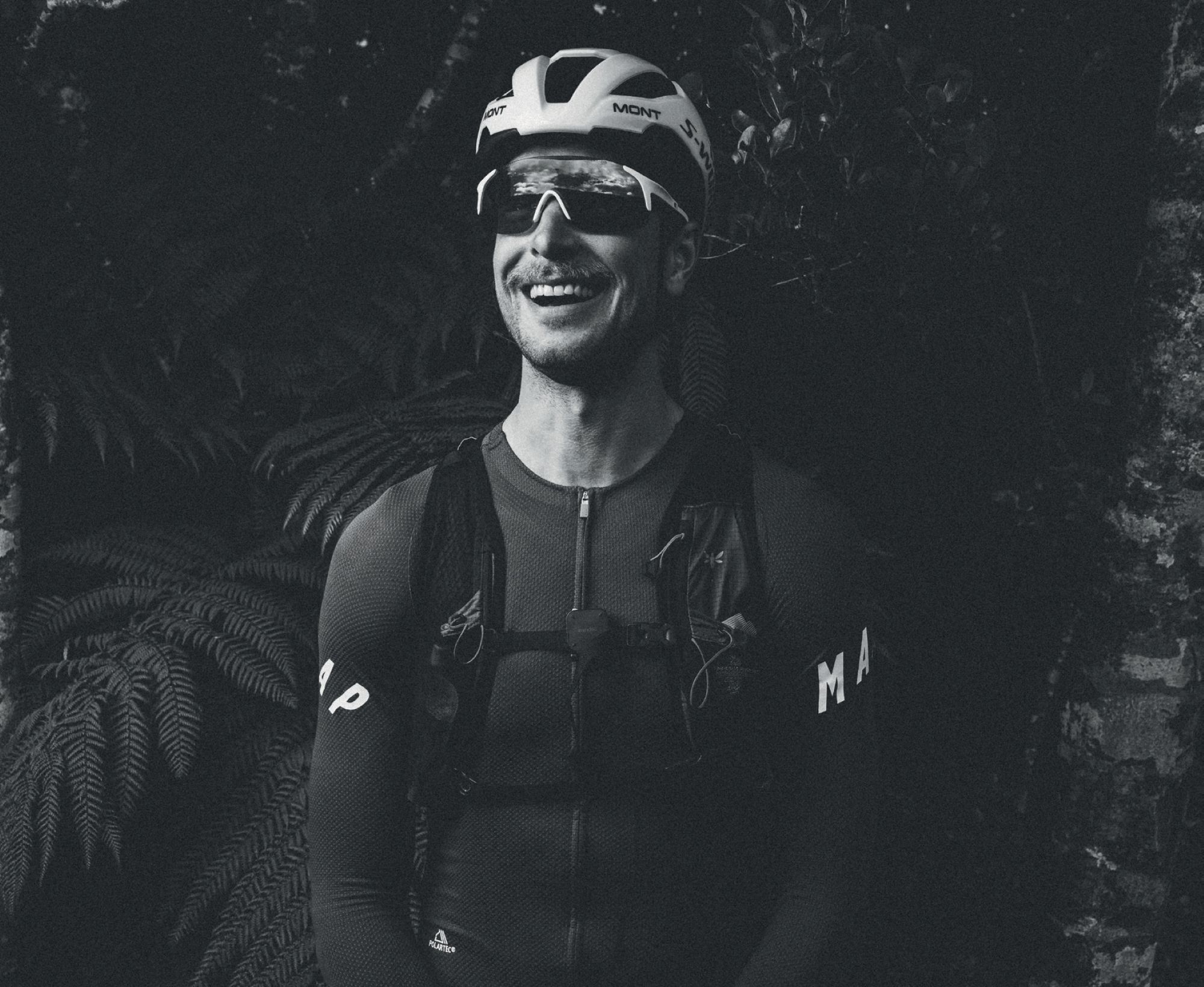
“I started going up the hill and I felt good the whole way up the climb. It was two hours, but it didn’t feel like it at all which was a good sign. I just settled into it and time flew by.
“I got above the treeline and out into the open and it was a full moon, and you could just see all of the lights on the coast in the distance. You know you’re in an amazing spot, but you can’t really see what’s around you, so it was a strange experience.”
As Sam rode into the early morning, the challenge became keeping mental fatigue at bay as the trail got more technical.
“My main focus at that point was just not puncturing, because it’s got really sharp, schisty rock in places, and I’d forgotten how technical it was. It was 2am and I’m hitting these rocky uncambered corners in the middle of nowhere in New Zealand. That’s where I was just having to manage my caffeine to make sure I wasn’t riding tired. If I felt my focus fading, I’d stop and have some caffeine.”
Sam completed the Old Ghost Road in just under six hours, the fourth fastest completion of the trail recorded on Strava – at night and having completed the Paparoa Track beforehand – and had put another 36 minutes into Payson McElveen’s 2024 attempt.
McElveen was also forced to spend a significant amount of time repairing a mechanical at the northern trailhead of the Old Ghost Road, further increasing Sam’s margin for error.
As he embarked upon the second and final road section, 14 hours of riding began to take its toll, and Sam began to measure his effort.
When he set the Auckland to Wellington FKT, he maintained an average power of 257 watts for more than 17 hours. On the road section from the Paparoa Track to the Old Ghost Road, he managed 259 watts. His power dropped to about 220 watts on the road section between the Old Ghost Road and the Heaphy Track. It was clear that the climbing demands had sapped his legs.
Sam reached the southern trailhead of the Heaphy Track just after 7.30am, with just 73 kilometres separating him from the record.
The trails Sam had completed so far are the legacy of New Zealand’s colonial history, but as he travelled north on the flat, coastal section of the Heaphy Track, he was following a coastal highway used by Māori settlers about 700 years ago. This section of what we now know as the Heaphy Track formed part of a well-used travel corridor between the major settlements of Kawatiri (Westport) and Mohua (Golden Bay). It offered Māori a continuous path abundant with resources. For Sam, it would be rich in steep, inhospitable terrain.
As the trail turned inland, following once again in the footsteps of 19th-century gold prospectors, Sam began struggle.
“I got to the bottom of the main climb on the Heaphy Trail and I cracked,” Sam says.
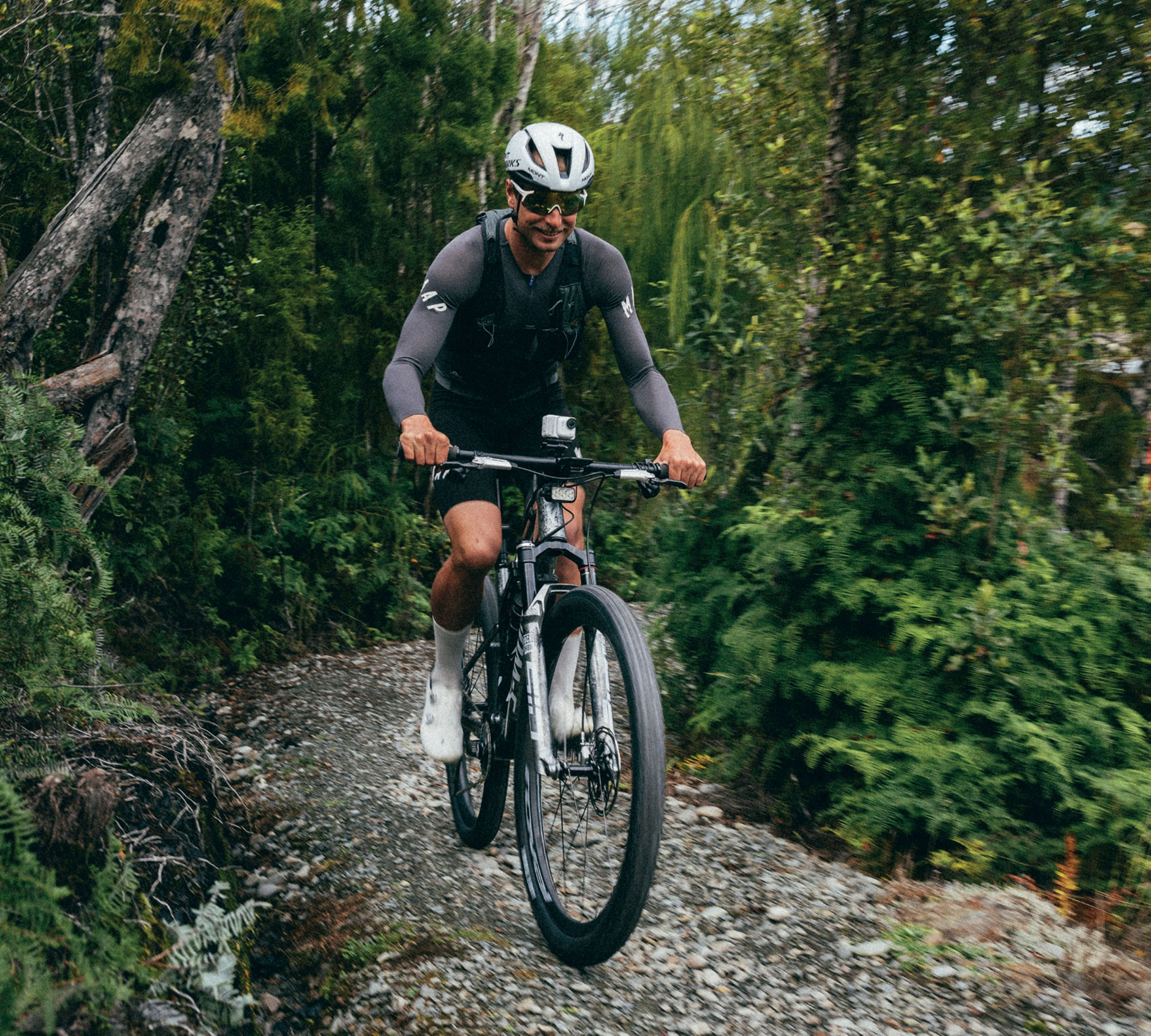
“I’d already seen all the most beautiful sections along the coastline with the nikau palm forests, and I was super tired from staying up all night.”
It’s at this point in the traditional endurance- sports narrative that Sam is supposed to break down and lose all hope before overcoming adversity, but that’s not his style. I tell him that when I “crack” the experience oscillates between my brain making logical arguments for stopping and outright misery.
“My brain doesn’t go there,” Sam says. “I wasn’t enjoying myself at that point, but I just went back to managing my effort and riding within myself.”
Sam continued to turn the pedals, albeit with significantly less power in the legs than on the Paparoa Track and the Old Ghost Road, and while reaching the high point of the trail should have come with a sense that the hard work was done, the exhausting nature of the Great Trails Ride meant the sense of satisfaction would have to wait.
“The last descent takes an hour, and it’s pretty easy, but I hated it. My hands were super sore because they’d been rubbed to pieces. I obviously hadn’t trained enough on my mountain bike because the muscles in my hands just gave up and I could barely hold on at the end.
“I’m rolling down the trail and at this point I know I’m going to get the record, but at that point all I was thinking about was food. That was the only thing I was super stoked about at that point.”
What Sam describes as a “crack” saw him lose 36 minutes to McElveen – who took on the track rested and resurgent following his prolonged mechanical – but his relentless pace on the Paparoa Track, the Old Ghost Road and the road sections in between meant that as he arrived at northern trailhead of the Heaphy Trail after 21 hours 39 minutes and 14 seconds in the saddle, the record was his.
Tipping his hat to McElveen when posting the ride to Strava, Sam wrote, “That was a crazy ride Payson, don’t think I’ll be repeating that,” but speaking to Sam a few days after the ride, his stance had softened.
“I’d definitely do it again, maybe once every two years though.”